 "What is Nicolas Maduro charged with? What happens next in the case?")
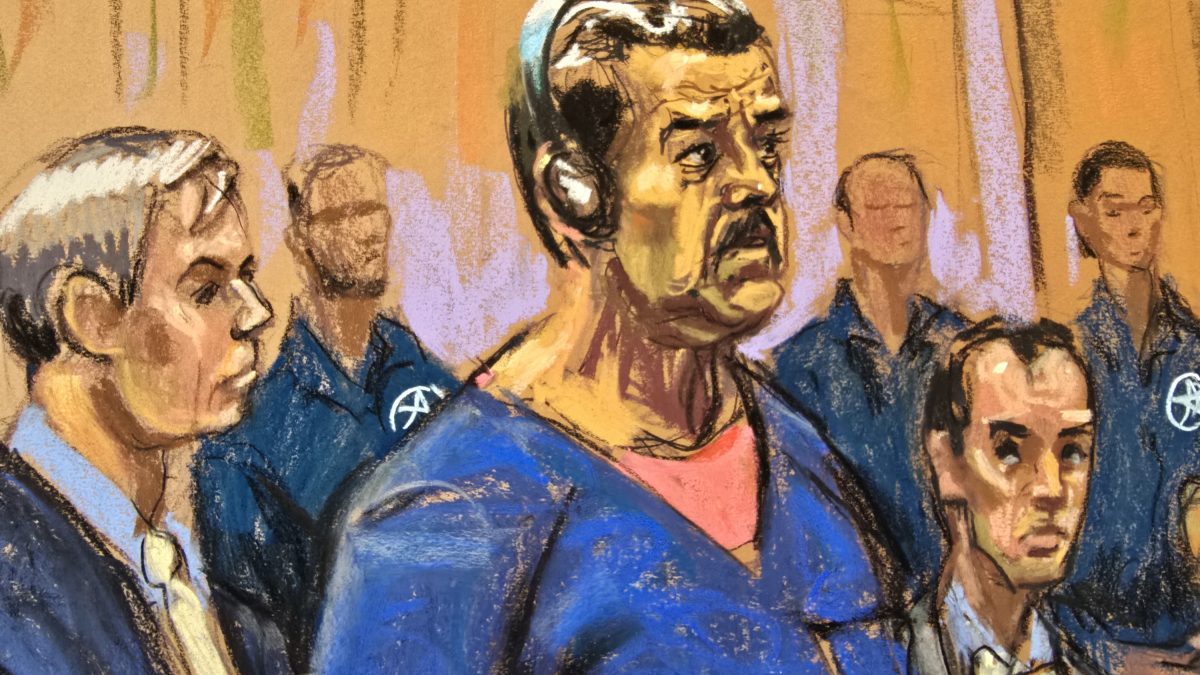
Ousted Venezuelan President Nicolas Maduro appeared in a New York court on Monday (January 5), claiming his innocence in connection with charges of narco-terrorism and weapons offences. The hearing comes two days after he was taken into custody following a dramatic raid at his home in Caracas, Venezuela.
Appearing in an orange shirt and beige pants with a smile on his face, the 63-year-old told a federal judge in court, “I am innocent. I’m not guilty.”
“I’m president of the Republic of Venezuela, and I’m here kidnapped since January 3, Saturday,” Maduro told the court, speaking in Spanish through an interpreter. “I was captured at my home in Caracas, Venezuela.”
Maduro’s wife, Cilia Flores, who is also in custody, has also pleaded not guilty to the charges.
Until a few days ago, Maduro and Flores were Venezuela’s most powerful couple. But in the US, they have no clout. They are being treated as criminals, drug traffickers, to be more specific, and the case against them is expected to unfold like any other filed in New York, based on US laws.
What are the charges against Maduro and Flores?
The criminal indictment lists Maduro and Flores, along with his son Nicolas Ernesto Maduro Guerra, and Hector Rusthenford Guerrero Flores, the leader of the Venezuelan gang Tren de Aragua. The charges include “narco-terrorism” conspiracy, cocaine importation conspiracy, possession of machine guns and destructive devices and conspiracy to possess machine guns and destructive devices against the US.
In their charging document, prosecutors alleged that Maduro, his wife and son, along with their aides, engaged in cocaine-trafficking and worked with cartels designated by the US as terrorist groups. They said the accused “abused their positions of public trust and corrupted once-legitimate institutions to import tons of cocaine into the United States”, according to a report in the BBC.
Prosecutors allege Maduro and senior Venezuelan officials spent more than two decades misusing public office and undermining institutions to funnel large quantities of cocaine into the US.
With a 25-page indictment, prosecutors presented a case that allegedly began in 1999 when Maduro was first elected to public office. It said that the Venezuelan leader, Flores and son, Nicolas Ernesto Maduro Guerra, and three others participated in a “relentless campaign of cocaine trafficking”.
According to the indictment, Maduro’s allies also offered police protection and operational assistance to the Sinaloa Cartel and Tren de Aragua, with cartel money flowing back to top officials who ensured their safety.
Among other specific acts, Maduro is accused of selling Venezuelan diplomatic passports to known drug traffickers and facilitating flights under diplomatic cover to bring drug proceeds back from Mexico to Venezuela before he became president.
The case was brought by the US Attorney’s Office for the Southern District of New York, an office within the Justice Department famous for its fierce independence and aggressive prosecutions. The same prosecutor’s office returned an indictment against Maduro in 2020, with the same four charges. The updated indictment made public on Saturday adds some new details and co-defendants, including Maduro’s wife, Cilia Flores.
The Venezuelan first lady is also accused of ordering kidnappings and murders, as well as accepting bribes in 2007 to arrange a meeting between drug traffickers and the director of Venezuela’s National Anti-Drug Office.
Flores was in good spirits, according to a statement from her attorney, Mark E Donnelly, adding that “we look forward to reviewing and challenging the evidence the government has”. She also pleaded not guilty.
What will be Maduro’s defence?
As the case unfolds, Maduro is likely to argue to seek dismissal on the grounds that he is immune, or shielded, from criminal prosecution because he is a foreign head of state.
Maduro’s lawyer echoed similar sentiments in court, suggesting that the Venezuelan should be immune from prosecution as the leader of a sovereign country and that the US taking him by force is illegal. As he exited the court, Maduro too said in Spanish that he is a “kidnapped president” and a “prisoner of war”.
Judges have, in some contexts, concluded that foreign officials enjoy immunity from legal claims in US courts.
However, the Venezuelan leader faces an uphill battle with this argument because of a historic precedent: the US invasion of Panama in 1989 that ousted the country’s leader, Manuel Noriega. Like Maduro, Noriega was accused of conspiring to smuggle drugs into the US and was captured in a military raid in his home country.
US courts rejected Noriega’s immunity argument, showing deference to the US government’s assertion that he was not Panama’s legitimate leader. Legal experts have said that precedent will likely undermine Maduro’s efforts to get charges dismissed.
Maduro is also likely to invoke a legal doctrine that says criminal charges should be dismissed if prosecutors brought them vindictively or selectively. He might also argue that claims against him are time-barred, meaning they are too old to be pursued in court.
Federal conspiracy charges generally have a five-year statute of limitations, meaning charges must be brought within five years of the alleged crime’s completion, with some exceptions.
What is next in store for Maduro?
Maduro, who made an initial appearance in court on Monday, will appear in court at the next hearing set for March 17.
The case is being overseen by US District Judge Alvin Hellerstein, who was assigned to the 2020 case brought against the Venezuelan dictator.
The 92-year-old jurist has been sceptical of arguments by the US President Donald Trump’s administration in other high-profile cases. Earlier this year, Hellerstein rejected efforts to deport alleged Venezuelan gang members under the Alien Enemies Act, saying the wartime law had been improperly invoked by the Trump administration.
With inputs from agencies

 "US-Venezuela Tensions Live Updates: Maduro pleads not guilty, says ‘I was kidnapped’ in court")
 "Gunfire in Caracas: A coup attempt or forces firing at drones? Bolivian Army of Venezuela in spotlight")
 "Costly moves? Did Maduro’s dances trigger Trump to attack Venezuela?")
 "Weeks before Maduro raid, Trump told oil companies to ‘get ready’ for Venezuela: Report")
 "US-Venezuela Tensions Live Updates: Maduro pleads not guilty, says ‘I was kidnapped’ in court")
 "Gunfire in Caracas: A coup attempt or forces firing at drones? Bolivian Army of Venezuela in spotlight")
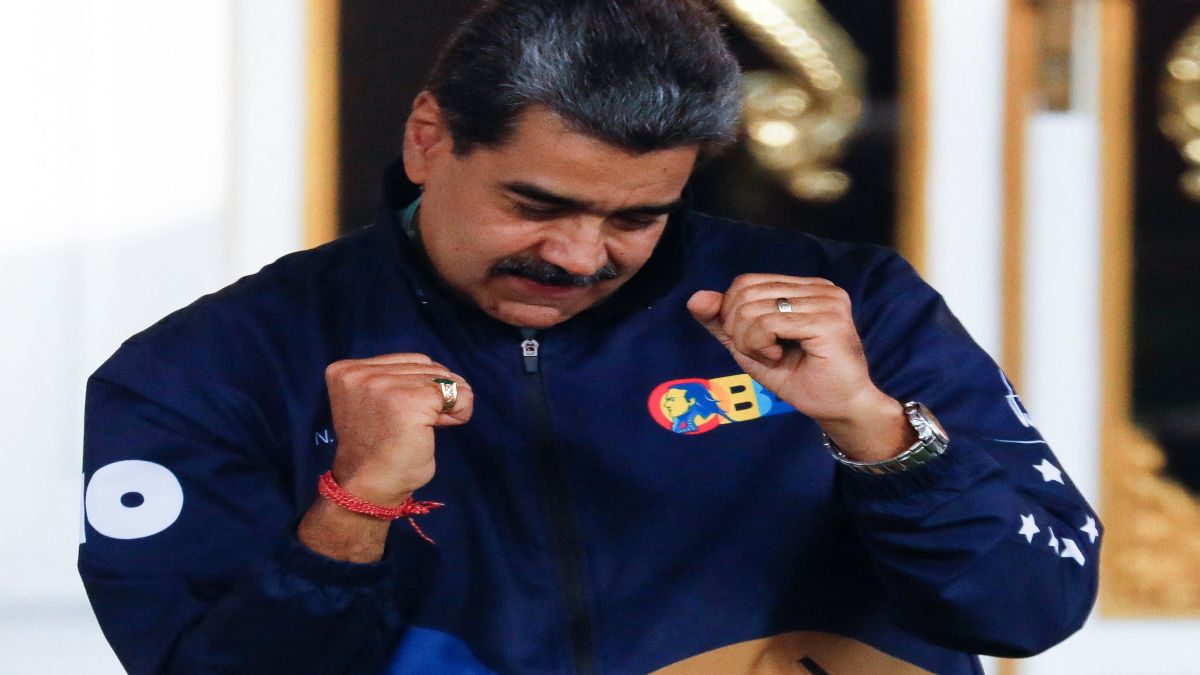 "Costly moves? Did Maduro’s dances trigger Trump to attack Venezuela?")
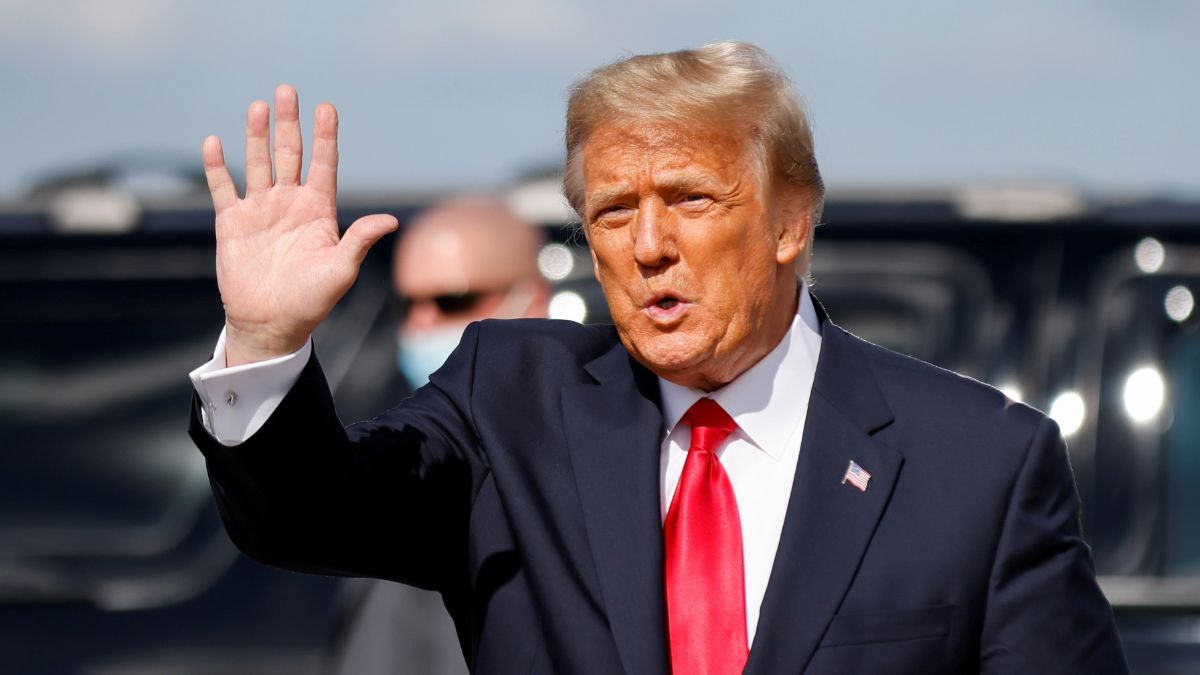 "Weeks before Maduro raid, Trump told oil companies to ‘get ready’ for Venezuela: Report")