

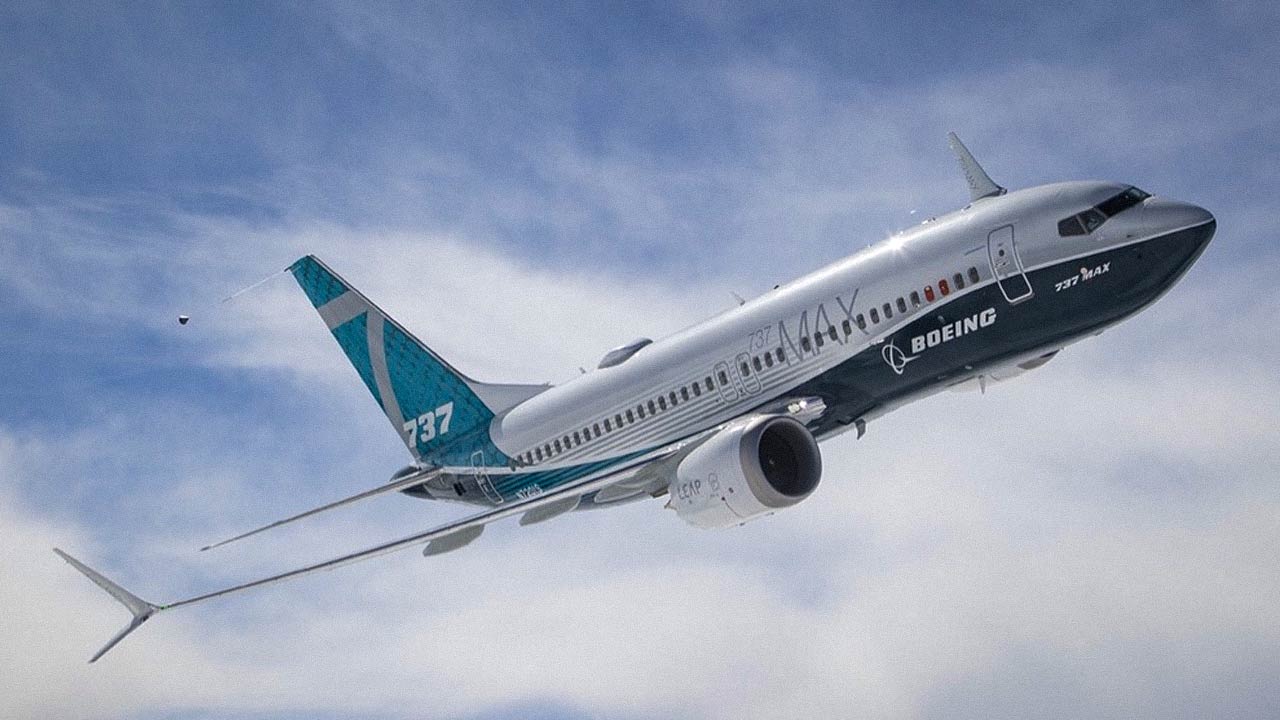
 "Boeing 737 MAX: CEO accused of telling half-truths about MCAS's lack of safeguards")
Boeing Chief Executive Dennis Muilenburg faced intense grilling by US lawmakers at a hearing on Tuesday over what the company knew about its Maneuvering Characteristics Augmentation System (MCAS) stall-prevention system linked to
**two deadly crashes** , and about delays in turning over internal 2016 messages that described
**erratic behavior of the software** in a simulator. The hearing,
**the highest-profile congressional scrutiny of commercial aviation safety in years** , heaps pressure on a newly rejiggered Boeing senior management team fighting to repair trust with airline customers and passengers shaken by an
**eight-month safety ban** on its 737 Max following the crashes, which killed 346 people. “You have told me half-truths over and over again,” Senator Tammy Duckworth told Muilenburg,
**questioning why the manufacturer did not disclose more details** about MCAS’s lack of safeguards. “You have not told us the whole truth and these families are suffering because of it.” (Also read:
Factbox: When will the Boeing 737 MAX fly again? ) Duckworth said the pilots did not know enough about MCAS. “You set those pilots up for failure.”
**Muilenburg acknowledged errors** in failing to give pilots more information on MCAS before the crashes, as well as for taking months to disclose that it had made optional an alarm that alerts pilots to a mismatch of flight data on the 737 Max. “We’ve made mistakes and we got some things wrong. We’re improving and we’re learning,” he said.

Flying coffins
In his opening remarks, Muilenburg walked the committee through software upgrades to limit the authority of the stall-prevention system that has been linked to both crashes. He also listed changes at the company and its board of directors to improve safety oversight and transparency. During one particularly tense exchange, Senator Maria Cantwell of Washington questioned Muilenburg and Vice President for Boeing Commercial Airplanes John Hamilton over the extent of testing on MCAS. Cantwell asked Hamilton whether it was a mistake for Boeing not to test a failure mode similar to the scenarios faced by pilots in the crashes. “In hindsight, senator, yes,” Hamilton said. Both he and Muilenburg, however, pointed to extensive testing by engineers and pilots during the certification process that lasted years. **Muilenburg also acknowledged** a “mistake on that implementation” for failing to tell the FAA for 13 months that it inadvertently made a so-called angle of attack disagree alert optional on the 737 Max, instead of standard as on earlier 737s. The company insisted the missing display represented no safety risk. “One of the things we’ve learned … is we need to provide additional information on MCAS to pilots,” Muilenburg said. At one point, Senator Richard Blumenthal of Connecticut referred to the 29 as “flying coffins.” Asked ahead of the hearing if he would resign, Muilenburg said that was “not where my focus is.” “These two accidents occurred on my watch and I have a keen sense of responsibility,” said Muilenburg, who was stripped of his title as Boeing chairman by the board earlier this month. Family members, holding photos of victims of the crash, were seated just three rows behind Muilenburg during his testimony. Justin Green, co-chair of the Ethiopian Airlines plaintiffs’ committee, said, “Mr. Muilenburg has been apologetic in his testimony, but it is more important to my clients that Boeing do the right things than for it to say the right things.” Indonesian investigators reported Friday that Boeing, acting without adequate oversight from US regulators, failed to grasp risks in the design of cockpit software on the 737 Max, sowing the seeds for the 29 October, 2018, crash of **Lion Air Flight 610** . On Tuesday, Muilenburg denied Boeing’s initial statements about the investigative findings from the Lion Air crash sought to shift blame onto pilots. Muilenburg was then asked why Boeing had not grounded the plane in the wake of Lion Air Crash. “If we could go back, we would make a different decision,” he said.

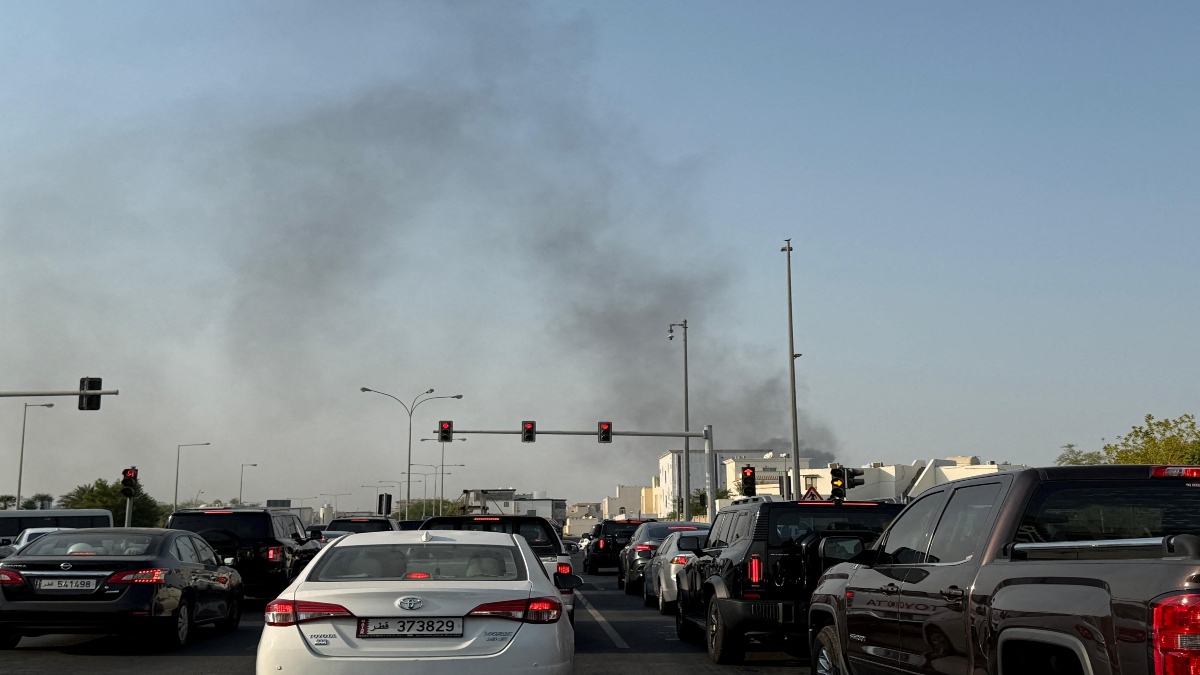 "Israel targets top Hamas leaders in Doha; Qatar, Iran condemn strike as violation of sovereignty")
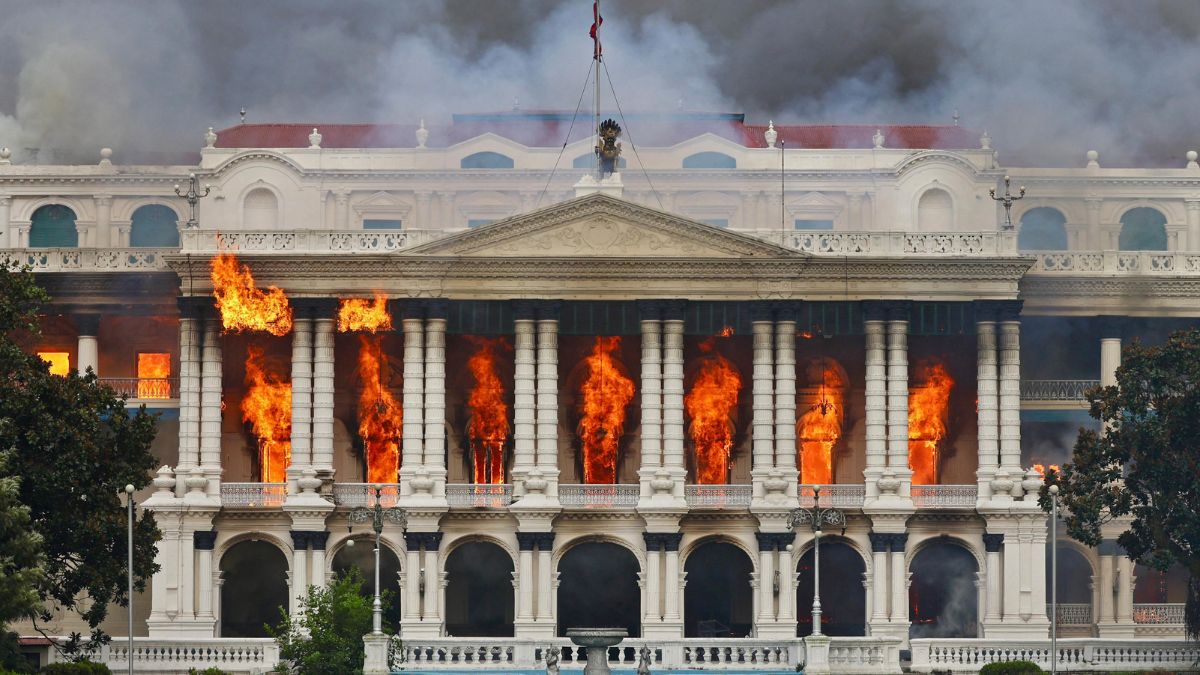 "Nepal: Oli to continue until new PM is sworn in, nation on edge as all branches of govt torched")
 "Who is CP Radhakrishnan, India's next vice-president?")
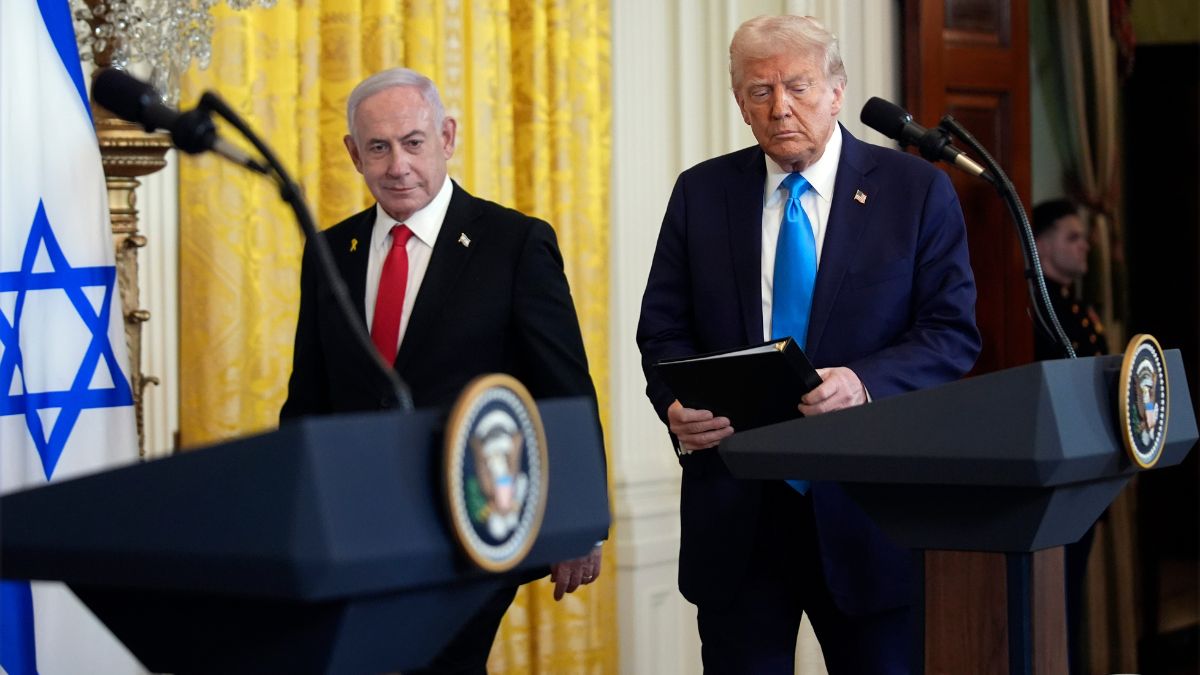 "Israel informed US ahead of strikes on Hamas leaders in Doha, says White House")
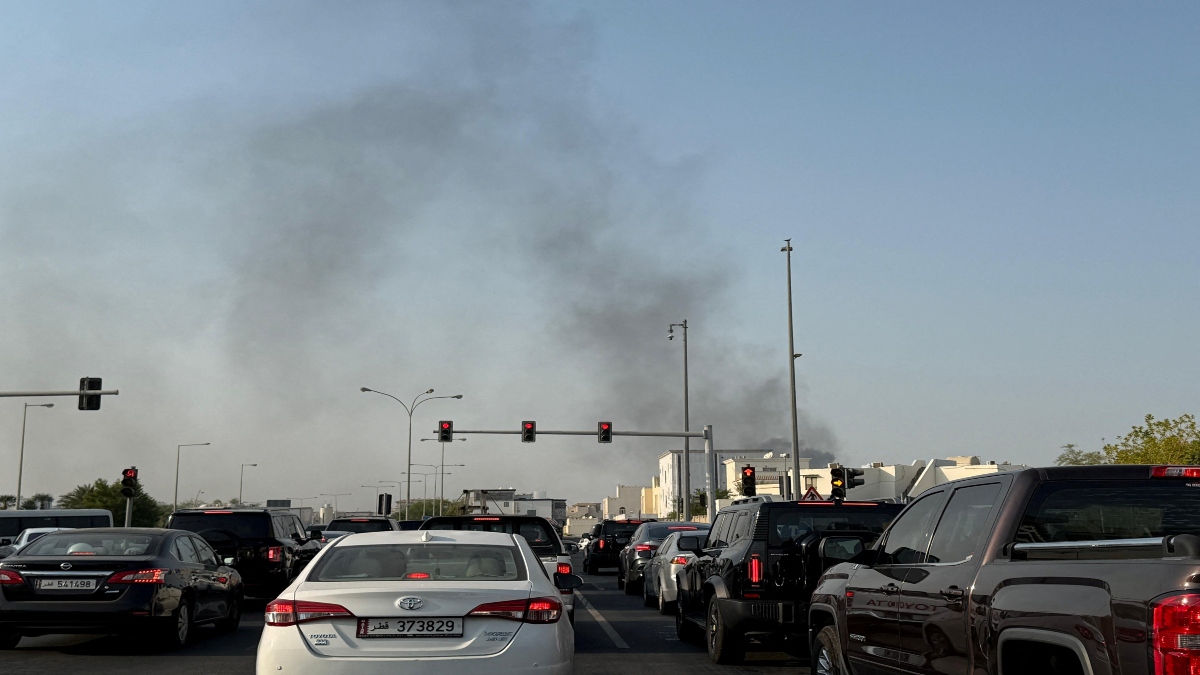 "Israel targets top Hamas leaders in Doha; Qatar, Iran condemn strike as violation of sovereignty")
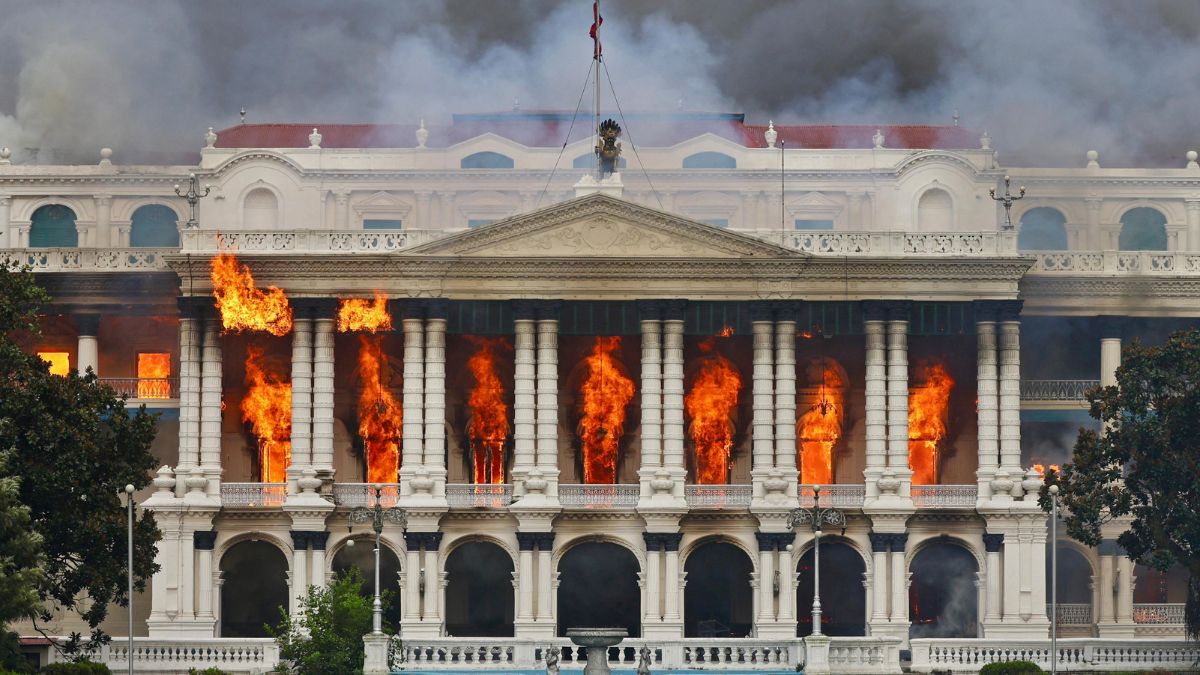 "Nepal: Oli to continue until new PM is sworn in, nation on edge as all branches of govt torched")
 "Who is CP Radhakrishnan, India's next vice-president?")
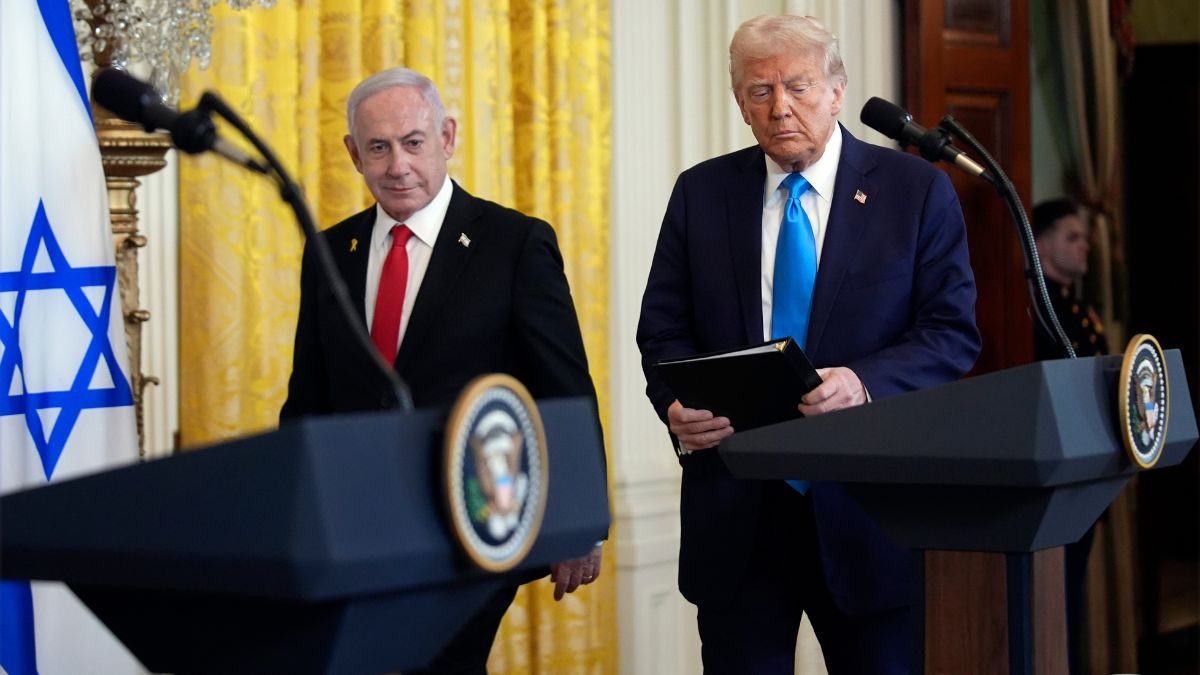 "Israel informed US ahead of strikes on Hamas leaders in Doha, says White House")



