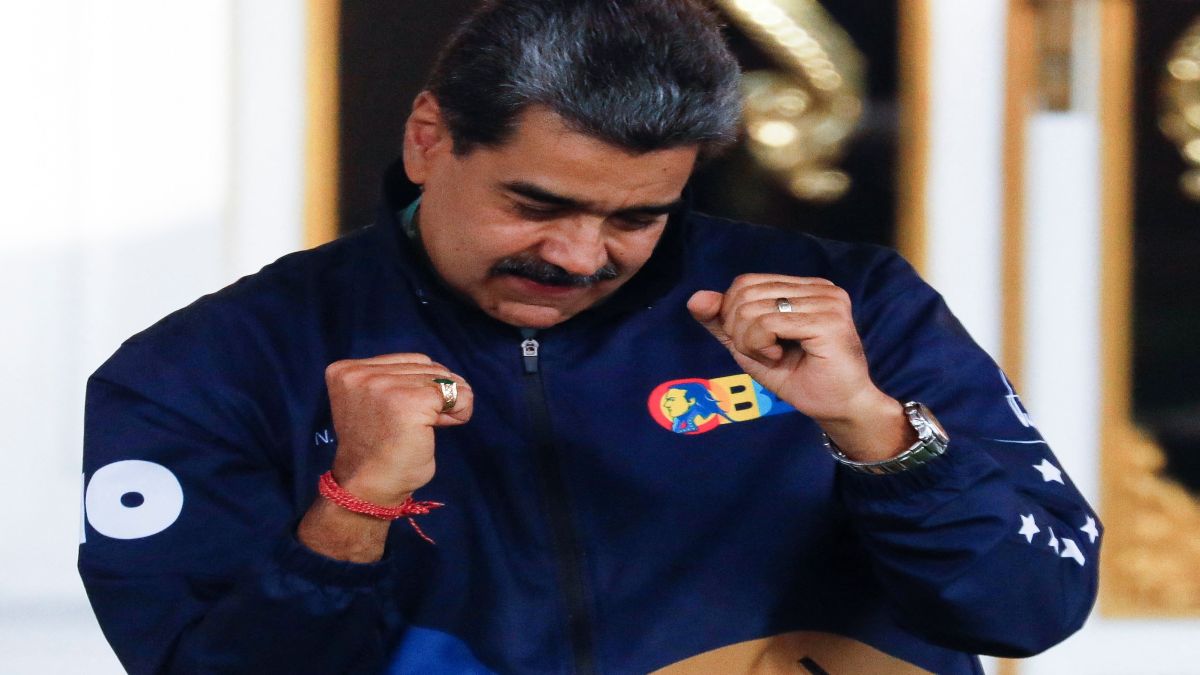
 "The seduction of surgical strikes: Why history should temper today's applause")
The apparent success of a recent US Special Forces operation in Caracas has revived a familiar temptation in strategic discourse—the belief that precision raids can, at a strategic level, decisively resolve complex political problems. Admiration for meticulous preparation, intelligence penetration, and operational daring is understandable, and the Caracas operation was clearly executed to a high professional standard under demanding conditions. Yet history offers sobering reminders that such operations, however elite the forces involved, can unravel rapidly when political ambition outruns strategic reality. This essay is therefore less a tactical assessment of the raid itself than an examination of its repeatability and its wider strategic consequences.
The growing speculation that similar raids could one day be attempted against Iran’s senior leadership—perhaps even Supreme Leader Ali Khamenei—has brought this debate into sharper focus. Notably absent from such conjecture is any serious discussion of North Korea, a silence that itself reflects the asymmetry of risk, consequence, and escalation thresholds across adversaries.
Before surgical strikes are elevated to instruments of strategic routine, it is worth revisiting a largely forgotten episode that still casts a long shadow over American military history—the failed 1980 hostage rescue mission in Iran.
A Forgotten Lesson from Tehran
In November 1979, following the overthrow of the Shah, Mohammad Reza Shah Pahlavi, Iranian students seized the US Embassy in Tehran, taking 54 American diplomats and family members hostage. The crisis unfolded amid revolutionary fervour, institutional chaos, and the collapse of the old Iranian state order. President Jimmy Carter, under immense domestic pressure and facing a crisis of credibility, authorised a daring rescue attempt.
The operation—Operation Eagle Claw—was entrusted to the newly formed Delta Force, the same entity which has now executed the Caracas raid. It was bold, complex, and unprecedented. It was also conducted under near-impossible conditions: limited intelligence, uncertain local cooperation, environmental extremes, and a command structure still evolving for such missions.
Quick Reads
View AllThe result was catastrophe. Mechanical failures, weather complications, and coordination breakdowns led to the collision of aircraft at a desert staging point, killing eight US servicemen. A desert sandstorm, of a kind rarely seen, was reported to have contributed to the chaos in execution. The mission was aborted. The hostages remained captive. What was intended as a moment of national redemption became a symbol of overreach and miscalculation.
Carter had already lost the election to Ronald Reagan, but sought one final act of resolve before leaving office. Instead, the episode reinforced a hard truth: elite capability cannot compensate for adverse political, geographic, and strategic environments.
Why Venezuela Is Not Iran
The contrast between Tehran in 1980 and Caracas today is stark. Venezuela’s internal fractures, economic collapse, and elite fragmentation create conditions far more permissive for covert penetration. In such environments, elite buy-offs, defections, and passive compliance can prove as decisive as tactical brilliance.
Iran, by contrast, remains a hardened revolutionary state with deep counter-intelligence structures, strong ideological cohesion at the apex, and a security apparatus shaped by decades of perceived existential threat. While it has previously faced highly professional external pressure and covert action, these encounters underscore precisely why the Iranian system is neither brittle nor easily penetrated.
A raid in Caracas—however impressive—should not be extrapolated into a universal template. Iran is not Venezuela. Its leadership survival mechanisms are embedded in theology, nationalism, and layered coercive institutions. Intelligence penetration is always possible; strategic success, however, remains highly uncertain. Any attempt at decapitation would therefore constitute not merely a military operation, but a major act of escalation with unpredictable regional consequences. The regime’s survival instinct, forged through ideological struggle and historical trauma, remains exceptionally strong.
The Illusion of Repeatability
The danger lies not in the conduct of surgical strikes, but in the assumption that success is easily repeatable across theatres. Tactical excellence can tempt policymakers into believing that operational daring itself constitutes strategy. Experience shows that special operations are effective instruments, but poor substitutes for clear strategy and political purpose. When employed without a realistic appreciation of political context, state resilience, and escalation dynamics, even the most precise action risks creating consequences far beyond its intended scope.
North Korea’s absence from speculative discourse is instructive. The risks there—nuclear retaliation and uncontrolled escalation with unpredictable outcomes—are widely understood. Iran occupies an uncomfortable middle ground: threatening enough to provoke action, yet resilient enough to respond to miscalculation.
For any US administration—particularly one led by Donald Trump, known for decisiveness and the personalisation of power—the temptation to employ visible, dramatic force is real. But dramatic action does not equal strategic gain.
The Enduring Relevance of Eagle Claw
Operation Eagle Claw did not fail because American soldiers lacked courage or skill. It failed because the political objective was misaligned with operational feasibility. That distinction matters today. Modern technology, better intelligence fusion, and joint command structures reduce—but do not eliminate—risk. They cannot neutralise geography, ideology, or national will. The success of surgical strikes is shaped as much by context as by capability. Where political and security conditions are adverse, tactical success does not necessarily translate into strategic advantage.
The applause surrounding Caracas should therefore be restrained, not amplified. Strategic maturity lies not in celebrating capability, but in understanding its limits. The United States has learned this lesson before—at great cost.
History does not prohibit action. But it does demand humility. And humility, in matters of force, remains the rarest strategic virtue.
(The writer is the former Commander of India’s Srinagar-based Chinar Corps. Currently he is the Chancellor of the Central University of Kashmir and a member of the National Disaster Management Authority. Views expressed in the above piece are personal and solely those of the author. They do not necessarily reflect Firstpost’s views.)

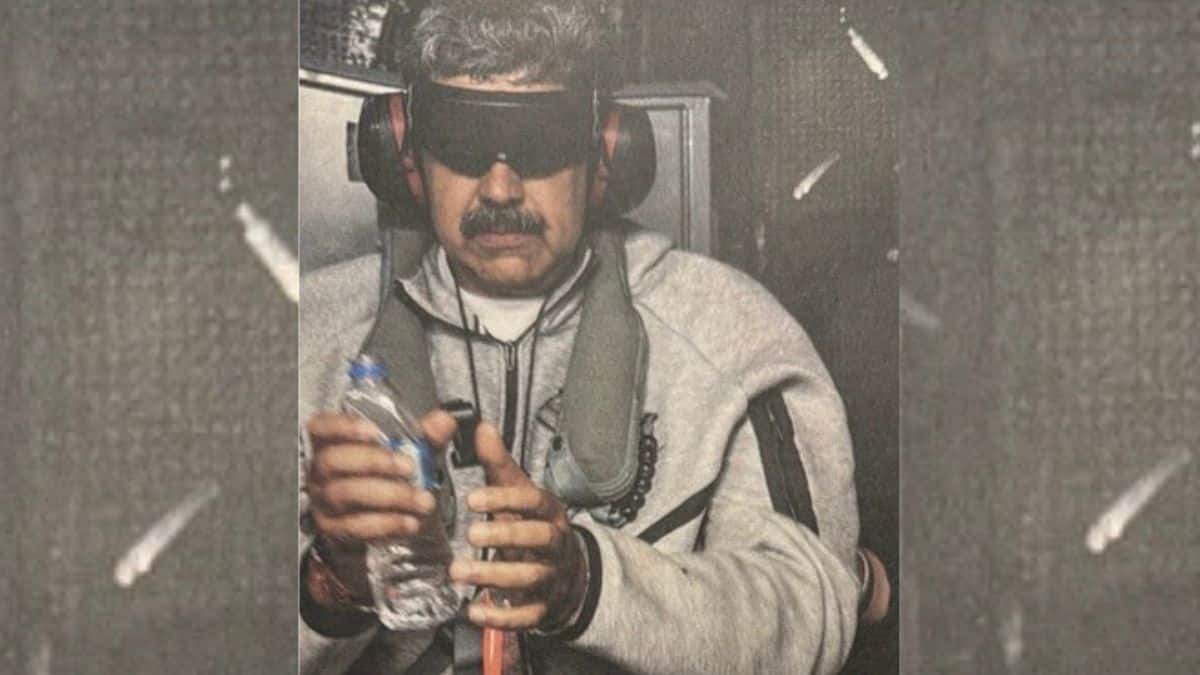
 "US-Venezuela Tensions Live Updates: Calls for release of political prisoners grow after Maduro’s ouster")
 "Was Maduro 'kidnapped' or 'captured' by the US? Depends, and it matters")
 "Bangladesh weighs JF-17 purchase as Pakistan pitches China-partnered fighter jet")
 "Watch: Footage of handcuffed Maduro limping to US court goes viral")
 "US-Venezuela Tensions Live Updates: Calls for release of political prisoners grow after Maduro’s ouster")
 "Was Maduro 'kidnapped' or 'captured' by the US? Depends, and it matters")
 "Bangladesh weighs JF-17 purchase as Pakistan pitches China-partnered fighter jet")
 "Watch: Footage of handcuffed Maduro limping to US court goes viral")