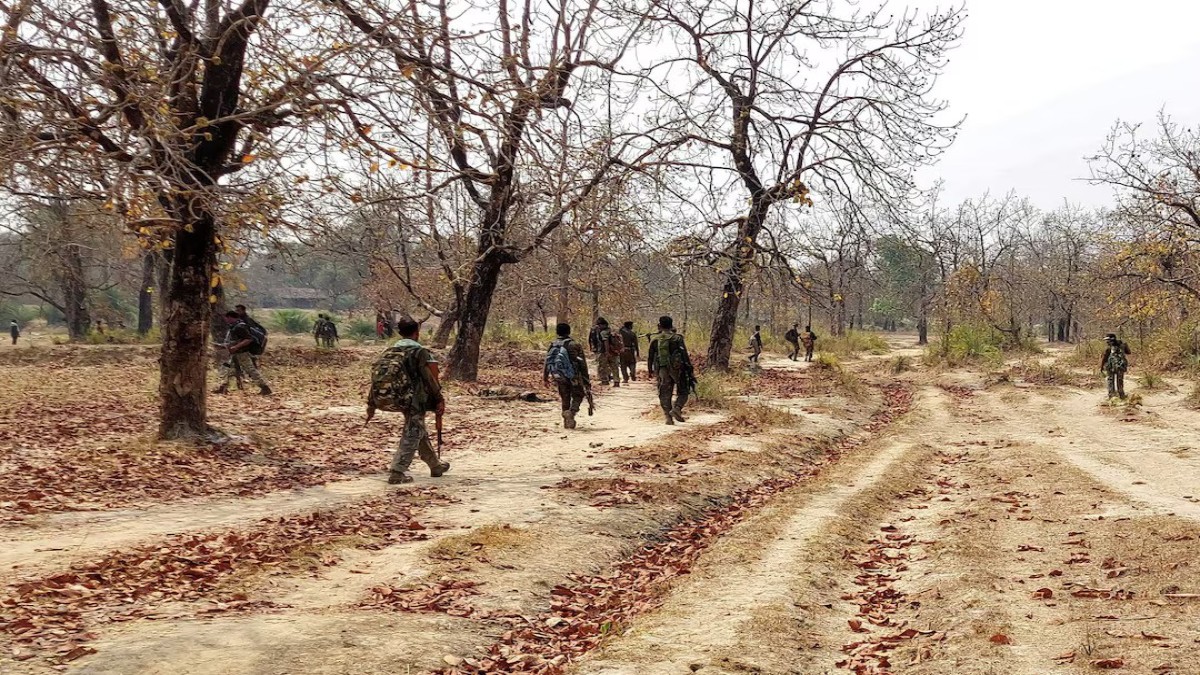
 "How India’s overcoming of Naxalism denies China its covert strategic leverage")
The impending end of Naxalism is not merely the story of a successful police campaign. It is the story of a state finally overpowering a violent insurgency that fed on India’s internal fractures while drawing ideological legitimacy, and at times material sustenance, from the long shadow of Maoist China.
For decades, the Naxalite movement presented itself as the voice of the oppressed. In reality, it became one of the most destructive instruments of anti-state violence in modern India: murdering policemen, extorting tribals, sabotaging development, and holding entire districts hostage to armed dogma. Its defeat is therefore not simply a security achievement. It is a civilisational correction. India has reclaimed territory, authority, and the moral right of the Republic to govern every inch of its own soil.
And this is why the China angle matters. Naxalism was never just an ‘internal rebellion’. It was born in the ideological furnace of Maoism, animated by the mythology of “people’s war", and sustained by a transnational revolutionary imagination that traced its roots to Beijing. China did not have to issue commands over a telephone line for its influence to be real. In insurgencies, ideology is often as potent as money, and myth can be as powerful as weapons. Beijing supplied the myth.
The evidence of Chinese involvement is not limited to abstract ideological inspiration. For years, Indian security agencies and public reporting have pointed to Chinese-made weapons recovered from Maoist cadres, suggesting that the insurgency benefited from access to Chinese-origin arms that entered India through illicit channels. That is not a trivial detail. A rebellion does not survive on slogans alone. It survives on logistics, supply lines, and the quiet architecture of clandestine support. China’s industrial ecosystem, and the murky networks that orbit it, helped sustain that architecture.
Even more telling is the recurring pattern of strategic ambiguity from Beijing. China has never behaved like a disinterested observer in South Asia. It has cultivated denial, leverage, and proxies with remarkable consistency. In the Indian context, that pattern meant maintaining plausible deniability while allowing a revolutionary ecosystem hostile to the Indian state to draw strength from Maoist symbolism, Chinese-origin matériel, and the broader anti-Indian strategic atmosphere that Beijing often encourages in the region.
Quick Reads
View AllTo say this is not to overclaim. It is not necessary to argue that Beijing controlled the Naxal movement with centralised operational command. That would be too neat, too conspiratorial, and not sufficiently grounded in the public record. But it is entirely reasonable to argue that China aided Naxalism in a more dangerous way: by giving it ideological oxygen, by indirectly enabling its arms pipeline, and by allowing a hostile political imagination to flourish under the banner of global Maoism. In insurgency, that is often enough.
What makes the defeat of Naxalism so important is that India did not respond with slogans of its own. It responded with institutions. It responded with intelligence, interstate coordination, relentless pressure, better road networks, stronger forward deployment, a surrender policy, and a recognition that governance is the ultimate counter-insurgency tool. The security forces fought the gunmen. The state fought the vacuum. That is why the insurgency has been pushed to the edge of extinction.
This victory also has a larger geopolitical meaning. India’s internal security is not separate from its external challenge environment. A country that cannot secure its hinterland cannot credibly claim strategic maturity. By breaking the back of Naxalism, India has not only weakened a violent domestic movement; it has also closed one of the few internal conduits through which hostile foreign influence could masquerade as revolutionary virtue.
There is a deeper lesson here. China’s India strategy has often relied on asymmetry: pressure at the border, leverage in trade, influence through networks, and indirect effects through regional instability. Naxalism fit that pattern perfectly. It distracted the Indian state, drained police resources, and created the spectacle of a democratic republic battling a homegrown armed insurgency inspired by a foreign revolutionary model. The more India allowed that insurgency to endure, the more it validated the idea that the Republic could be weakened from within.
That chapter is ending now. And it should be named for what it is: a security-establishment victory over a movement that was never as purely indigenous as its propaganda claimed. The state has not just suppressed a rebellion. It has dismantled a narrative, disrupted a supply chain, and defeated an ideological export that tried to root itself in Indian blood and Indian soil.
A key acknowledgement that is necessary here is the heroic role of the Indo-Tibetan Border Force and, in more covert but equally critical ways, the Special Frontier Force, in defeating red terror. The Tibetan contribution to ending Naxalism is thus both operational and symbolic: a stateless people, betrayed by the world, quietly helped the world’s largest democracy defeat a proxy war waged against it by the power that destroyed their homeland.
The lesson for the future is unmistakable. India must remain alert to forms of external interference that do not arrive with tanks and banners but with doctrine, money, arms, and proxies. The defeat of Naxalism shows that the Republic can survive such threats when it acts with patience, force, and clarity. It also shows that the most dangerous enemies are sometimes those who never declare war openly.
Naxalism is being buried not only because its cadres were hunted down but also because the Indian state finally understood what it was facing: not a rebellion in the jungle but a strategic contamination. And India has, at last, begun to cleanse it. But one word of caution: allowing uber-capitalistic exploitation in central India will undo all the hard work in ending Naxalism, and this is something to be careful about.
(Hindol Sengupta is a professor of international relations and director of the India Institute at the OP Jindal Global University. Views expressed in the above piece are personal and solely those of the author. They do not necessarily reflect Firstpost’s views.)

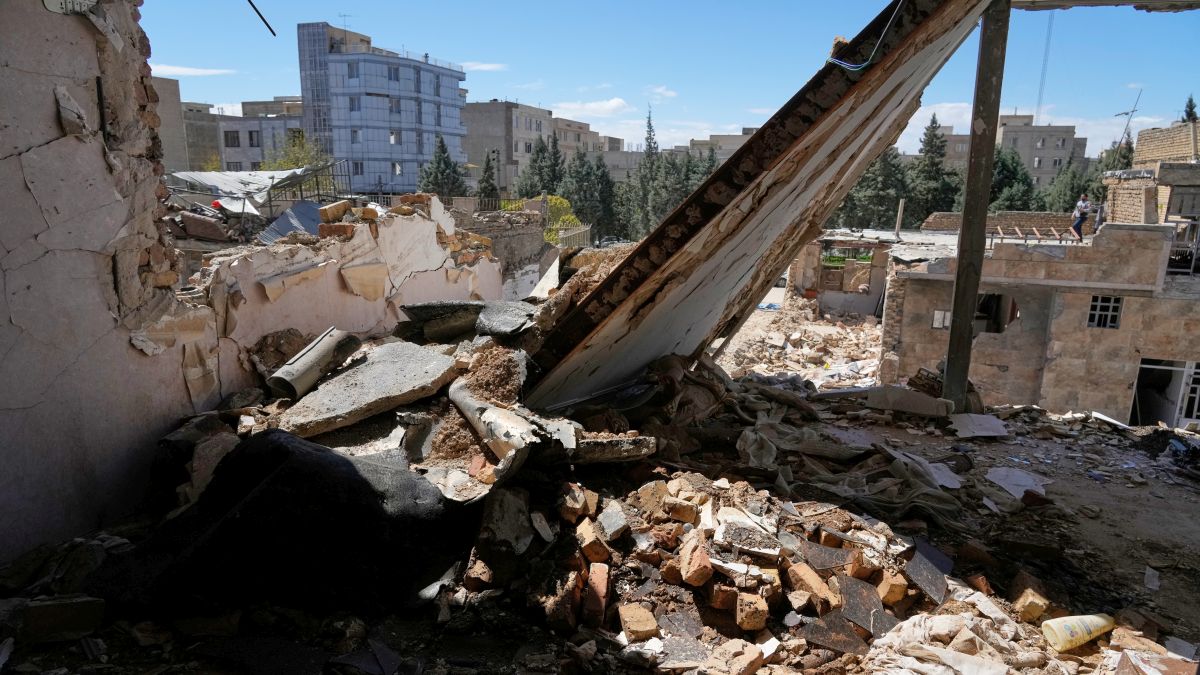 "Iran Israel War Live News: At least 1 dead in Tehran after Israeli strikes hit residential area")
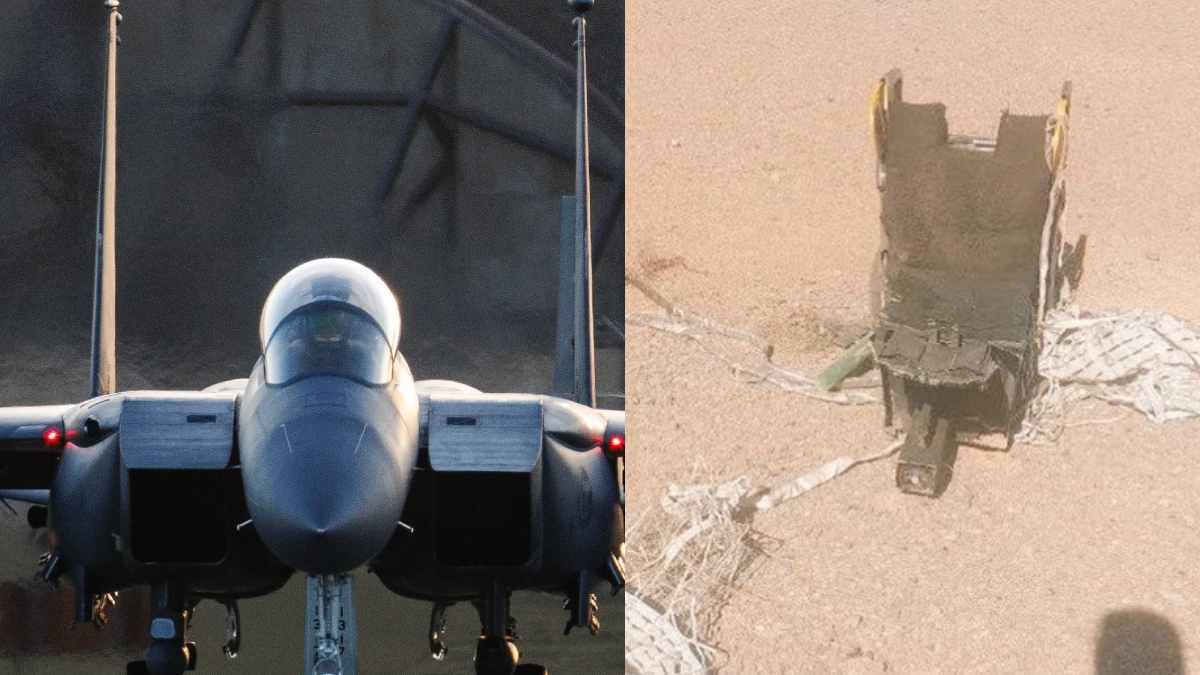 "One of two US crew members rescued after F-15E jet shot down over Iran, race to hunt second ongoing")
 "Seventh India-flagged LPG tanker crosses Strait of Hormuz")
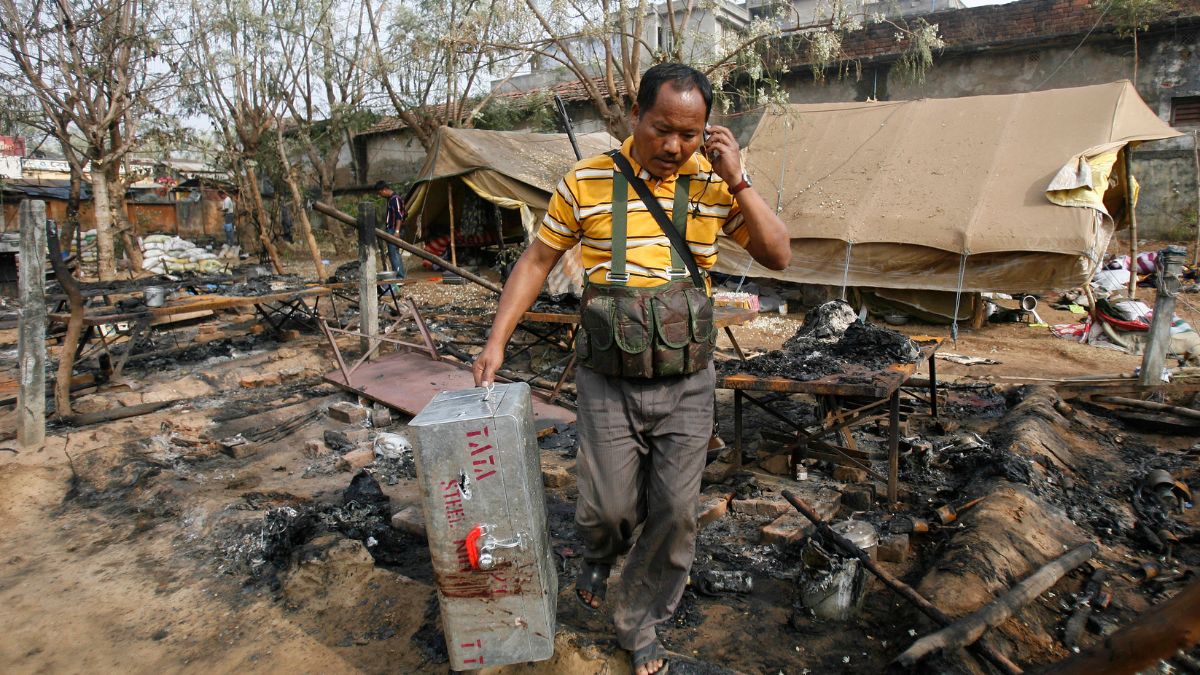 "This Week in Explainers: How India won the war against 'Red Terror'")
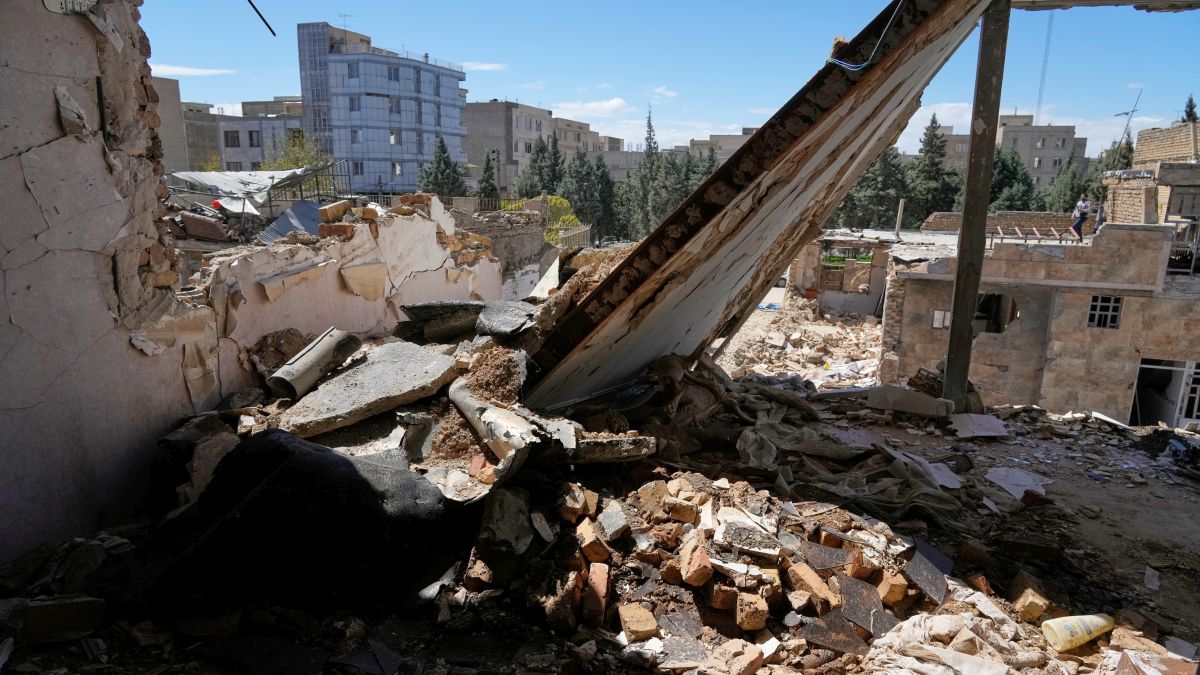 "Iran Israel War Live News: At least 1 dead in Tehran after Israeli strikes hit residential area")
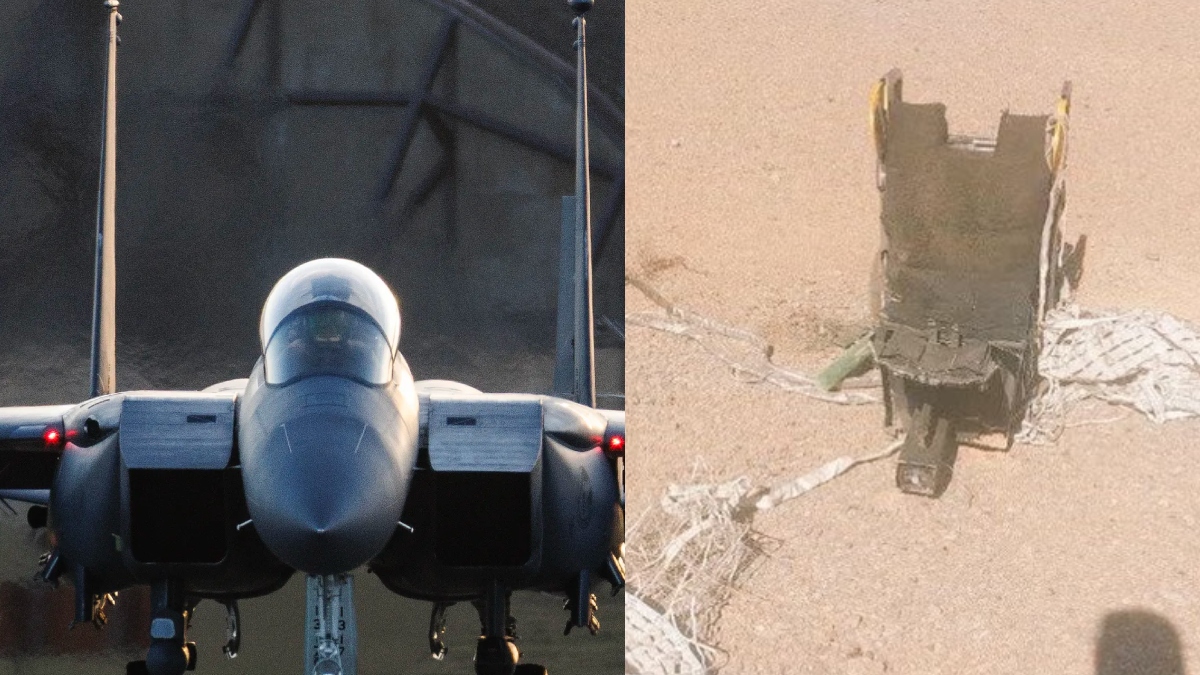 "One of two US crew members rescued after F-15E jet shot down over Iran, race to hunt second ongoing")
 "Seventh India-flagged LPG tanker crosses Strait of Hormuz")
 "This Week in Explainers: How India won the war against 'Red Terror'")