 "Israel-Palestine conflict: How India's principled position at international forums shows a way forward")
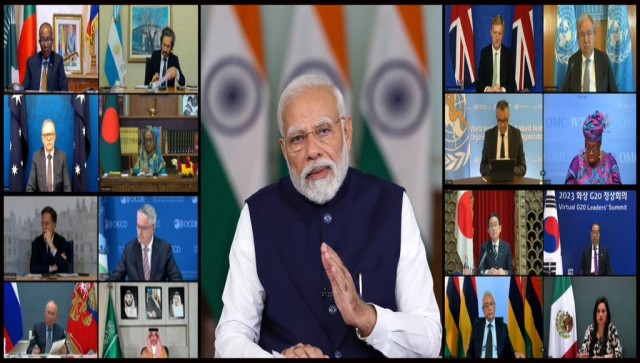
On 22 November, Prime Minister Narendra Modi chaired the follow up virtual summit of the G20 before passing on the baton to Brazil, another developing country in the unusual trail which encompasses Indonesia, India, Brazil and South Africa. This is essential to ensure that the legitimate aspirations and needs of the Global South are not lost out in the ongoing din of global disorder and geopolitical contestations. India, immediately after assuming the presidency of G20, had called for a Global South summit to take onboard their concerns and requirements at this increasingly important G20 forum as the UN and others have been losing their sheen.
India’s shining moment was inclusion of the African Union (55 countries), and turning bankers’ G20 to people’s G20, as a permanent member effectively making it a G21. It also focused on critical issues for their wellbeing from green growth to renewable energy to debt relief to reforms of multilateral banks and institutions, accelerating SDGs to newer and pressing challenges of AI, crypto currency and cyber space as well as countering terrorism and finally the women-led development. Keeping with the same tradition India hosted yet another Virtual Global South Summit before the G20 virtual summit. The Russia -Ukraine war and its impacts were a major challenge for the Indian presidency especially in the issuance of the New Delhi Leaders’ Declaration on 10 September.
Hardly a month passed, and another recurring West Asian crisis ensued with the Israel-Hamas war, which is now in its seventh week, where terrorism and two-state solution for the age-old Palestinian issue have become another major challenge for the international community and hopefully a priority.
The G20 needed to highlight the fact that putting the issues under the carpet due to geopolitical conveniences will come back to bite with greater and ferocious intensity. This was evident in Hamas’ terrorist attacks killing 1400 Israelis and the severe Israeli response and resolve to destroy Hamas killing over 14000 Palestinians and pounding Gaza thereby causing a humanitarian disaster.
Both sides lost innocent civilians and 250 odd hostages taken by Hamas became the key to another temporary truce. Qatar and Egypt brokered a deal whereby some 50 hostages, consisting of Israeli women and children, will be released in lieu of a temporary four-day ceasefire and the return of 150 Palestinian women and children. India and the G20 welcomed it. Hopefully this phased truce and exchanges of hostages and prisoners and the international pressure would yield into a permanent ceasefire even as Netanyahu vows to eliminate Hamas.
Quick Reads
View AllIn his remarks at the G20 virtual summit, regarding the ongoing Israel-Hamas conflict, PM Modi reiterated the concerns about terrorism and human tragedy; and advocated the assistance and need for a two-state solution and the efforts to prevent further escalation of the conflict in the region. He stated that the G20 had arrived at a seven-point consensus, including the role that the G20 is ready to play to end the conflict. He enunciated that there was agreement in G20 on many issues. These included zero tolerance for terrorism, and death of innocent civilians, especially women and children, being unacceptable. According to the PM Modi, there was agreement also on five other issues — early, effective and safe distribution of humanitarian aid; welcoming humanitarian pause and release of hostages; resolving the Israel-Hamas issue through two-state solution; need for regional peace and stability; and reducing political tensions through dialogue and diplomacy. “Finally, the G20 is ready to help in this effort in whatever way possible,” PM added.
India has maintained principled position all through be it against the terrorist act of Hamas or loss of innocent lives on both sides as well as providing unimpeded humanitarian assistance and the pressing need for direct dialogue for a two-state solution as it immediately dispatched relief supplies to the Gazans via Egypt. PM Modi and Jaishankar conferred with all major regional and global leaders to seek their assessments, urging an early solution and end to humanitarian tragedy and efforts to contain the spread of war to other theatres in the region. New Delhi also reiterated its stand at the extraordinary BRICS Summit where Foreign Minister Jaishankar represented the prime minister. These detailed discussions were also held at the 2+2 FM/RM dialogue with USA and Australia recently.
Even at the UN General Assembly debates and the two resolutions India’s principled stand with regard to terrorism and two-state solution was clearly expressed . On the first one India abstained as it did not have proper reference to the terror trigger by Hamas but in the explanation of vote it spoke of humanitarian disaster and civilian strife and need for unimpeded relief supplies and the two-state solution. On the second one it voted against the continued and expanding Israeli settlements in the West bank which will ipso facto defy the very basis of the two-state solution and is violative of the international law and UNSC resolutions.
As Jaishankar clearly articulated at the BRICS Summit and other deliberations, the three critical issues have to be addressed simultaneously for a sustainable solution to the ongoing West Asian crisis. These include that there can be no compromise with terror; that there is an urgent need for humanitarian assistance in Gaza; and that the issue of rights, aspirations, and the future of the Palestinian people can only be addressed through a two-state political and negotiated solution with a viable and sovereign state of Palestine side by side with Israel. However, several critics point out the absence of a call for an urgent ceasefire and question: Whether this war with pauses and hiatuses and tremendous human tragedy will pave the way for the beginning of direct and meaningful dialogue between the two sides with the mediation of trusted interlocutors? This has to be seen.
The author is the former Indian Ambassador to Jordan, Libya and Malta and is currently a Distinguished Fellow with Vivekananda International Foundation. Views expressed in the above piece are personal and solely those of the author. They do not necessarily reflect Firstpost’s views.
Read all the
Latest News,
Trending News,
Cricket News,
Bollywood News,
India News and
Entertainment News here. Follow us on
Facebook,
Twitter and
Instagram.

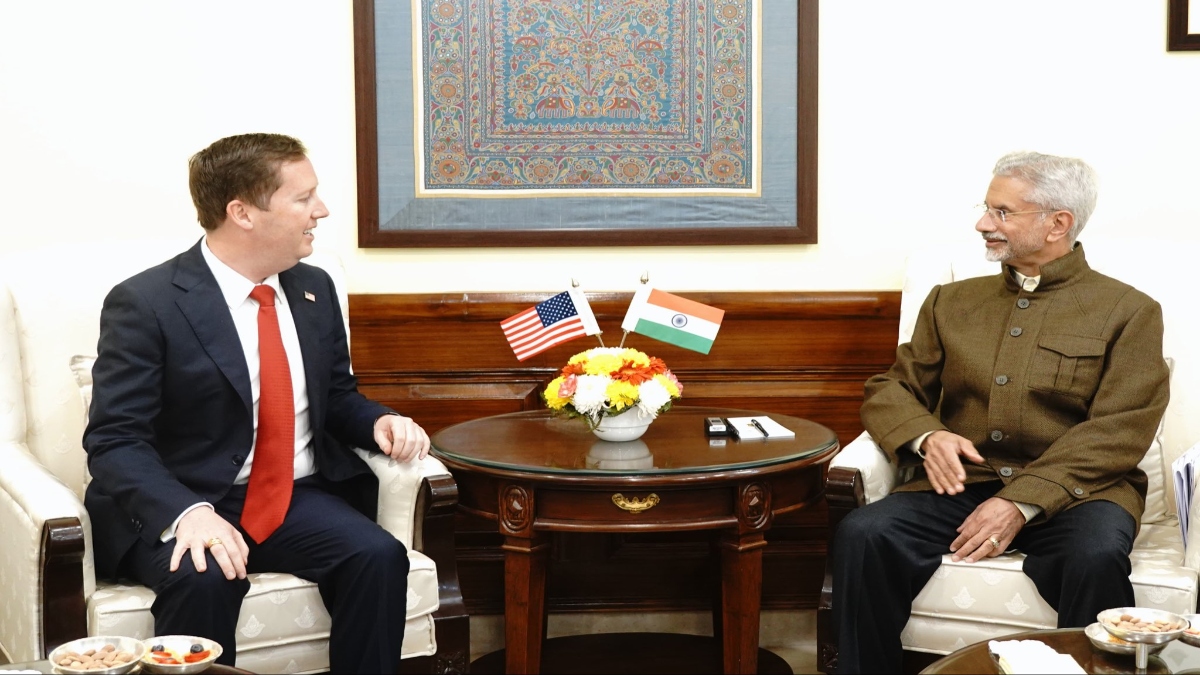 "Jaishankar meets Sergio Gor ahead of US visit, says discussed 'many dimensions of our partnership'")
 "As Trump shakes up Nato, Europe aims to go self-sufficient in weapon production")
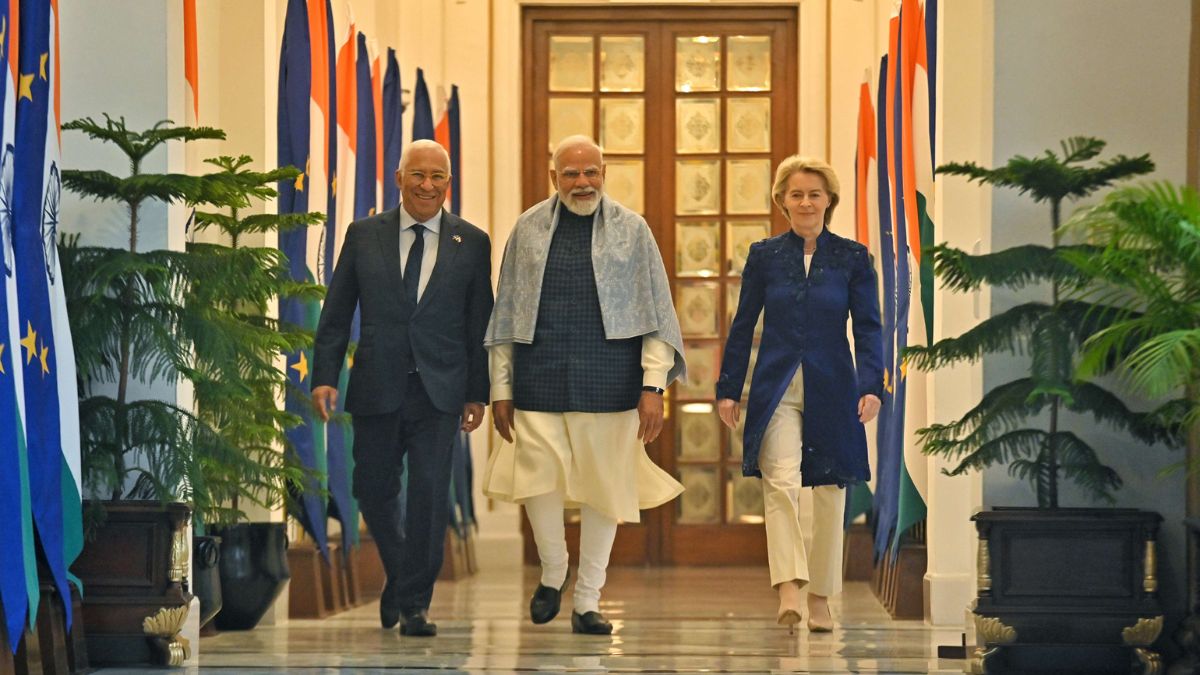 "With new security pact, India and EU eye win-win defence ties as US, China rival in arms race")
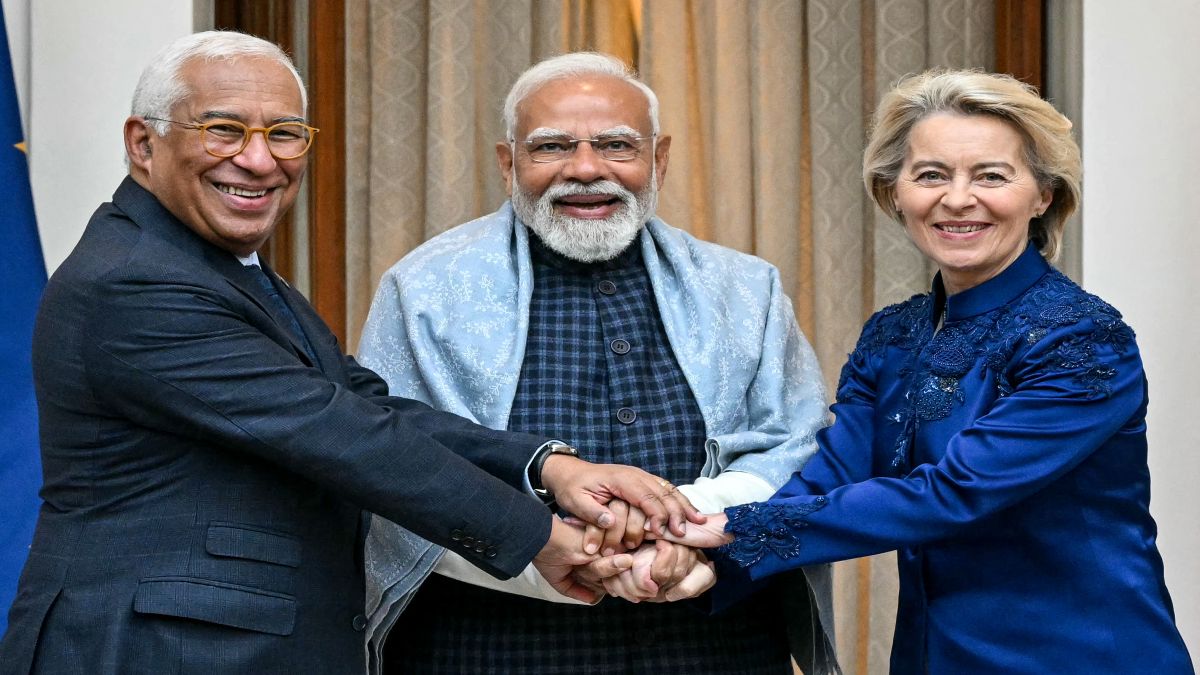 "Two billion people, one global order: How India-EU mega trade deal is a game changer")
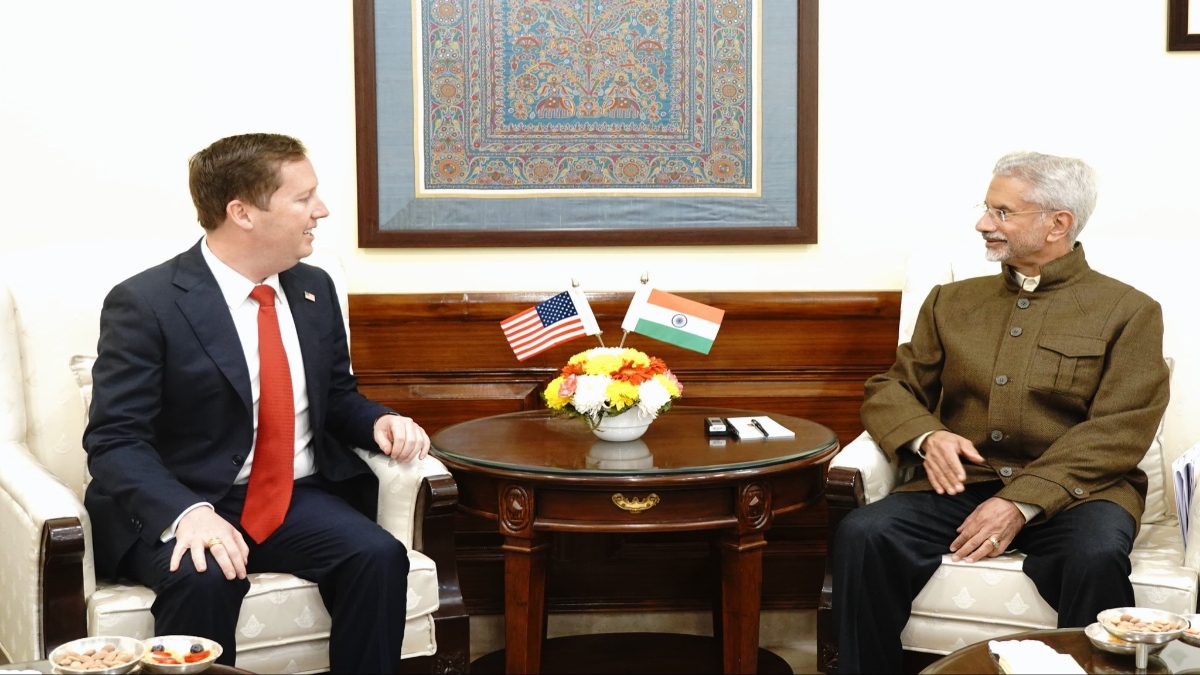 "Jaishankar meets Sergio Gor ahead of US visit, says discussed 'many dimensions of our partnership'")
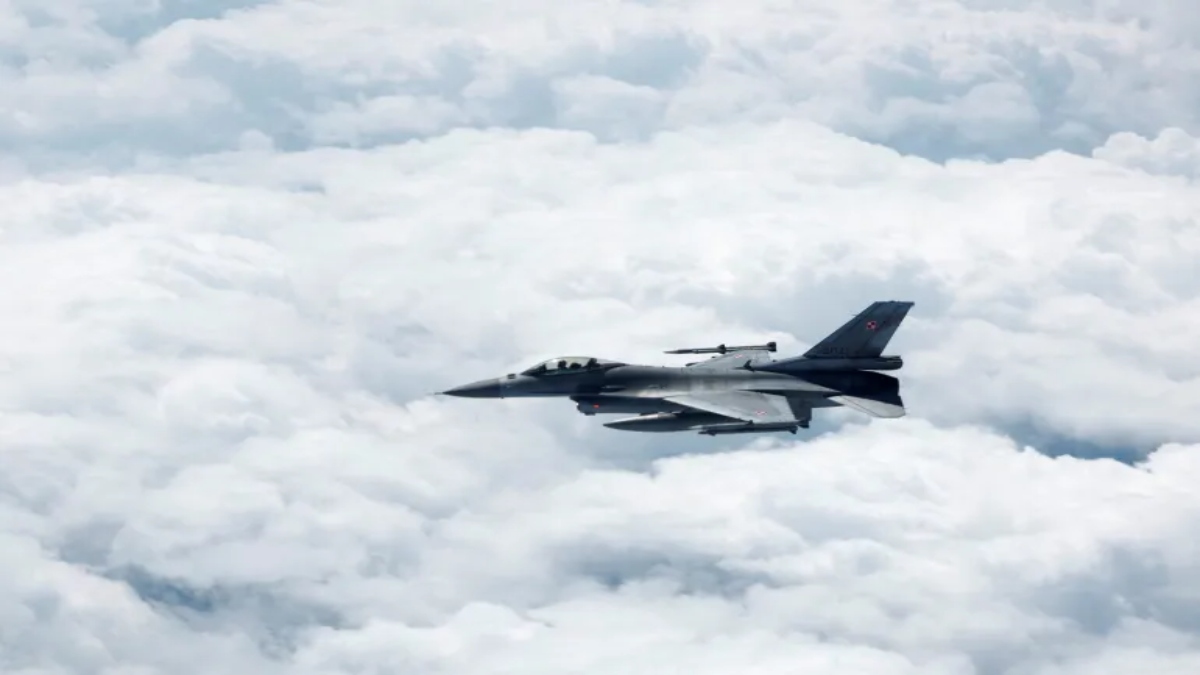 "As Trump shakes up Nato, Europe aims to go self-sufficient in weapon production")
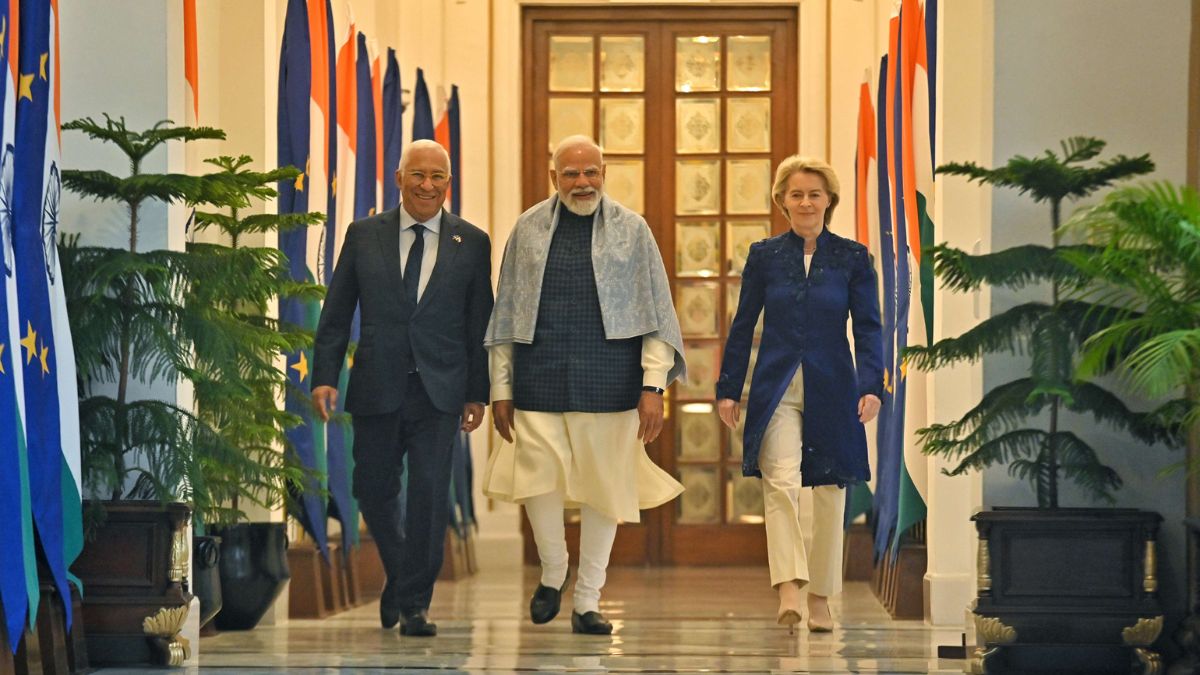 "With new security pact, India and EU eye win-win defence ties as US, China rival in arms race")
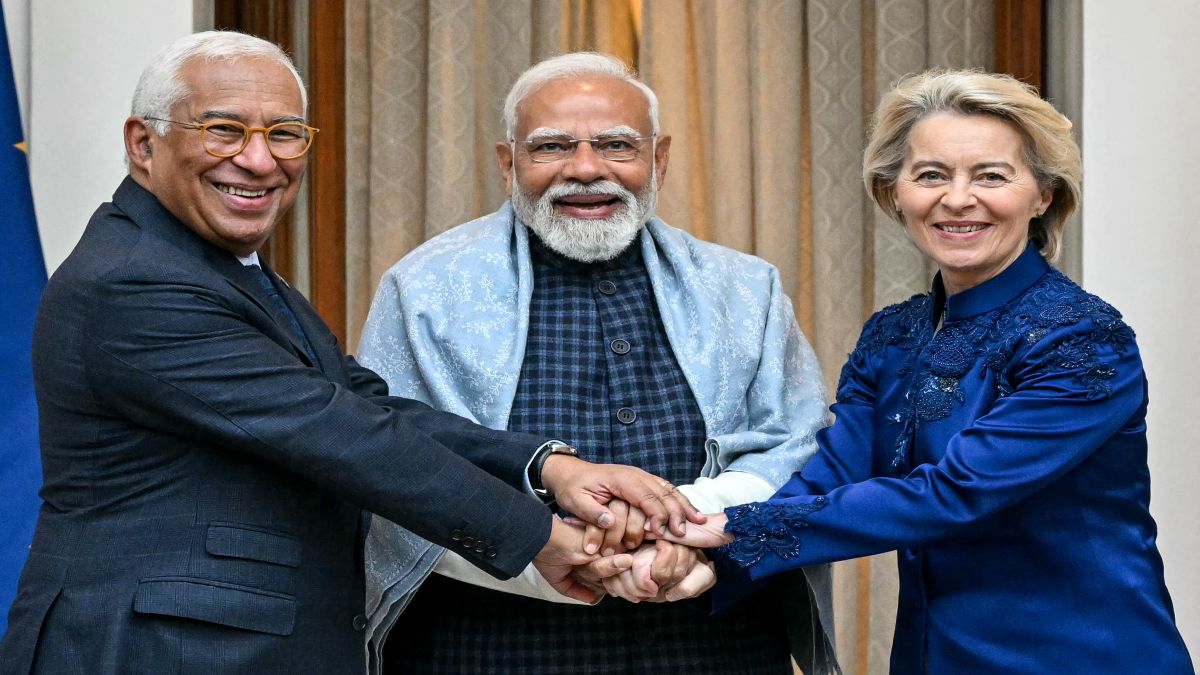 "Two billion people, one global order: How India-EU mega trade deal is a game changer")