

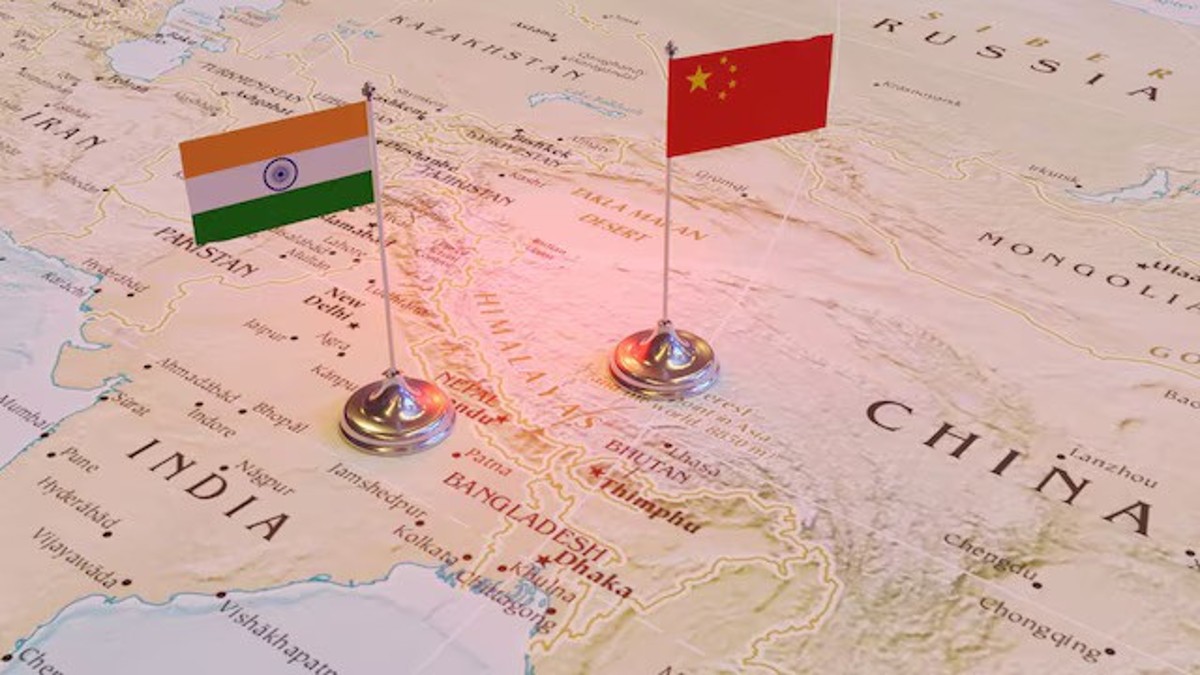
 "India and China look to improve ties, but Delhi’s cautious approach must continue in 2026")
China-India relations in 2025 remain anchored to the rupture of April-May 2020 following the Galwan clash. That episode altered the political and military foundations of the relationship and ended a period in which peace along the Line of Actual Control (LAC) was sustained through informal restraint and political signalling.
Five years later, the relationship has avoided escalation but remains fundamentally adversarial and militarised. Trust has not returned. Stability, where it exists, is the product of deterrence, sustained deployment, and disciplined engagement. What has emerged is not reconciliation, but management under pressure.
The Border as a Process, Not an Event
By 2025, the LAC has become a continuously managed security problem rather than an episodic crisis. Corps Commander-level talks in eastern Ladakh have settled into an institutional rhythm. These meetings have addressed friction points sector by sector, enabled limited disengagement in specific areas, and reduced the risk of tactical miscalculation. They have not altered the overall force posture on either side.
The persistence of these talks is of significance, considering the level of animosity that had been reached in 2020. They reflect a shared assessment that uncontrolled escalation would impose unacceptable costs. At the same time, their limited outcomes underscore the absence of political trust.
Forward deployments remain intact. Infrastructure development continues apace. Surveillance, logistics, and habitat improvements support permanent presence that is unlikely to dilute. The LAC now operates as a line of deterrence. Peace rests on readiness and visibility, not reassurance.
Political Engagement Without Illusion
Parallel to military dialogue, the political and diplomatic channels have opened progressively at the highest levels.
These exchanges have served a clear purpose: maintaining control over a volatile relationship while preventing diplomatic paralysis. Multilateral forums such as the Shanghai Cooperation Organisation and Brics have provided reliable sidelines for sustained official contact, without creating pressure for premature political outcomes. They have not produced a reset, nor have they diluted India’s security posture. The focus has remained on stability, risk reduction, and expectation management rather than dispute resolution.
Quick Reads
View AllChina’s preference for this equilibrium reflects strategic calculation. Prolonged uncertainty suits Beijing at a time when its own positioning vis-à-vis the United States remains unsettled. Open confrontation with India would accelerate India–US strategic convergence, while a fully normalised relationship would expand India’s room to consolidate comprehensive national power. Neither outcome aligns with China’s current interests.
Strategic Signalling and Multilateral Optics
2025 also produced moments of strategic signalling that extended beyond the bilateral channel. The image from the SCO summit, showing Prime Minister Narendra Modi alongside President Xi Jinping and President Vladimir Putin, carried meaning well beyond the meeting hall. For China, the year clearly reinforced the limits of isolating India within a polarised global order. For the US, it underlined India’s refusal to be subsumed within any single strategic camp. For Moscow, it signalled continuity in India’s independent posture despite global pressures.
Such optics demonstrated India’s willingness to operate across platforms without diluting its core security concerns. Multilateral engagement has thus functioned as strategic signalling rather than any strategic concession.
The India-US Factor and Narrowing Tolerance for Pressure
India’s China policy in 2025 has been shaped in part by changes in the India–US relationship. President Donald Trump’s return introduced sharper transactional expectations and reduced political warmth. Defence cooperation and technology engagement continued, but the broader tone shifted toward conditionality and pressure.
This has reinforced India’s reluctance to accelerate alignment in the India-Pacific at the cost of strategic autonomy. India has resisted being positioned as a frontline proxy against China, even while sustaining robust military cooperation with the United States.
A parallel shift has been visible domestically. Public response, particularly across India’s electronic media, has become more measured than during earlier phases of tension.
This is notable, given China’s past criticism of India’s media environment as escalatory. How Beijing interprets this moderation remains unclear. What is evident is that public opinion, media posture, and political signalling continue to shape perception management.
For China, this combination has reduced incentives for overt escalation, encouraging calibrated pressure and controlled engagement rather than confrontation.
The Neighbourhood as a Complicating Factor: Bangladesh
The regional environment has added another layer of complexity. Bangladesh has emerged as a potential trigger for persistent instability affecting India’s Northeast. Political churn, social mobilisation, and institutional strain have created space for grey-zone activity.
Current assessments point primarily to Pakistan’s ISI as the principal external instigator, with China maintaining a looser but consequential presence. The US has also been an indirect factor, operating through political influence and civil society networks. Taken separately, these activities remain below the threshold for direct response. Taken together, they generate sustained pressure and maintain a climate of unease.
For India, this matters in the China context. Managing the LAC becomes more urgent when the eastern flank is unsettled. The prospect of simultaneous pressure across multiple theatres reinforces the need to stabilise the northern border without compromising deterrence. In this environment, restraint is a strategic choice rather than a concession.
Economic Ties and Security Separation
Economic engagement with China has continued, but it is no longer allowed to shape India’s security decisions. Trade and investment considerations do not influence how India deploys forces, builds infrastructure, or manages the border. Border management, force posture, and operational readiness determine the relationship. Trade functions within these limits.
This separation has become structural. Commercial considerations do not shape military posture, and security assessments do not chase economic sentiment. The hierarchy of interests is clear and widely understood within the Indian system.
India’s Double Front Challenge
The China-Pakistan military relationship has also acquired sharper operational relevance in the aftermath of Operation Sindoor. China’s support to Pakistan during the crisis was not rhetorical; it addressed critical spatial and situational gaps in Pakistan’s military systems.
Access to space-based surveillance, targeting cues, and extended situational awareness helped compensate for Pakistan’s longstanding deficiencies in persistent intelligence, surveillance, and reconnaissance. This dimension has altered the operational balance more than platform transfers or diplomatic backing ever could.
For India, this reinforces the reality of a coordinated challenge rather than two discrete fronts. It underscores the need to view the northern and western theatres as interconnected in terms of information, space, and response timelines. Any assessment of Sino-Indian stability that ignores this China-Pakistan operational linkage would be incomplete.
Military-to-Military Contact and the Maritime Dimension
One dimension that remains deliberately constrained is the military-to-military relationship. There was a period when Indian and Chinese army units conducted joint exercises and confidence-building engagements. That phase belonged to a different strategic environment.
In the aftermath of 2020, a return to such activities is neither imminent nor advisable. Limited professional contact aimed at communication and crisis prevention has value; deeper training interaction would risk normalising a relationship that remains structurally adversarial.
At sea, however, the balance is evolving more visibly. The growing presence of the People’s Liberation Army Navy in the north-western Indian Ocean has added a maritime layer to the Sino-Indian competition. Regular deployments, port access arrangements, and undersea activity now form part of China’s extended strategic footprint.
India’s response cannot be episodic. Strengthening maritime surveillance, sustaining forward naval presence, and accelerating capability development are essential.
In this context, the ratcheting up of the Andaman and Nicobar Command assumes particular importance, as does the steady progress toward naval theatre integration. Control of maritime approaches, rather than episodic signalling, will increasingly shape deterrence in the Indo-Pacific space.
Approaching 2026
As India looks ahead to 2026, the central issue is whether the current stability can be sustained amid regional turbulence and global competition. China’s economic pressures and geopolitical commitments may encourage tactical stabilisation along the LAC. India’s response should remain measured and conditional.
Any easing must be incremental, verifiable, and reciprocal. The experience of 2020 has narrowed the space for assumption and elevated the premium on proof. Stability will depend less on diplomatic innovation than on endurance and discipline.
Sino-Indian relations in 2025 reflect a sustained effort to manage a competitive relationship under strain. Dialogue continues. Forward deployments remain in place. Political engagement is controlled and cautious. India has adapted to a strategic environment in which stability is maintained through preparedness and balance rather than trust. The relationship can progressively improve, and there is ample scope for it.
This approach does not promise resolution. It offers only durability. In the current regional and global context, durability is the more valuable outcome.
(The writer is the former Commander of India’s Srinagar-based Chinar Corps. Currently he is the Chancellor of the Central University of Kashmir and a member of the National Disaster Management Authority. Views expressed in the above piece are personal and solely those of the author. They do not necessarily reflect Firstpost’s views.)

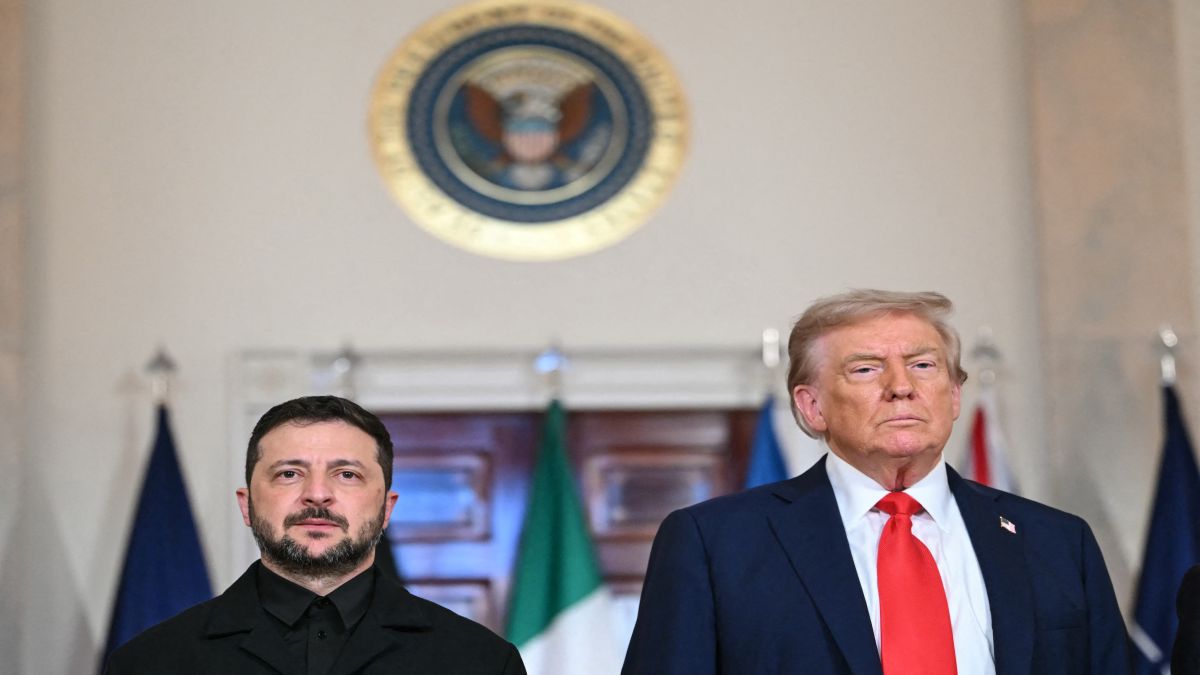 "Zelenskyy says he will meet Trump in ‘near future’, hopes for peace breakthrough 'before New Year'")
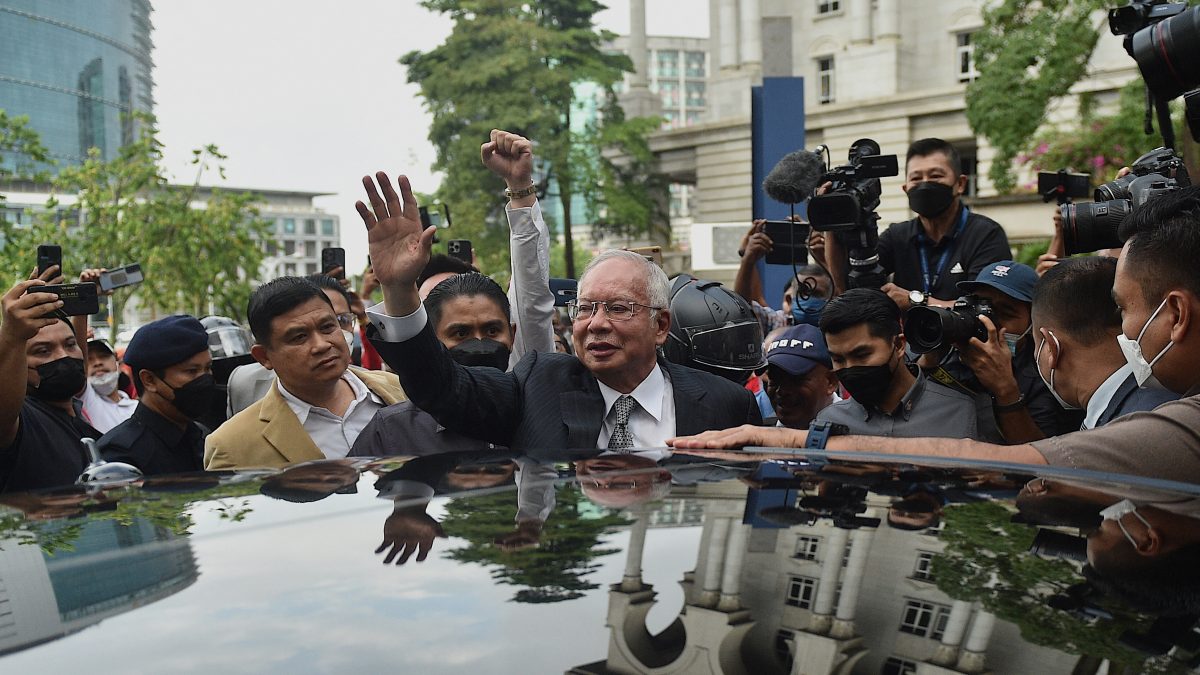 "Malaysia’s ex-PM Najib Razak convicted of abuse of power in second 1MDB trial")
 "14 injured in stabbing and liquid spray attack in Japan; suspect in custody")
 "Why Myanmar is holding elections despite being in a civil war")
 "Zelenskyy says he will meet Trump in ‘near future’, hopes for peace breakthrough 'before New Year'")
 "Malaysia’s ex-PM Najib Razak convicted of abuse of power in second 1MDB trial")
 "14 injured in stabbing and liquid spray attack in Japan; suspect in custody")
 "Why Myanmar is holding elections despite being in a civil war")



