"How Iran war is Pakistan’s worst strategic nightmare")
As we enter the second week of the US-Israeli war on Iran’s regime — following the joint airstrikes that began on 28 February — Pakistan should view the unfolding situation with profound anxiety. The conflict, now targeting Iranian military infrastructure, missile sites, nuclear facilities, and even oil storage depots and refining facilities, is raging on Pakistan’s western flank.
This places Islamabad in a precarious position, facing a dangerous convergence of economic shocks, heightened security threats, and intense diplomatic pressures. The war erupted with a massive initial wave of nearly 900 strikes in just 12 hours, killing Supreme Leader Ayatollah Ali Khamenei and dozens of other high-ranking officials, while aiming to degrade Iran’s air defences, missile capabilities, and nuclear programme. Subsequent days have seen continued bombardment, including recent attacks on fuel sites in Tehran linked to the IRGC, as well as strikes on nuclear-related infrastructure such as entrances at Natanz and facilities in Isfahan.
Iran has retaliated with missile and drone barrages targeting Israel, US bases, and Gulf states, leading to civilian casualties, disrupted air travel, and threats to close the Strait of Hormuz — a vital chokepoint for global energy trade. Iran’s leadership remains in flux, with the Assembly of Experts reportedly close to naming a successor amid warnings from Israel that any new supreme leader continuing the regime’s policies would also be targeted.
Economic Shock and Public Pressure
Pakistan’s most immediate vulnerability here is economic. The country imports three quarters of its oil, with a significant portion transiting through the Strait of Hormuz, which has faced severe disruptions and effective halts due to the conflict. Oil prices have surged dramatically — Brent crude has climbed well above $85 per barrel, with some reports indicating spikes towards $90 or higher amid fears of prolonged blockages. This threatens accelerated inflation, a widening current account deficit, and fresh pressure on the Pakistani rupee, even as an ongoing IMF programme seeks to stabilise the economy.
Panic buying and long queues at fuel stations have already emerged in cities across Pakistan, as citizens anticipate sharp price hikes. The government is reportedly considering emergency measures, including weekly petroleum price revisions, compensation for oil companies facing higher insurance and import costs, mandatory work-from-home policies to conserve fuel, and rerouting supplies through alternative paths such as Saudi Arabia’s Red Sea exports. Beyond fuel, elevated energy costs ripple through food prices, transportation, and electricity tariffs, disproportionately affecting the poorest households and raising the risk of renewed social unrest.
Remittances from over five million Pakistani workers in the Gulf states — accounting for more than half of annual inflows — also face jeopardy if the conflict escalates further. Iranian strikes on Gulf targets, including airports and infrastructure in the UAE, Qatar, Bahrain, and Kuwait, could endanger jobs, trigger large-scale evacuations, or disrupt banking and transfer systems. The presence of so many Pakistani labourers in the region, evident in everyday scenes across cities such as Dubai and Riyadh, underscores this deep exposure.
Industry leaders warn of potential 10-20 per cent drops in exports and increases in import costs, further straining the balance of payments.
Quick Reads
View AllSecurity Risks on a Fragile Frontier
The war intensifies security concerns along Pakistan’s lengthy, porous 900-kilometre border with Iran, particularly in Balochistan province. Analysts warn that instability in Iran could spill over, creating ungoverned spaces that embolden Baloch separatist groups such as the Baloch Liberation Army (BLA) and compound the existing militant threat from the Pakistani Taliban (TTP) along the Afghan frontier. Islamabad is already grappling with resurgent terrorism, deep political polarisation, and governance challenges; a new front of cross-border militancy would severely stretch its security forces.
Recent reports of increased movements from Iran into Balochistan, heightened border alerts, and potential refugee flows highlight the immediate risks. Additionally, the conflict carries the danger of deepened sectarian polarisation within Pakistan, where Sunni and Shia communities have coexisted uneasily. Past regional proxy struggles have fuelled violence, and a prolonged war — potentially framed in sectarian terms — could reactivate dormant networks, incite protests (as seen in street anger among Shia communities following Khamenei’s death), and further complicate internal stability.
Diplomatic Balancing Act
The war has upended Pakistan’s fragile diplomatic equilibrium among Washington, Tehran, Riyadh, and Beijing. Islamabad has condemned the US-Israeli strikes as “unwarranted attacks” in violation of international law, while also criticising Iran’s missile retaliation against Gulf states as “blatant violations of sovereignty”. This signals a desperate desire to remain neutral and avoid direct military involvement.
Yet Pakistan is bound by a defence pact with Saudi Arabia and has expressed “full solidarity” with Riyadh amid Iranian strikes on Gulf targets hosting millions of Pakistani workers. It must simultaneously reassure Iran that its territory will not be used against Tehran, maintain favour with the US and IMF for economic lifelines, and uphold security commitments to Saudi Arabia and other Gulf monarchies.
Pakistan’s participation in forums such as the US-led “Board of Peace” (which includes Israel) has drawn domestic criticism, with mounting calls to withdraw amid the conflict.
Strategic Compression and Limited Options
Pakistani strategists aptly describe the situation as “strategic compression” — overwhelming pressure from nearly every direction. To the west lies an unstable Afghanistan with Taliban-linked militancy; to the south-west, a volatile Iran now in turmoil; to the east, a hostile India watching closely; and to the north, heavy reliance on China as an economic and security partner through initiatives such as the China–Pakistan Economic Corridor (CPEC).
This leaves Islamabad with few viable choices. An open rupture with Iran is unaffordable given shared borders and historical ties, yet alienating the US, the IMF, or the Gulf states — which supply energy, loans, and employment for millions of citizens — is equally untenable.
In practice, Pakistan’s response involves intensified calls for a ceasefire and de-escalation at the UN and other forums, bolstered border security, diplomatic outreach to all parties, and urgent measures to shield the economy from fuel shocks, remittance declines, and trade disruptions.
For Pakistan, this is no distant geopolitical spectacle but a multidimensional stress test for an already fragile state. It is an economic storm driven by energy market chaos, a security squeeze along volatile frontiers, and a diplomatic maze requiring impossible balancing acts. It is, in essence, a perfect storm.
The war’s trajectory — potentially towards regime change in Iran, prolonged attrition, or wider regional escalation — will shape outcomes profoundly. Pakistan will not emerge unchanged when this conflict ends. The ramifications for India, America, China, and the broader region will demand close scrutiny, as the ripples from this crisis could redefine South Asian stability for years to come.
(David Vance is a political commentator and author. Views expressed in the above piece are personal and solely those of the author. They do not necessarily reflect Firstpost’s views.)

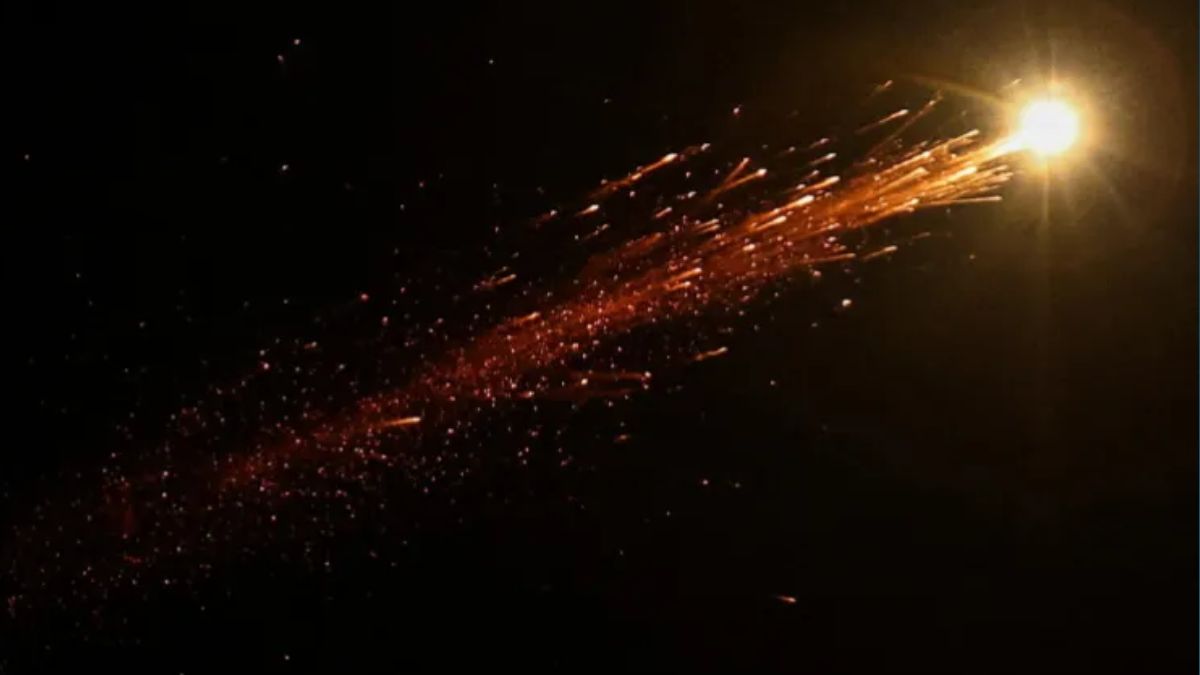 "US-Israel Iran War Live Updates: Blasts heard across Doha as Iran’s Gulf strikes enter 12th day; Qatar intercepts new missile attack")
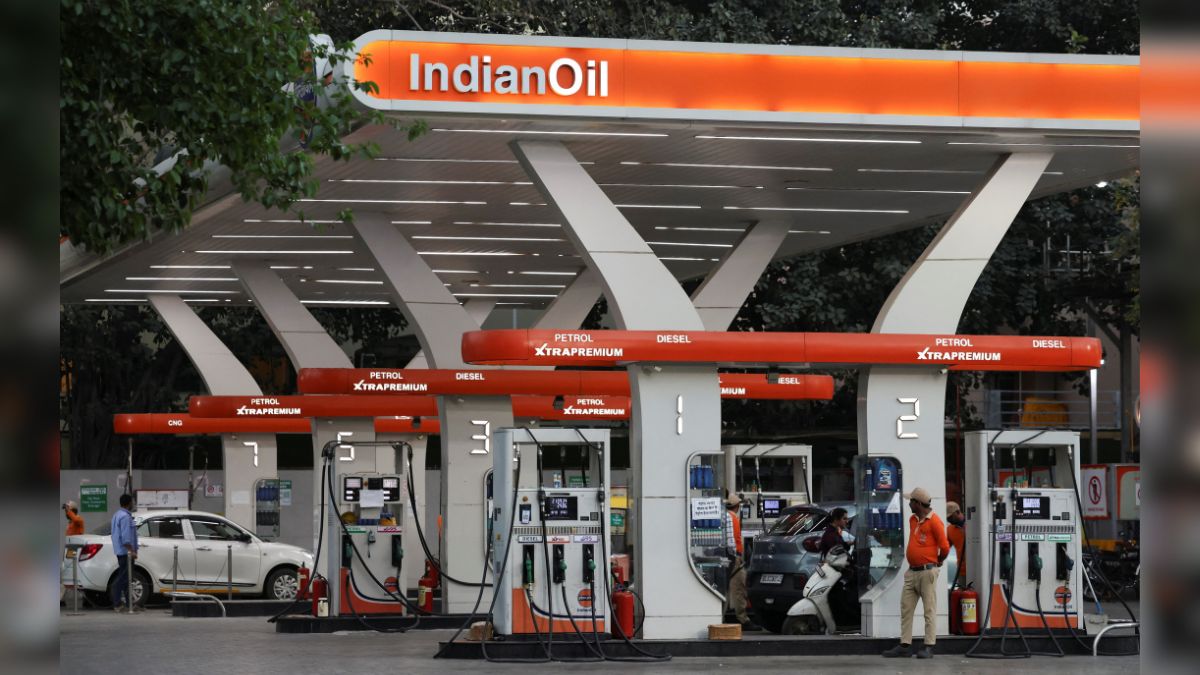 "Explained: Where does India get its oil and gas from?")
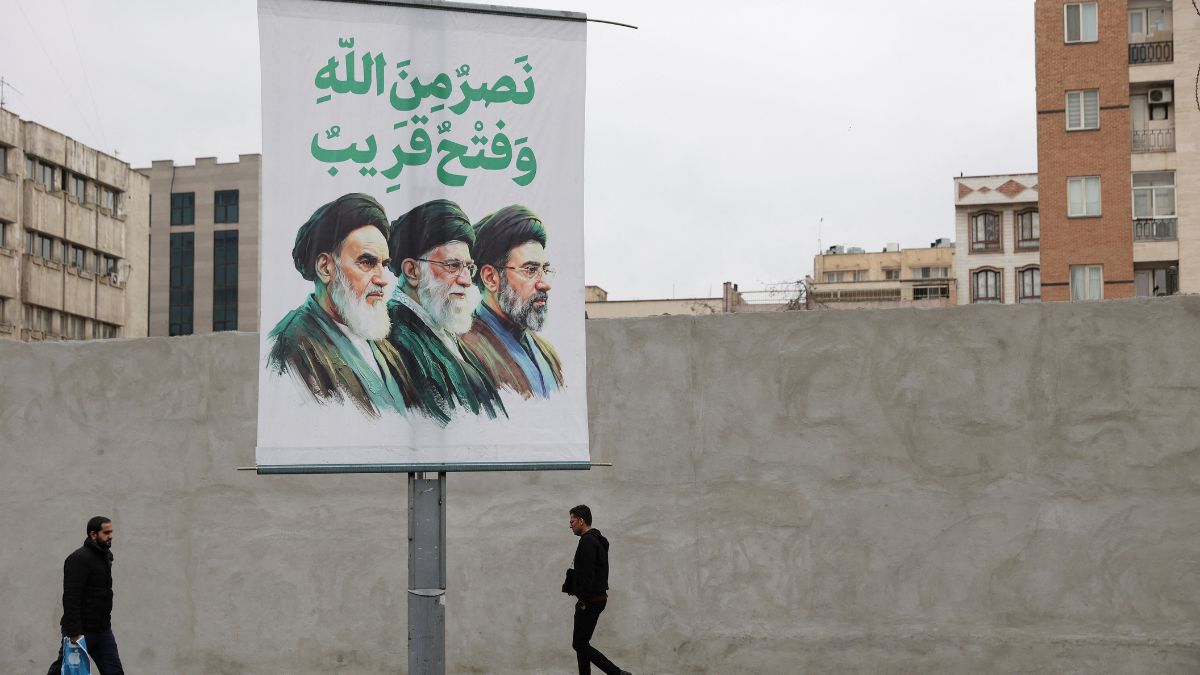 "Ayatollah Khamenei reportedly opposed son Mojtaba’s rise as Iran’s Supreme Leader")
 "Iran War: Oil to remain above $95 for next two months, says Trump administration")
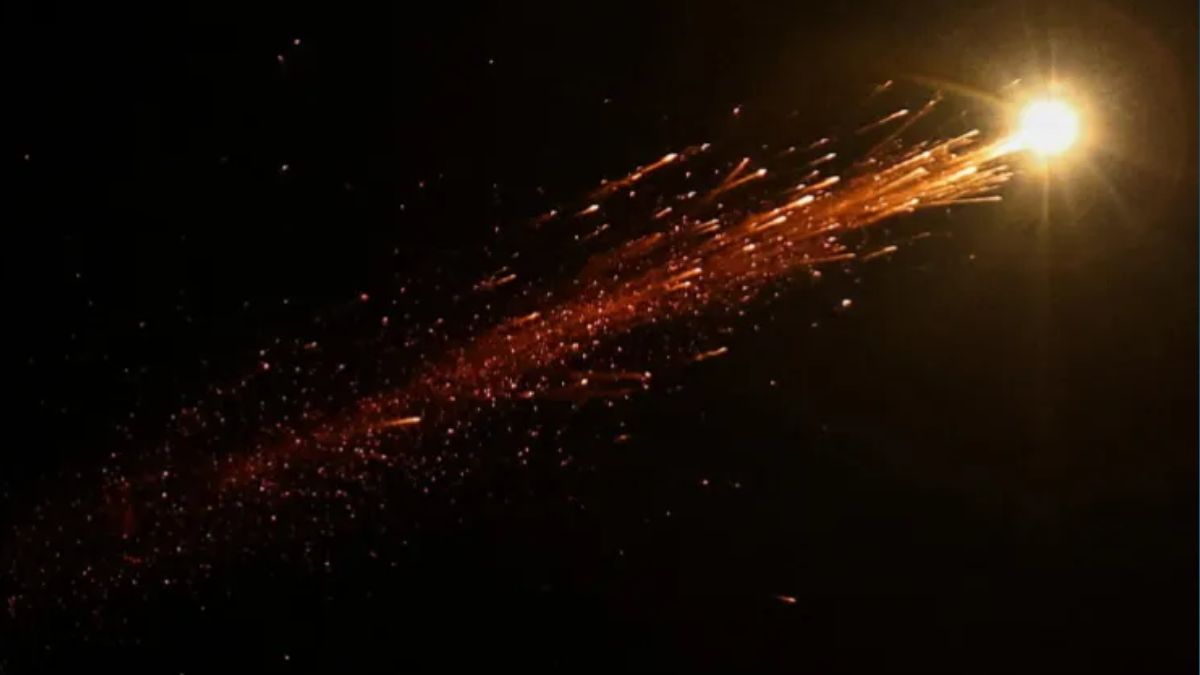 "US-Israel Iran War Live Updates: Blasts heard across Doha as Iran’s Gulf strikes enter 12th day; Qatar intercepts new missile attack")
 "Explained: Where does India get its oil and gas from?")
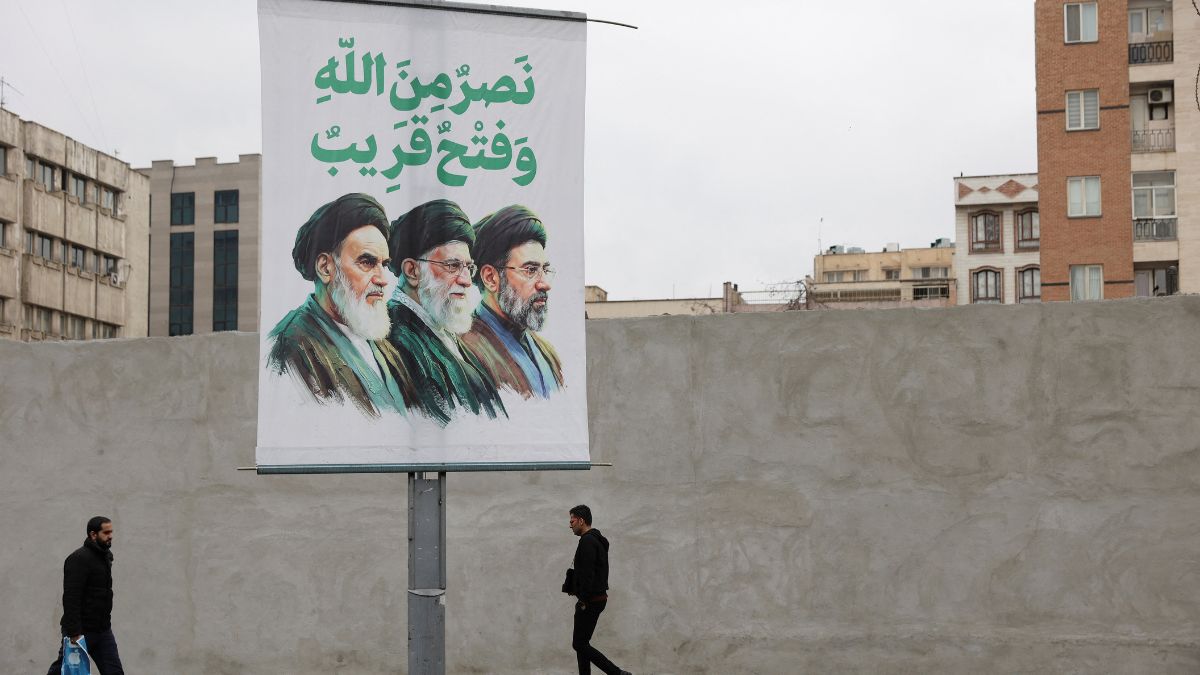 "Ayatollah Khamenei reportedly opposed son Mojtaba’s rise as Iran’s Supreme Leader")
 "Iran War: Oil to remain above $95 for next two months, says Trump administration")