

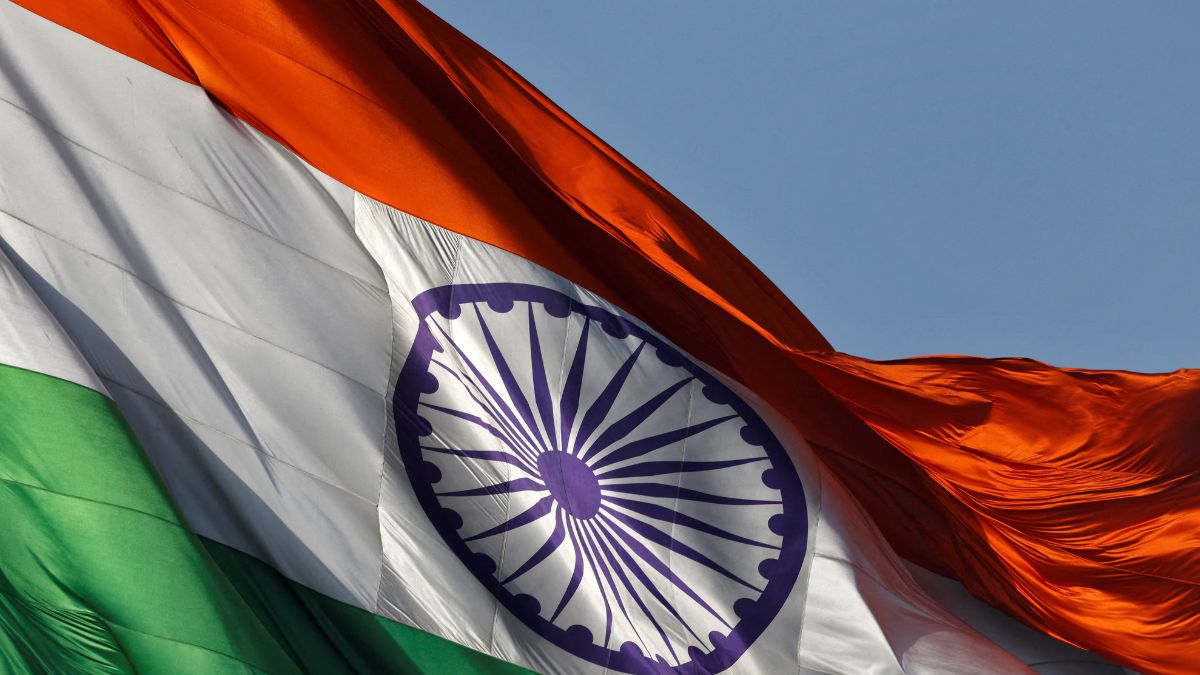
 "How India posted strong Q2 growth amid low-inflation tailwinds")
India’s GDP numbers for the July to September quarter confirm that the economy has maintained a strong expansionary trajectory through the first half of FY26. Real GDP grew by 8.2 per cent in Q2, up from 7.8 per cent in Q1, taking first-half growth to 8.0 per cent compared with 6.1 per cent a year earlier. At constant prices, GDP stood at Rs 48.63 lakh crore and GVA at Rs 44.77 lakh crore. Nominal GDP grew by 8.7 per cent to Rs 85.25 lakh crore, which, given the real print, reflects a very compressed implicit GDP deflator. This narrowed real–nominal gap is a distinct feature of the current cycle and is primarily driven by a sharp easing of both CPI and WPI inflation. The deflator effect has boosted real growth but has simultaneously weakened nominal momentum.
Sectoral performance shows clear strength in the secondary and tertiary segments. Manufacturing GVA expanded by 9.1 per cent, supported by higher output of coal, natural gas, cement and steel, and by improved corporate balance sheets reflected in listed company results. Construction grew by 7.2 per cent, maintaining its multi-year momentum on the back of public infrastructure projects and private real estate recovery.
Financial, real estate and professional services registered a strong 10.2 per cent expansion, indicating continued formalisation and digitalisation across financial intermediation and business services. Trade, hotels, transport and communications also grew above 7 per cent, consistent with high-frequency indicators such as air passenger traffic, rail freight and GST e-way bill generation. Electricity, gas and utilities recorded a slower 4.4 per cent, reflecting energy price dynamics and base effects. Agriculture and allied activities grew by 3.5 per cent, a modest performance given monsoon variability and its lagged effects on rural incomes.
On the expenditure side, private final consumption expenditure grew by 7.9 per cent, higher than the 6.4 per cent seen in the corresponding quarter last year. Gross fixed capital formation increased by an estimated 9 to 10 per cent, supported by public capex and early signs of a private investment pickup in manufacturing, utilities and renewables. However, the composition remains narrow and capital formation has not yet broadened to mid-sized firms in manufacturing.
Quick Reads
View AllExports and imports both showed higher volumes due to front-loading ahead of the United States’ 50 per cent tariff deadline, which inflates Q2 numbers but may unwind in subsequent quarters. Government final consumption expenditure declined by 2.7 per cent, which is a significant soft spot in the data and reflects restrained revenue growth and the normalisation of post-election fiscal operations. This contraction in government spending stands in contrast to the otherwise broad-based momentum in the economy and may limit countercyclical support in the second half.
The low nominal growth rate presents a second area of concern. With nominal GDP expanding by only 8.7 per cent in Q2 and 8.8 per cent in H1, revenue buoyancy is running behind targets. Gross tax collections for April to October have grown just 4 per cent, far short of the required run rate implied by the full-year assumption of 10.1 per cent nominal growth. Corporate profit growth, too, may moderate if pricing power remains weak due to low inflation. Given that fiscal arithmetic depends on nominal rather than real output, the Centre and states may face tighter budgetary constraints in the coming months, particularly if subsidy outgo rises due to agriculture or energy-sector pressures.
Externally, three risks remain salient. First, the United States’ punitive tariffs of up to 50 per cent on selected Indian goods present a direct challenge to labour-intensive export segments such as textiles, gems and jewellery, and processed foods. Second, sluggish global demand, especially in Europe and China, limits upside potential for merchandise exports. Third, geopolitical uncertainty continues to constrain global trade and capital flows, with potential implications for India’s current account and currency stability. Although services exports have provided a cushion, the merchandise trade balance will remain sensitive to commodity price swings and tariff-related disruptions.
Despite these headwinds, India’s medium-term outlook is supported by an emerging policy reform agenda. A major deregulatory push is underway through the high-level committee chaired by the Cabinet Secretary, focused on reducing compliance burdens, harmonising regulations, modernising approvals and expanding risk-based governance across ministries. Such reforms typically improve ease of doing business first and translate into growth benefits with a lag, but the expected scale of simplification could materially strengthen firm-level productivity.
The ongoing GST rate rationalisation, which created transitional effects during Q2, is expected to stabilise consumption and strengthen compliance through Q3. Lower rates on mass-consumption items are already feeding into higher disposable incomes and improved sentiment. Over the next year, progress on bilateral trade arrangements, including the potential for a limited agreement with the United States, may help restore predictability to India’s external environment, particularly if tariff exposure is structurally reduced.
India’s macroeconomic environment therefore combines strong domestic momentum with identifiable pressure points. The challenge ahead lies in sustaining private consumption, broadening investment, restoring fiscal space through higher nominal growth and strengthening rural demand to complement urban consumption. The ongoing reforms in deregulation, GST streamlining and external-sector engagement can play a critical role in addressing these structural constraints.
(The author (X: @adityasinha004) writes on macroeconomic and geopolitical issues. Views expressed in the above piece are personal and solely those of the author. They do not necessarily reflect Firstpost’s views.)


 "Jaishankar warns misuse of biological weapons by non-state actors is no longer a 'distant possibility'")
 "In China, you can't even be angry over a fire that killed 151?")
 "Breaking News Live Updates: Lok Sabha adjourned for the day amid opposition's uproar over SIR")
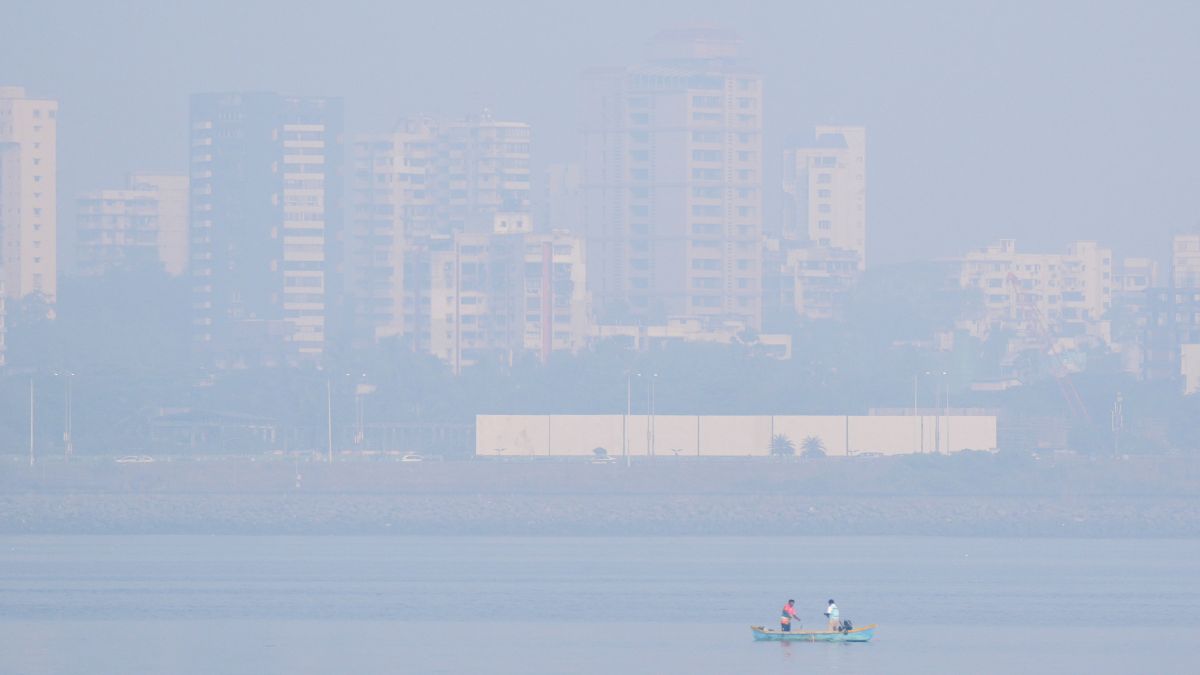 "Mumbai vs Delhi: Which city has the more toxic air?")
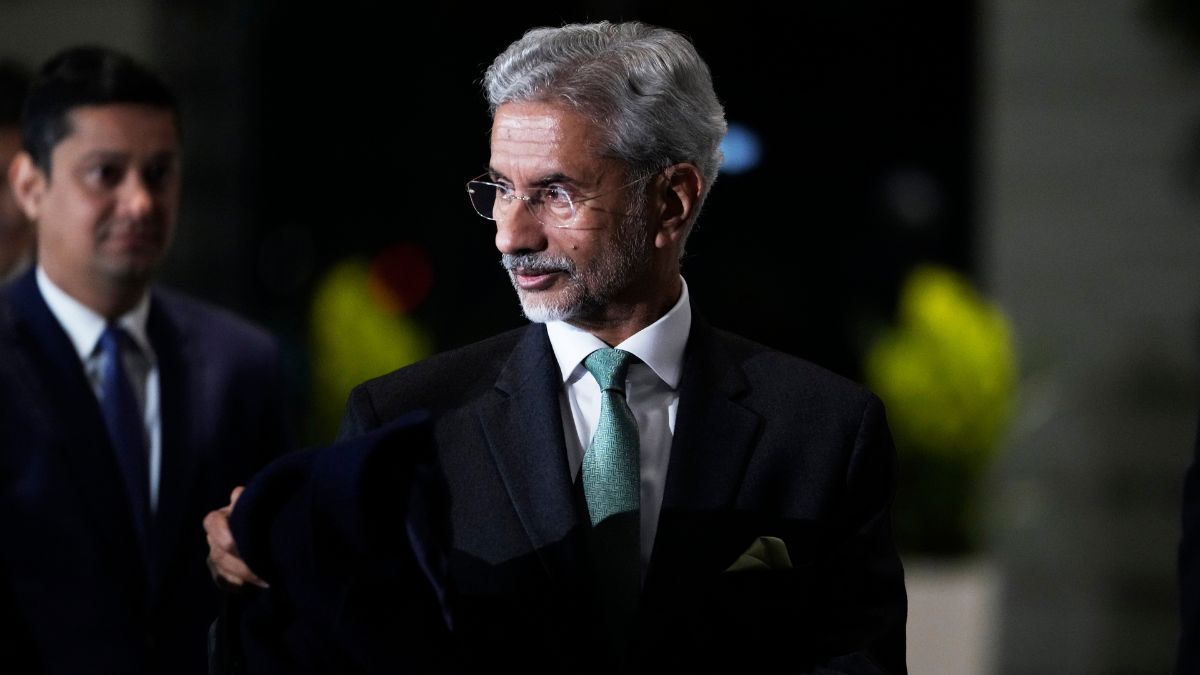 "Jaishankar warns misuse of biological weapons by non-state actors is no longer a 'distant possibility'")
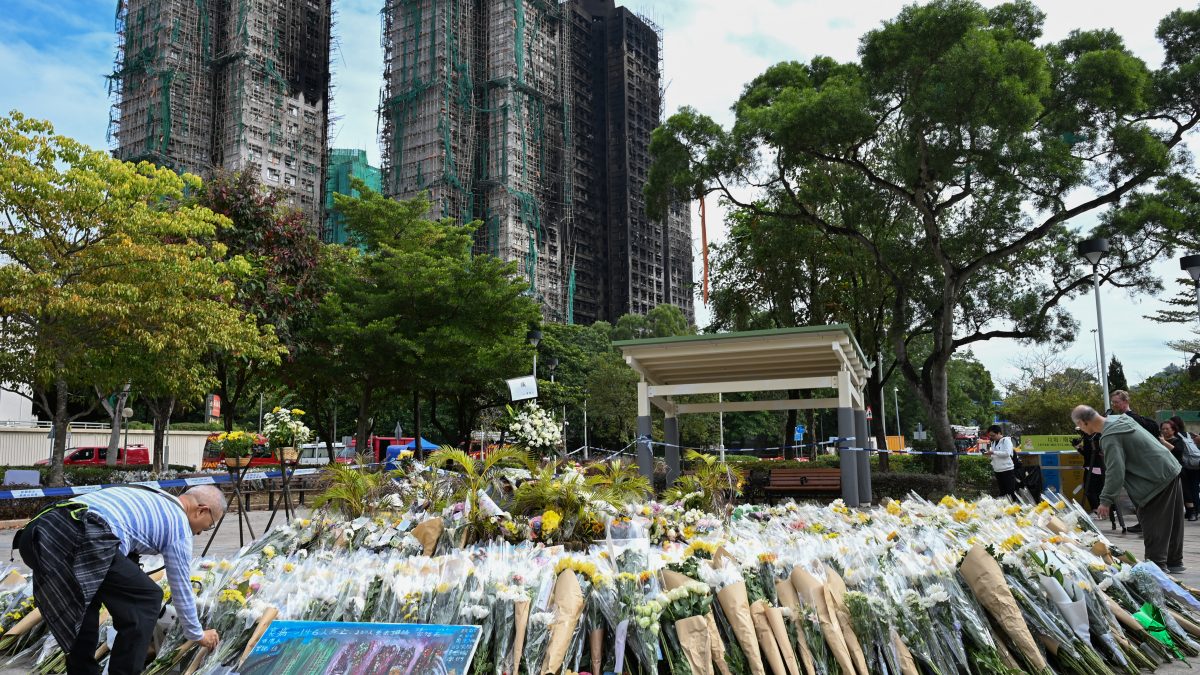 "In China, you can't even be angry over a fire that killed 151?")
 "Breaking News Live Updates: Lok Sabha adjourned for the day amid opposition's uproar over SIR")
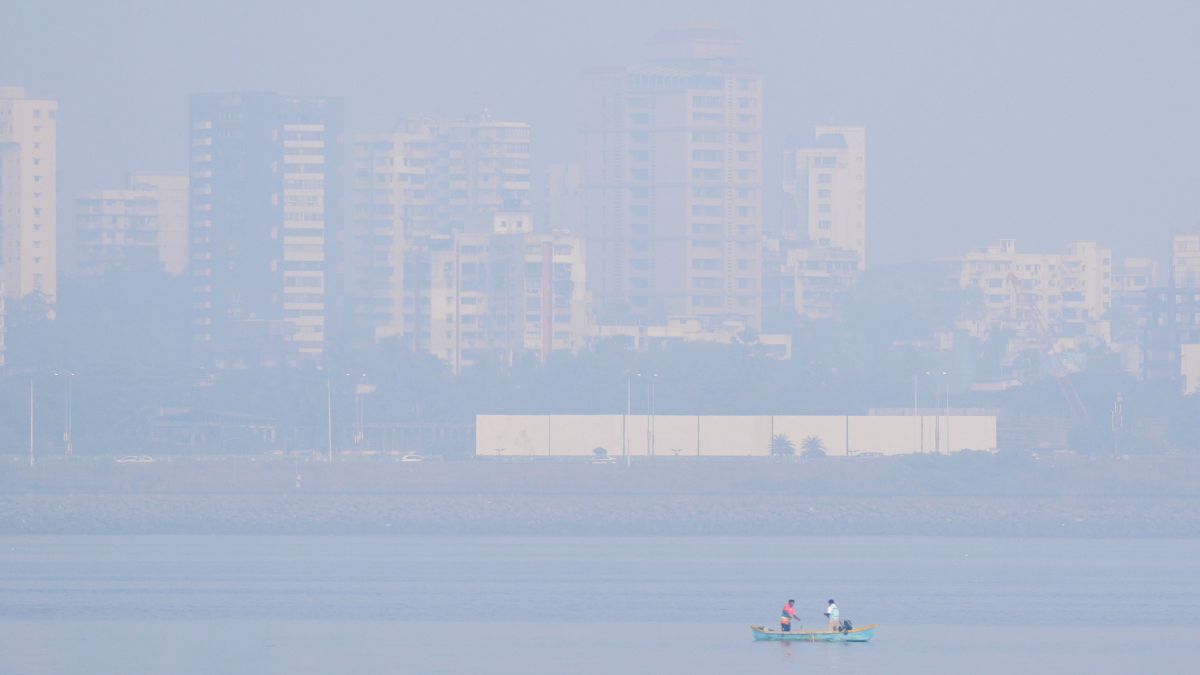 "Mumbai vs Delhi: Which city has the more toxic air?")



