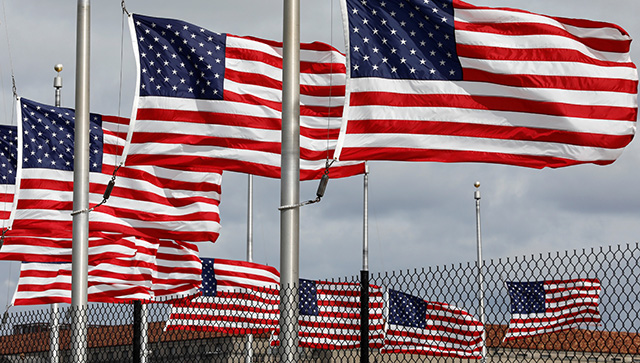
 "Domestic politics, not national interest, guides American foreign policy")
Ideological positions have been historically indispensable for American governments to garner citizen support for their militarily interventionist policies. Dwight Eisenhower’s Domino Theory that feared the rise of Communism across Asia allowed the country to wage war in an impoverished colonised nation, test chemical weapons on some of the most destitute and get its veterans addicted to heroin. More importantly, internal political considerations prolonged a war American citizens were tired of.
Henry Kissinger’s ambitions allowed for increased bombing of Vietnam, Laos and Cambodia. It gained him the legacy of the Nobel “Peace Prize” for the signing of the Paris Peace Accords. The Accords, and peace, failed two years later. War propaganda of the times helped in the siphoning off of $168 billion from taxpayers, a cost partly still recurring as compensations to Vietnam war veterans and their families continue. The human costs are in millions of Vietnamese and Cambodian bodies, removed from the American gaze, and covered up by the gloss of Hollywood. In a template tested and established, The Nobel Peace Prize was also used to cement the legacy of former president Barack Obama as a broker of peace, shortly after which he oversaw the deaths of merely a few thousand civilians in West Asia, in addition to the deaths of American soldiers on foreign soil.
Carrying on the legacy of George W Bush who began the “War on Terrorism” that spawned more terrorist organisations, Obama’s approach to war and foreign policy overlapped enough to establish the US as the watchdog of the world. Pragmatism dictates that it is often necessary for spheres of influence to be managed to protect or benefit a nation, especially one as geopolitically important as the US. Interventions in areas strategically relevant based on trade, diaspora, defence are understandable. Yet, continuous wars detrimental to the overall American economy, policies that affect allied nations negatively, and which allow dictatorships to thrive as Americans perish on their soil are beyond the scope of pragmatic national interest.
A “values-based” world order seemed to be coming forth from Obama, which included the US patronising dictators on one hand while bombing Muslim nations on the other. His speeches on human rights were carried forth far and wide in media frenzies, while the photographs of civilians bombed in Yemen made for easily missed footnotes in mainstream messaging. Despite winning his first term as an antiwar crusader, Obama’s actions did not deter voters from re-electing him. America was now a bastion of perceived racial equality, with art and academia, comedy and news reinforcing the same, and a president tokenistically reflective of the awakening.
Gaining citizen trust in government decisions has been paramount for the democratic nation and explains their use of the media as an arm of the establishment. Belief systems of American citizens have thus been moulded by news and media over the decades, allowing support for wars and coups and revolutions in faraway nations, causing reproductive health, masks, and vaccines to move beyond medical policies to become ideological cornerstones. What is politically expedient internally, though, is not necessarily suitable for national interest.
Quick Reads
View AllThe constant reinforcement of messaging to amass support and taxpayer funds for wars in faraway nations, based on false premises, is a phenomenon that is increasingly being challenged and its reasoning questioned. Corporate lobbying in strategically important segments of defence and pharma flourishing at the cost of the economy as well as citizen welfare is a matter of domestic politics, too tied to gains for politicians and policy influencers. Gradually understood to be far removed from the common good, social media has opened avenues to allow for less restricted discussions around artificially imposed ideologies. Yet, these ideologies, instead of policies, allow political blocs to thrive, dividing citizens based on their support for faraway wars and lockdowns, instead of inflation and employment.
The Democrat establishment under Biden has differed from the Obama administration in its support for Israel under Netanyahu. Yet, with the war in Gaza being prolonged and a fractured State Department, the messaging is confused. With elections on the way, President Joe Biden’s affinity toward Israel may be seen as detrimental to domestic Democrat positioning. With the Democrat stance on a “values based” global order, America cosying up to the terror state of Pakistan combined with the propagation of Khalistani terrorism towards India in the US seems poised to reinforce domestic messaging as “standing for human rights”, regardless of how many human lives such positioning endangers. With a regime change sought and encouraged against Prime Minister Sheikh Hasina in Bangladesh as well, domestic lobbies are all that benefitted, while American citizens are an afterthought. Foreign policy at the behest of shadowy lobbies, executed by a schizophrenic State Department has been the signature of American diplomacy over the last few years.
The one country it benefits is China, a looming threat now in the throes of economic discontent itself, offering a little time and relief to the world. At the same time, the US is already imagining military interventions to stem Chinese interests in Taiwan, while gauging interest from allies for such a mission. As with all wars involving America, it is likely to be a “with us or against us” messaging in another country that does not involve “us”, as in Americans. As with such interventions, war profiteering will soar, at the cost of US taxpayers, while the same taxpayers vote for politicians who stoke such wars. Strategic intervention is a dream sold with a dash of panic, while forever wars are the reality American citizens are forced to vote for. It is a quagmire too sticky to navigate out of, and yet, foreign policy guided by the concerns of a few, using the language of tokenistic domestic politics cannot be expected to benefit the American people. If instead of national interest, lobbies and elections guide American foreign policy, the messaging of the world’s watchdog will remain confused, and stand for nothing.
The author is a columnist at several Indian publications such as NDTV, FirstPost and CNN-News18, and hosts a podcast on geopolitics and culture. She writes about international relations, public policy and history, and posts on X on her handle @sagorika_s. Views expressed in the above piece are personal and solely that of the author. They do not necessarily reflect Firstpost’s views.
Read all the Latest News, Trending News, Cricket News, Bollywood News,
India News and Entertainment News here. Follow us on
Facebook,
Twitter and
Instagram.

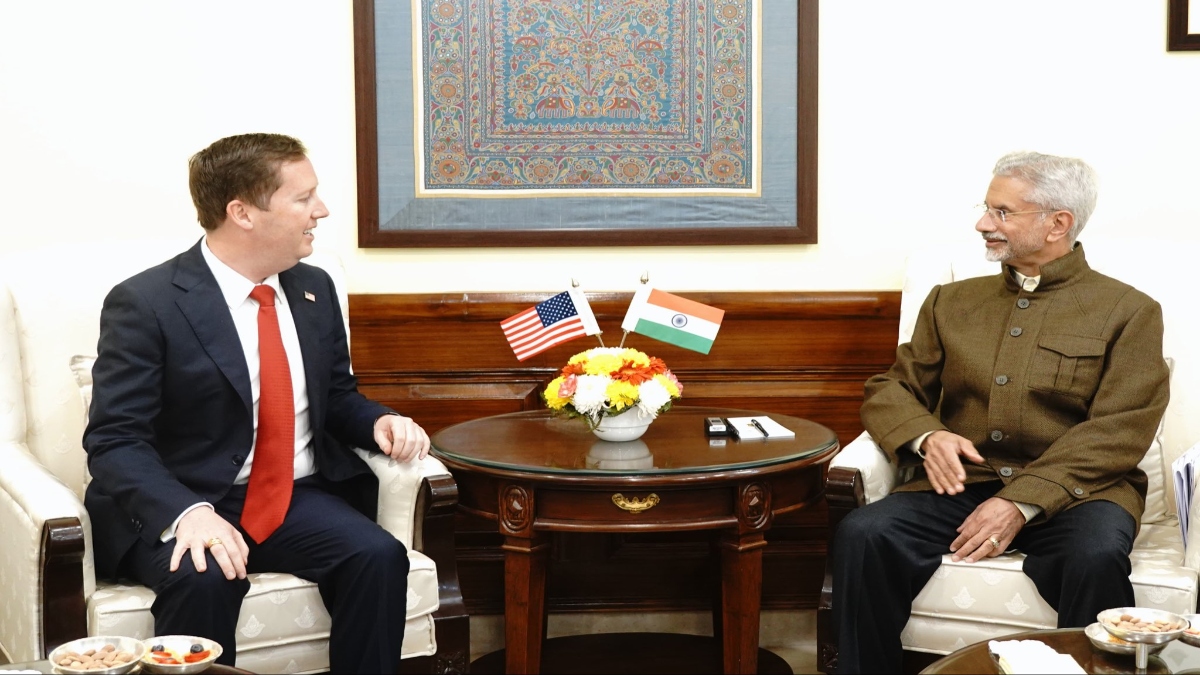 "Jaishankar meets Sergio Gor ahead of US visit, says discussed 'many dimensions of our partnership'")
 "As Trump shakes up Nato, Europe aims to go self-sufficient in weapon production")
 "EU to list Iran’s Revolutionary Guards as terrorist group alongside al-Qaeda and Hamas")
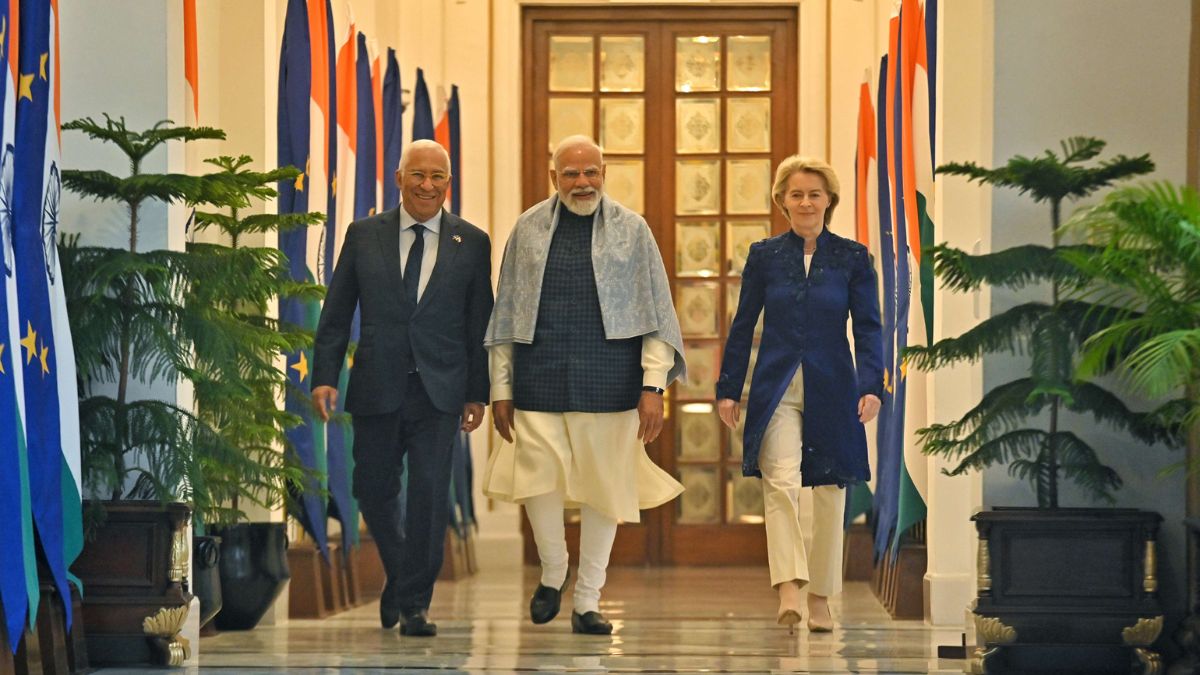 "With new security pact, India and EU eye win-win defence ties as US, China rival in arms race")
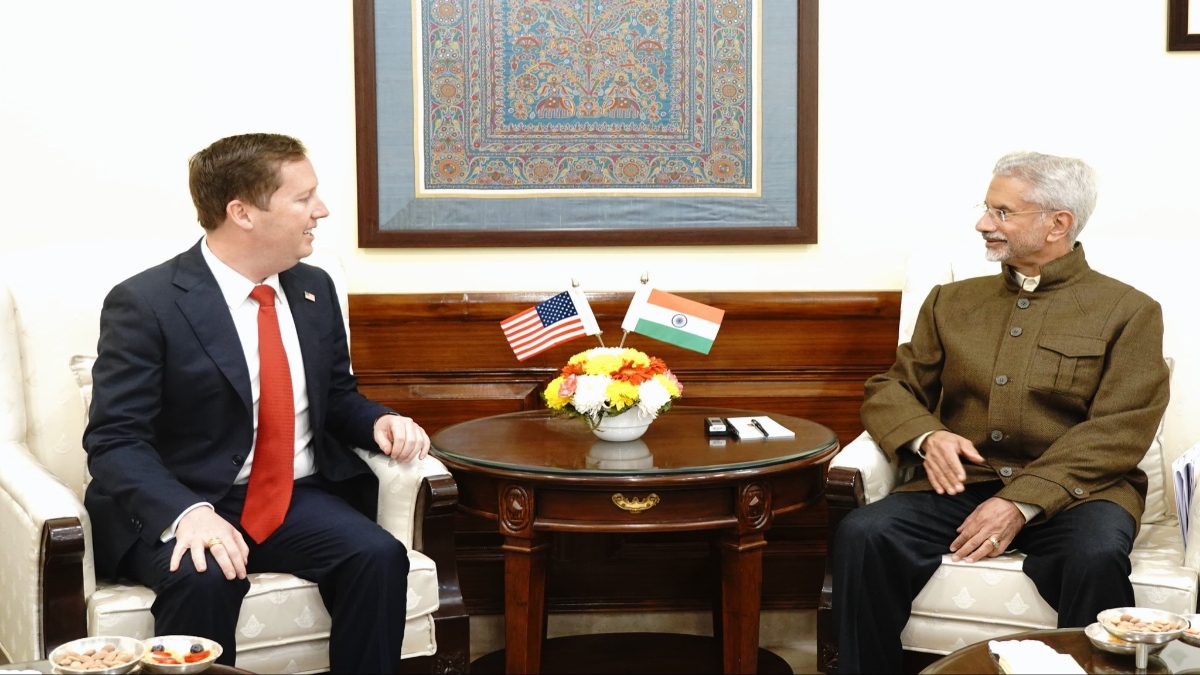 "Jaishankar meets Sergio Gor ahead of US visit, says discussed 'many dimensions of our partnership'")
 "As Trump shakes up Nato, Europe aims to go self-sufficient in weapon production")
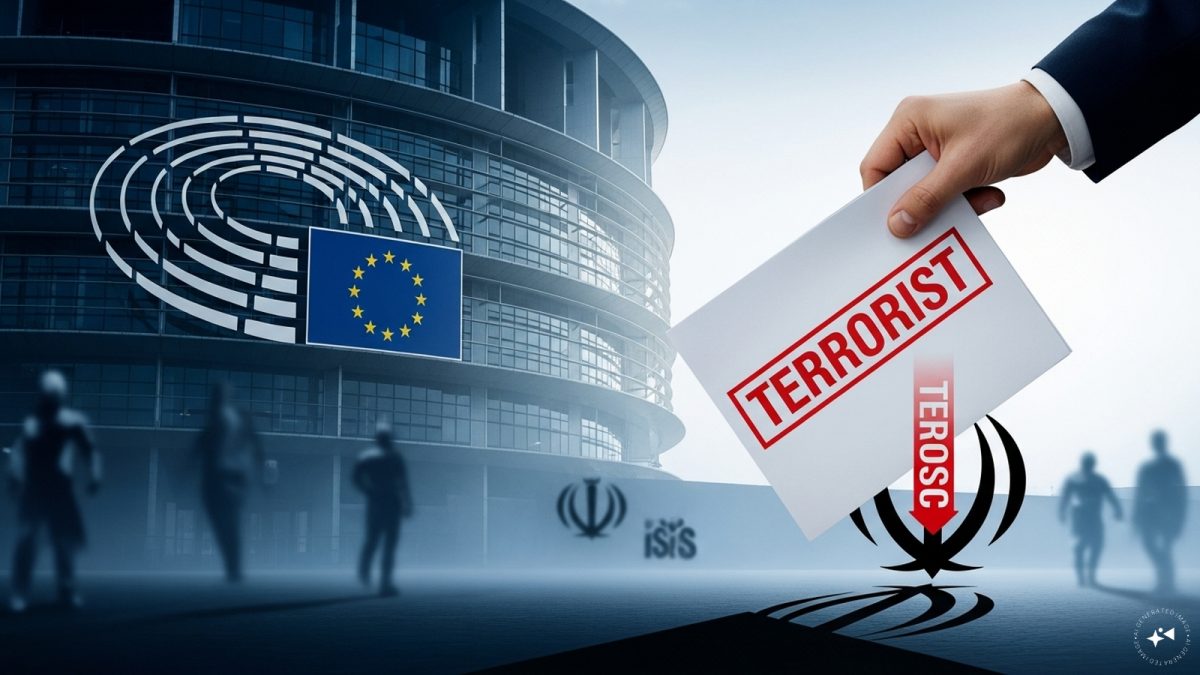 "EU to list Iran’s Revolutionary Guards as terrorist group alongside al-Qaeda and Hamas")
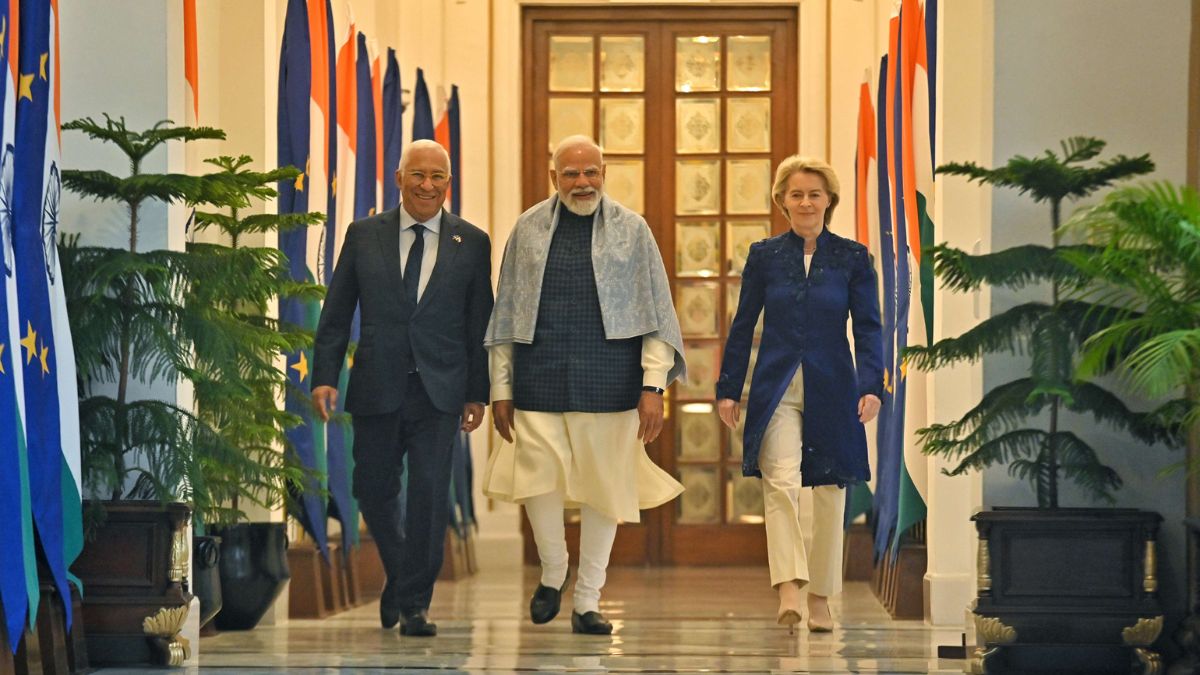 "With new security pact, India and EU eye win-win defence ties as US, China rival in arms race")