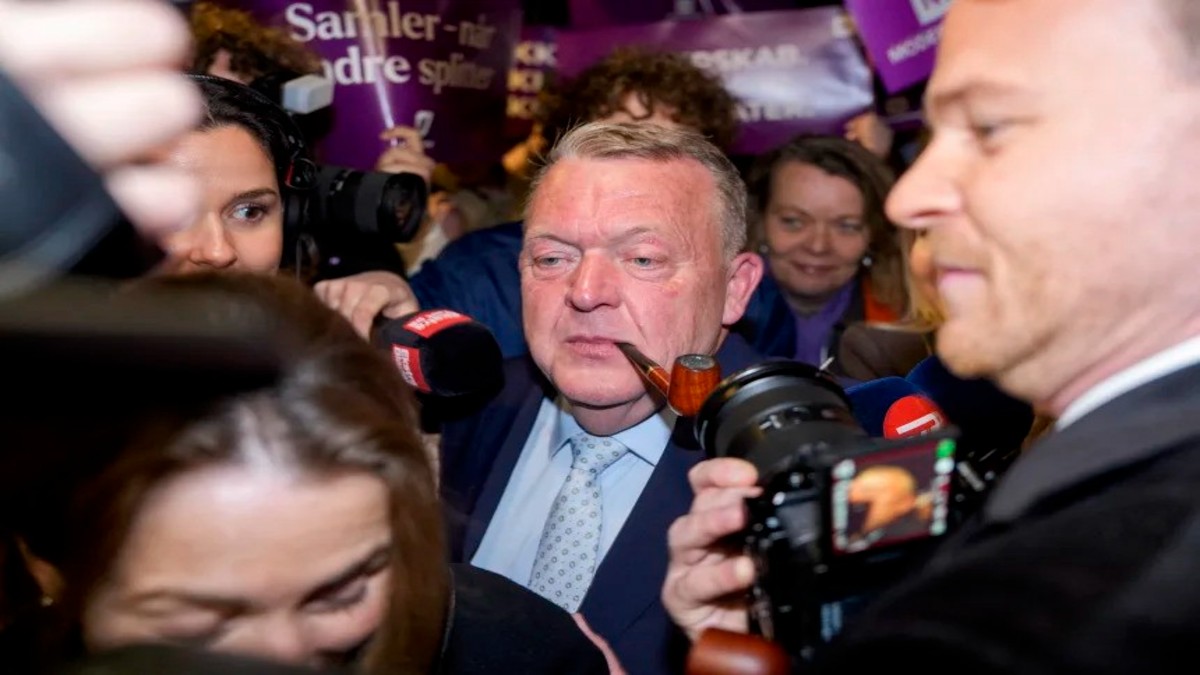
 "Denmark elections: Moderates emerge as kingmaker in historically fragmented mandate")
On March 24, 2026, the Kingdom of Denmark held a general election for its unicameral national parliament. Of the 179 seats on the ballot, 175 were for Denmark proper, 2 for Greenland, and 2 for the Faroe Islands.
Altogether, 4,303,429 citizens were eligible to vote, and voter turnout was 83.98 per cent. The previous election was held in November 2022, and the Danish parliament is elected to serve four-year terms—so the next election was not due until late 2026 at the earliest. Nonetheless, Prime Minister Mette Frederiksen called the snap election to capitalise on a poll bounce following the Greenland crisis with the United States, triggered by President Donald Trump’s renewed ambitions toward the territory.
Key Parties in Fray
In the 2026 election, 12 parties were on the ballot seeking representation in the Folketing. Beyond the 12 mainland parties, four additional overseas seats were contested by parties from Greenland and the Faroe Islands, bringing the total number of participating parties across the Danish Realm to around 16.
Red Bloc (left of centre): The traditional centre-left grouping, comprising the Social Democrats, Green Left (SF), Red-Green Alliance, social liberals, and The Alternative.
Blue Bloc (right of centre): The traditional centre-right grouping, comprising Venstre, Liberal Alliance, Danish People’s Party, Conservatives, Denmark Democrats, and the Citizens’ Party.
The Moderates (centrist kingmaker): The Moderates are not part of either the red or blue bloc. With neither bloc reaching a majority, Lars Løkke Rasmussen’s centrist Moderates became the kingmaker in this election.
Overseas parties: Four parties represent the semi-autonomous regions of the Faroe Islands and Greenland: Sambandsflokkurin and Javnaðarflokkurin for the Faroe Islands, and Inuit Ataqatigiit and Siumut for Greenland. These parties do not generally align with the mainland blocs.
Quick Reads
View AllKey Issues
Despite the Greenland crisis triggering the election, the campaign was ultimately decided on domestic bread-and-butter issues:
Cost of living and the economy: Frederiksen’s support had previously waned as the cost of living rose—pensions and a potential wealth tax were prominent campaign issues. Danish voters appeared most concerned about a cost-of-living crisis and inequality.
Clean drinking water and environment: Political parties largely focused on domestic issues, including the state of the economy, clean drinking water, and food and fuel prices.
Immigration: The far-right Danish People’s Party campaigned on barring Muslim immigration.
Taxation and welfare: Venstre campaigned on tax cuts and stricter immigration rules, while Liberal Alliance ran on lower taxes and cutting bureaucracy.
Green transition: The pace of the green transition divided the left and right blocs, with Green Left pushing for faster climate action.
Animal welfare: This issue emerged prominently, particularly regarding the treatment of farm pigs, and cut against the governing Social Democrats.
Greenland and security: Frederiksen called the election hoping to capitalise on her handling of Trump’s Greenland threats. However, Greenland was not a significant campaign issue because there is broad agreement on its place in the kingdom, and after Trump backed down on tariff threats, technical talks on an Arctic security deal had already begun.
The Big Picture
The 2026 election confirmed a broader fragmentation of Danish politics, with gains spread across parties on both the left and right rather than concentrated in any one bloc. The resulting parliament is the most fragmented in modern Danish history.
Fragmented
The 2026 election will be remembered for a historic feature: all 12 parties on the ballot won representation in the Folketing, including Borgernes Parti, which enters parliament with four seats. This is the first time since the electoral threshold was introduced in 1953 that every party on the national ballot gained representation. The result underlines the fragmentation of Danish politics: traditional large parties weakened, and support is now spread across a broader, more competitive party landscape.
Winner and Loser
The election ended without a clear governing majority. Socialdemokratiet remains the largest party but from a historically weak position. Venstre suffered an unprecedented setback, recording its worst result in history. Neither the red nor the blue bloc can govern alone, and the Moderates remain central to forming a government.
The Social Democrats won 38 seats with 21.9 per cent of the vote, while the red bloc fell six seats short of a majority at 84, and the blue bloc secured 77 seats. The Moderates’ 14 seats make them the decisive kingmaker in coalition talks.
Analysis
Ahead but the weakest result since 1903: Frederiksen’s Social Democrats, with 38 seats, are ahead but in a historically weakened position, marking the worst result since 1903.
Venstre at historic nadir: Venstre won 18 seats (10.1 per cent), the worst result in its history, yet it remains the largest party in the blue bloc. Party leader Troels Lund Poulsen highlighted their symbolic primacy but faces limited manoeuvring room.
Winners among mid-sized parties: Socialistisk Folkeparti (SF) gained five seats, Dansk Folkeparti rose to 16 seats, Liberal Alliance to 16, Conservatives to 13, and both Enhedslisten and Radikale Venstre gained seats.
The Final Equation
The red bloc stands at 84 seats, six short of a majority. The blue bloc has 77 seats, and the Moderates hold 14. No prime-ministerial candidate can form a majority alone; coalition negotiations will now decide the government.
Confusion But Not Chaos
While the results show unprecedented fragmentation, Denmark is accustomed to minority governments and broad parliamentary deals. However, any durable government will likely require moderates’ participation or a broader cross-bloc arrangement.
What Next
The outgoing government submitted its resignation. Party leaders debated positions and are expected to meet Danish King Frederik X to discuss the future. It is unclear which bloc will secure a majority. Prime Minister Frederiksen remains optimistic: “I have been responsible for this wonderful country for almost seven years, and I am still ready to take on responsibility as Denmark’s prime minister.” Tough coalition negotiations could take days or weeks.
The Kingmaker
Frederiksen’s survival may now depend on negotiating a deal with centrist leader Lars Løkke Rasmussen. To lead a new coalition after Tuesday’s elections, she must negotiate strategically with the Moderates to form a government.
(The author is a multi-disciplinary thought leader with Action Bias and an India-based impact consultant. He is President of Advisory Services at BARSYL. Views expressed are personal and do not necessarily reflect Firstpost’s position.)

 "US-Israel-Iran War Live Updates: Multiple drone strikes hit Kuwait airport, damage radar")
 "Qatar acquits Indian Navy veteran Purnendu Tiwary but keeps him jailed, family seeks PM Modi's help")
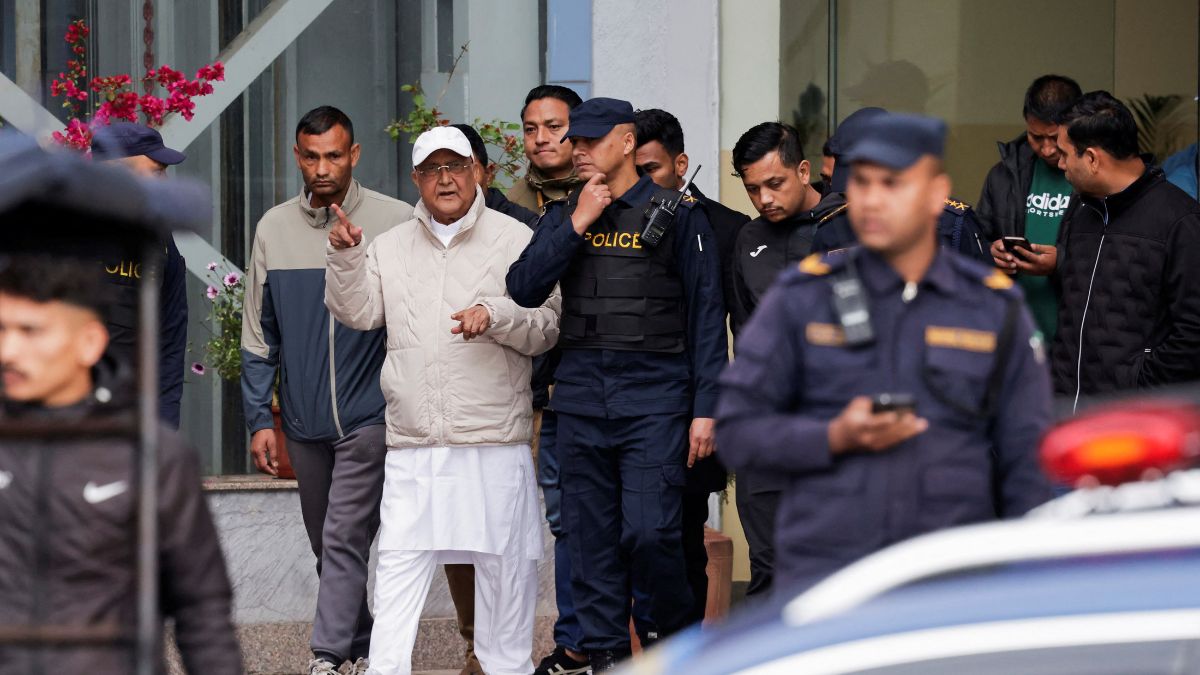 "Who is Nepal’s ex-PM KP Sharma Oli, arrested over deadly crackdown on Gen-Z protests?")
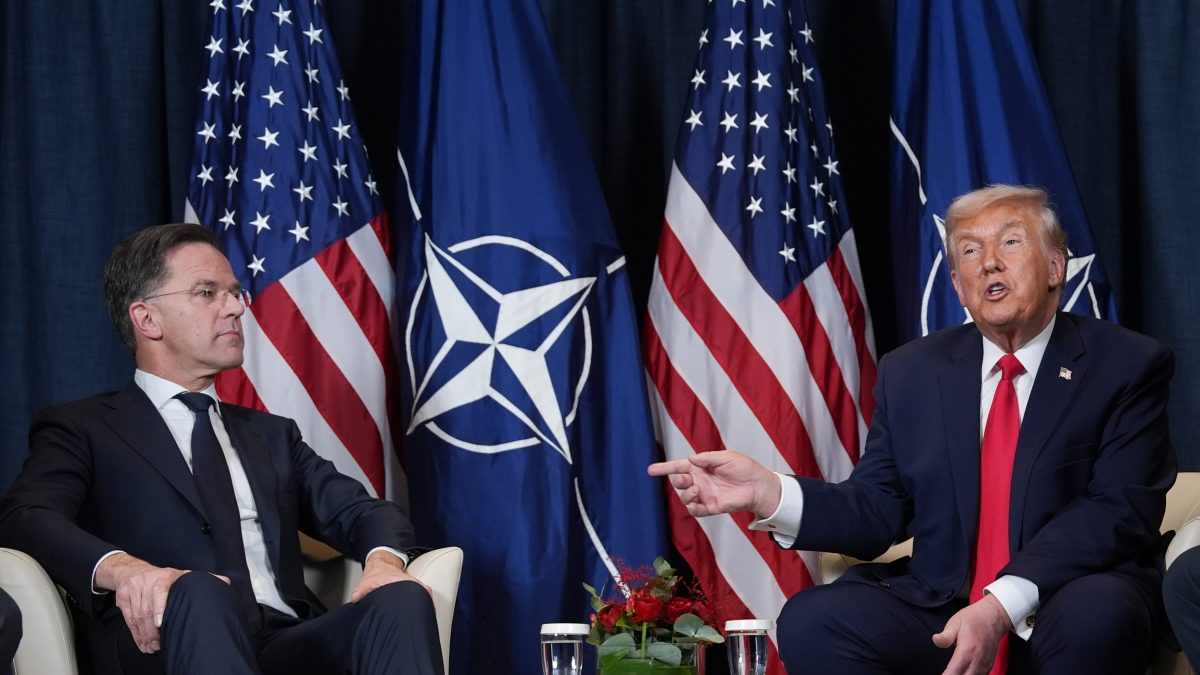 "'We don't have to be there': Trump ratchets up attacks on Nato after facing isolation in Iran War")
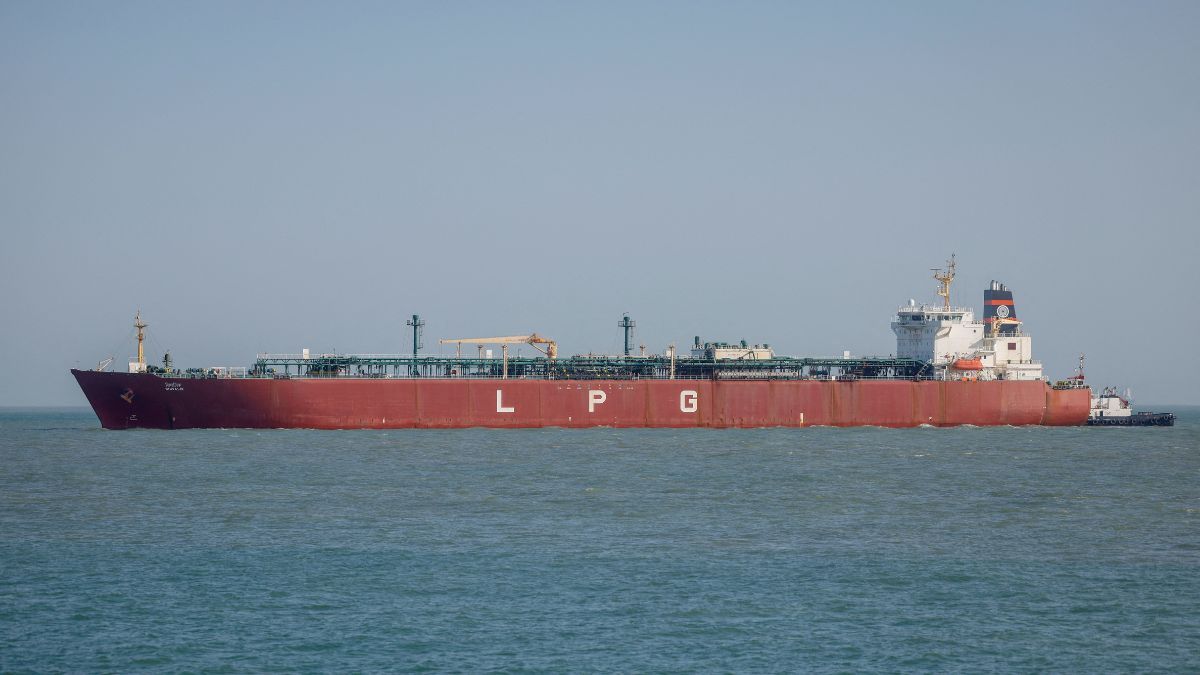 "US-Israel-Iran War Live Updates: Multiple drone strikes hit Kuwait airport, damage radar")
 "Qatar acquits Indian Navy veteran Purnendu Tiwary but keeps him jailed, family seeks PM Modi's help")
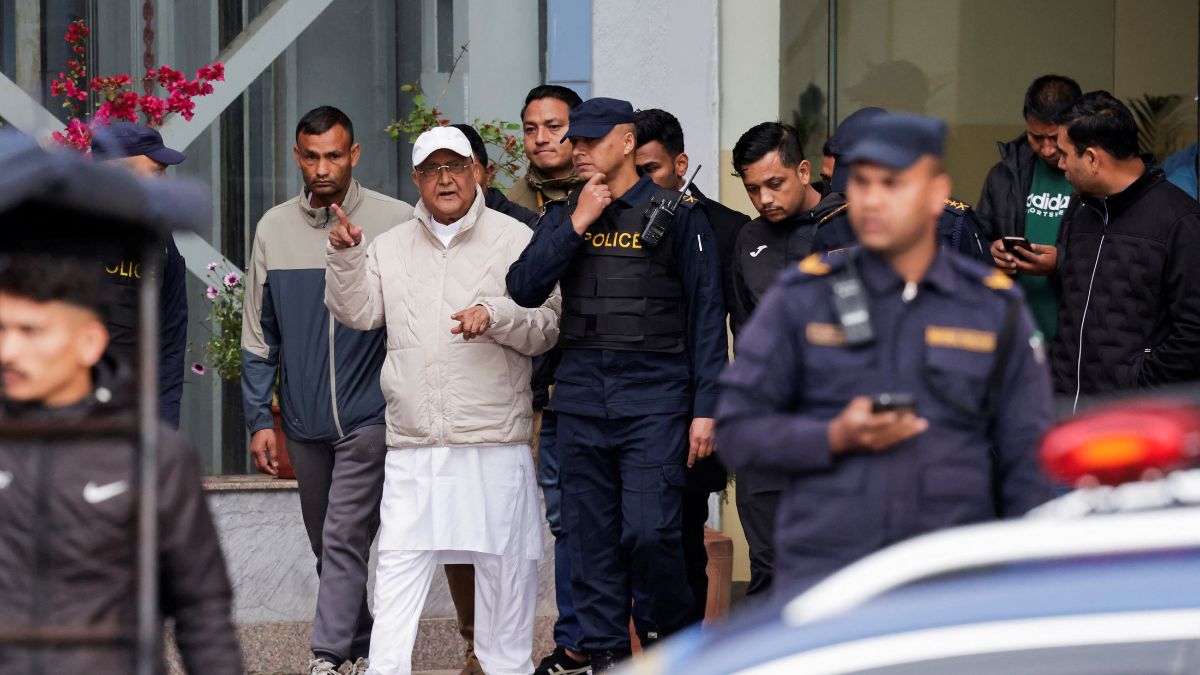 "Who is Nepal’s ex-PM KP Sharma Oli, arrested over deadly crackdown on Gen-Z protests?")
 "'We don't have to be there': Trump ratchets up attacks on Nato after facing isolation in Iran War")