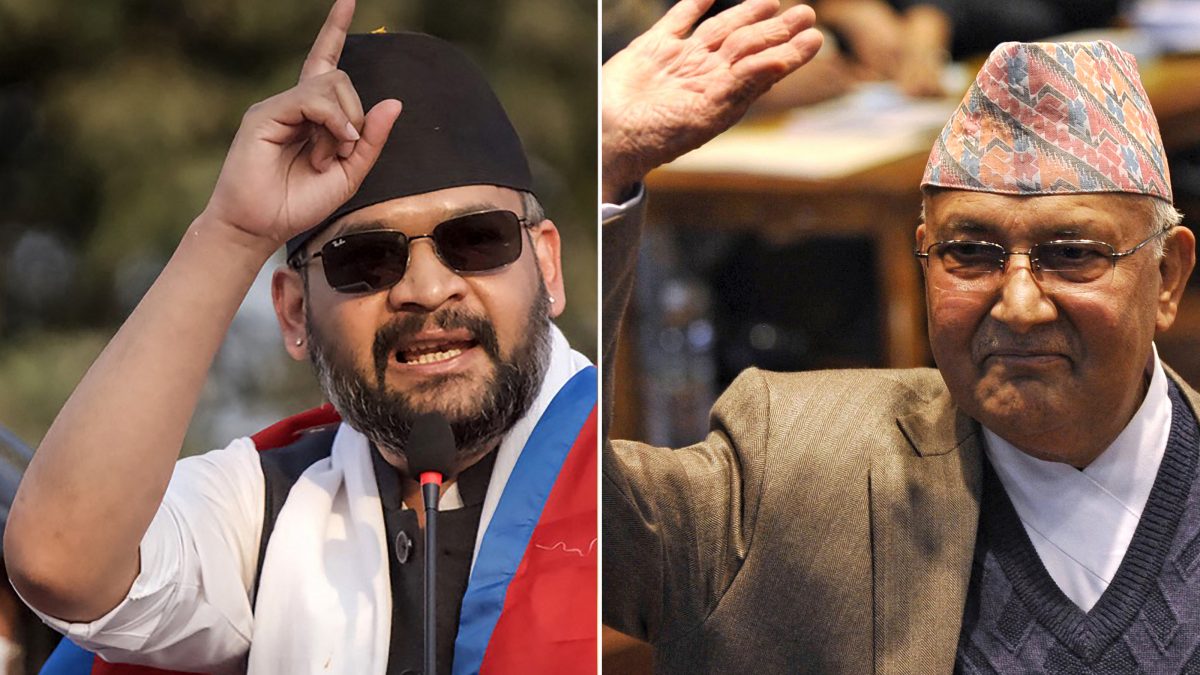
 "Nepal ex-PM Oli arrested over deadly Gen Z protest crackdown day after Balen Shah's oath")
Former Nepal Prime Minister KP Sharma Oli was arrested early on Saturday in connection with a culpable homicide case linked to the violent crackdown on the September 2025 Gen Z protests that led to his ouster from power. The development comes a day after Balen Shah took over as Prime Minister.
The arrests follow the recommendations of a high-level probe panel that investigated the violence during the anti-corruption protests. The panel recommended prosecuting Oli for failing to prevent the crackdown.
Former Home Minister Ramesh Lekhak was also detained in the same case. Both leaders were taken into custody from their residences in Bhaktapur and are likely to face charges carrying a prison term of up to 10 years.
Kathmandu Valley police spokesperson Om Adhikari confirmed the arrests, saying the process would proceed as per law. The arrests were made based on the recommendations of a commission led by former Special Court judge Gauri Bahadur Karki, according to The Kathmandu Post.
#WATCH | Former Nepal Prime Minister KP Sharma Oli taken into custody from his residence in Gundu, Bhaktapur, by Nepal Police.
— ANI (@ANI) March 28, 2026
According to the Kathmandu Post, "he has been arrested in connection with a culpable homicide-related case linked to the alleged suppression of the… pic.twitter.com/S0zrAmPUFV
Minutes after Oli’s arrest, newly appointed Home Minister Sudan Gurung said, “A promise is a promise” and asserted that no one is above the law. In a post on X, he added, “This is not revenge against anyone; it is just the beginning of justice. I believe that now the country will take a new direction.”
Nepal witnessed a massive youth-led uprising, dubbed the ‘Gen Z revolution’, in September 2025, driven by anger over governance failures, corruption, unemployment and political instability during Oli’s tenure.
Over 70 people, including at least 19 young individuals, were killed during the anti-corruption protests on September 8 and 9 last year. The unrest, initially triggered by a brief social media ban, quickly escalated into nationwide protests fuelled by long-standing economic grievances. Parliament and government buildings were set ablaze, eventually leading to the collapse of the Oli government.
Following the unrest, Nepal’s first female chief justice Sushila Karki briefly led an interim government after coming out of retirement, a phase widely seen as stabilising in the country’s fragile democratic transition, before Balen Shah assumed office.
After Shah’s electoral victory, a panel was constituted to probe the violence. At its first Cabinet meeting on Friday, the new government decided to implement the commission’s report, which recommended up to 10 years’ imprisonment for those found responsible, including Oli and Lekhak, citing negligence during the protests despite holding high office.
The commission noted that while it was “not established that there was an order to shoot”, there was also “no effort made to stop or control the firing”, and that negligence led to the deaths of several people, including minors.
The panel also recommended action against several other senior officials, including then Inspector General of Nepal Police, Chandra Kuber Khapung.

 "US-Israel-Iran War Live Updates: Trump says 'they just weren’t there' as he slams Nato allies over Hormuz crisis")
 "'Another 3,554 targets left': Trump says war with Iran is 'not over yet'")
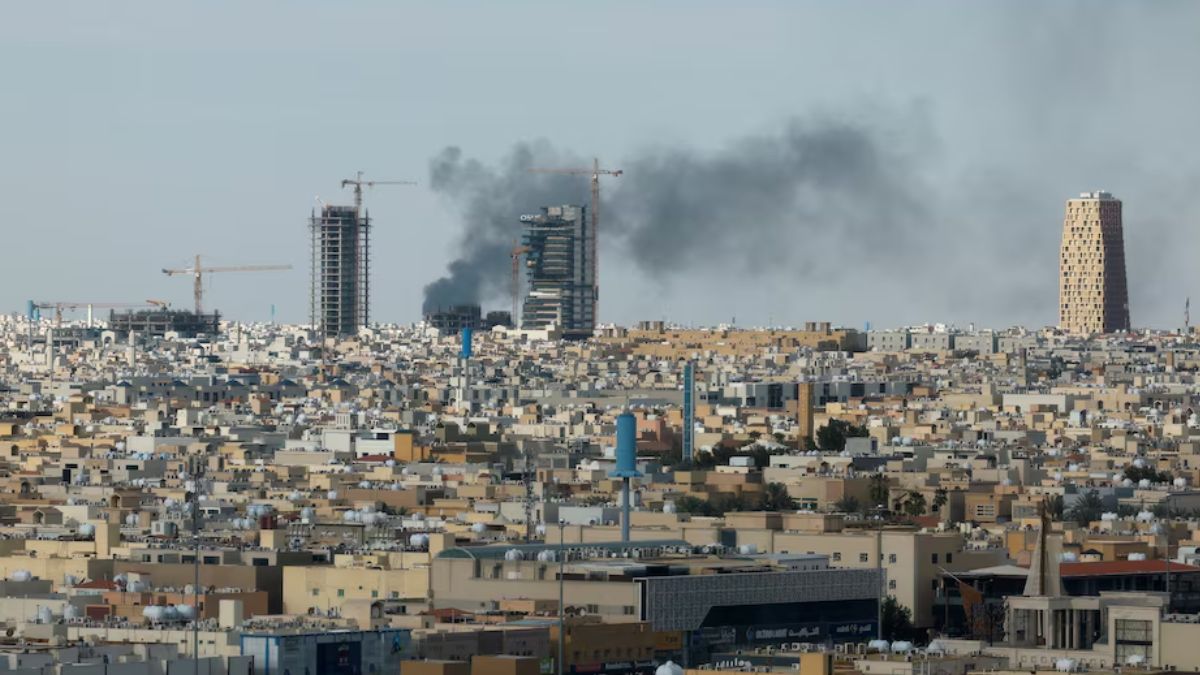 "Iran missile strikes Saudi air base, US troops wounded, aircraft damaged: Officials")
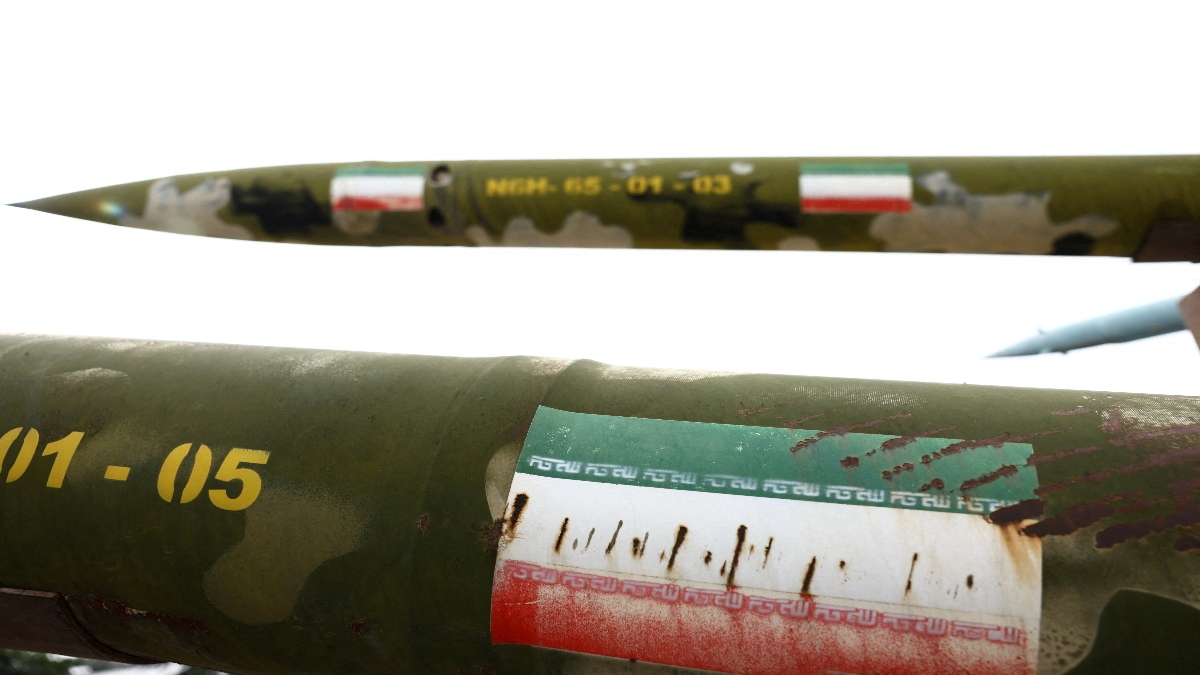 "US destroyed only a third of Iran's missile arsenal as war inches closer to one-month mark: Report")
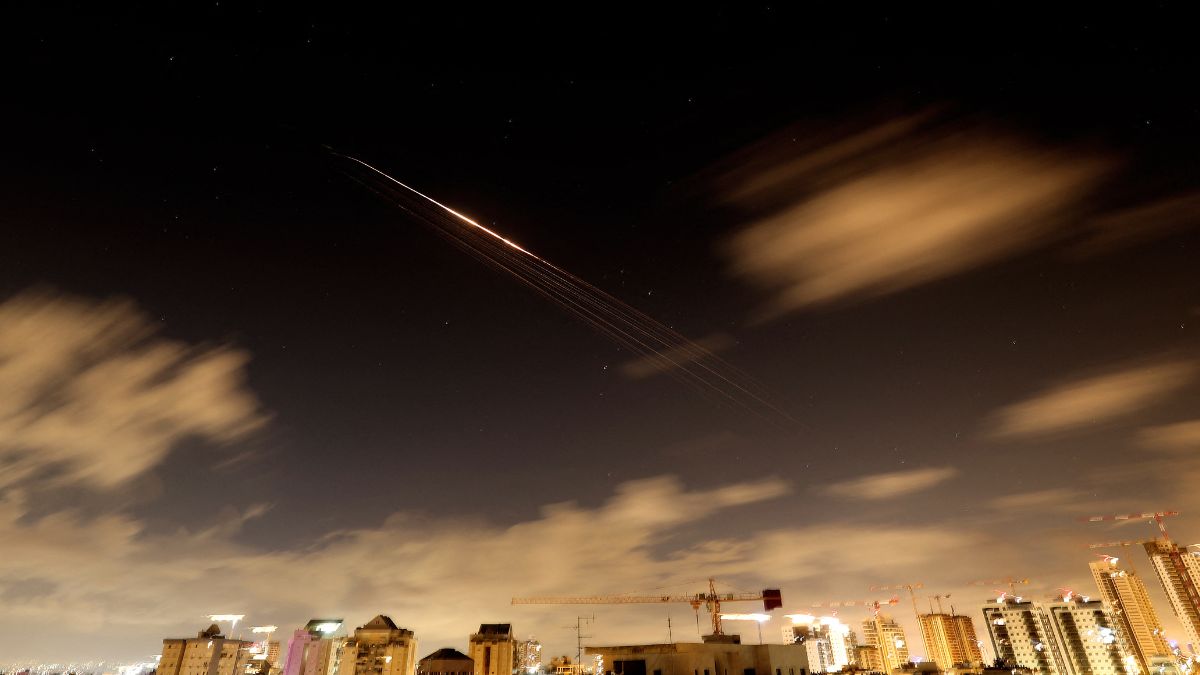 "US-Israel-Iran War Live Updates: Trump says 'they just weren’t there' as he slams Nato allies over Hormuz crisis")
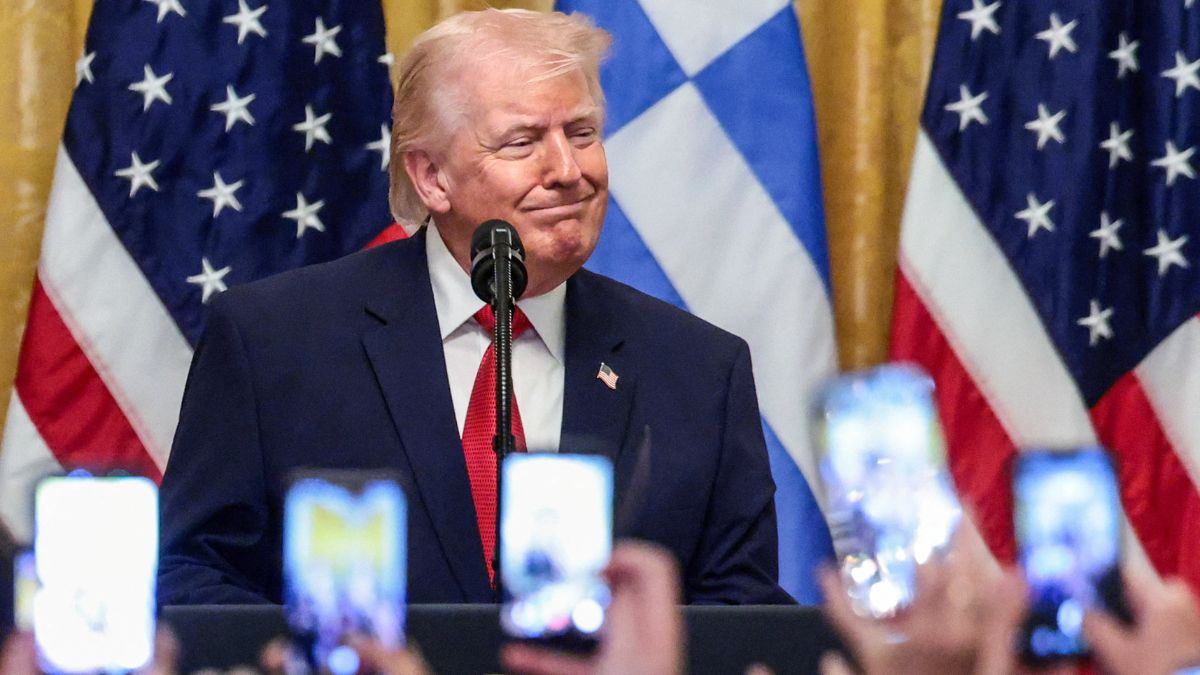 "'Another 3,554 targets left': Trump says war with Iran is 'not over yet'")
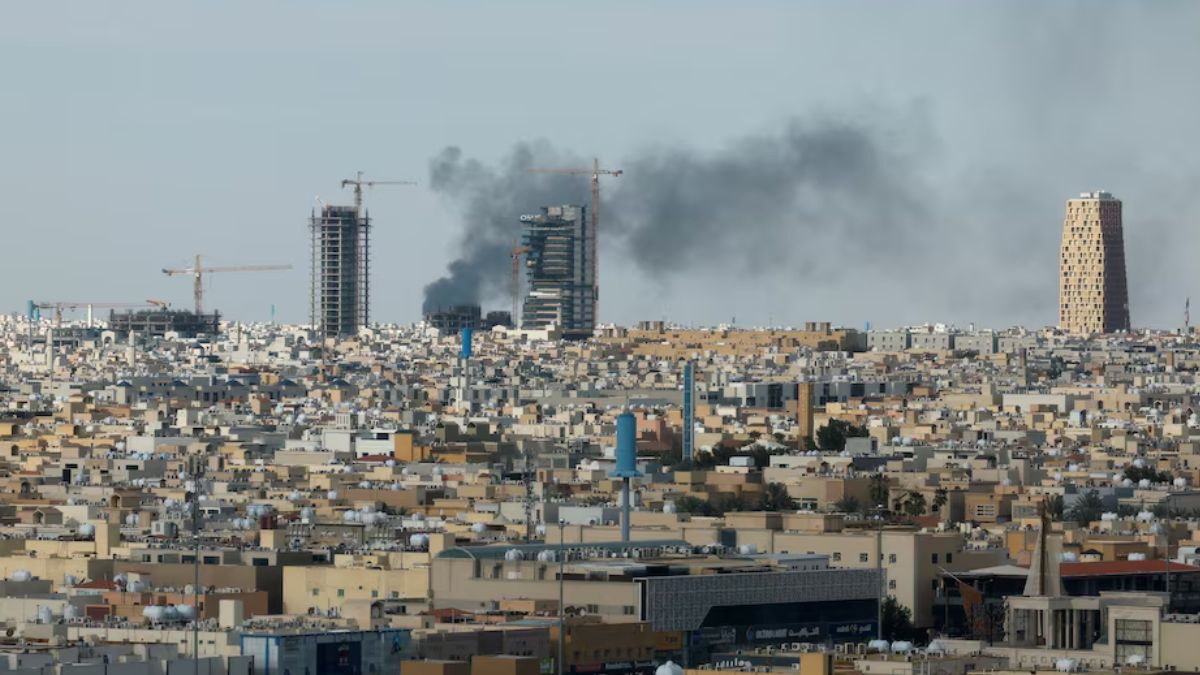 "Iran missile strikes Saudi air base, US troops wounded, aircraft damaged: Officials")
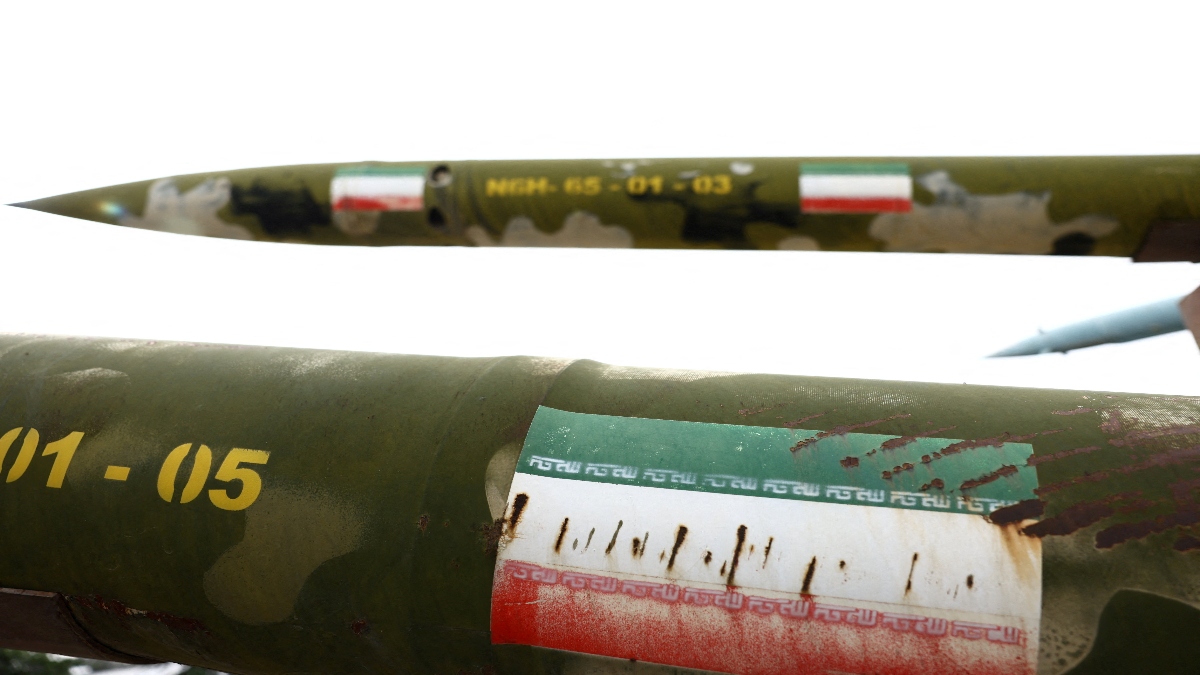 "US destroyed only a third of Iran's missile arsenal as war inches closer to one-month mark: Report")