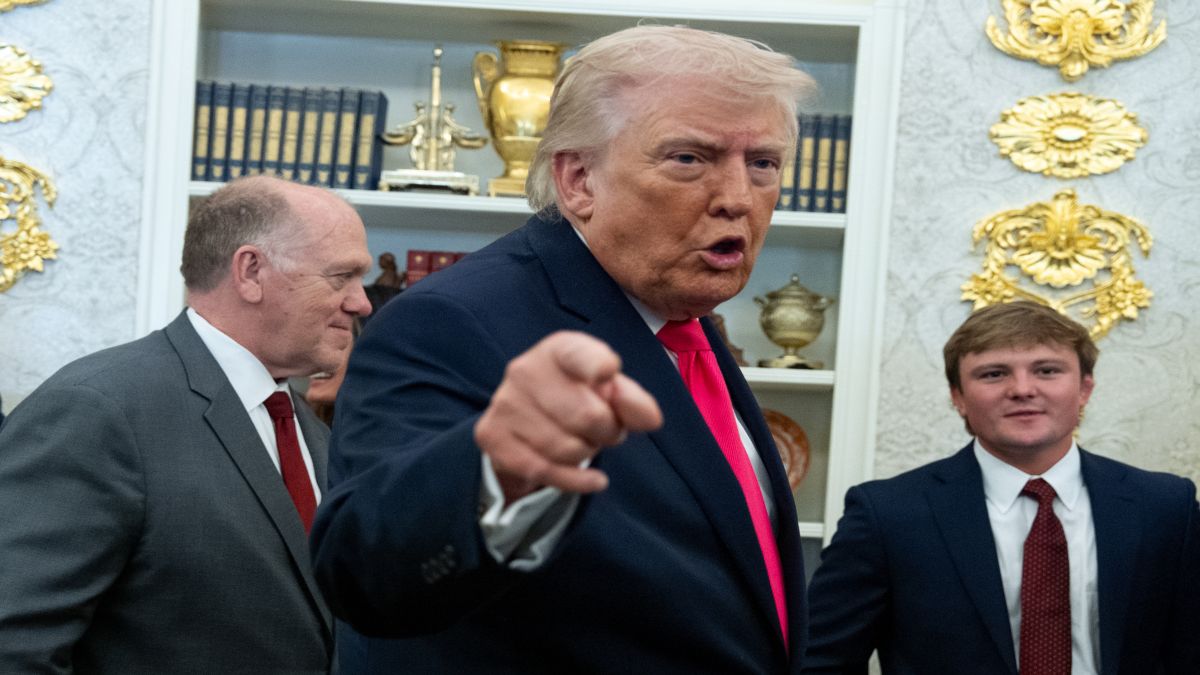
 "US Sutra | Trump’s two-and-a-half front war: Strike Iran, silence critics, signal China")
Not many realise President Donald J Trump is fighting a war on more than two fronts. Actually, it’s a two-and-a-half front war.
Let me explain.
The first is, of course, the Iran and West Asia front. Unfolding events there are not only making global headlines daily, but their impact is also felt directly in our wallets and pocketbooks. Gas prices are up nationwide in the US. The downstream effects, to use a Gulf metaphor, are obvious. The prices of everything, almost every single item of consumption, right down to weekly groceries, are sure to rise.
Despite price controls and buffers, this is true, in lesser or greater measure, all over the world too.
Clearly, the war is not sustainable for a prolonged period. Trump is running out of time, if not options. A weakened, even decapitated regime still has the nuisance value to disrupt oil and gas traffic in the region and destabilise the global energy equilibrium.
Iran is no longer Israel’s or the US’s problem; it is a global problem. That a regime more suited to the world’s energy stability will emerge is more or less certain. Whether it remains inimical to Israel and the US, or whether it is run by religious fundamentalists, is almost beside the point.
As I said earlier, Trump’s options are limited. But that does not mean he has run out of them. The marines, who have been mobilised, are heading closer to the Gulf even as this column goes to press. The situation is highly dynamic, if not combustible.
Quick Reads
View AllWe will have to wait and watch what happens.
The second front, however, is less understood. It is at home, right inside the USA. The entire Left-liberal political establishment in Washington, flanked by a complicit media, is attacking Trump.
Who’s winning? If we believe the press, the US has already lost and Iran has won. But the truth—and I am not talking about “Truth Social”—is that Trump is giving as good as he gets. He has already severely damaged, even crippled, Iran. He may well reopen the Hormuz Strait and manage to win on the domestic front too.
The foreign front erupted on 28 February 2026, when US and Israeli forces launched massive airstrikes on Iran, swiftly eliminating Supreme Leader Ali Khamenei and key figures such as security chief Ali Ardashir Larijani in subsequent operations.
What began as targeted strikes to degrade Iran’s nuclear and missile capabilities escalated into a full-scale conflict. Iran retaliated with missile barrages, disrupted Gulf shipping, and partially closed the Strait of Hormuz, a chokepoint for roughly one-fifth of global oil.
Energy prices surged, allies hesitated to fully commit, and casualties mounted on both sides, including American troops. Yet Trump has refused to back down. He first issued a 48-hour ultimatum for Iran to reopen the strait or face the obliteration of its power plants, then paused strikes for five days amid claims of talks (denied by Tehran).
Now the deadline has been extended, perhaps deliberately, by another a week.
Trump’s messaging shifts—declaring military objectives nearly met one day, threatening escalation the next. Hardly surprising. We know him to be a leader who thrives on unpredictability.
The regime in Tehran, decapitated yet defiant, clings to power but has seen its nuclear sites hammered, its navy crippled, and its proxies degraded. Trump has not achieved outright regime change, but he has inflicted devastating blows, far beyond what critics predicted.
This external campaign, however, coincides with an equally fierce domestic battle. Democrats in Congress, legacy media outlets, and entrenched bureaucrats have framed the war as reckless adventurism. And world media, both mainstream and social, is not far behind in attacking Trump.
Polls show majority disapproval: a recent CBS/YouGov survey found 57 per cent believe the conflict is going badly, 60 per cent disapprove of military action, and many view it as a war of choice. Headlines scream of miscalculations, isolation from NATO allies (whom Trump called “cowards”), and risks to midterm prospects for Republicans.
This domestic front is no mere opposition; it is a coordinated assault on Trump’s authority. Critics amplify every setback. Civilian casualties in Iran, Iranian missile strikes on Israel, market volatility, and so on are amplified, while US successes downplayed.
The media narrative often echoes pre-war scepticism: Trump promised no “stupid” interventions, yet here he is in another Middle East quagmire. Accusations fly of warmongering for political gain, echoing his first-term Soleimani strike but on a vastly larger scale.
Trump counters aggressively. He uses Truth Social and friendly outlets such as Fox to declare victories, mock detractors, and rally his base. He portrays the war as necessary to prevent a nuclear-armed Iran from threatening America and its allies. Domestic critics, he argues, undermine troops in the field and embolden enemies abroad. Classic “stab in the back” rhetoric, which we are also familiar with in India.
Abroad, Trump has also stitched together impressive, if reluctant, alliances. The entire region, Muslim-majority, barring Iran, is perforce lined up behind him, in addition to some European and even more distant allies such as Japan.
The two fronts, international and domestic, are intertwined. Success abroad bolsters his domestic standing; failure would fuel impeachment calls or electoral disaster. Trump bets that decisive action—potentially forcing Hormuz open through overwhelming force—will vindicate him. Certainly, he has shown a risk appetite almost unprecedented in our recent, more tranquil times.
If negotiations yield a deal (as he hints), even better. Either way, he positions himself as the strongman who confronts threats while elites dither.
Now, the remaining half front. That may well be the hardest, albeit hidden, target: the Red Dragon. A distant but looming threat. Weapons and radars failed, energy sources choked, strategic and economic influence severely curtailed.
Whatever happens on the two obvious fronts, China’s discomfiture on the half-hidden third front is almost a foregone conclusion.
(The writer, currently Sri Aurobindo Chair (Hon.) at Vedere University, is an author and columnist. Views expressed in the above piece are personal and solely those of the author. They do not necessarily reflect Firstpost’s views.)


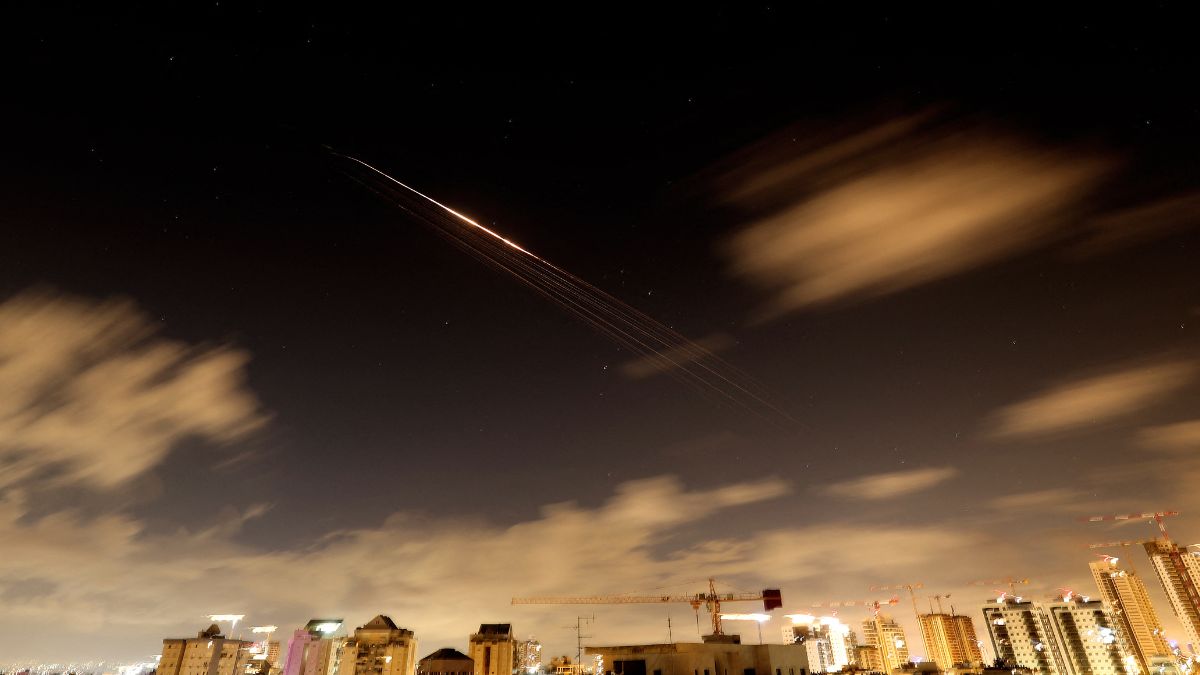 "US-Israel-Iran War Live Updates: Joining war, Yemen’s Iran-backed Houthis launch missile at southern Israel")
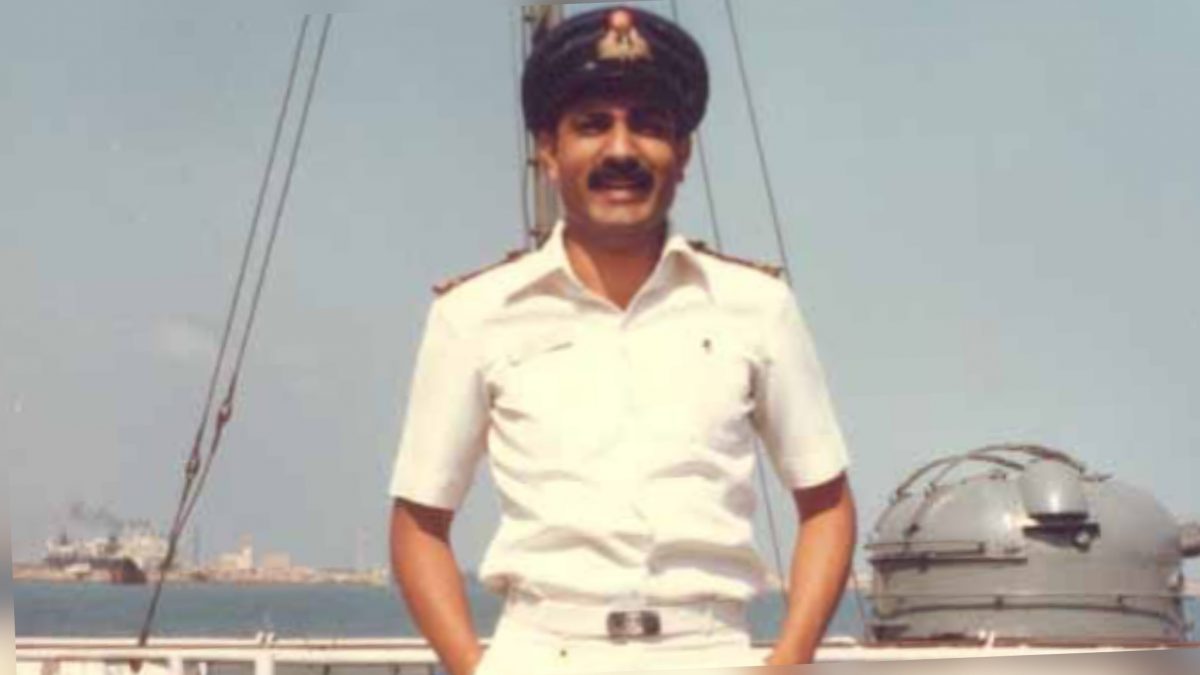 "Qatar acquits Indian Navy veteran Purnendu Tiwary but keeps him jailed, family seeks PM Modi's help")
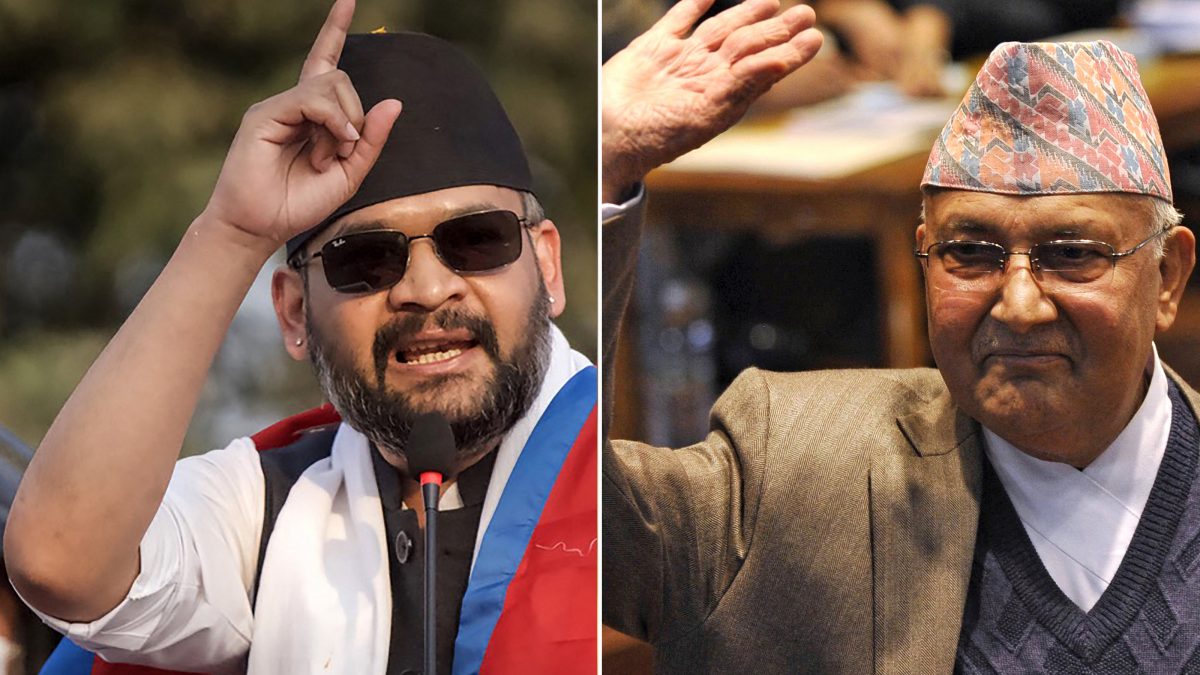 "Nepal ex-PM Oli arrested over deadly Gen Z protest crackdown day after Balen Shah's oath")
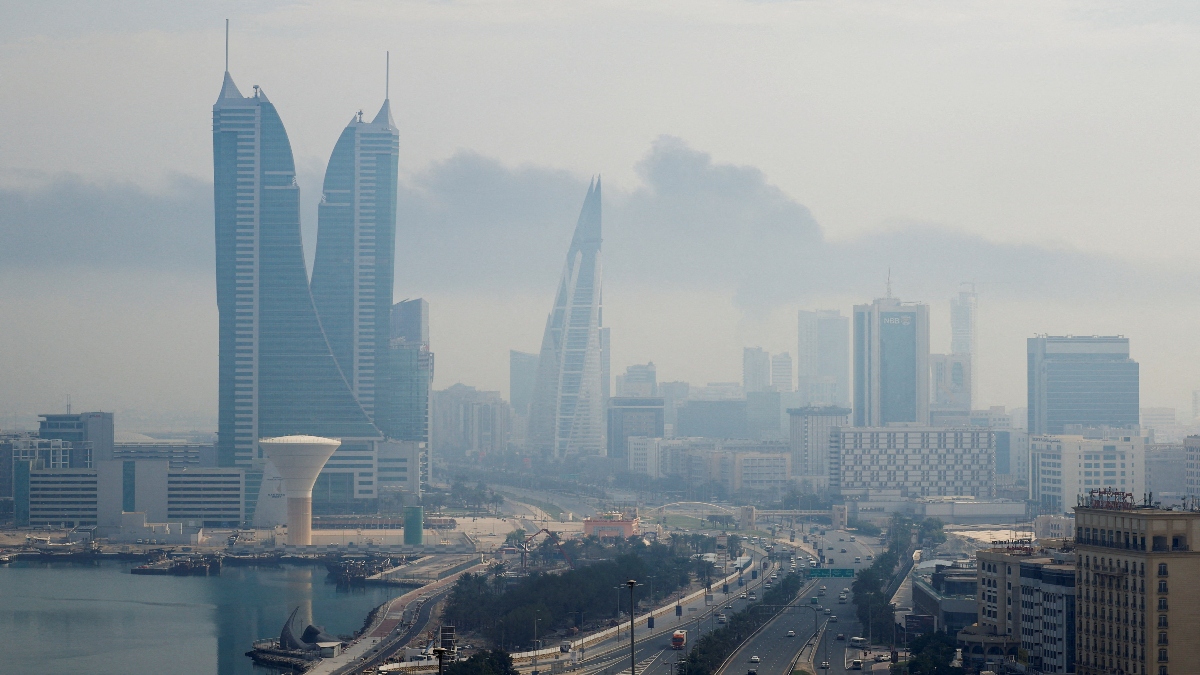 "'Biggest deals ever': Trump tells Gulf investors Iran war is ending — and America is open for business")
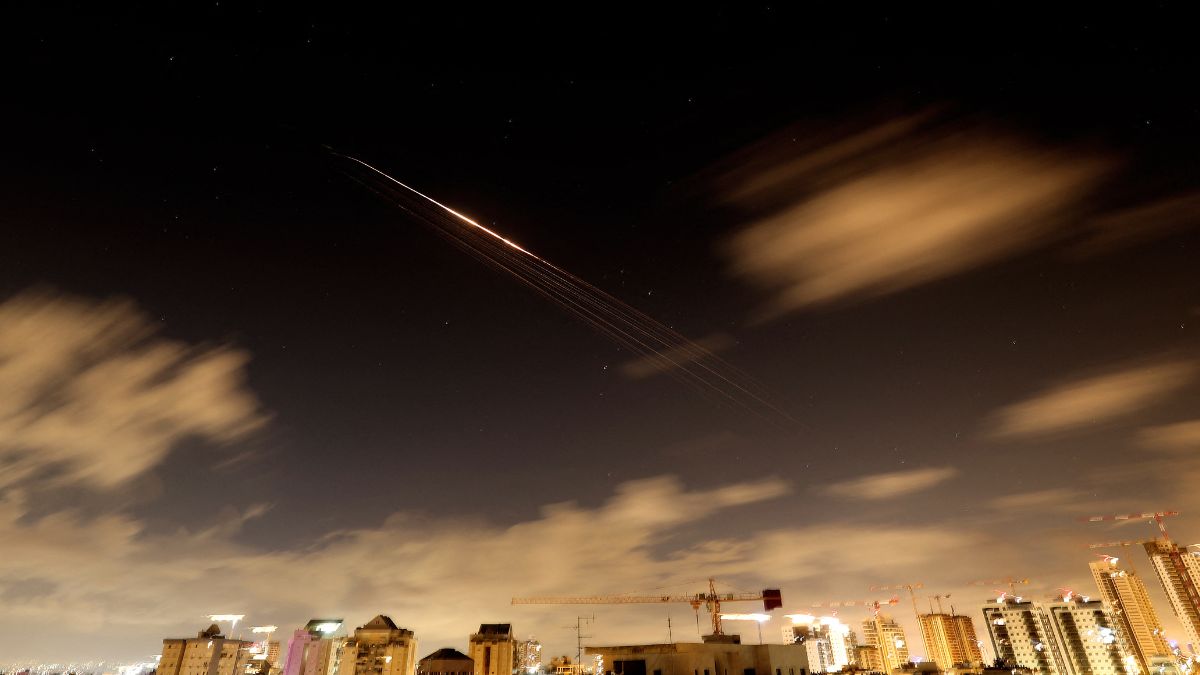 "US-Israel-Iran War Live Updates: Joining war, Yemen’s Iran-backed Houthis launch missile at southern Israel")
 "Qatar acquits Indian Navy veteran Purnendu Tiwary but keeps him jailed, family seeks PM Modi's help")
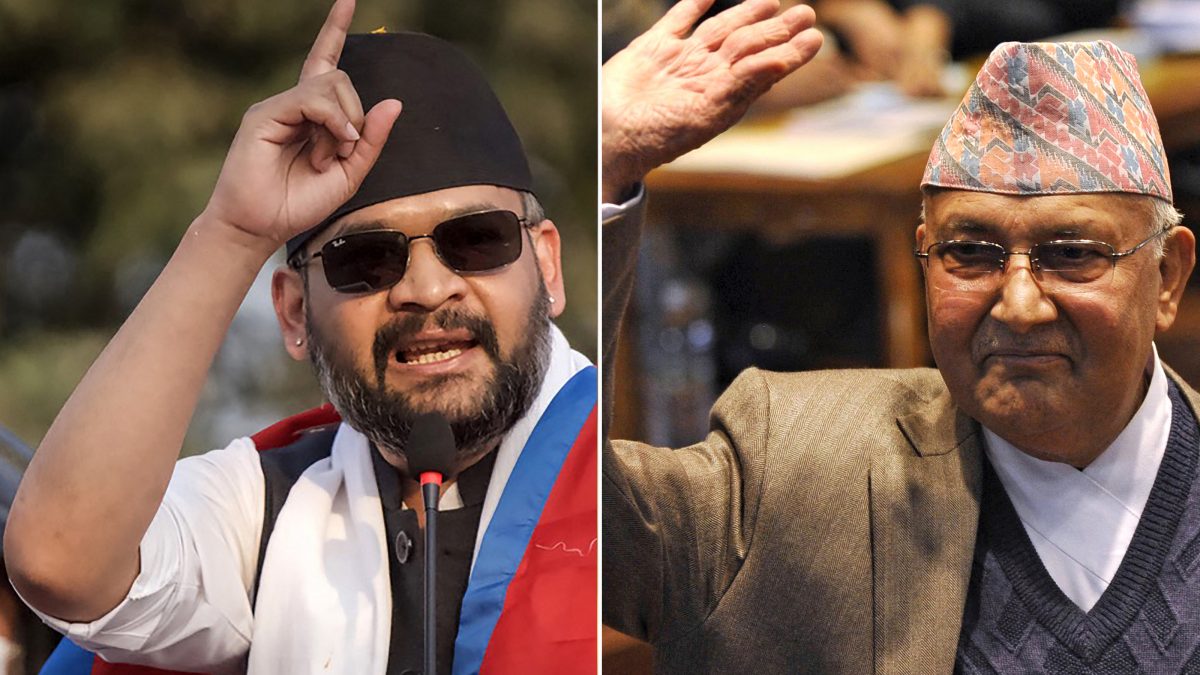 "Nepal ex-PM Oli arrested over deadly Gen Z protest crackdown day after Balen Shah's oath")
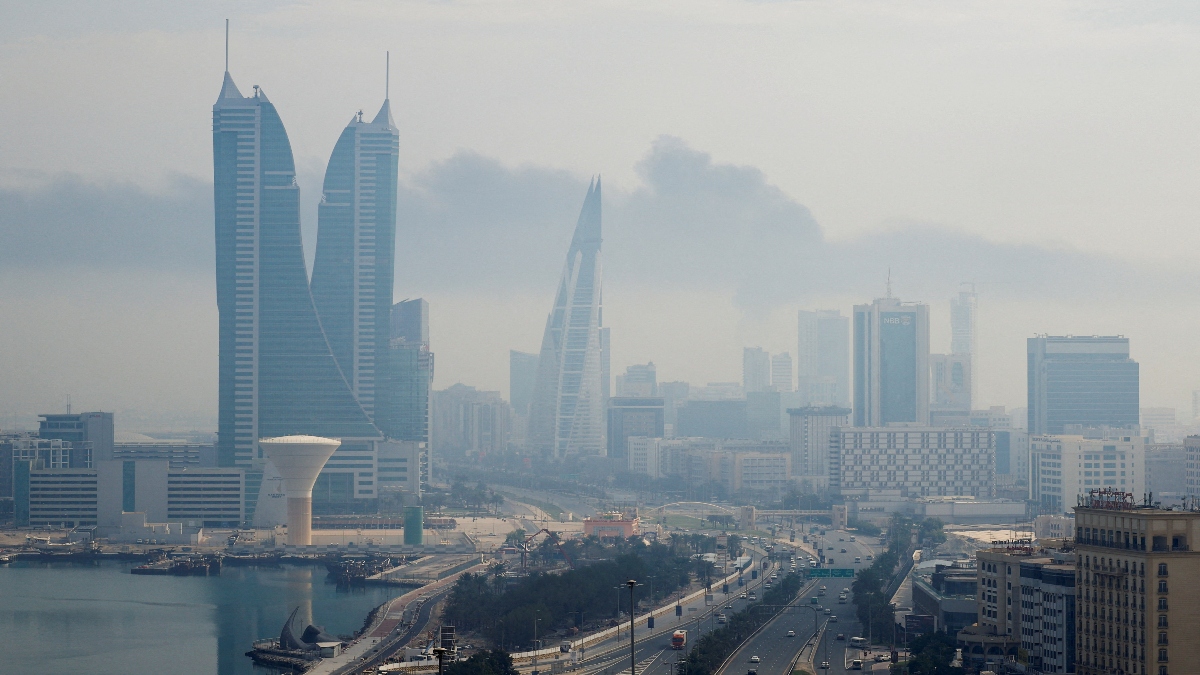 "'Biggest deals ever': Trump tells Gulf investors Iran war is ending — and America is open for business")