Why plush toys go to space: 7 mascots from Rise to Snoopy explained
Artemis II will continue with plushie “Rise” as their zero-gravity indicator tradition. Here are the plush mascots that came before.
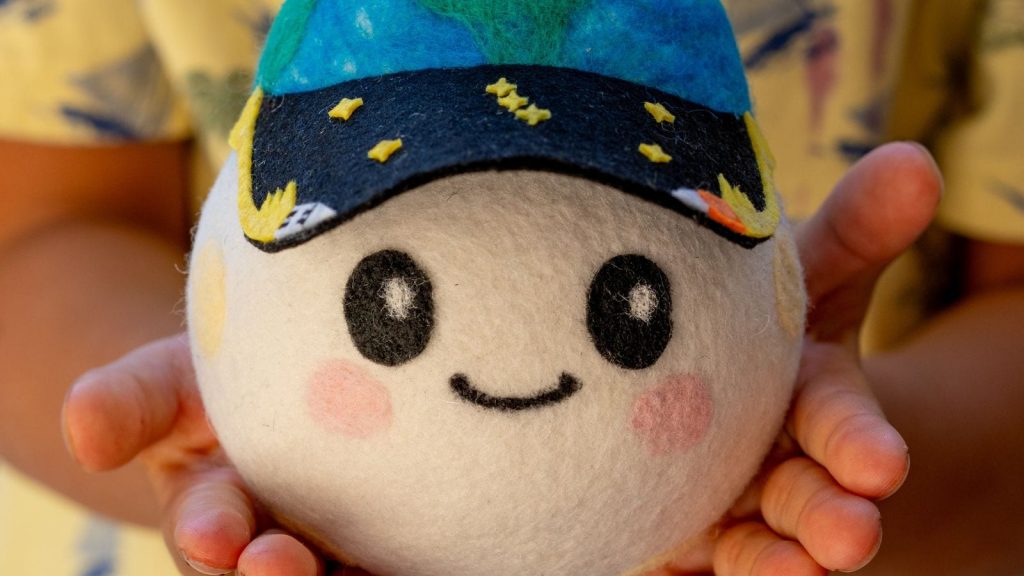)
The Artemis II mascot, “Rise,” is a smiling moon plush wearing an Earth-themed cap with stars. It was selected from over 2,600 global submissions in a NASA design competition, underscoring public participation in the mission. Beyond indicating zero gravity, “Rise” is designed to reflect the iconic “Earthrise” moment and carry a sense of collective human presence into deep space.
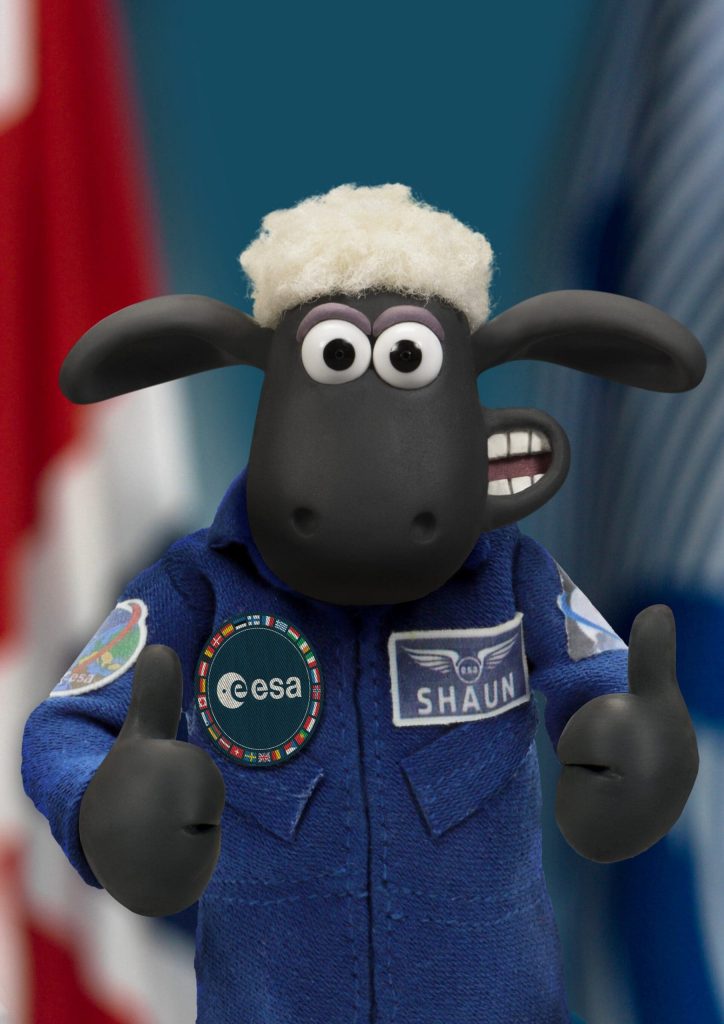)
Shaun the Sheep flew aboard Artemis I, travelling around the Moon as part of the uncrewed mission. The flight marked the first launch of NASA’s Orion spacecraft with the European Service Module built by the European Space Agency. Ahead of the mission, Shaun also took part in a symbolic “astronaut training” programme across Europe and the US. His inclusion highlighted the role of plush mascots in public engagement and international collaboration.
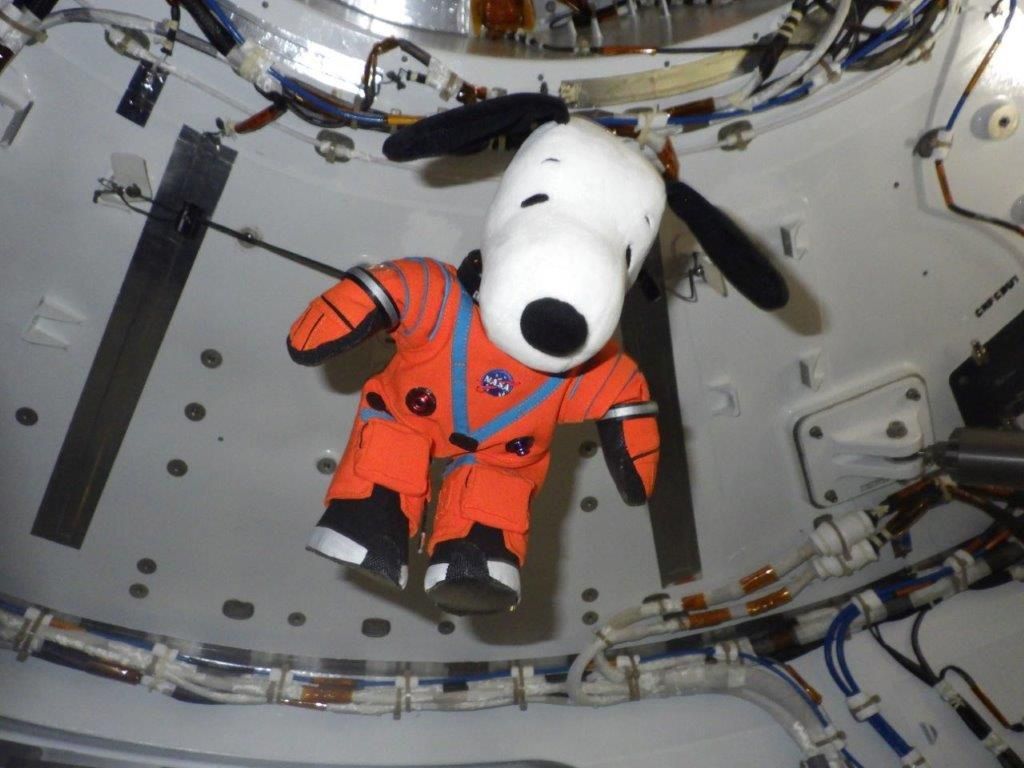)
Snoopy flew aboard Artemis I in 2022 wearing a custom-made orange NASA spacesuit, specifically designed to resemble those worn by astronauts. He was tethered inside the Orion capsule so cameras could capture the exact moment he began floating—signalling zero gravity. The character’s association with NASA dates back to the Apollo era, where Snoopy became a symbol of safety and mission success, making his Artemis appearance both functional and symbolic.
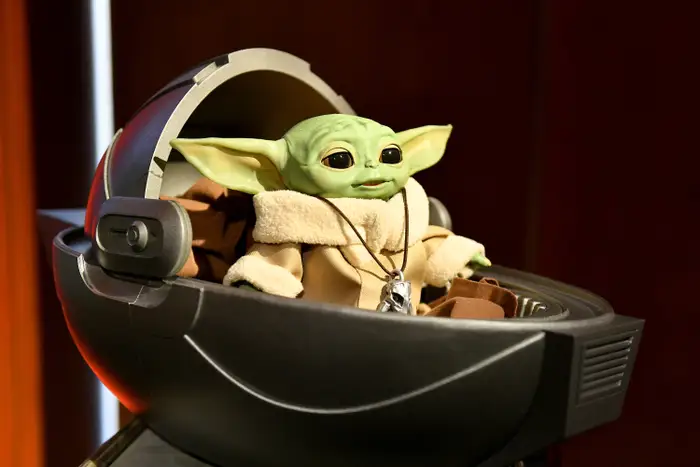)
One of the most viral space mascots, a plush of Grogu (popularly known as Baby Yoda from The Mandalorian) flew aboard SpaceX’s Crew-1 mission in 2020. Its presence highlighted a shift toward internet-era cultural symbols, making space missions more accessible and engaging for younger, digital-first audiences.
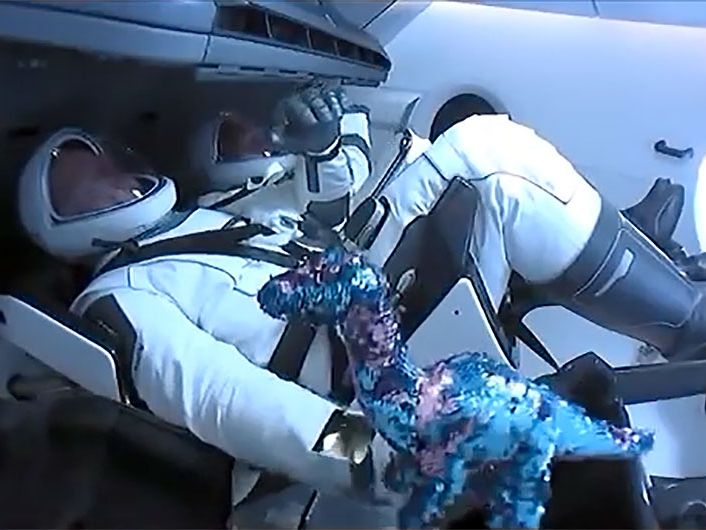)
A sequined dinosaur plush named “Tremor” flew aboard SpaceX’s Crew Dragon Demo-2 mission in 2020. Unlike earlier mascots, it doubled as a communication tool for viewers, clearly signalling the transition to zero gravity during livestreams. Its playful design also made it one of the most memorable modern zero-g indicators.


On Len Deighton, the Quiet Giant of espionage fiction
Len Deighton, influential spy fiction writer known for realistic espionage stories, passed away at 97. His works, including The Ipcress File and the Bernard Samson series, redefined the genre with working-class protagonists and office dynamics. Deighton's legacy continues to shape modern spy fiction authors and narratives.
More Quick Reads "Iran Israel War News Live: Indian markets recover from early shock, with Sensex and Nifty returning to green")
 "What happens if Donald Trump pulls the US out of Nato")
 "Iran's Pezeshkian writes to Americans: 'We harbour no enmity towards you'")
 "‘If Pakistan attempts any misadventure, India’s response will be unprecedented and decisive’: Rajnath")
 "Iran Israel War News Live: Indian markets recover from early shock, with Sensex and Nifty returning to green")
 "What happens if Donald Trump pulls the US out of Nato")
 "Iran's Pezeshkian writes to Americans: 'We harbour no enmity towards you'")
 "‘If Pakistan attempts any misadventure, India’s response will be unprecedented and decisive’: Rajnath")
Top Shows