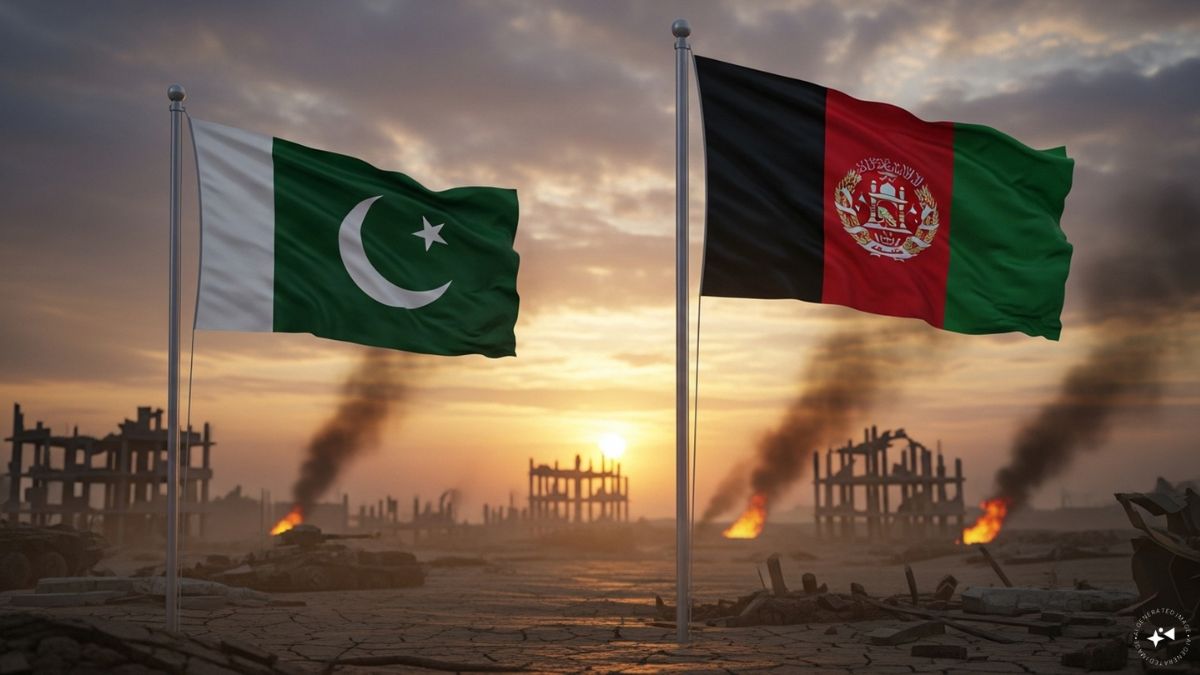
 "Pakistan-Afghanistan conflict: Similarities between the two nations in war")
The long‑standing tensions between Pakistan and Afghanistan have escalated into open military clashes. What began as border disputes and cross‑border attacks has now turned into airstrikes and ground confrontations along the Durand Line, marking one of the most serious flare‑ups between the neighbours in recent years.
Civilians, security forces, and regional stability are all feeling the impact as the situation remains tense and unpredictable.
Despite political tensions and occasional border disputes, Pakistan and Afghanistan share deep cultural and social connections that stretch back centuries.
From cuisine and clothing to religion and social norms, everyday life in both countries reflects a shared heritage.
1. Shared religion and cultural values
Islam is the dominant religion in both Pakistan and Afghanistan, shaping many aspects of daily life, festivals and community practices.
The majority of people in both countries are Muslim, which influences everything from daily rituals to major celebrations like Eid al‑Fitr and Eid al‑Adha.
This religious common ground fosters similar moral values, hospitality customs and social norms across communities on both sides of the border.
2. Language and ethnic connections
The two nations are home to common ethnic groups, especially along the shared border.
The Pashtun and Baloch people are significant populations on both sides, with similar tribal structures, languages and codes of conduct.
The Pashto language plays a particularly strong role in linking communities culturally and socially, especially among Pashtuns in Pakistan’s Khyber Pakhtunkhwa province and across much of Afghanistan.
3. Cuisine
Food is one of the most visible similarities. Staples like flatbread (naan) and rice are central to meals in both countries. Kebabs, pilafs and grilled meats are widely enjoyed and often prepared with shared techniques.
Dishes such as chapli kebab are popular in Pakistan and Afghanistan, especially among Pashtun communities.
Although flavours and spice levels can vary (with Pakistani dishes often being spicier and Afghan cuisine relying more on herbs and milder tastes), the basic ingredients and eating habits show great overlap.
Quick Reads
View AllA fascinating example of this culinary blend is the Afghani burger - a wrap of Afghan bread, vegetables and chutneys that became a beloved street food in Pakistan thanks to Afghan immigrants.
4. Traditional dressing
Traditional clothing in both countries reflects shared influences and regional ties.
Shalwar kameez, a loose‑fitting tunic and trousers, is common in both Pakistan and Afghanistan.
Among Pashtun and Baloch communities, similar styles of garments - such as perahan o tunban and firaq‑partug - are worn across the border with regional variations.
These outfits aren’t just clothing - they carry cultural identity and centuries of tradition in their cut, embroidery and usage.
5. Festivals and celebrations
Major Islamic festivals such as Ramzan, Eid, and Nowruz bring communities together in both nations. These occasions often involve similar festive foods, prayer traditions, family gatherings and charitable activities, reinforcing the cultural rhythm shared by Pakistanis and Afghans.


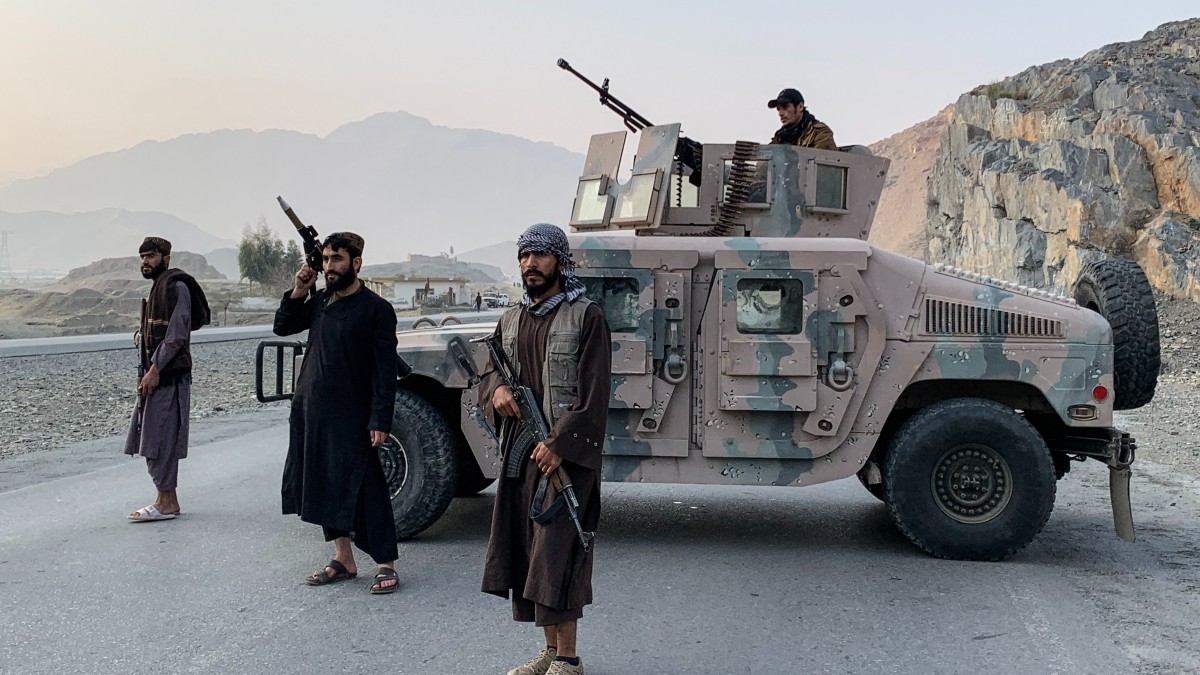 "Pakistan-Afghanistan War Live Updates: Afghanistan's Supreme Leader Hibatullah Akhundzada reportedly killed in Pak strikes")
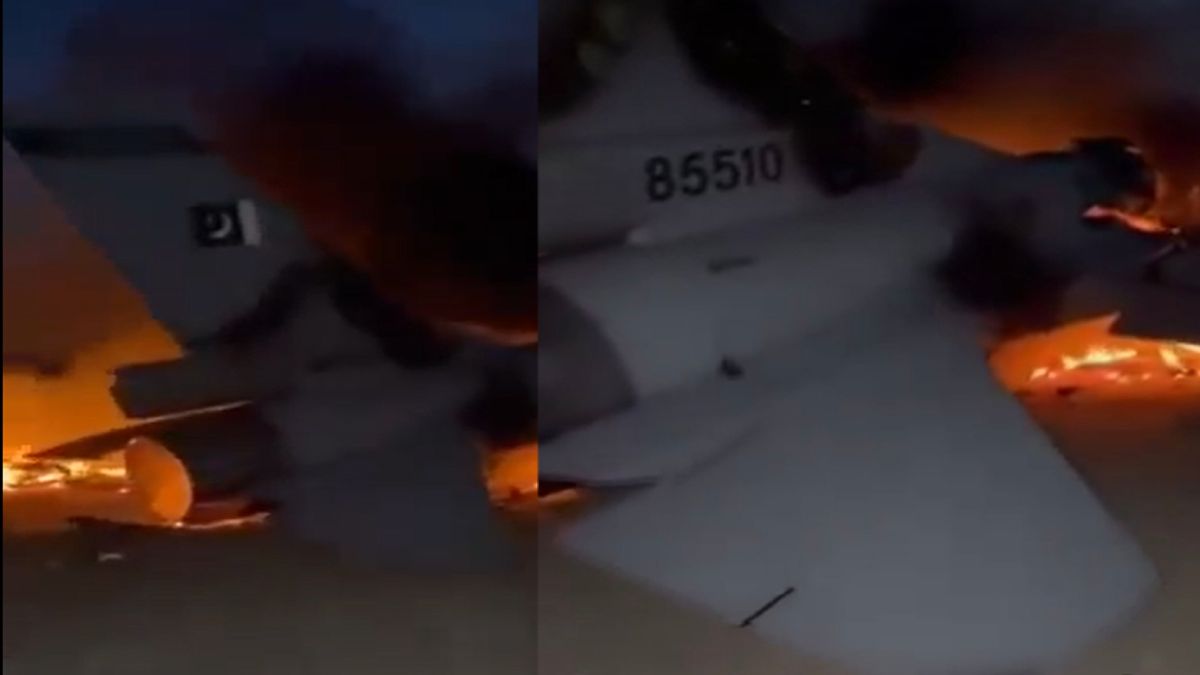 "Did Afghanistan shoot down Pakistan’s F-16 jet amid new clashes?")
 "Rising Bharat Summit: Gold’s big moment? What the World Gold Council chief revealed")
 "Did Epstein use British military airbases? UK defence ministry launches probe")
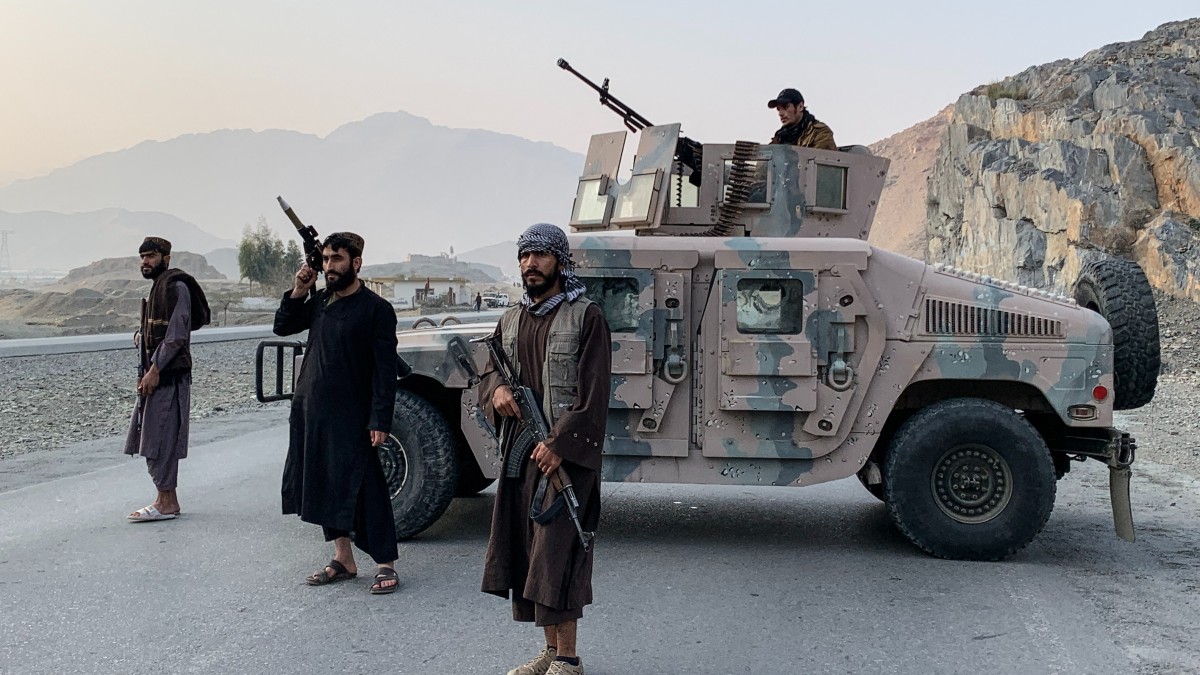 "Pakistan-Afghanistan War Live Updates: Afghanistan's Supreme Leader Hibatullah Akhundzada reportedly killed in Pak strikes")
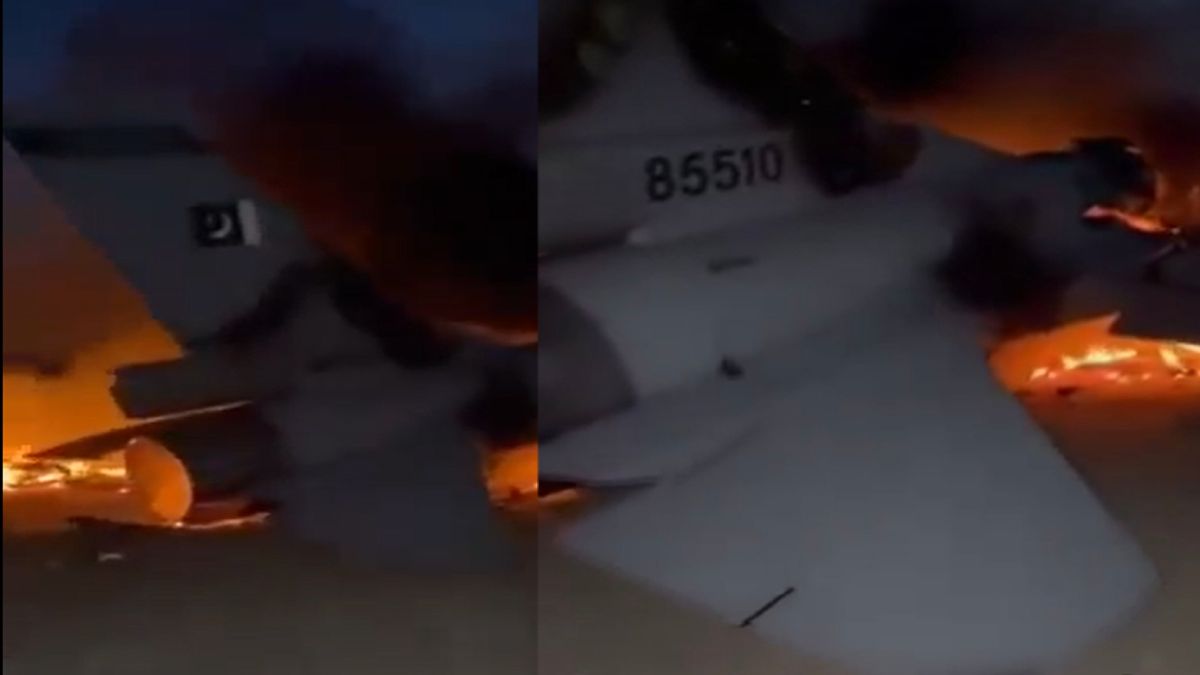 "Did Afghanistan shoot down Pakistan’s F-16 jet amid new clashes?")
 "Rising Bharat Summit: Gold’s big moment? What the World Gold Council chief revealed")
 "Did Epstein use British military airbases? UK defence ministry launches probe")