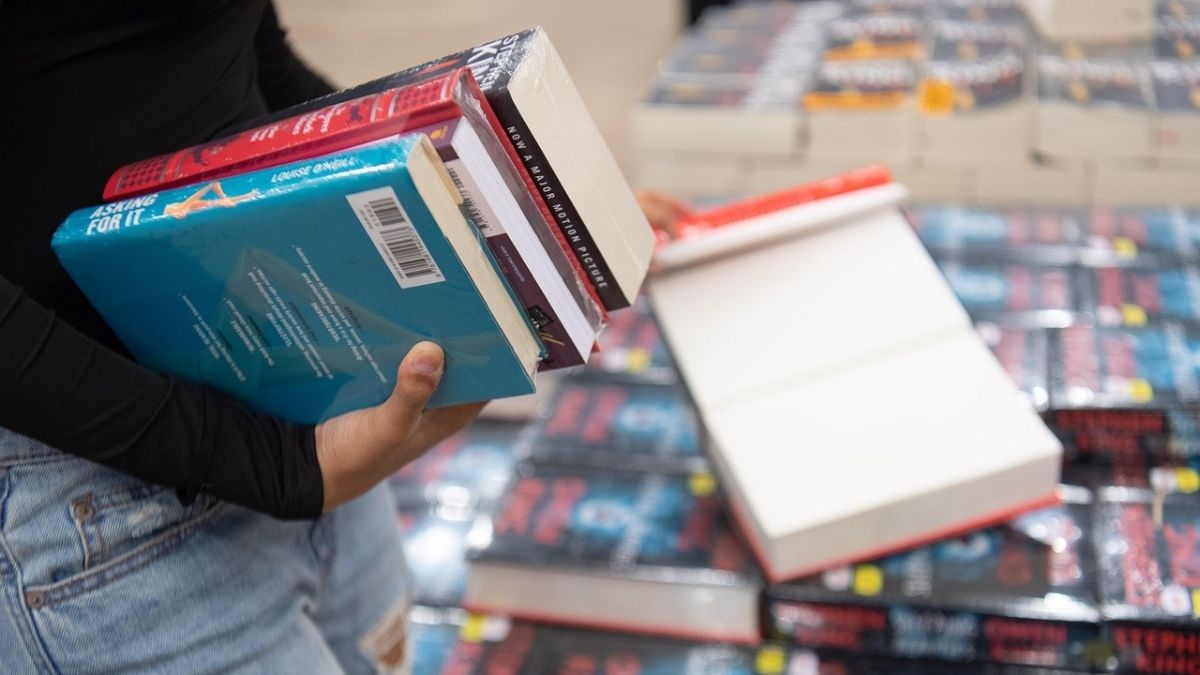
 "'No values, no shared memory, no sense of national ethos. That's a society that doesn't read'")
At a time when reading habits are changing fast and screens compete with pages, literature is being asked to do new kinds of work. It must travel across borders, move between languages, and reach readers who no longer read in the same way as before.
For Yuvraj Malik, Director of the National Book Trust, books today are not just cultural objects but tools of dialogue, memory and responsibility.
In a sit down interview with Firstpost, Malik pointed out, “Every country has its own book fair that reflects its publishing ecosystem and literary heritage,” he said. “For India, literature is also about how we speak to the world and how the world speaks back to us.”
That exchange, he believes, lies at the heart of global literary collaboration. When authors, translators, publishers and thinkers come together, the aim is not only to sell books but to create sustained relationships.
“It is about people-to-people contact,” he said. “Culture-to-culture exchange. Books allow countries to sit across the table and talk.”
These ideas are unfolding visibly at the 2026 New Delhi World Book Fair, where conversations on translation, digital access and cross-border publishing run alongside book launches and readings.
With Qatar as Guest of Honour and Spain as Focus Country, the larger questions around reading, language and global exchange are also unfolding.
Malik underlined that such partnerships go beyond symbolic presence. “Authors, writers, scholars, illustrators and creative artists come together, and that helps people-to-people and culture-to-culture exchange.”
Malik noted that literature becomes a shared space for dialogue. “Books bring countries closer in a very organic way,” he said, adding that India is also carrying this model abroad through Indian pavilions at global book fairs.
“When we go out, we take our publishers, institutions and artists together and present India under one umbrella. That is how literature works as soft power, connecting nations through ideas, language and reading.”
International participation in Indian literary spaces, and Indian participation abroad, is part of a wider soft power approach.
Yet the conversation around books today cannot ignore the rapid changes in how people read. Digital platforms, artificial intelligence and short-form content have reshaped attention spans, especially among younger readers.
Malik acknowledged this shift. “Technology is changing very fast,” he said. “Reading patterns are changing. Attention spans are changing.”
Still, he does not see this as the end of reading. “Books will always remain relevant,” he said. “Only the form will change. We have to accept hybrid learning. Physical books and digital learning must go together.”
Initiatives like the Rashtriya e-Pustakalaya reflect this blended future. “A child can scan and access around six thousand books for free, in many Indian languages,” he explained. “It is about outreach. Children today are the decision-makers of tomorrow.”
British Education Secretary Bridget Phillipson has recently warned that a decline in reading habits among children does not merely mean cultural erosion, but it also amounts to a national security threat.
In light of this global conversation, Malik notes that the concern around declining reading habits goes beyond culture and enters the realm of civic life.
“A society that does not read does not evolve,” he said. “There are no values, no shared memory, no sense of national ethos.”
Reading, he argued, creates accountability. “When people read, they know their country. They know their heroes. They take pride in their values,” he said. “Reading is an investment in responsible citizenship.”
Language plays a crucial role in this vision. India’s literary strength lies in its multilingualism, and translation becomes the key that unlocks it.
“Translation is the only way literature travels,” Dr Malik said. “Between Indian languages, and from India to the world.”
The National Book Trust is expanding its translation efforts across Indian languages, global languages and even tribal languages. “We are not only translating Indian books,” he said. “We are also translating international literature, especially for children.”
He pointed out that global recognition often follows translation. “If our stories move across languages, the world begins to see our knowledge systems and literary richness,” he said. “That is how literature gets a global footprint.”
For the National Book Trust, the Fair serves as a working ground for these larger concerns. As Malik noted, it brings together authors, translators, publishers and cultural institutions not merely to display books, but to test how literature can travel across languages, adapt to new reading habits and remain relevant in a rapidly changing world.
Behind these efforts lies a deeper sense of responsibility. In an age of algorithms and misinformation, he believes this responsibility has only grown. “We have to be ethical, affordable and qualitative at all times,” he said. “Because every book released is an act of nation-building.”
As literature navigates borders, formats and languages, its task remains old and urgent. To help societies think, remember and imagine together.
In that sense, even as habits change, the core idea of reading endures.


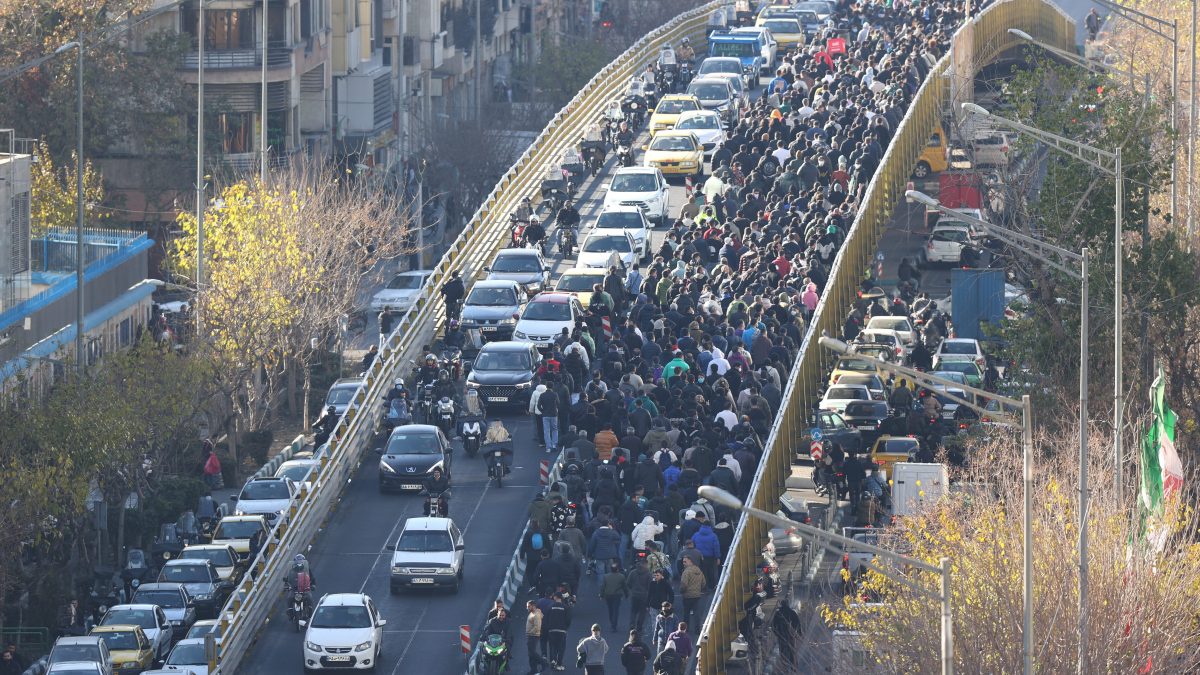 "‘At least 12,000 killed in Iran, much of it during internet blackout’: Report cites govt official")
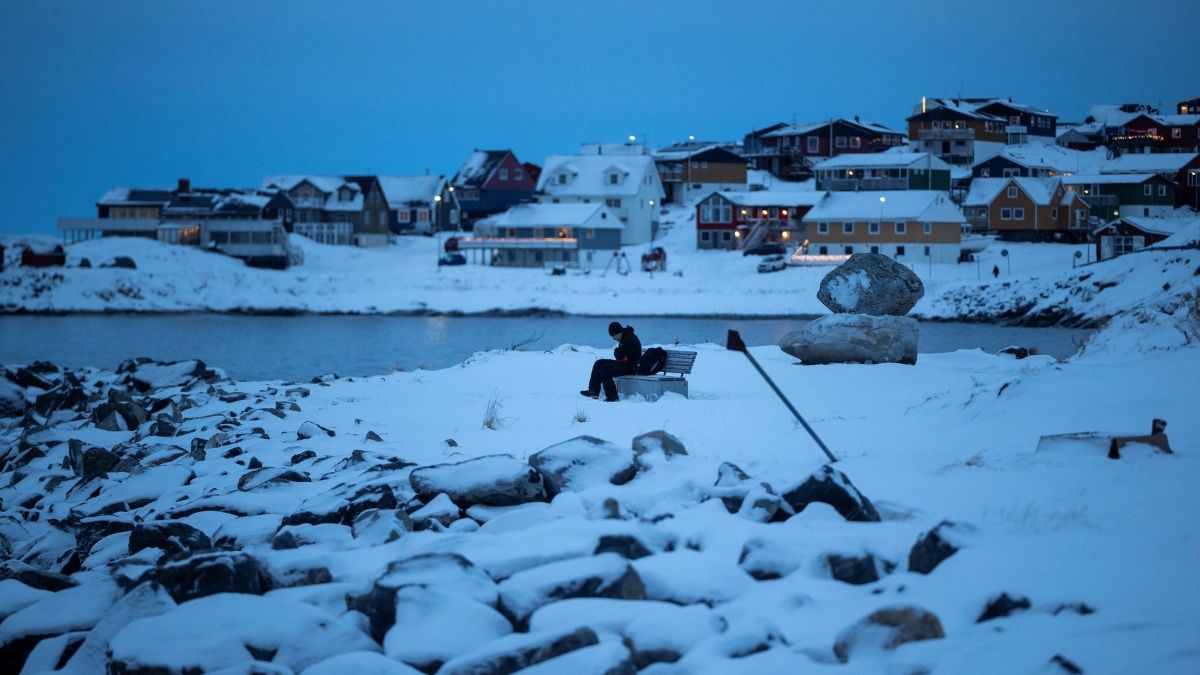 "Will the US really annex Greenland? What a new bill reveals")
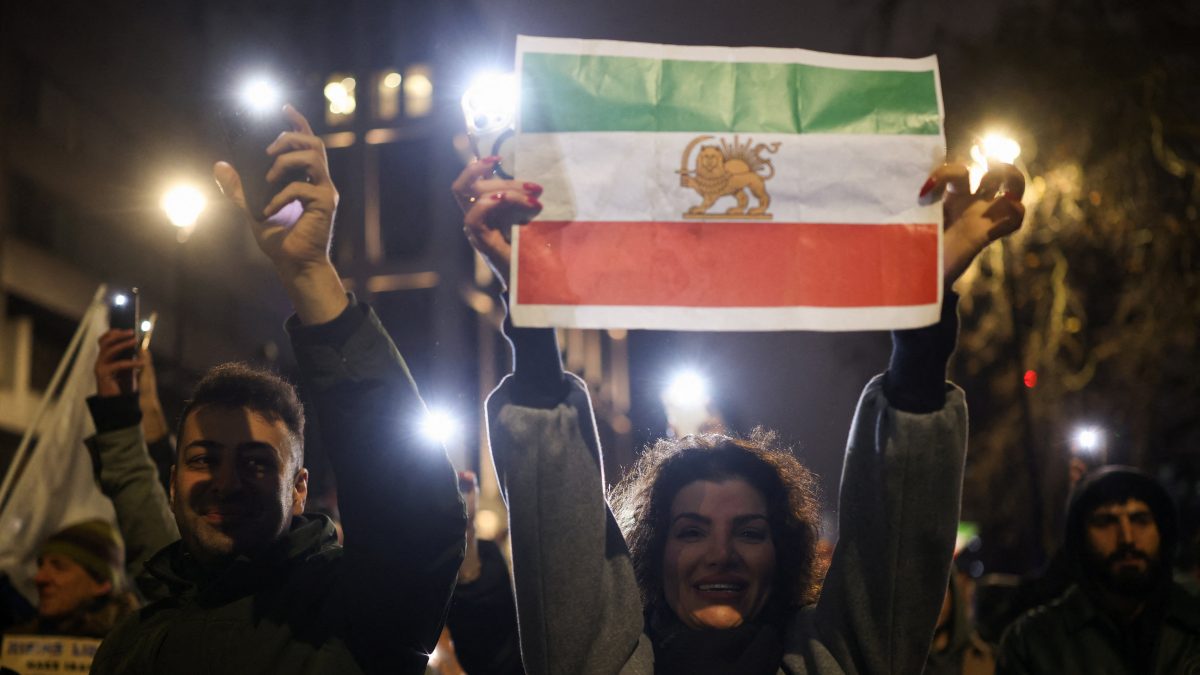 "‘Trump's policy negotiable… Iran unlikely to meet Venezuela fate’: Tehran professor to Firstpost")
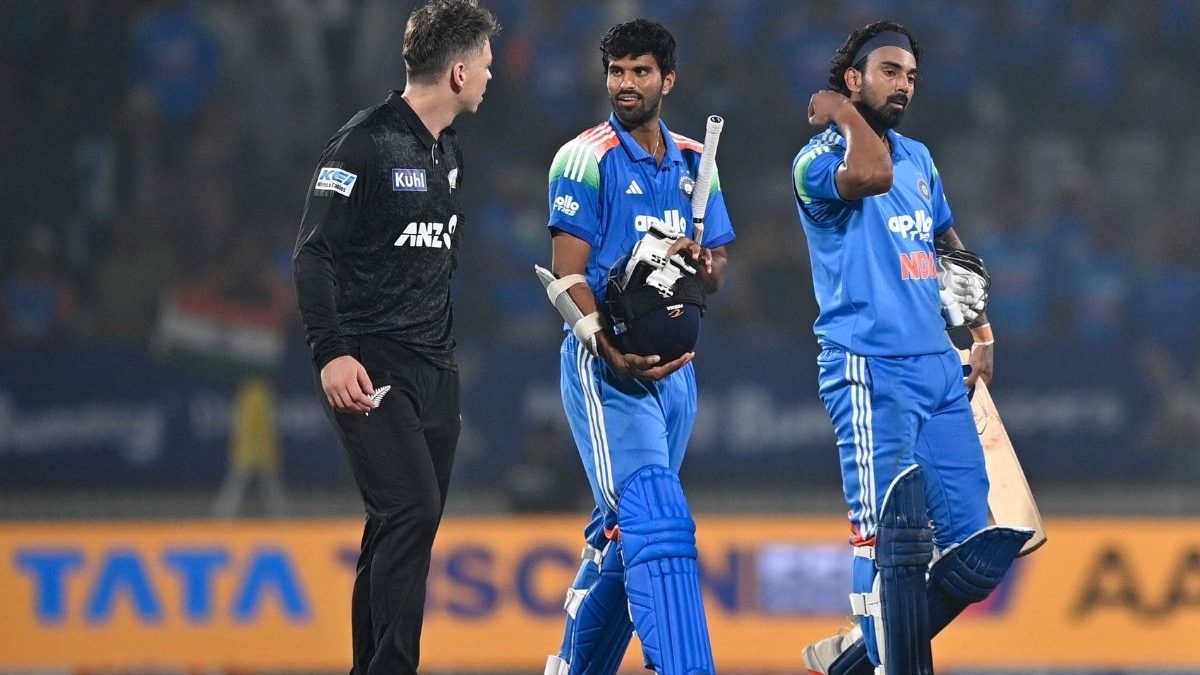 "IND vs NZ Live Score 2nd ODI Updates: Nitish Reddy expected to replace Sundar in playing XI")
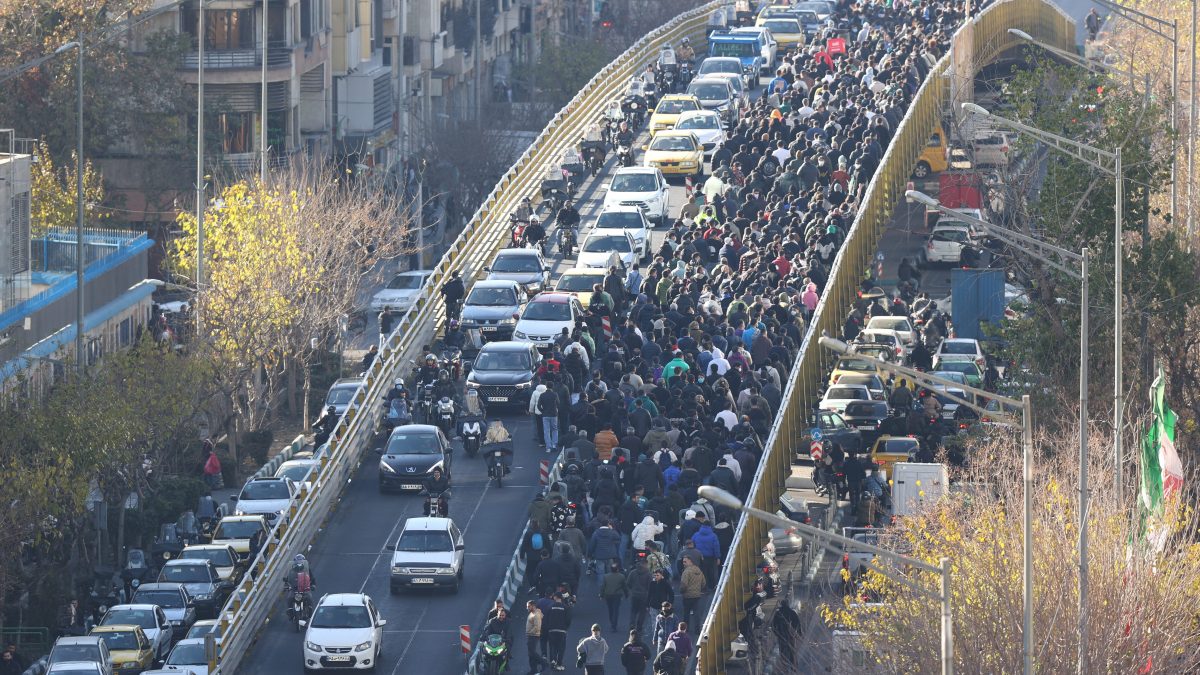 "‘At least 12,000 killed in Iran, much of it during internet blackout’: Report cites govt official")
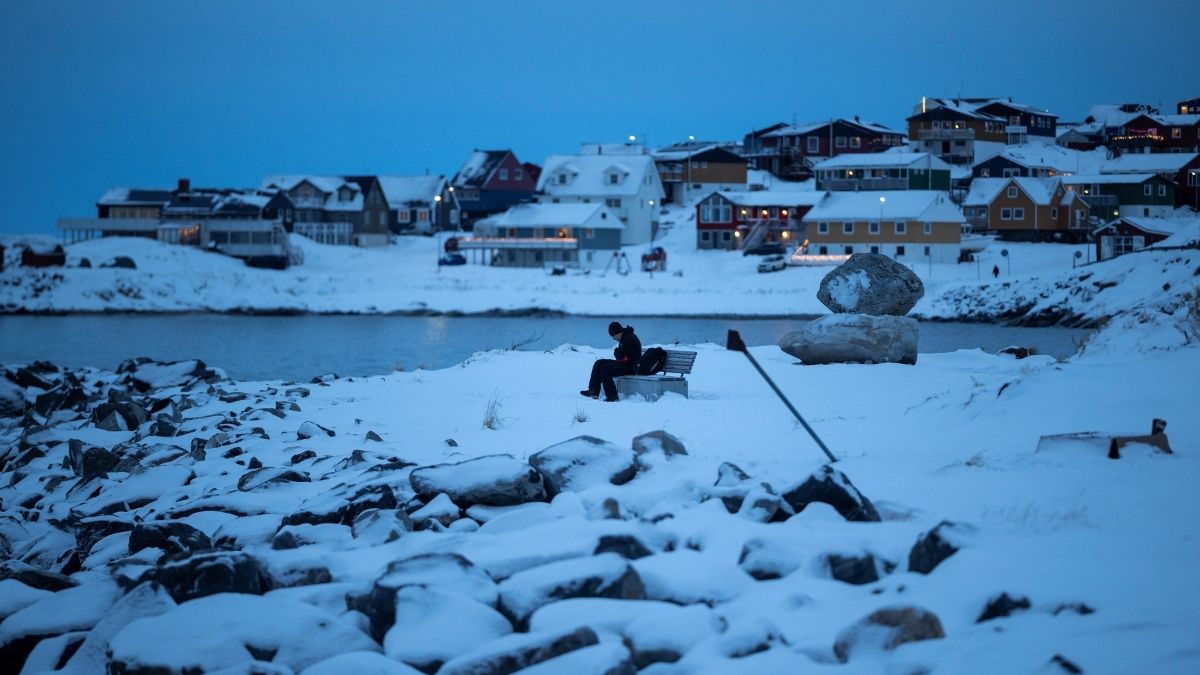 "Will the US really annex Greenland? What a new bill reveals")
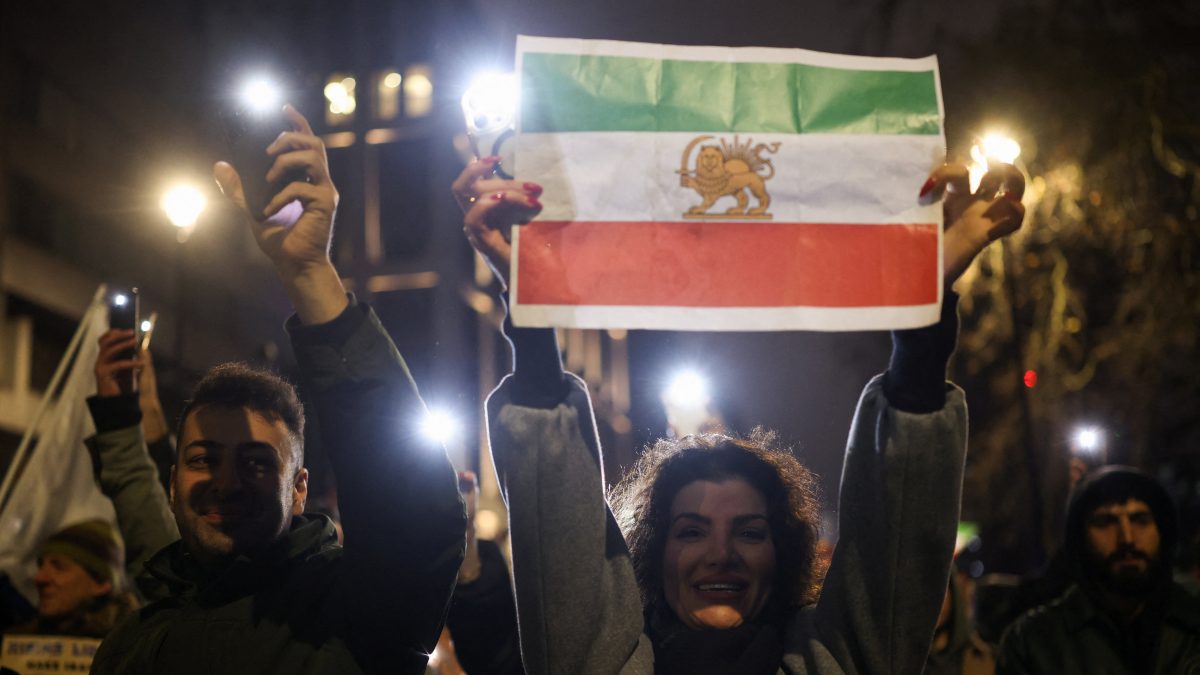 "‘Trump's policy negotiable… Iran unlikely to meet Venezuela fate’: Tehran professor to Firstpost")
 "IND vs NZ Live Score 2nd ODI Updates: Nitish Reddy expected to replace Sundar in playing XI")