 "What your reading habits have to do with national security: UK minister sees a link — and a risk")
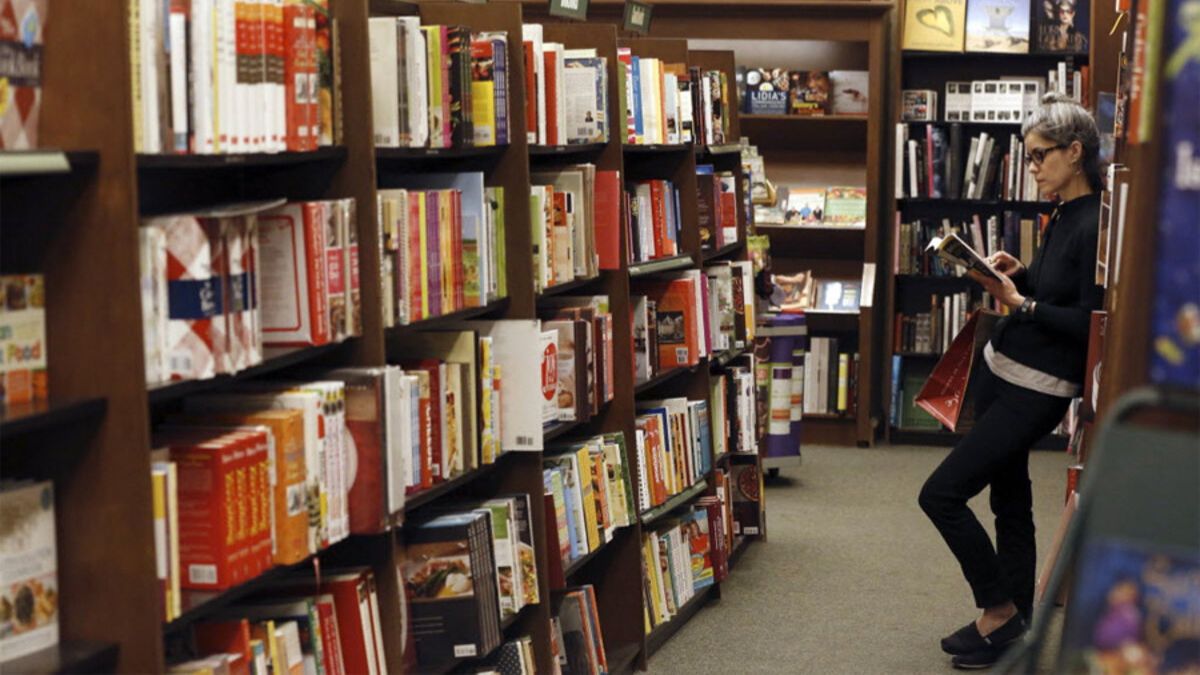
A decline in reading habits among children does not merely mean cultural erosion, but it also amounts to a national security threat, British Education Secretary Bridget Phillipson has warned.
In an article for The Daily Telegraph, Phillipson said the fall in reading habits leaves children more susceptible to disinformation campaigns by adversarial states such as Russia.
The warning has come after the National Literacy Trust found that just 33 per cent of British children over eight enjoy reading in their free time — down from 51 per cent in 2005. To revive reading habits, the British government has declared 2026 the National Year of Reading.
Referring to a recent warning by British spy chief Blaise Metreweli, Phillipson said fostering reading habits is essential to prevent a generation growing up on disinformation.
As part of the National Year of Reading, the government has planned events throughout the year in a concerted campaign to reverse the decline.
‘We need a generation of readers’
Phillipson stressed that reading habits are not simply about being “nice”. She warned that declining literacy and dwindling comprehension could even affect Britain’s national security.
Referring to MI6 chief Metreweli’s warning in December, Phillipson said disinformation campaigns exploiting poor reading skills have emerged as “a dark new frontier” in warfare. She added that declining reading habits mean children cannot distinguish propagandistic outlets masquerading as legitimate news organisations.
“As we’ve heard in recent months, and in December from the new head of MI6, the threat from Russia and other foreign state actors is growing. And a dark new frontier is the disinformation spreading across social media and the wider internet. These threats are more sophisticated than ever, with higher production values designed to appear like legitimate news sources,” said Phillipson.
Quick Reads
View AllThe solution lies in raising a generation of readers who become critical thinkers capable of distinguishing disinformation from genuine news, according to Phillipson.
“To respond, we need a generation of critical thinkers. We need a generation of problem solvers, equipped to dissect what lands in front of them, to value the truth and to reject the easy temptations of the online world. In short, we need a generation of readers,” said Phillipson.
The National Literacy Trust survey revealed that “enjoyment levels dropped for all children and young people regardless of their background in 2025”. The problem was more pronounced among boys as only 25 per cent enjoy reading compared to 33 per cent overall.


 "Trump announces 25% tariff on Iran’s trading partners. How India may be affected")
 "India, US to resume BTA talks after 5 months as Gor pushes for trade deal with 'real friends'")
 "ICC sources rubbish Bangladesh sports adviser’s sensational claim of BCB being asked to drop Mustafizur")
 "Jerome Powell: The 'Fed chair with a spine' taking on Trump")
 "Trump announces 25% tariff on Iran’s trading partners. How India may be affected")
 "India, US to resume BTA talks after 5 months as Gor pushes for trade deal with 'real friends'")
 "ICC sources rubbish Bangladesh sports adviser’s sensational claim of BCB being asked to drop Mustafizur")
 "Jerome Powell: The 'Fed chair with a spine' taking on Trump")