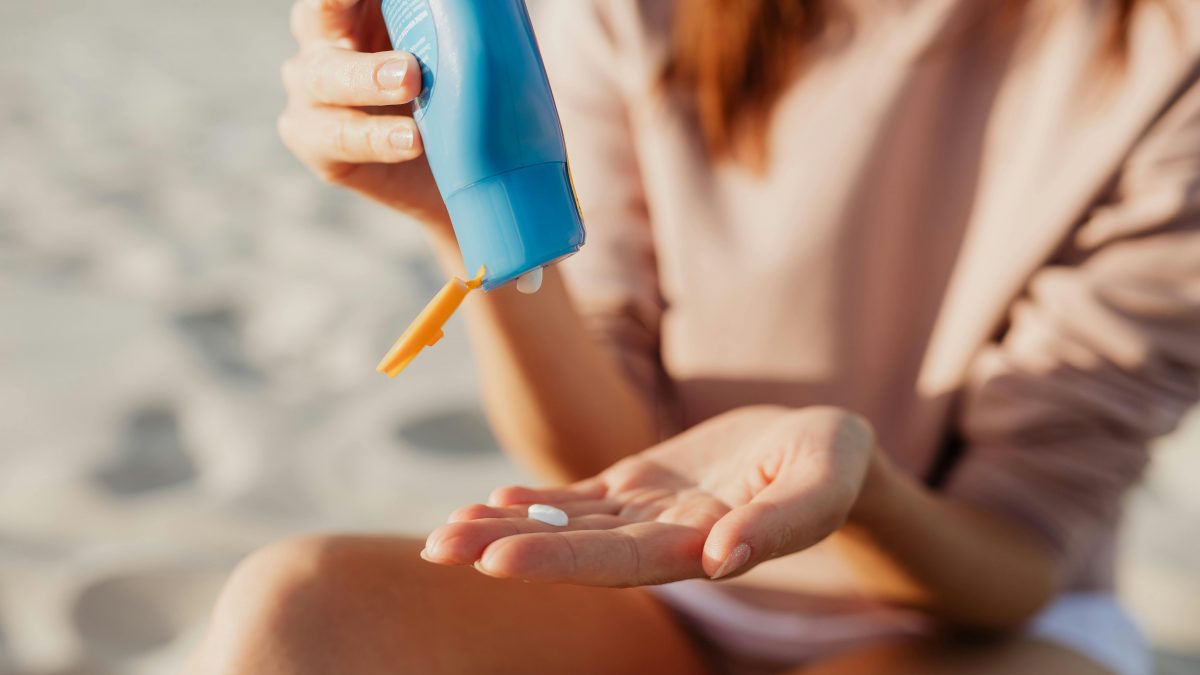
 "Heatwave in India: SPF, PA ratings and what your sunscreen label is actually telling you")
India’s summers have always been intense. But with heatwaves arriving earlier and lasting longer, dermatologists have noted a significant gap in how well most people understand the sun protection they are (or aren’t) using. The problem is not awareness that sunscreen exists. It is awareness of what the numbers and ratings on the bottle actually mean.
What SPF actually measures
SPF, or sun protection factor, is a measure of how well a sunscreen blocks UVB rays—the wavelength responsible for sunburn and a primary driver of long-term skin damage. SPF 30 blocks around 97 per cent of UVB rays. SPF 50 blocks around 98 per cent. The numbers sound close, but in sustained Indian summer heat, where UV index levels regularly hit extreme, that difference compounds over hours of exposure. Dermatologists broadly recommend SPF 50 as the baseline for outdoor use in Indian conditions, with reapplication every two hours. The number on the bottle also assumes a specific amount of product applied.
What the PA rating measures
Most people check the SPF number and stop there. For Indian skin, that is only half the picture. PA ratings, marked as PA+, PA++, PA+++ or PA++++, measure protection against UVA rays, which penetrate deeper into the skin and primarily drive pigmentation, melasma and premature ageing. Indian skin has higher melanin levels, which offer some natural protection against sunburn but not against UVA rays, as they can penetrate clouds, glass windows and even indoor lighting.
An SPF 30 with PA++++ will offer better protection against tanning than an SPF 50 with only PA+. The PA rating is what stops a tan, not just the SPF number. PA+++ offers high UVA protection suitable for most daily activities, but for prolonged outdoor exposure or melasma-prone skin, PA++++ represents the highest level of UVA protection currently available.
Chemical vs mineral: which works in Indian heat
Chemical sunscreens absorb UV rays and convert them to heat, while mineral sunscreens containing zinc oxide or titanium dioxide sit on top of the skin and physically block them. Hybrid formulas combining both mechanisms are increasingly common in the Indian market, balancing broad UV coverage with a more wearable finish. In high humidity, gel-based or ultra-lightweight formulas tend to feel less heavy and are less likely to cause breakouts throughout the day.
You are probably not using enough
The most common mistake is applying too little. The standard recommendation is two milligrams per square centimetre of skin, which translates to about a quarter teaspoon for the face alone. Most people apply far less than this, which means even a high SPF sunscreen is performing significantly below its stated protection level. Apply it as the last step of your morning routine, 15 to 20 minutes before stepping out, and reapply every two hours if you are outdoors.
With UV index levels regularly hitting extreme levels across Indian cities through summer, sunscreen is no longer just a skincare step. It is basic health protection and getting it right matters more than the brand on the bottle.


 "US-Israel Iran War Live Updates: Blasts heard across Doha as Iran’s Gulf strikes enter 12th day; Qatar intercepts new missile attack")
 "Explained: Where does India get its oil and gas from?")
 "Iran War: Oil to remain above $95 for next two months, says Trump administration")
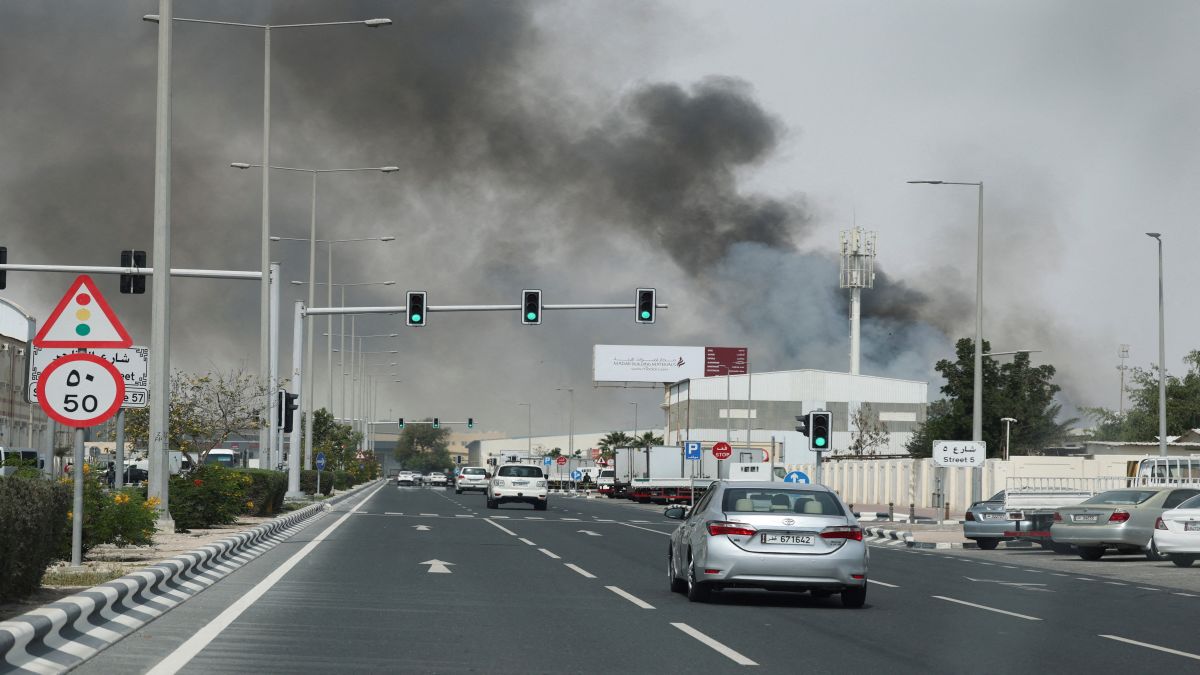 "Qatar rejects mediation role until attacks stop, says 'regional neigbours are not Iran's enemies'")
 "US-Israel Iran War Live Updates: Blasts heard across Doha as Iran’s Gulf strikes enter 12th day; Qatar intercepts new missile attack")
 "Explained: Where does India get its oil and gas from?")
 "Iran War: Oil to remain above $95 for next two months, says Trump administration")
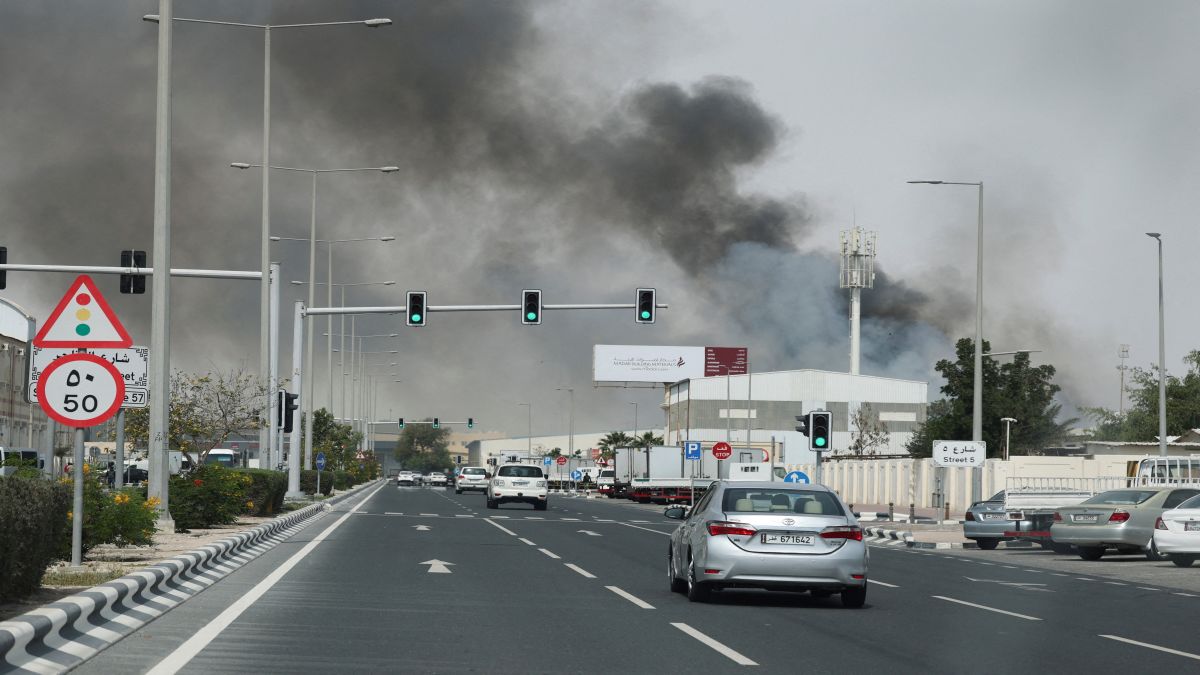 "Qatar rejects mediation role until attacks stop, says 'regional neigbours are not Iran's enemies'")