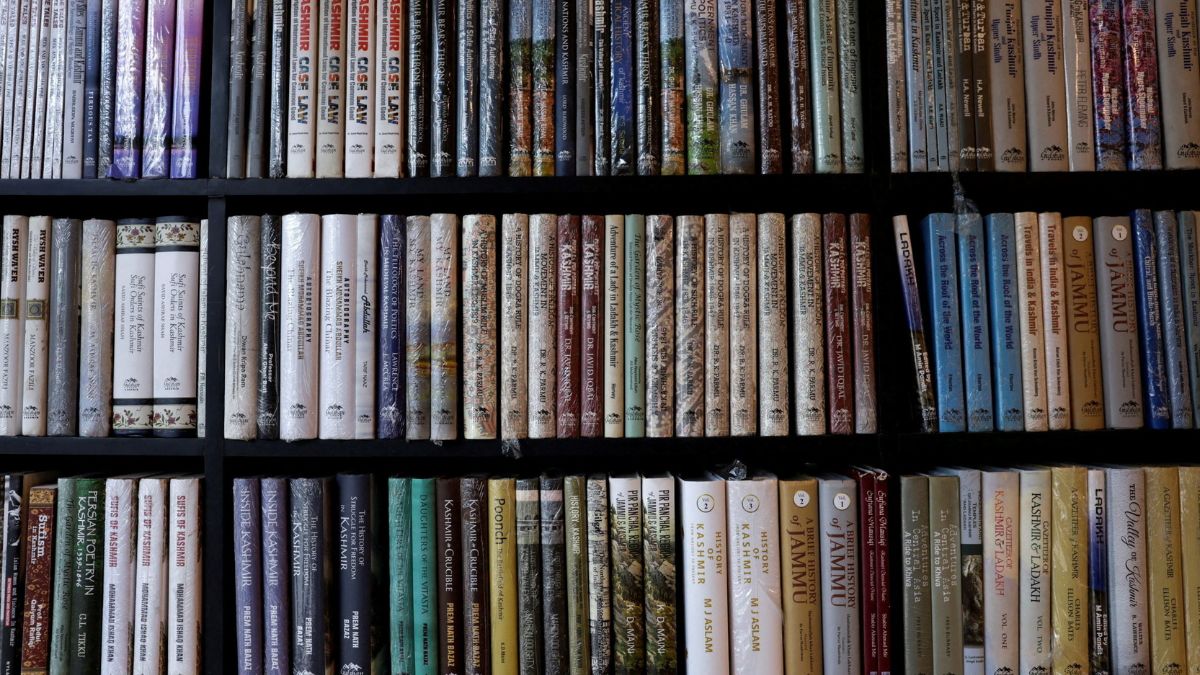
 "5 books by Indian authors to gift someone else, or yourself, this year")
If you’re still figuring out gifts, books remain one of the few options that feel thoughtful and offer more than novelty. They are easy to pick up at the last minute, and often end up being more memorable than planned purchases.
This year’s Indian writing has been particularly strong, across fiction, memoir, and short stories, with several of these titles earning major literary awards and international recognition. These are books you can gift to someone else, or quietly buy for yourself. Either way, they go beyond seasonal reading. They stand among the most compelling books of 2025.
The Heart Lamp by Banu Mushtaq
Written originally in Kannada over three decades, The Heart Lamp follows women and girls moving through faith, family, and quiet negotiations with authority in southern India. The collection of short stories unfolds in kitchens, courtyards, and conversations that feel ordinary until you realise how much is at stake. Mushtaq’s characters stay with you: stubborn grandmothers, perceptive children, weary mothers who carry more than they should. It’s social realism without spectacle, deeply political without posturing. A thoughtful choice for readers looking to explore Indian writing beyond the metropolitan gaze, through stories that feel lived-in and enduring.
Mother Mary Comes to Me by Arundhati Roy
In her long-awaited memoir, Roy writes about her mother with honesty that is both tender and unsparing. Moving between personal memory, legal battles, and political awakening, the book reflects on how inheritance is shaped as much by resistance as by love. A deeply affecting read that opens up complicated feelings around family, voice, and the mothers who shape who we become. This is a book for readers who enjoy memoirs that blur the line between the personal and the political.
Meet the Savarnas: Indian Millennials Whose Mediocrity Broke Everything by Ravikant Kisana
Kisana takes apart urban India’s unspoken caste codes with wit and precision. From taste and language to who gets to pass as “cultured,” the book shows how privilege quietly shapes everyday life. Rather than focusing on marginalisation alone, it interrogates complicity, language, and institutional power. The book also opens into quieter moments of vulnerability, offering glimpses of life shaped outside inherited privilege. Self-aware and incisive, it is both a critique of the ecosystem that produced it and a book that will be eagerly consumed by it. A compelling pick for readers interested in caste, culture, and urban India.
A Guardian and a Thief by Megha Majumdar
Set in a near-future Kolkata shaped by climate collapse, this novel follows two families whose lives collide after a single act of theft. Majumdar uses this intersection to examine survival, morality, and the quiet violence of inequality, especially when children are involved. Urgent and emotionally sharp, the book blurs easy distinctions between right and wrong, asking who gets to be seen as “guardian” or “thief” when fear and love drive every decision. A must for readers who gravitate towards socially grounded fiction, or anyone interested in how climate anxiety and inequality are reshaping the stories we tell.
The Loneliness of Sonia and Sunny by Kiran Desai
Nearly 20 years after her previous novel, Desai returns with a sweeping story that follows Sonia and Sunny across India and the United States, exploring migration, class, race, and belonging. The story unfolds at an unhurried pace, more interested in emotional textures and interior lives than dramatic turns. The book also reflects on what it means to be an Indian writer, and an Indian reader, in a globalised world. Desai’s attention to detail is relentless, every character feels fully inhabited, and the writing moves effortlessly between humour, philosophy, and quiet sadness. It also found a place on Barack Obama’s annual favourites list, cementing its global resonance. This is a book for readers who enjoy immersive literary fiction and are happy to live inside a story for a while.
Why Books Still Make Thoughtful Gifts
Unlike many seasonal purchases, books do not demand immediate use or attention. They wait. In a season crowded with excess, gifting a book feels like an invitation to slow down, reflect, and return to it when the time feels right. And if you end up keeping one for yourself, that counts too.

 "US-Venezuela Tensions Live Updates: Maduro pleads not guilty, says ‘I was kidnapped’ in court")
 "Gunfire in Caracas: A coup attempt or forces firing at drones? Bolivian Army of Venezuela in spotlight")
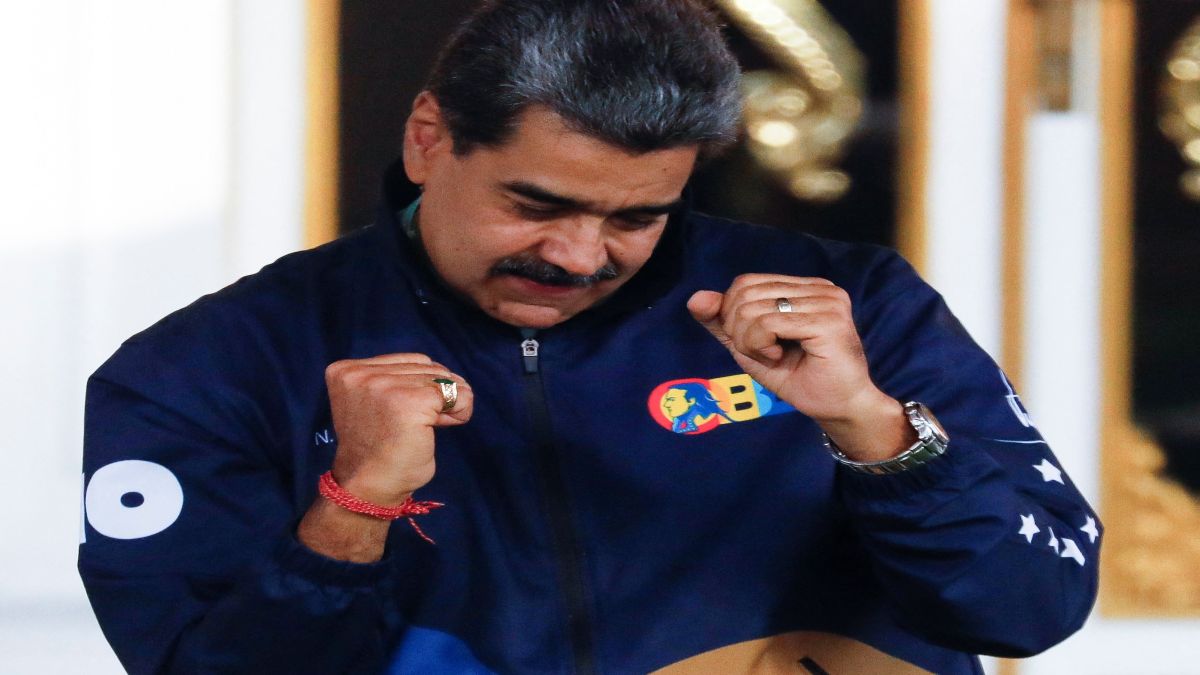 "Costly moves? Did Maduro’s dances trigger Trump to attack Venezuela?")
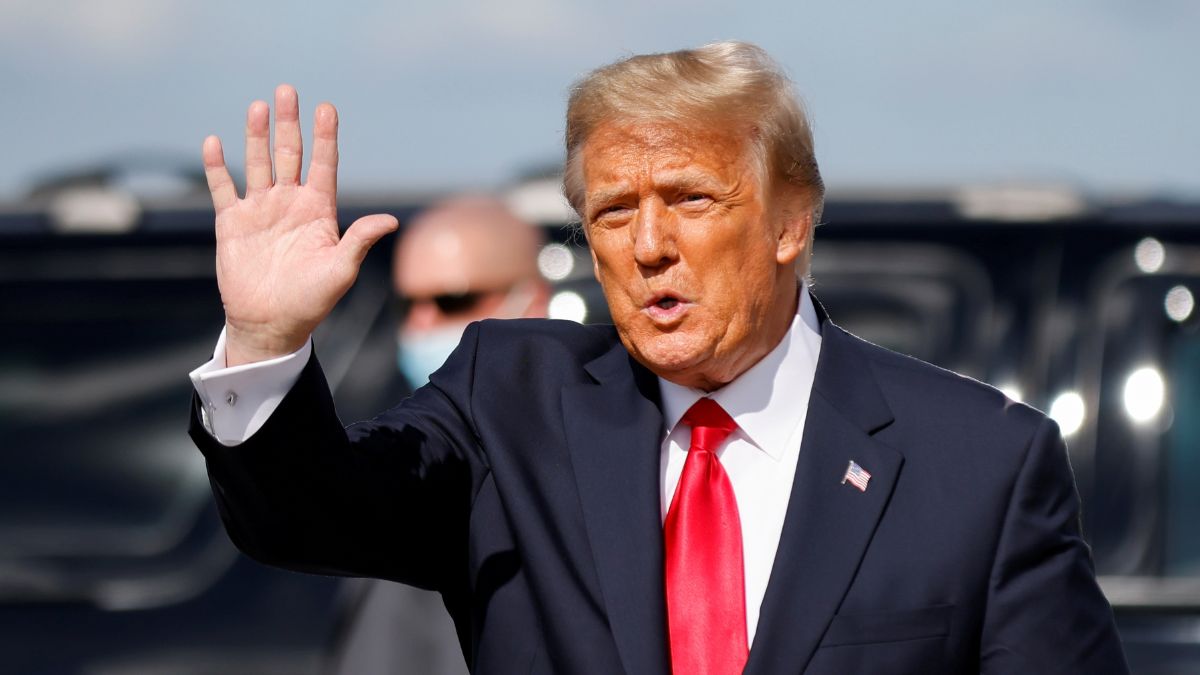 "Weeks before Maduro raid, Trump told oil companies to ‘get ready’ for Venezuela: Report")
 "US-Venezuela Tensions Live Updates: Maduro pleads not guilty, says ‘I was kidnapped’ in court")
 "Gunfire in Caracas: A coup attempt or forces firing at drones? Bolivian Army of Venezuela in spotlight")
 "Costly moves? Did Maduro’s dances trigger Trump to attack Venezuela?")
 "Weeks before Maduro raid, Trump told oil companies to ‘get ready’ for Venezuela: Report")