

 "Why ‘The Economist’ gets so economical with truth when it comes to India and Indians")
“With great power comes great responsibility.” This line comes to mind while reading The Economist’s article “ Why Brahmins lead Western firms but rarely Indian ones”, which scores very high on writing style but hits a nadir when it comes to research and understanding of Indian society. It also smacks of arrogance and prejudice towards India and Indians. In the article, there’s nothing to divulge but insinuate, vituperate and instigate racism against Brahmins. The Economist, being a ‘great’ publication, seems to be completely oblivious of its ‘responsibility’ part! As Hindu scriptures clearly state_, “Parents who do not educate their children are their enemy, their kids do not fit among civilised ones just as the heron among the geese_ (माता शत्रुः पिता वैरी येन बालो न पाठितः**,** न शोभते सभामध्ये हंसमध्ये बको यथा**)****.”** Here there is no categorisation of Brahmin or Shudra, just parents irrespective of their castes, creeds or religions. The Economist’s article spits venom on Brahmins with three claims: First, that Indians are dominating the C-suites of global conglomerates, with most of them being Brahmins. Second, that Brahmins don’t find places at the top positions in Indian corporations because they are dominated by Baniyas. Third, that Brahmins leave India due to affirmative-action policies hindering their opportunities. Now, let us decode the art of making truth vanish in the air, the “Economist” style. The article harnesses the age-old canard of Brahmin privilege, which surely exists only in the minds that see India as an “imagined community”. The usage of terms like “tradition of bookishness” very much resonates with Hitler’s anti-Semantic propaganda. Demonise an entire section of people using the classic omission and commission practices and interweave racism to make way for annihilation. First, unlike money, knowledge isn’t acquired under heirship. Each individual has to study by himself, and if someone helps his children study, it is to be appreciated. The Economist said that Brahmin students of world-class institutions like IITs and IIMs enjoy some sort of privilege, but they fail to mention that all of these Indian CEOs undertook their education in the 1980s and the 1990s. They studied in IITs for four years, before that they studied in government primary and secondary schools, and most of the government schools had job reservations for SC/ST and OBC communities. The Economist does acknowledge that the government policies dominated private academia and enterprises before the 1990s. So, by its own logic, these CEOs might have been largely taught by members of SC/ST and OBC communities. This implies the onus for this disparity with SC/ST/OBC students is on those SC/ST/OBC teachers who ensured that Brahmin students are “prepared well” at the cost of others! That’s a bit satirical, if not paradoxical, so to speak. But why does The Economist think that its readers are so gullible? They pondered over the affirmative action policies, and while it seems to be partially true, did they dare to scrutinise its effects on the very class of people it supposedly claimed to favour? The number of dropouts in IITs and IIMs from the students of those communities? Reasons behind this? It is a child’s play to understand that there’s no other motivation behind such literary propaganda than to peddle racism. The Economist failed to mention the life struggles of Sundar Pichai, while his story is famous across all motivational Instagram pages in India. Does his story of struggle and success deserve to be buried under the hateful Brahmin bashing narrative? I remember Nadella vouching for illegal immigrants from Bangladesh to take up leadership roles in India recently, but that doesn’t seem to have pleased The Economist enough to not see him, quite erroneously, a product of Brahmanism. It simply failed to give Nadella any immunity from marginalising his role in tripling Microsoft’s fortunes. It’s ironically funny that Shiv Nadar and Azim Premji lost their credibility as successful businessmen just because they didn’t fit in The Economist’s narrative. So, no matter what background one comes from, if they’re successful, it’s because they belong to the same caste. Isn’t it casteist? Anybody who knows even a bit about how the corporate world works, will tell you that caste can’t be a defining feature in appointments there. None of the CEOs is ever heard discussing their caste, nor do they hire on that basis — their employers (owners, shareholders) come from entirely different ethnicities and religions, making the caste factor completely irrelevant. These people have long left India, yet some intellectuals like Dilip Mandal continue to hound them. Imagine what Pichai or Nadella would have gone through if they’d stayed here. To find people’s castes and persecute them for belonging to a certain lineage is what casteism and racism are defined as. Logic doesn’t matter to such authors and platforms because at the core of their work lies the real racist ideology shared by the likes of Hitler. The world has become a global village today, so have the citizens. On the contrary, people who continue to avail the benefits of reservation are the real enemy of their own community: They continue to enjoy the benefits for generations, whereas their neighbours remain poor. One Amar Singh Choudhary was Chief Minister of Gujarat. His son got a medical seat on the ST quota, only to become a politician, and now his daughter is also admitted to medical college on the same quota. This will go on and on. One wonders when The Economist will stop being economical with truth, especially when it comes to India and Indians! The writer is a researcher with NIT Surat. Views expressed are personal. Read all the Latest News , Trending News , Cricket News , Bollywood News , India News and Entertainment News here. Follow us on Facebook, Twitter and Instagram.
The magazine’s recent article, ‘Why Brahmins lead Western firms but rarely Indian ones’, not just showcases its lack of understanding of Indian society, but also smacks of arrogance and prejudice towards India and Indians
Advertisement
End of Article


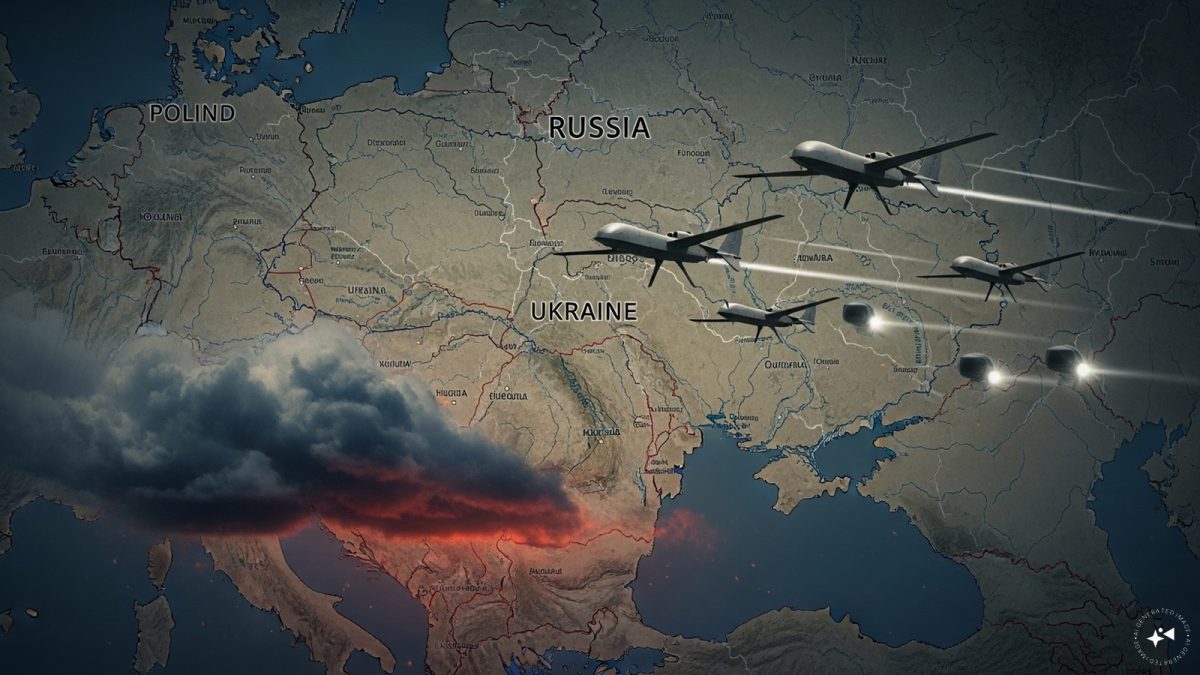 "Russian drones over Poland: Trump’s tepid reaction a wake-up call for Nato?")
 "As Russia pushes east, Ukraine faces mounting pressure to defend its heartland")
 "Why Mossad was not on board with Israel’s strike on Hamas in Qatar")
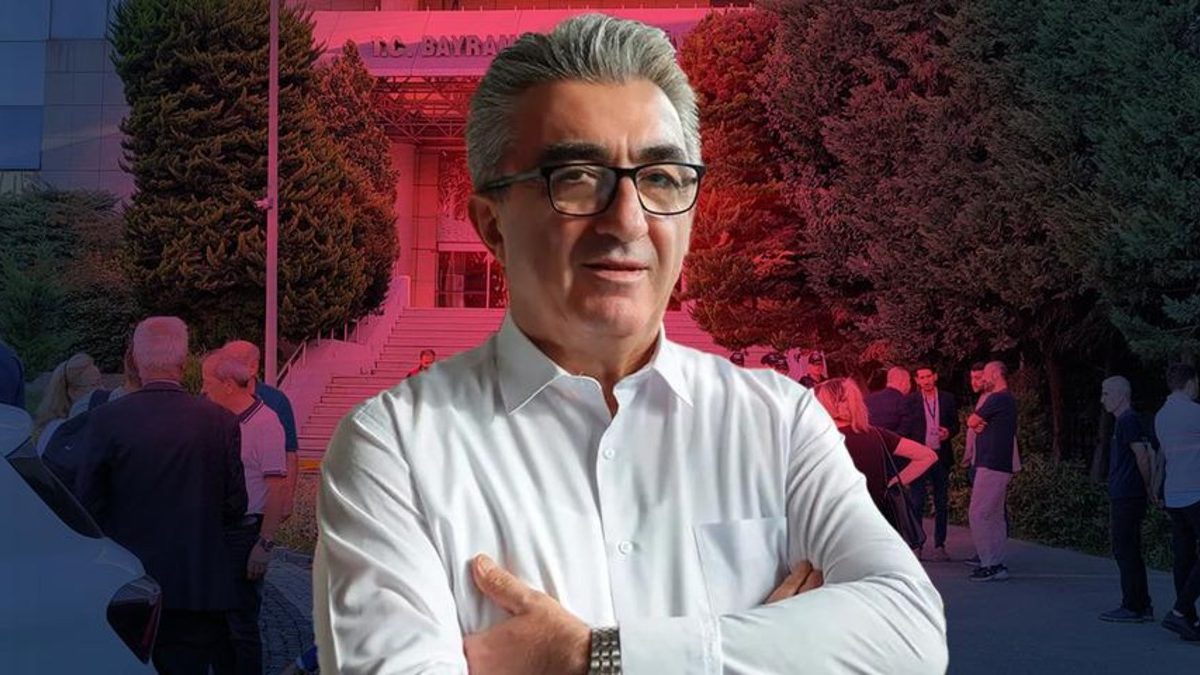 "Turkey: Erdogan's police arrest opposition mayor Hasan Mutlu, dozens officials in corruption probe")
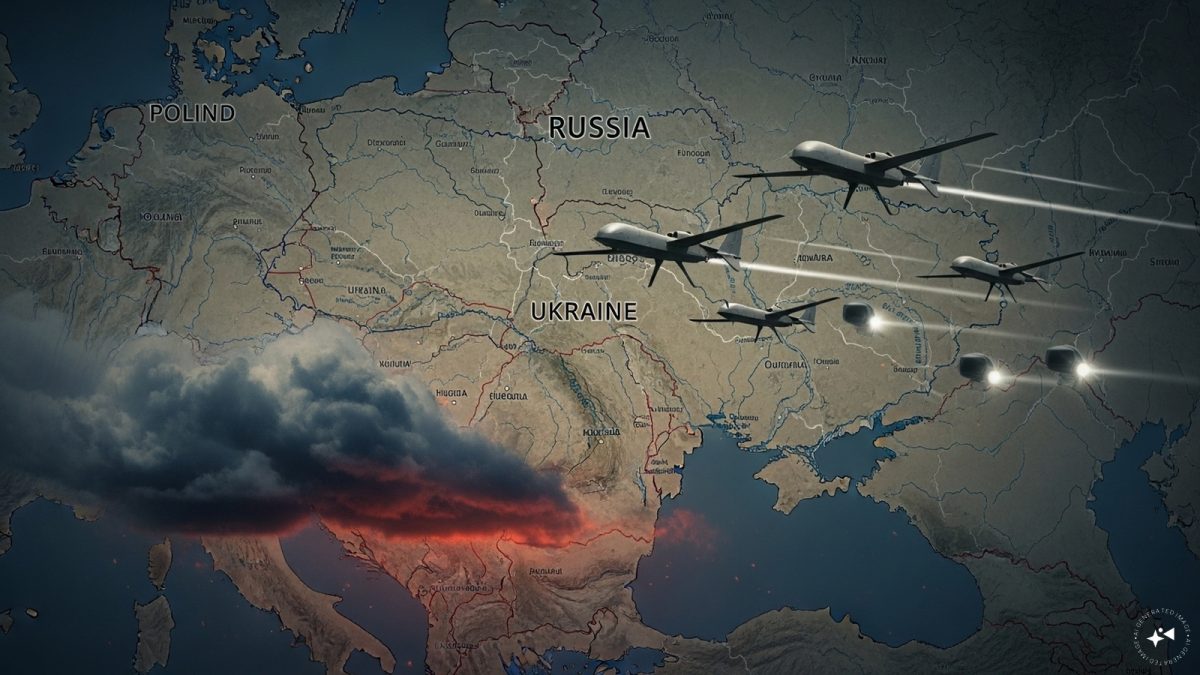 "Russian drones over Poland: Trump’s tepid reaction a wake-up call for Nato?")
 "As Russia pushes east, Ukraine faces mounting pressure to defend its heartland")
 "Why Mossad was not on board with Israel’s strike on Hamas in Qatar")
 "Turkey: Erdogan's police arrest opposition mayor Hasan Mutlu, dozens officials in corruption probe")



