 "Tough march to justice: Why India’s court martial system needs freedom from military hierarchy")
At the best of times, military law and its application can stump die-hard practitioners of laws for various reasons, ranging from questions of jurisdiction, balancing human rights of soldiers against the need to maintain discipline in the forces, and above all the contentious issue when military operations cross the line to take on the shape of a criminal offence. At a time when there is a debate in India over the need for the Armed Forces Special Powers Act (AFSPA) to maintain peace in insurgency-affected states and an increasing demand for its repeal particularly after the recent incidents in the North East, a new book March to Justice: Global Military Law Landmarks looks at how these inherent contradictions have been dealt with across the world. The book is a collection of essays by jurists, lawyers and academics from across the world, and edited by two top military lawyers Navdeep Singh and Colonel Franklin D Rosenblatt.
Are we unique in having a military that sometimes commits human rights excesses in the line of duty? The reflex response in militaries the world over is to rush to shield their soldiers from civilian backlash. Take refuge in the military courts that are generally in-house mechanisms, notorious for opaque and impartial rulings given out by uniformed officers with scant understanding of the law. How have mature democracies like the US and the UK battled opposition from their militaries to set up processes, independent of the armed forces and the Ministry of Defence. Civilians in key positions who are not under the military command and control are now part of the prosecuting authority in these countries.
A landmark case from Israel, also called the trial of the Hebron shooter, illustrates how difficult, but not impossible, it is to bring to justice an errant soldier. Judge Maya Heller, who withstood physical threats and intimidation from civil society and the Israeli polity to deliver her judgement, writes in her book, “Despite the public uproar and perhaps to its credit… this was the military justice system’s finest hour.” The matter relates to Sergeant Elor Azaria, an Israeli Defence Forces (IDF) soldier who on 24 March 2016 shot in the head and killed a Palentinian terrorist Abdel al-Sharif when the latter was lying wounded on the ground after a military operation in Tel Rumeida in Hebron. His trial by a military court headed by judge Heller triggered severe reactions within Israeli society. Many believed that even if Azaria had shot a wounded terrorist, he acted properly, since a terrorist who intended to kill soldiers and civilians deserved to die. Others argued that even if he did “exercise flawed judgement, legal proceedings should not be initiated against him, given… that he is a soldier who was serving by virtue of a statutorily mandated duty… and was putting himself at risk to protect local residents and state citizens”.
Members of the military and top Israeli politicians called Azaria a nationalist and sought his discharge. On the day the ruling that convicted him of manslaughter and 18 months’ imprisonment was delivered, there were mass protests in Tel Aviv and also outside the military court in Jaffa. The judges on the bench were threatened; Heller was called a Nazi. But as she notes, though the case was of concern to senior echelons of the defence establishment, Azaria’s conviction became possible because Israel’s military justice system has over the years been regulated and amended to ensure the judge’s judicial independence and to establish the status of the Military Courts Unit as an integral part of the judicial authority in Israel, alongside being an IDF unit. In other words, as independent, unbiased courts protected from vested influence.
Quick Reads
View AllJudge Jeff Blackett, a former Judge Advocate General of the UK, recalls how when the Service Justice System was changed through the Armed Forces Act 2006, in the UK, whereby standing court martial was created as opposed to ad hoc trials which were convened and dissolved with each trial, the independent system created tension. “The military viewed civilianisation with suspicion and there was a perception that the civilians do not properly understand the ethos and culture of the armed forces and their personnel.”
As the UK’s military justice system moved from a military-led and run system, which the forces believed had served them well for so long, to the independent and impartial judicial-led system of today, it took time for the forces to come to terms with the fact that they no longer controlled their disciplinary system. All militaries fear a truly independent system and do not wish to relinquish control as it is seen as detrimental to operational effectiveness and could undermine discipline. Nevertheless, the reformed system delivered and the military in the UK has accepted it for the simple reason that it delivers justice fairly.
In the US, the controversy is over the misuse of the military justice system to prosecute non-service connected offences. Professor Eugene R Fidell, a leading New York-based military lawyer, gives the example of a member of the US Marine Corps who was charged in connection with a homicide that occurred off base. The victim was not connected to the armed forces, but the Marine Corps got involved when the local grand jury refused to indict the soldier. The deceased’s family lobbied the Marine Corps to exercise court martial jurisdiction to convict him.
But “the system was not intended to serve as a fall back for cases in which victims or others feel a state defendant has cheated the hangman,” he notes. This is undesirable because it tends to buttress the notion that the military is a separate society. Even though the US has been a leader in military justice reform by granting direct appellate review by the Supreme Court in 1983 or when it applied the civilian Rules of Evidence to court martial, yet “the country continues to assert an excessive claim to court martial subject matter jurisdiction”.
The Indian military justice system, on the other hand, suffers from lack of independence from the military hierarchy that exerts command influence on court martial. “The very concept of independence remains hazy even to members of court martial (who are not legally qualified).” But worse is that there is institutional resistance to change and organisational inertia.
Aditya S Puar, in a blistering takedown, noted, “The current system of military justice does not meet the basic norms of independence or separation of powers guaranteed by the Constitution of India. Most democracies have moved on, but we are clinging to a system long aborted by others. The US has proper military judges. In the UK, the Judge Advocate General is a judge functioning under the Ministry of Law and Justice and is civilian. Whereas in India, service in the JAG branch is a judicial service only theoretically but in practice the officers function as advisers without any judicial or executive role.”
The court martial, rather than being a standalone independent self-contained, confident institution, acts more as a wing or an extension of the convening authority, thus resulting in an overreliance of the entire system on the official side rather than maintaining a balance. The biggest infirmity is that the convening authority decides on the charges against the accused, appoints the president and other members of the court martial board and later confirms the findings and sentence post-trial. Though this enables the chain of command to maintain control over disciplinary matters, it compromises on the basic tenet of justice — of independence of the court.
Chander Suta Dogra is a journalist and author. Views expressed are personal.
Read all the Latest News, Trending News,
Cricket News, Bollywood News,
India News and Entertainment News here. Follow us on
Facebook,
Twitter and
Instagram.

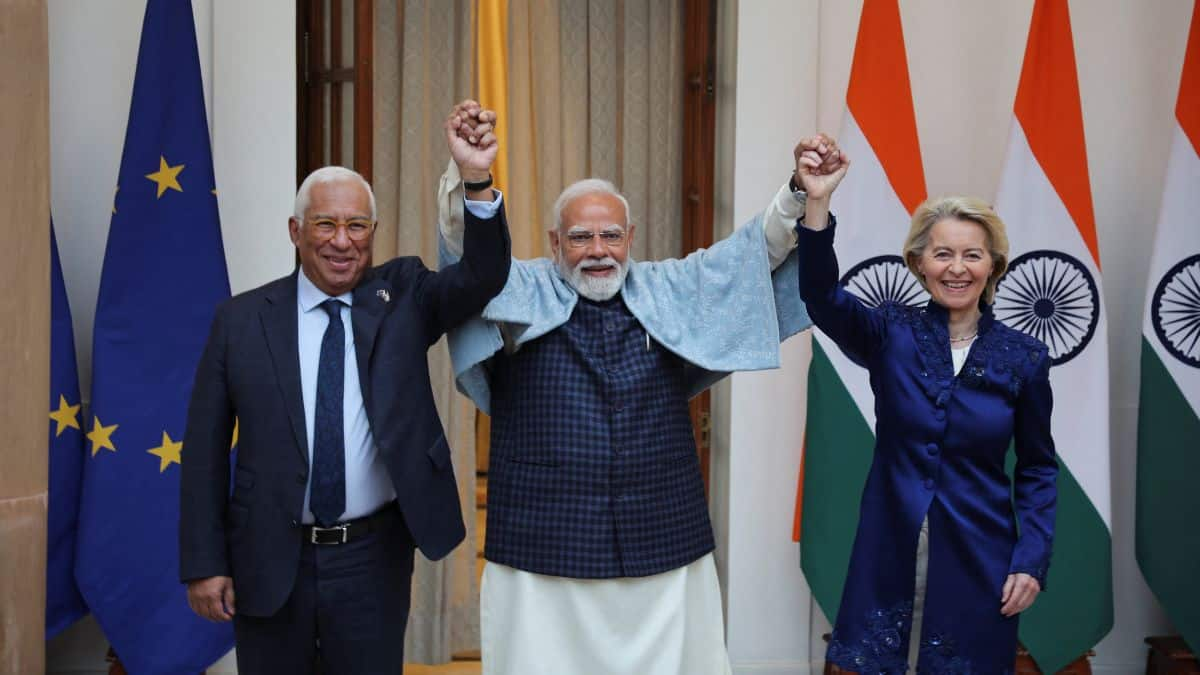
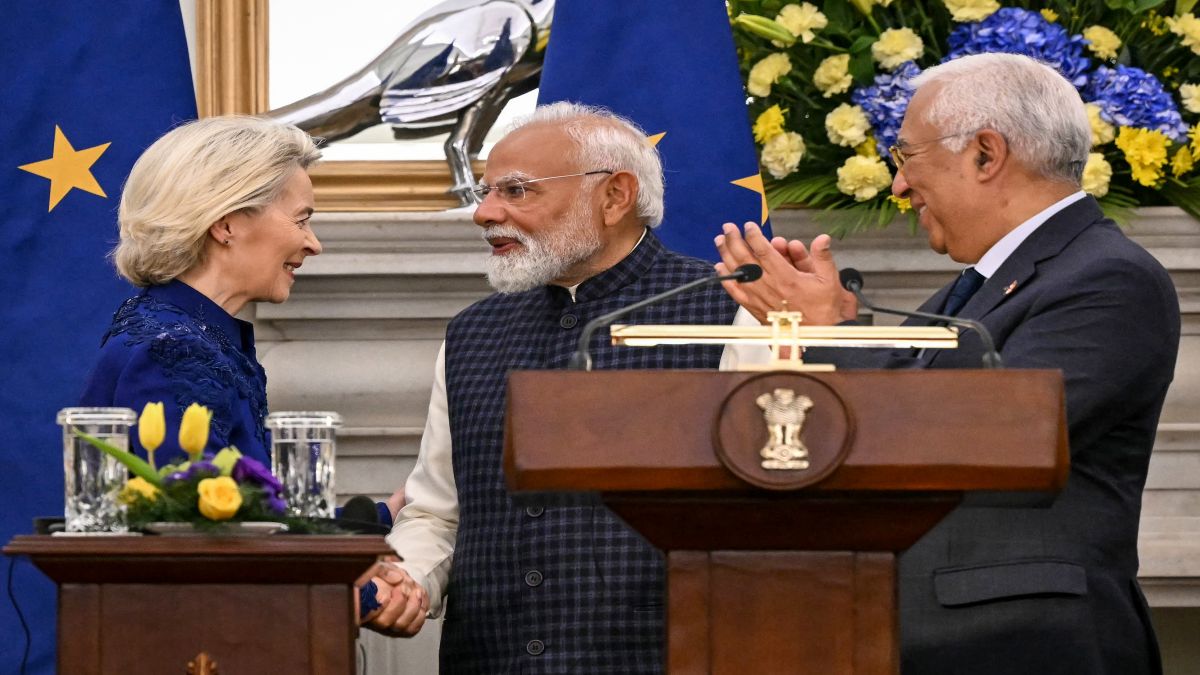 "India–EU FTA to benefit Rs 6.4 lakh crore exports across key states and sectors, says Piyush Goyal")
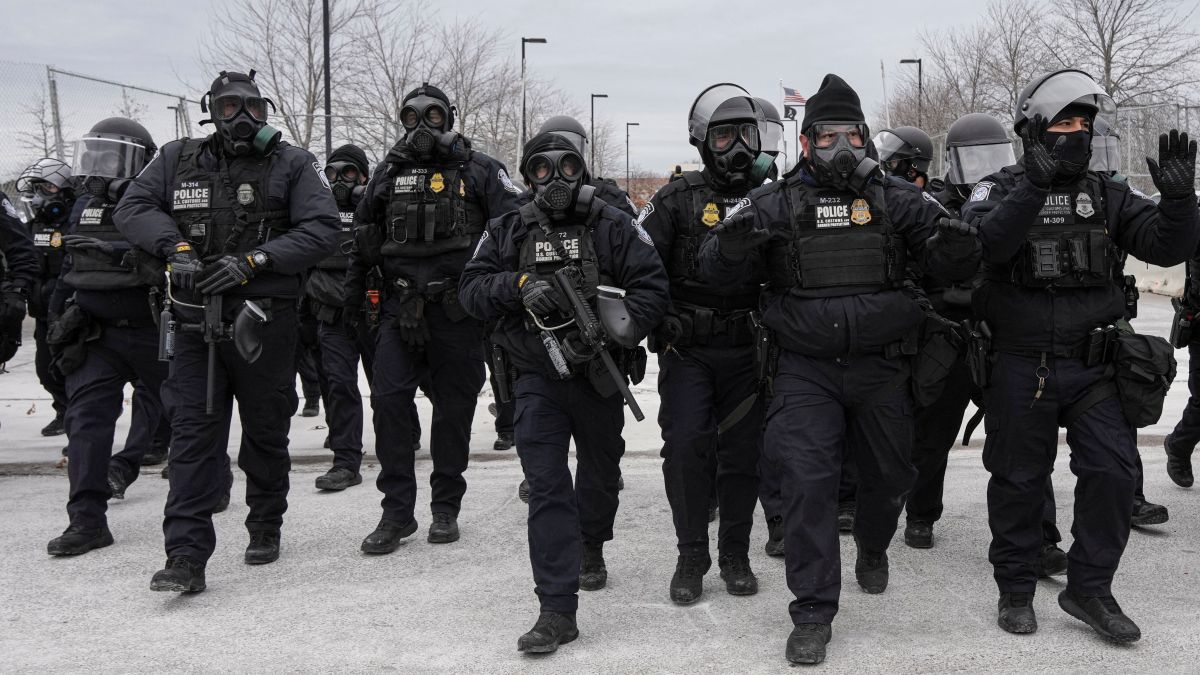 "Minnesota judge orders ICE chief to appear in court, warns of contempt over ignored orders")
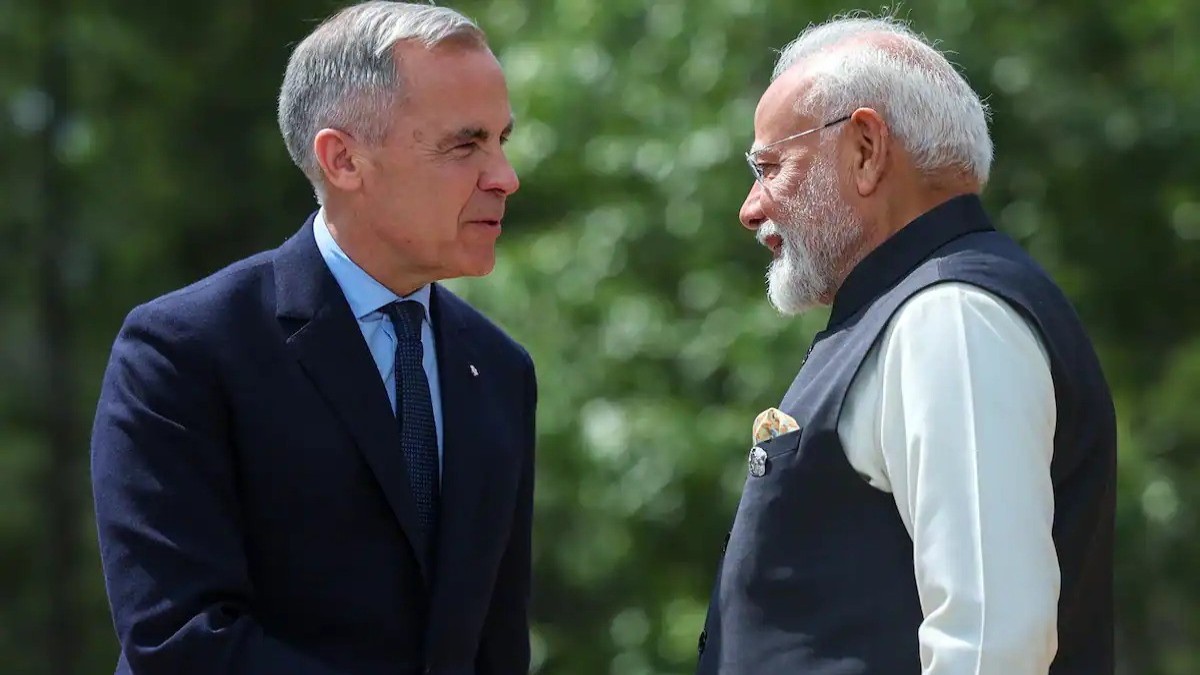 "Will reset in Indo-Canada ties be complete with Carney's visit?")
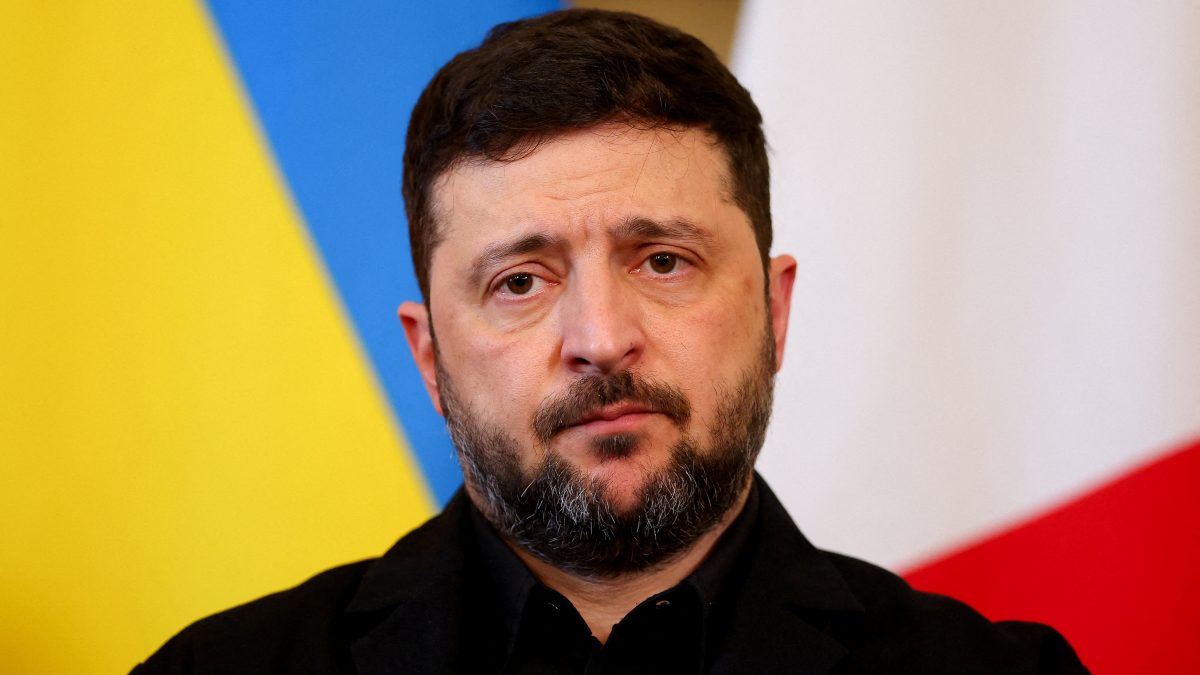 "Zelenskyy sets 2027 target for Ukraine’s EU accession, stresses security guarantees")
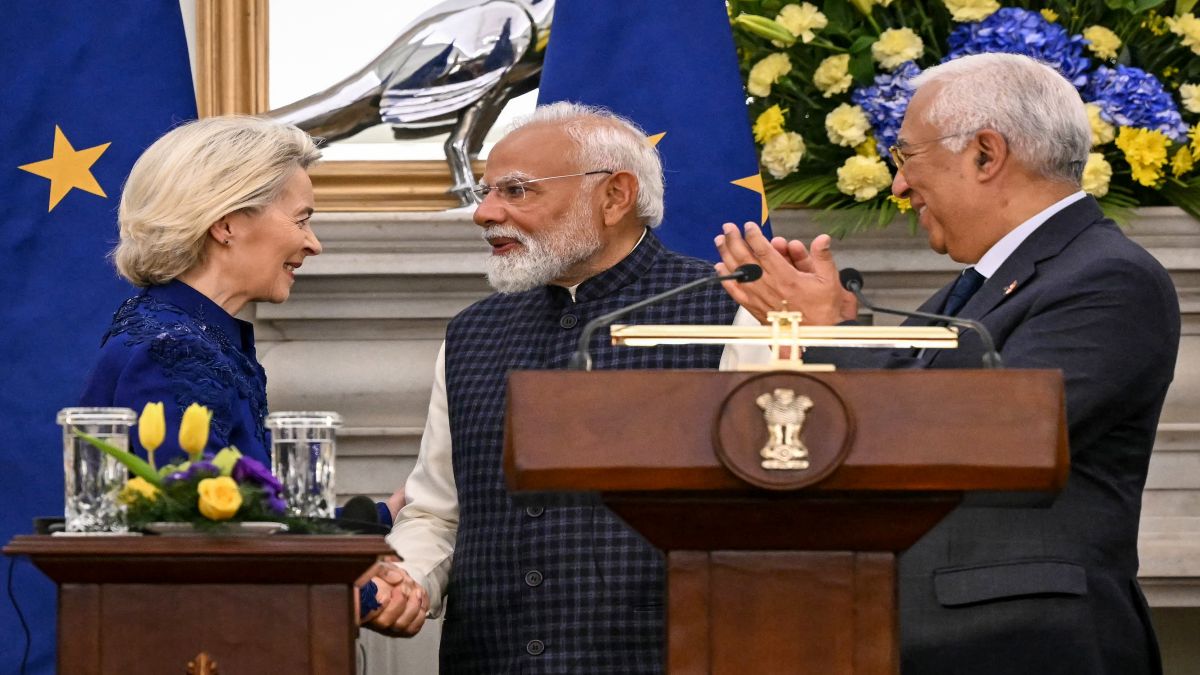 "India–EU FTA to benefit Rs 6.4 lakh crore exports across key states and sectors, says Piyush Goyal")
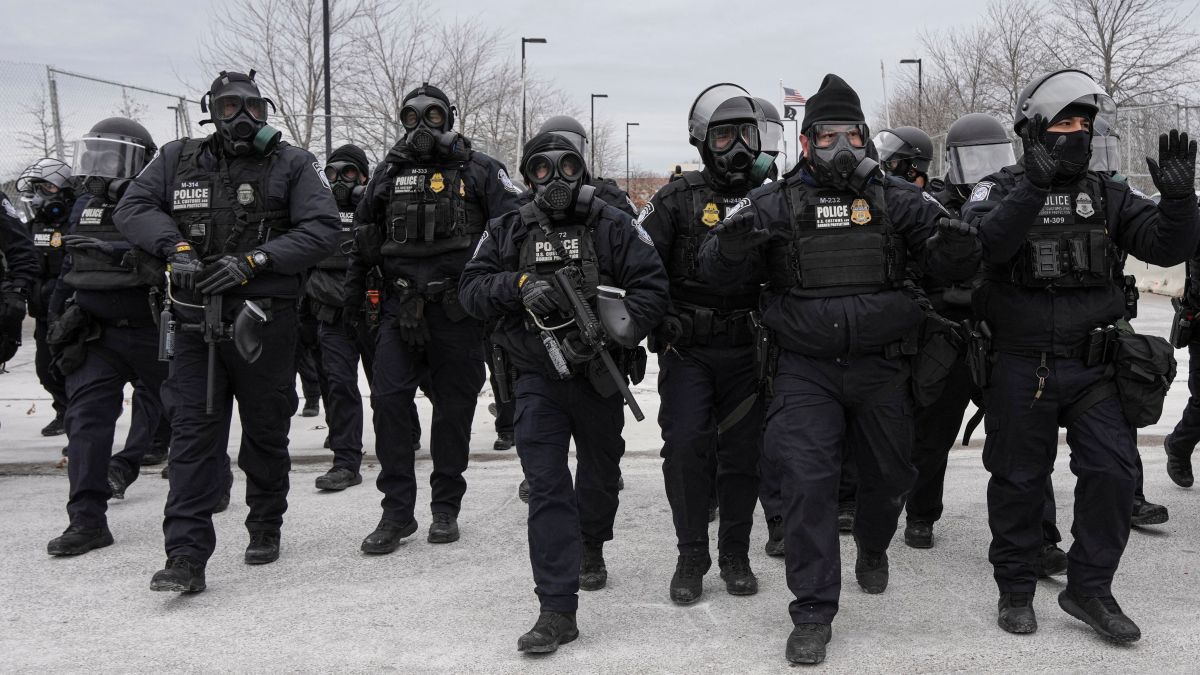 "Minnesota judge orders ICE chief to appear in court, warns of contempt over ignored orders")
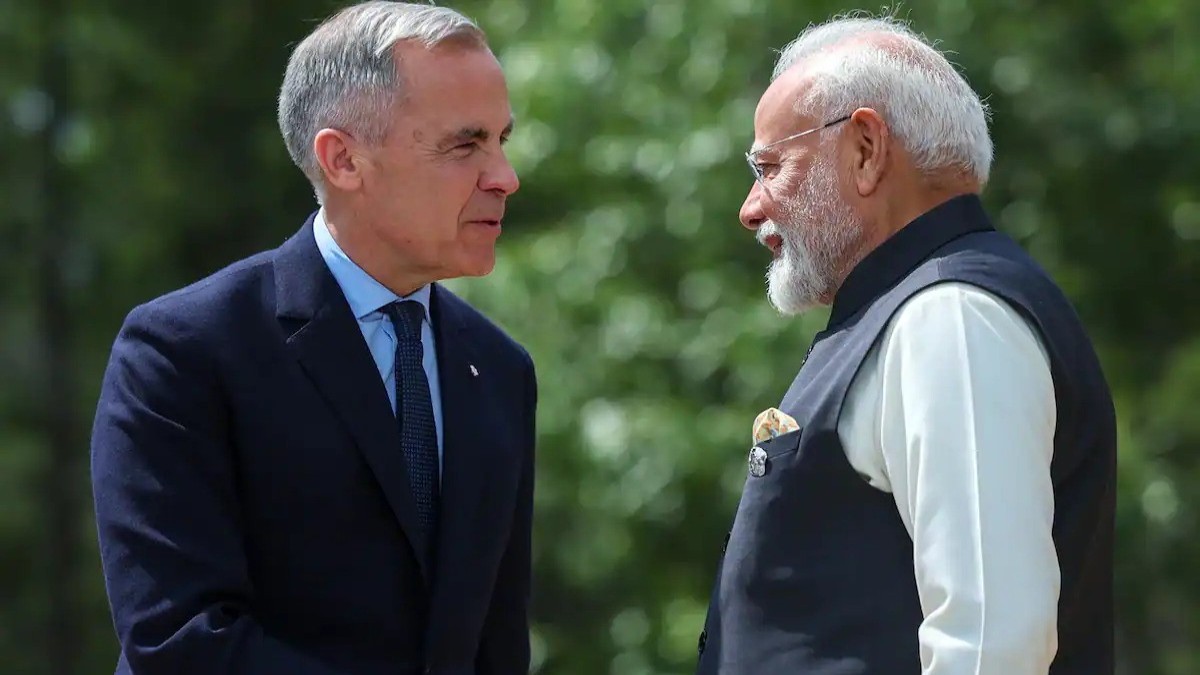 "Will reset in Indo-Canada ties be complete with Carney's visit?")
 "Zelenskyy sets 2027 target for Ukraine’s EU accession, stresses security guarantees")