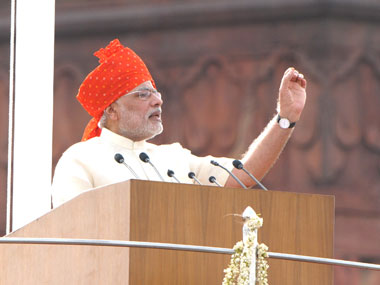
 "PM Modi's I-Day speech: Don't complain, become karma yogis instead")
Narendra Modi’s first Independence Day speech from the Red Fort had many firsts to it: it was one of the longest speeches made in recent times; there was no bullet-proof glass separating him from his audience; it was spoken extempore, with only a piece of paper before him to remind him of points to be made.
The disappearance of the bullet-proof glass and the teleprompter was more than symbolic; it was a Prime Minister telling his people I want nothing coming between you and me, between government and people.
The speech will be parsed for hidden meanings and nuances today and in the coming weeks, but going by first impressions alone, there is a danger it will be dismissed by some with “we’ve heard this before”. Barring a few trite phrases (“Make in India”), the abolition of the Planning Commission, and the announcement of some new schemes (the Jan Dhan Yojana for financial inclusion, the plan for Adarsh Gaons in every district), most of these things Modi said were things we have heard before. Political opponents may even rubbish it as a campaign speech that sets the tone for four (or five, if Delhi is included) forthcoming assembly elections.
But first impressions can be wrong. The sheer repetition of old ideas by Modi is actually an indication that he is passionate about getting some things done. And the real message of his speech comes through only when you hear it a second time, and pay closer attention.
This speech is nothing less than a call to the nation to wake up and smell the coffee. It is an exhortation to everybody to stop being a complainer and start doing something. It was less a promise of goodies – though there were those as well – and more a call to duty. The Prime Minister was telling the nation to become a nation of karma yogis – like himself. To put it pithily, Modi told every one of us: Move your butt.
For example, we have heard this phrase many times: if “sava sau karod” Indians take one step forward, the country moves 125 crore steps in all. Is this just a trite phrase without any real meaning? Embedded in the phrase – which Modi is not afraid of repeating – is the belief that individuals must move themselves to action to improve their lot. It is not all about government or do-gooders doing things for the poor or for business – though that will happen too. It is about each one of us deciding to move our butts and doing what needs to be done.
Quick Reads
View AllConsider another point he made. He talked about the shame of rapes and foeticide, but his speech was not about promising more government protection for women. He focused on sons. He asked parents to introspect and ask themselves why they were not asking the same questions of their sons as they did of their daughters. Where were you? What were you upto? When will you be back home? Modi asked parents to contribute to women’s safety by talking to their sons, and leading them on the right path. It was a call to action on better parenting.
Or take the point about creating the Adarsh Gaon (Model Villages) in every district. Usually, governments announce such schemes and expect the bureaucracy to get going on it in their own time. But Modi’s pitch was to members of Parliament to get a move on. He asked them to take a lead in creating such “Adarsh Gaons” in their areas - constituencies or districts. There is political content in this statement too. Since most MPs belong to the BJP, it was also about getting the party moving into social areas to build a long-term voter base.
In the early part of his address, Modi talked about how he was an outsider to Delhi and how he spent his initial weeks trying to understand the government from the inside. He said he found divisiveness even in the working of bureaucrats. “Even in one government there were different governments. It was as if each had their own jagirs (fiefs).” But his real motive was not to criticise, but to exhort the bureaucracy to rise about petty squabbles and think of themselves as servants of the people, whose job was to deliver efficient services to the nation. He labelled himself not as Pradhan Mantri, but as Pradhan Sevak – and effectively told his babus to think like him and become Pradhan Sevaks.
He tried to erase the separation between government and opposition – a feat accomplished yesterday (14 August), when parliament voted as one to pass the National Judicial Appointments Bills, including one constitutional amendment. He promised not to use his majority to sideline the opposition. He would work for consensus and inclusion. In this was embedded the reverse plea to opposition parties: work with us. Whether this will be reciprocated or not is another matter, for the opposition fears him too much to work too closely with him. But he said what needed to be said on I-Day.
He talked about making India a manufacturing hub with his invitation to all investors, domestic and foreign, to set up shop and “Make in India”. This is one area where the government has moved fast in the last two-and-a-half months. It has begun easing up the rules of business, opened up FDI in railways and defence, and simplifed green clearances, and is now proposing to change labour laws, too. But it was not just an idle invite through an offer of incentives. His points included an exhortation to Indian industry to make the Made in India label a matter of pride, and move towards “zero defects” manufacturing so as to make India an export hub. We were simply too dependent on imports in too many areas – including electronic goods. In short, he was asking India Inc to get a move on and make itself more competitive. Government concessions were not the only way forward.
He also had exhortations for India’s neighbours – with each of whom India has had troubled relationships, none more so than Pakistan. The PM walked the talk by making visits to Bhutan and Nepal – the easier neighbours to handle. But the more ticklish relationships relate to Sri Lanka, Bangladesh and Pakistan – in an ascending order of difficulty – due to domestic political complications. Modi tried to involve even these difficult neighbours in a common agenda. Just as he has emphasised development as a key domestic goal, he sought to extend the logic to our neighbours by asking them to shift their focus to a common attack on poverty. In the days ahead, he will have to elaborate on this, for the general point has been made before.
An important element of Modi’s speeches is that he never deviates from his pet themes - to the point about being boringly repetitive. Whether it is the focus on cleanliness (Gandhi’s passion), or the girl child (Beti Bachau, Beti Padhao), or better sanitation and toilets for every one (he promised toilets in every school within one year), he never tires of repeating his ideas. This was the case in his campaign speeches, where he talked of Congress-mukt Bharat, or Sabka Saath, Sabka Vikas, Ek Bharat, Shresht Bharat, etc. I have often wondered why he repeats himself so much. During his speech I found quite a few members of his audience looking bored and impatient. Modi can’t be unaware of this. So why does he do it? Why does he not try a new message every time? Or make his speeches shorter?
My guess is Modi understands Indians better than most of us do. He knows that we are prone to forgetting most things quickly. We start things and never finish them. We are great in visioning exercises, poor in execution. In fact, parts of Modi’s speeches found their way into the President’s message yesterday too. Modi probably repeats himself in order to impress on everybody that some priorities cannot be abandoned halfway. It may make for boring speeches, but consistency in emphasising priorities is vital to execution and prioritisation. This is the message all leaders know instinctively.
And, of course, there was the inevitable reference to his favourite icon: Swami Vivekananda. Jaago, India, Jaago. He asked India to awake to its destiny. In today’s I-Day speech, Modi asked Indians to wake up to their new responsibilities and create their own destinies.
Put simply, he was telling the nation: get off your butt, stop complaining, and start changing things around you.


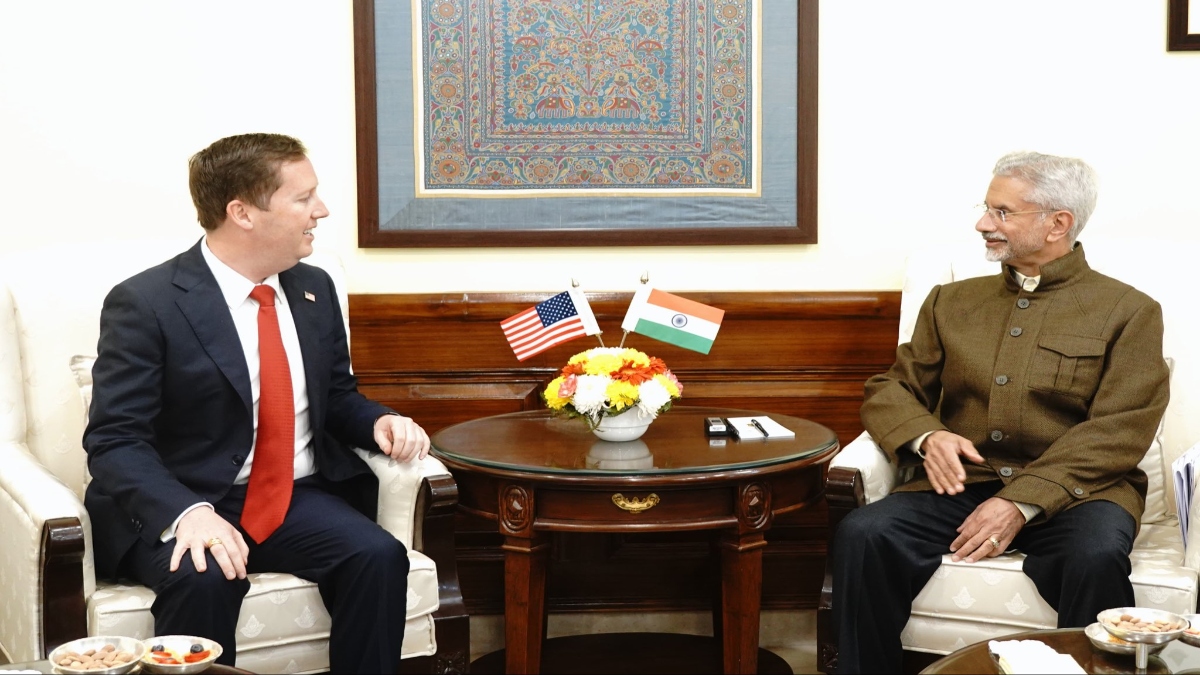 "Jaishankar meets Sergio Gor ahead of US visit, says discussed 'many dimensions of our partnership'")
 "As Trump shakes up Nato, Europe aims to go self-sufficient in weapon production")
 "EU to list Iran’s Revolutionary Guards as terrorist group alongside al-Qaeda and Hamas")
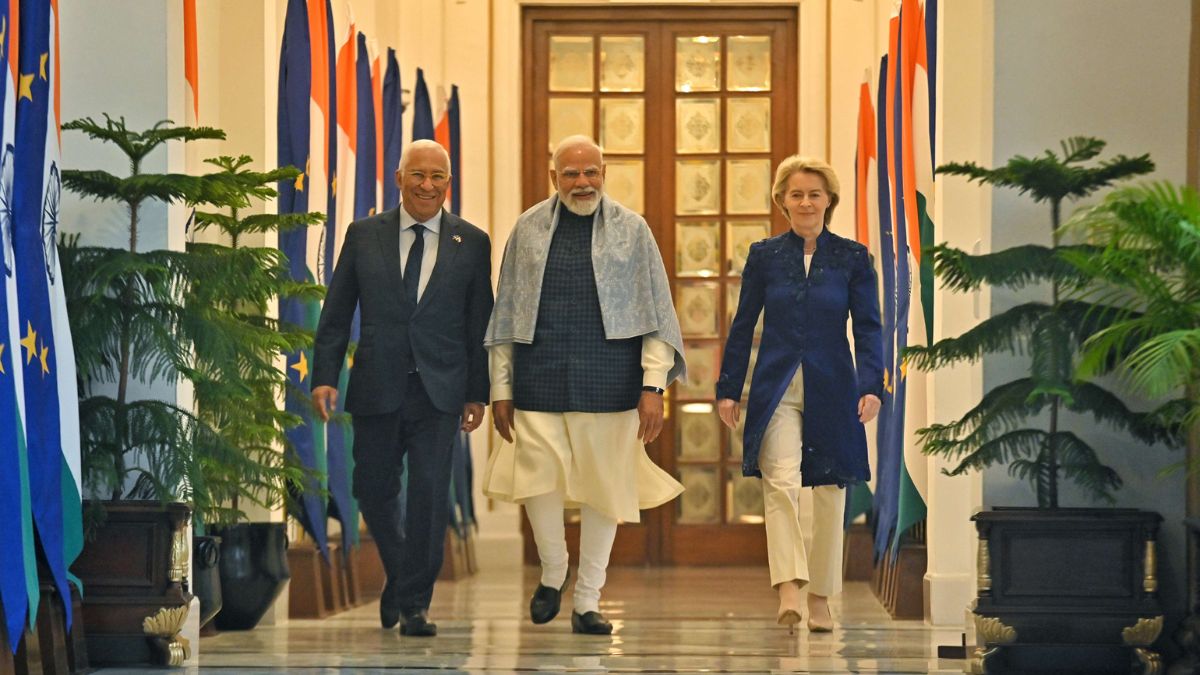 "With new security pact, India and EU eye win-win defence ties as US, China rival in arms race")
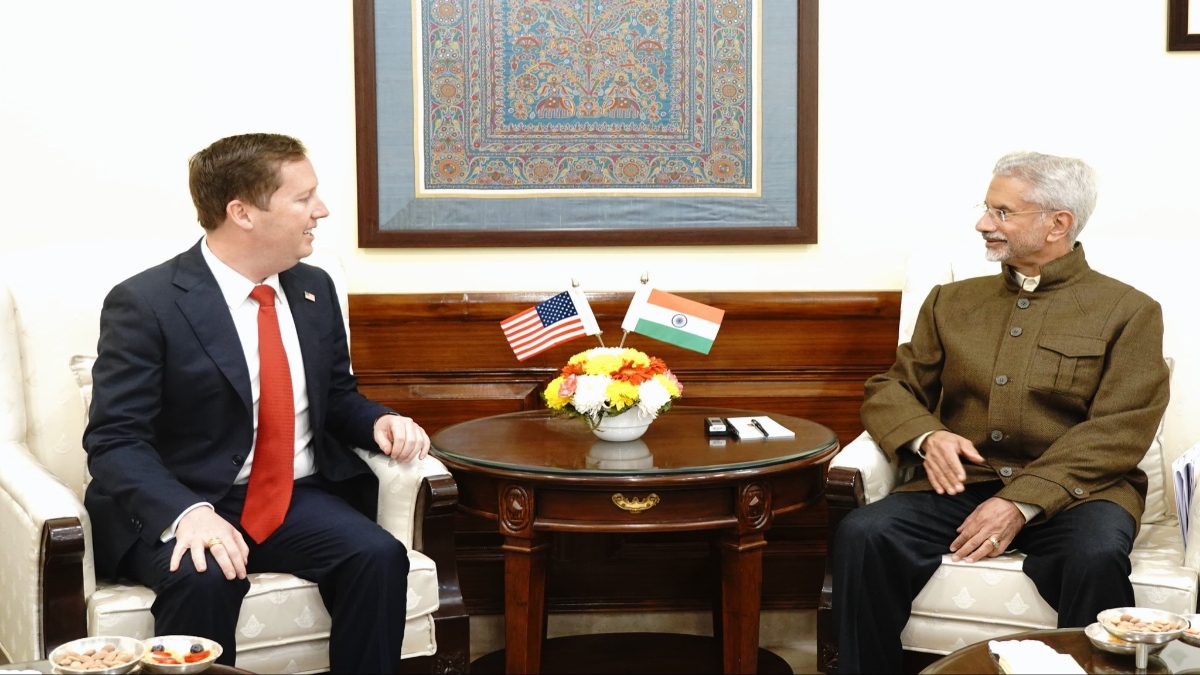 "Jaishankar meets Sergio Gor ahead of US visit, says discussed 'many dimensions of our partnership'")
 "As Trump shakes up Nato, Europe aims to go self-sufficient in weapon production")
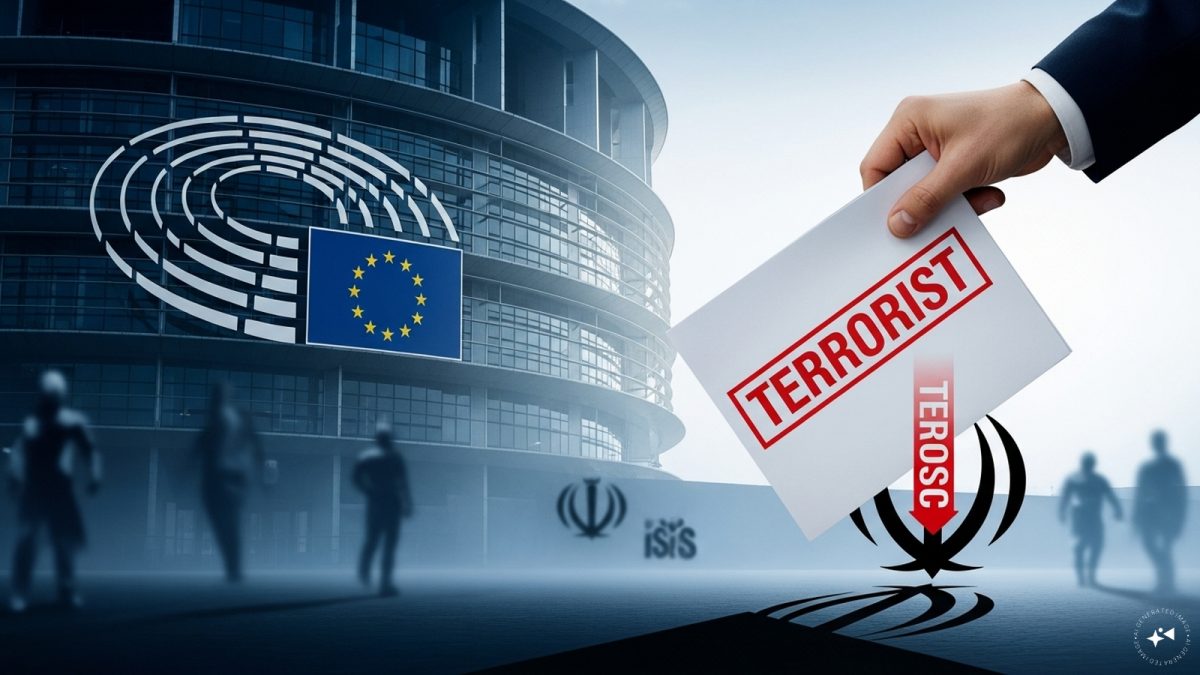 "EU to list Iran’s Revolutionary Guards as terrorist group alongside al-Qaeda and Hamas")
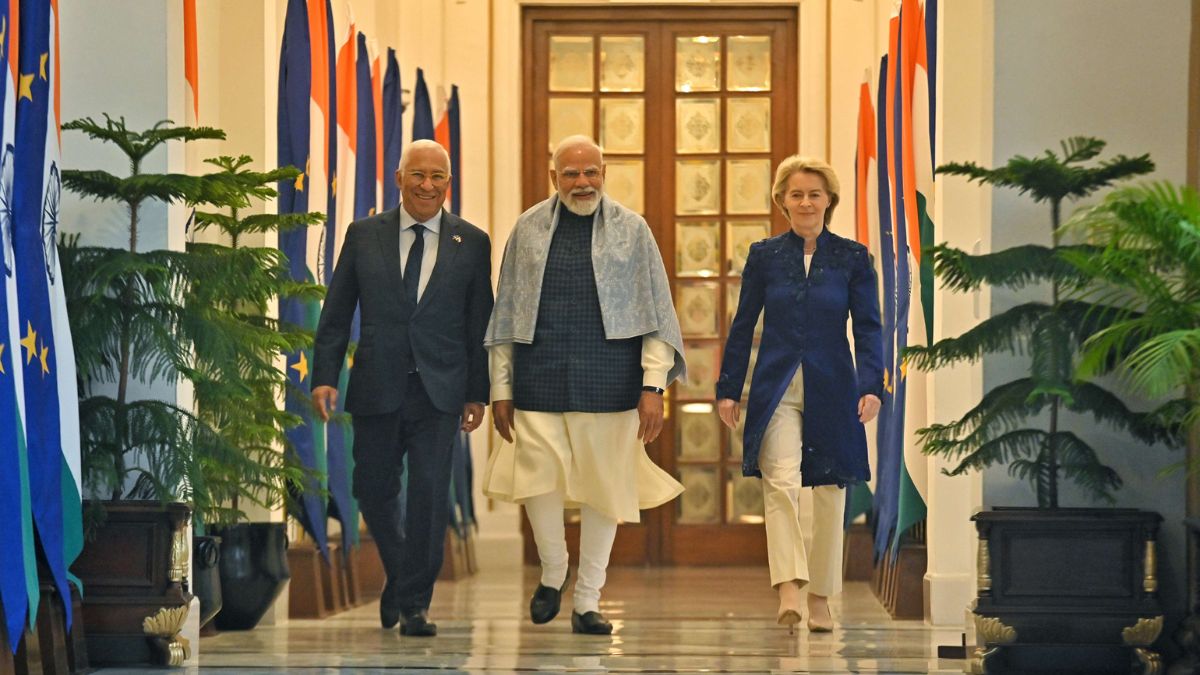 "With new security pact, India and EU eye win-win defence ties as US, China rival in arms race")