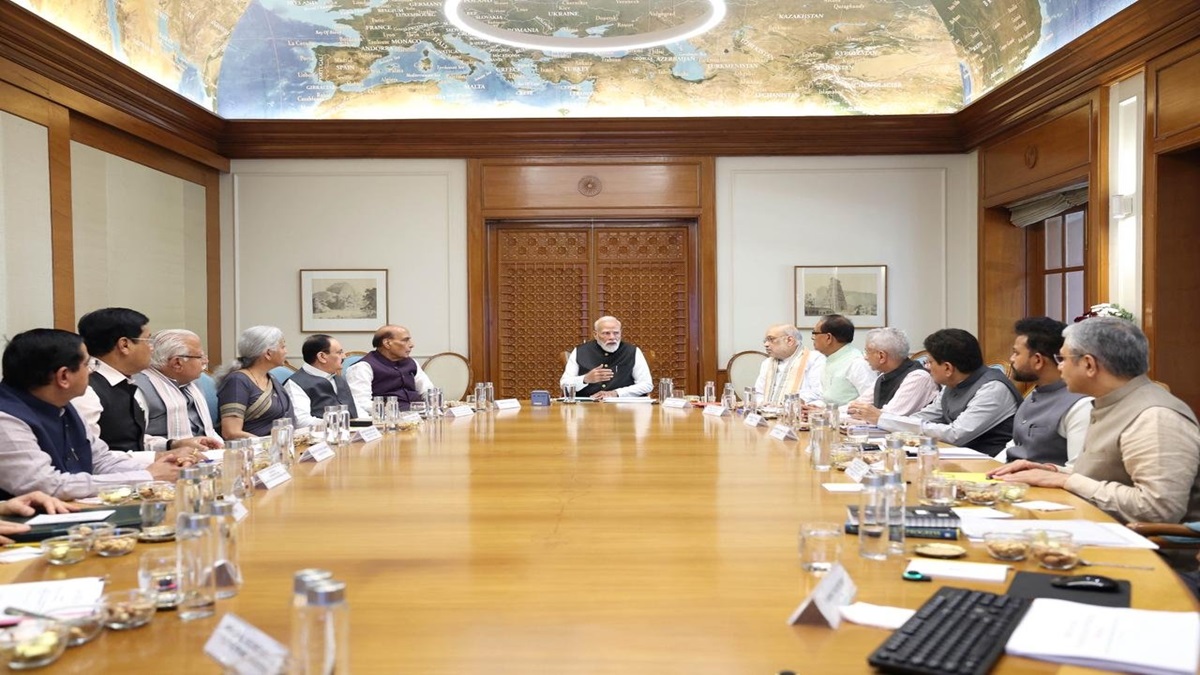
 "PM Modi chairs high-level CCS meeting, reviews mitigating measures amid West Asia conflict")
India’s Prime Minister Narendra Modi on Sunday chaired a meeting of the Cabinet Committee on Security (CCS) to review the evolving situation arising from the ongoing conflict in West Asia and assess India’s preparedness to mitigate its impact.
According to an official press release, the meeting focused on evaluating both immediate and long-term challenges posed by the conflict to the global economy and their implications for India. In the meeting, the Cabinet Secretary presented a detailed overview of the global situation and outlined measures already taken, as well as those being planned across various ministries and departments.
The CCS carried out a comprehensive review of key sectors including agriculture, fertilisers, food security, petroleum, power, MSMEs, trade, shipping, supply chains, and finance. The high level body also discussed broader macroeconomic outlook with emphasis on ensuring stability amid global uncertainties.
A key priority identified during the meeting was maintaining uninterrupted access to essential commodities for citizens. The government discussed short, medium, and long-term strategies to ensure the continued availability of food, fuel, and energy resources.
According to the release, the government is giving special attention to the agricultural sector, particularly fertiliser availability for the upcoming Kharif season. The government noted that existing buffer stocks would support timely supply, while alternative sourcing strategies are being explored to safeguard availability in the future.
The CCS also reviewed the energy situation and concluded that sufficient coal reserves at power plants would help prevent electricity shortages across the country in the upcoming summer season.
Quick Reads
View AllTo reduce dependency on specific regions and to diversify the supply chain metrics, the government discussed diversifying import sources for critical industries such as chemicals, pharmaceuticals, and petrochemicals. At the same time, efforts are underway to identify new export destinations to boost Indian trade.
Prime Minister emphasised the need for a coordinated “whole-of-government” approach. He directed the formation of dedicated groups of ministers and secretaries to monitor developments and ensure swift implementation of decisions. Sector-specific groups will also engage closely with stakeholders.
Highlighting the global nature of the crisis, the Prime Minister underscored the importance of minimising disruption to citizens. He called for strong coordination between the Centre and states to prevent black-marketing and hoarding of essential commodities.
The government is expected to roll out additional measures in the coming days following consultations with stakeholders across sectors.

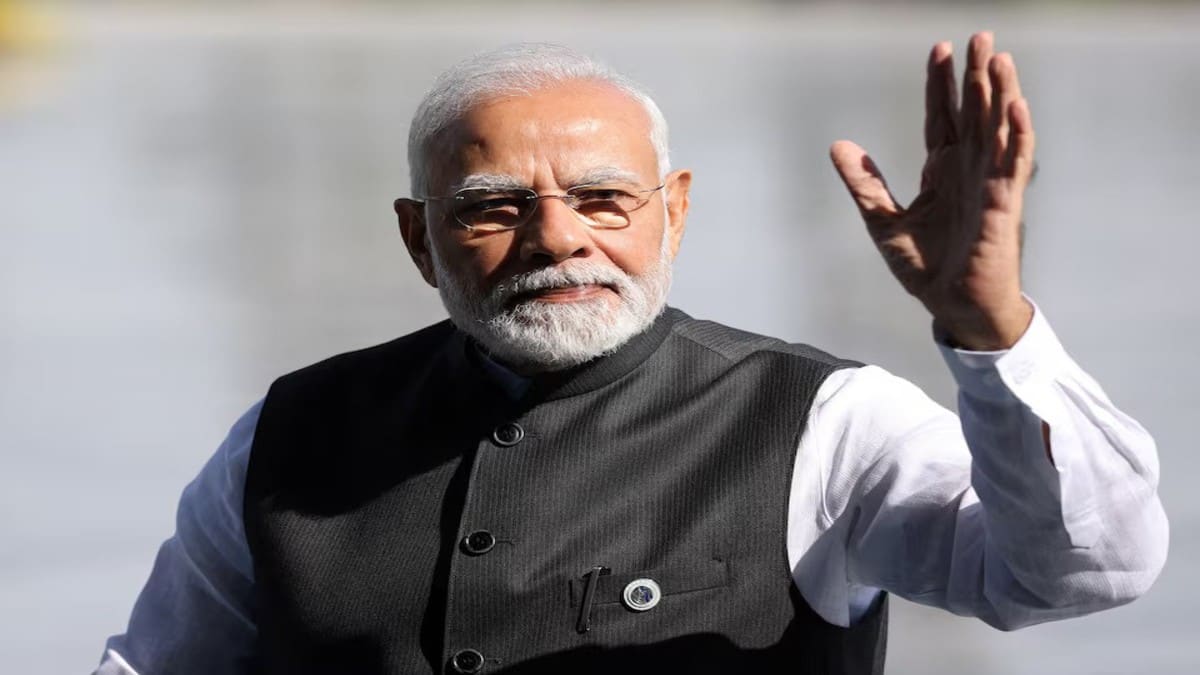
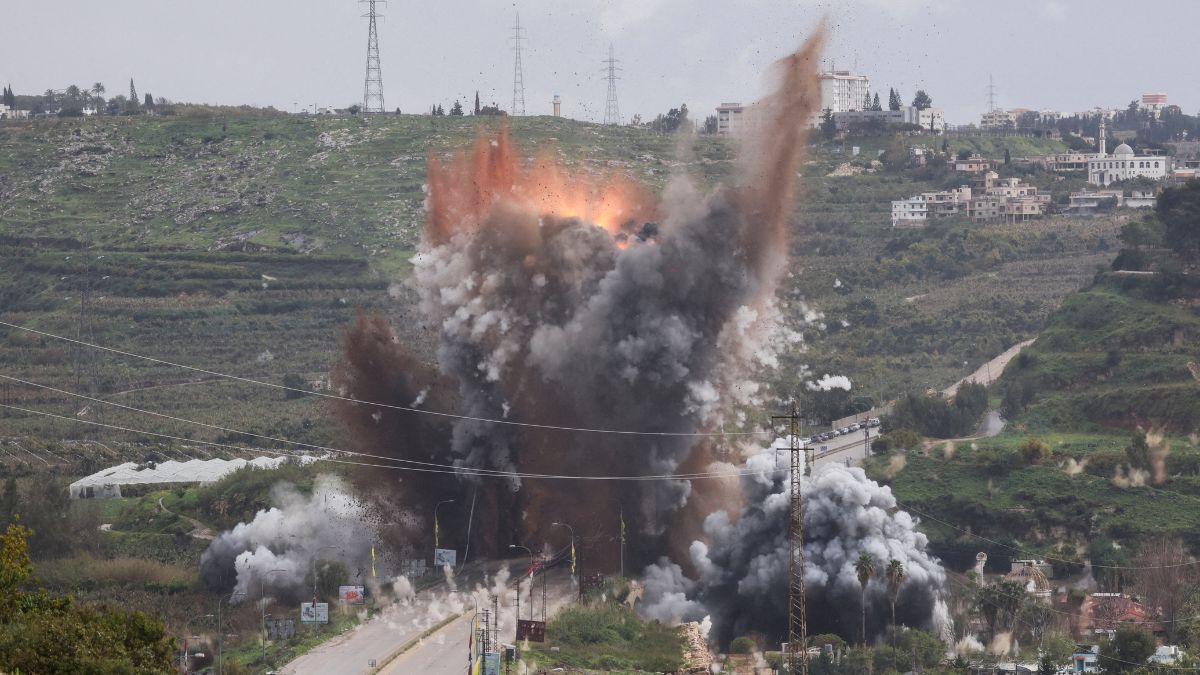 "Israel-Iran war live: ‘Threats and terror’ will only strengthen unity, says Iran president; warns Strait of Hormuz ‘open to all except violators’")
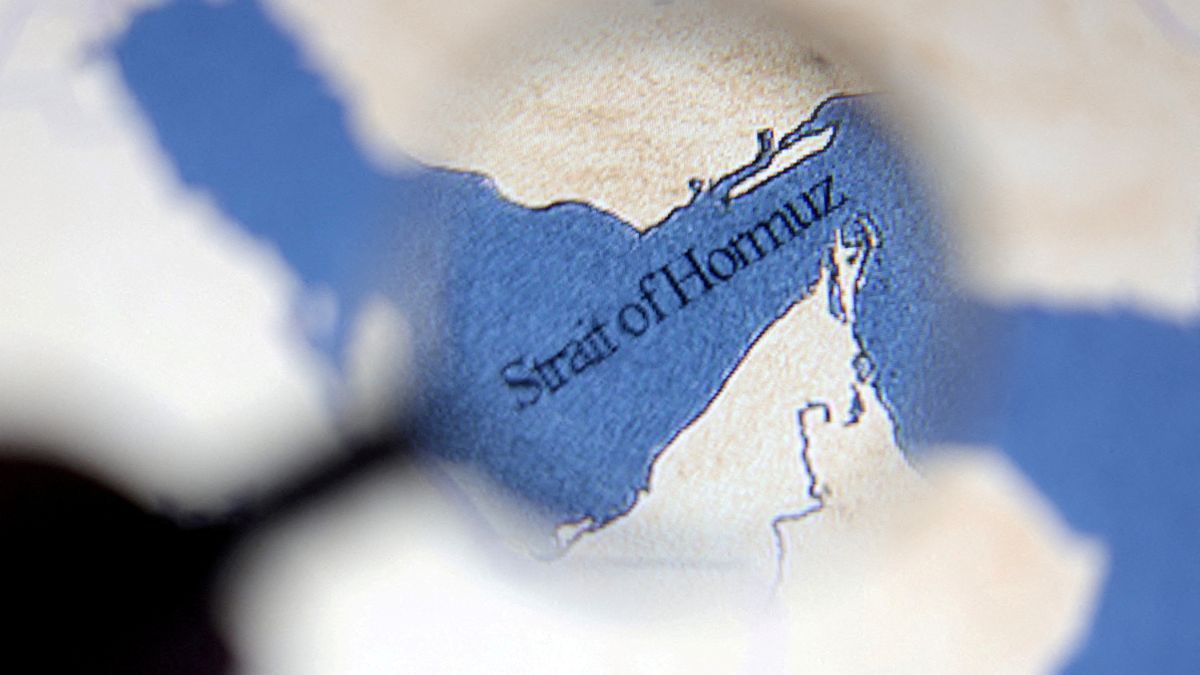 "Iran's military warns Strait of Hormuz could be ‘completely’ closed if US bombs power plants")
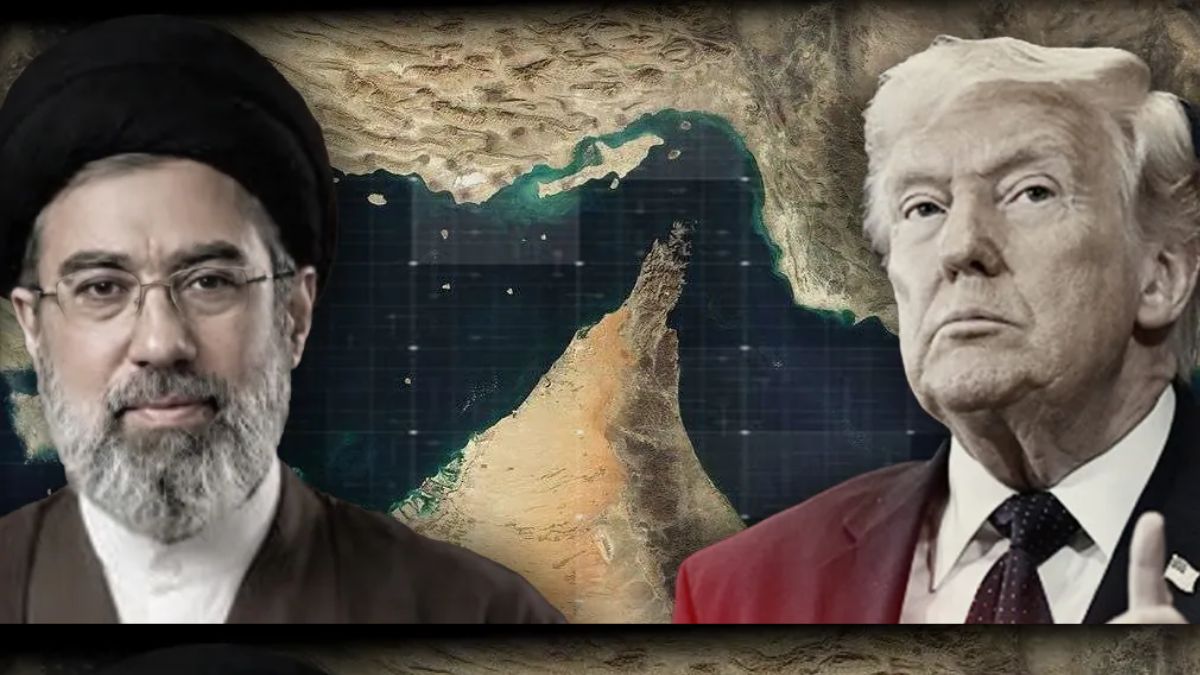
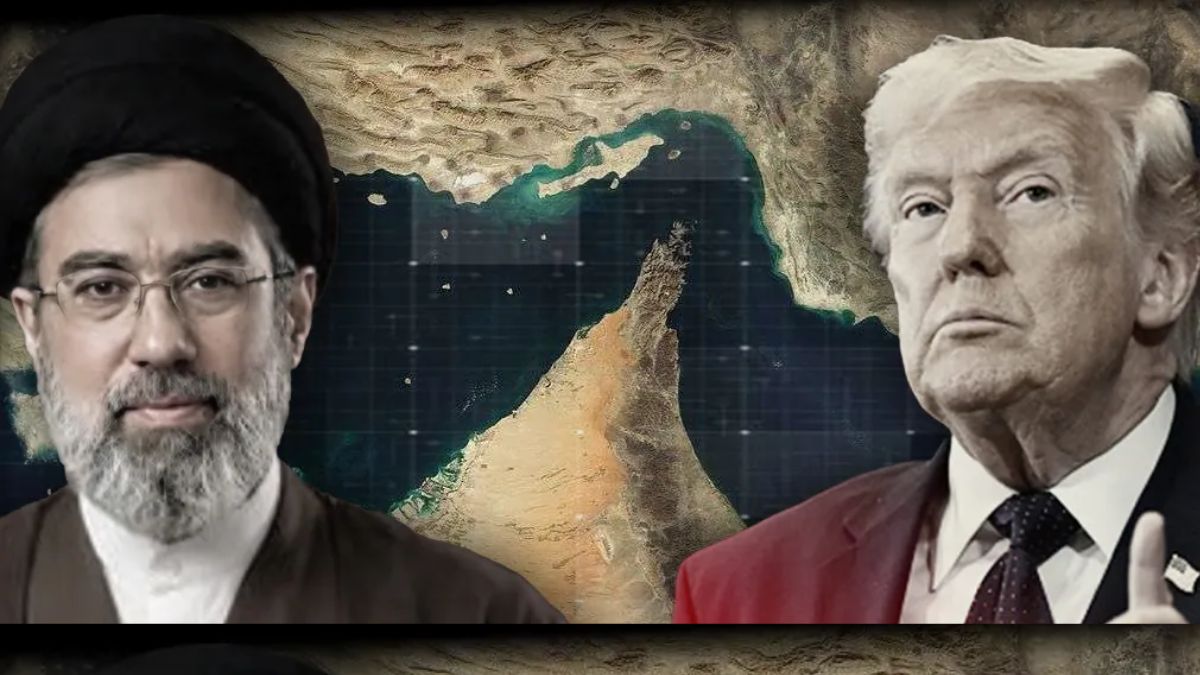 "Trump and Iran trade threats over energy targets as Hormuz crisis rattles global markets")
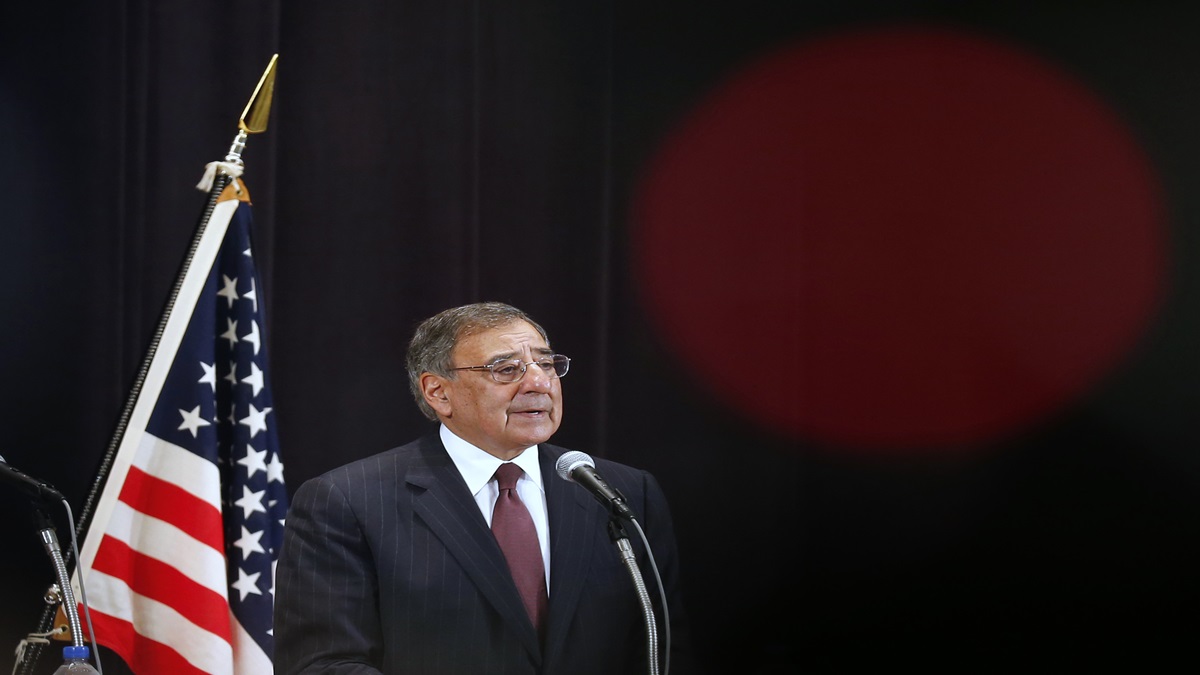
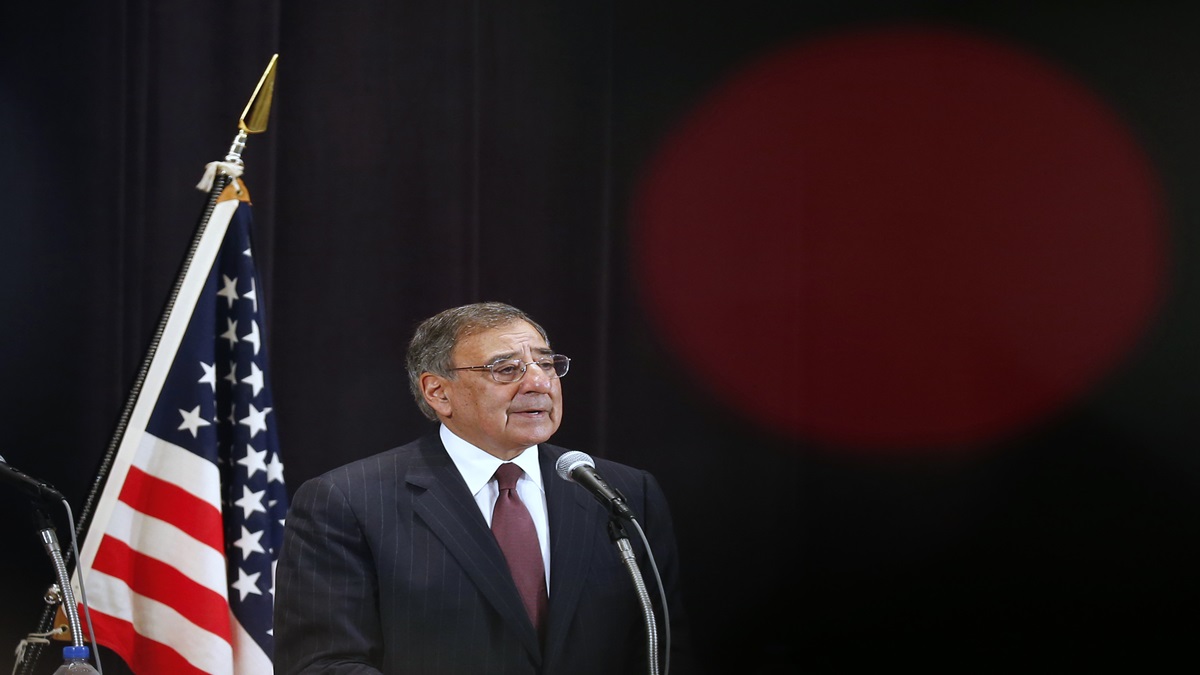 "‘You got yourself into this’: Ex-CIA chief's stark message to Trump on Iran war")
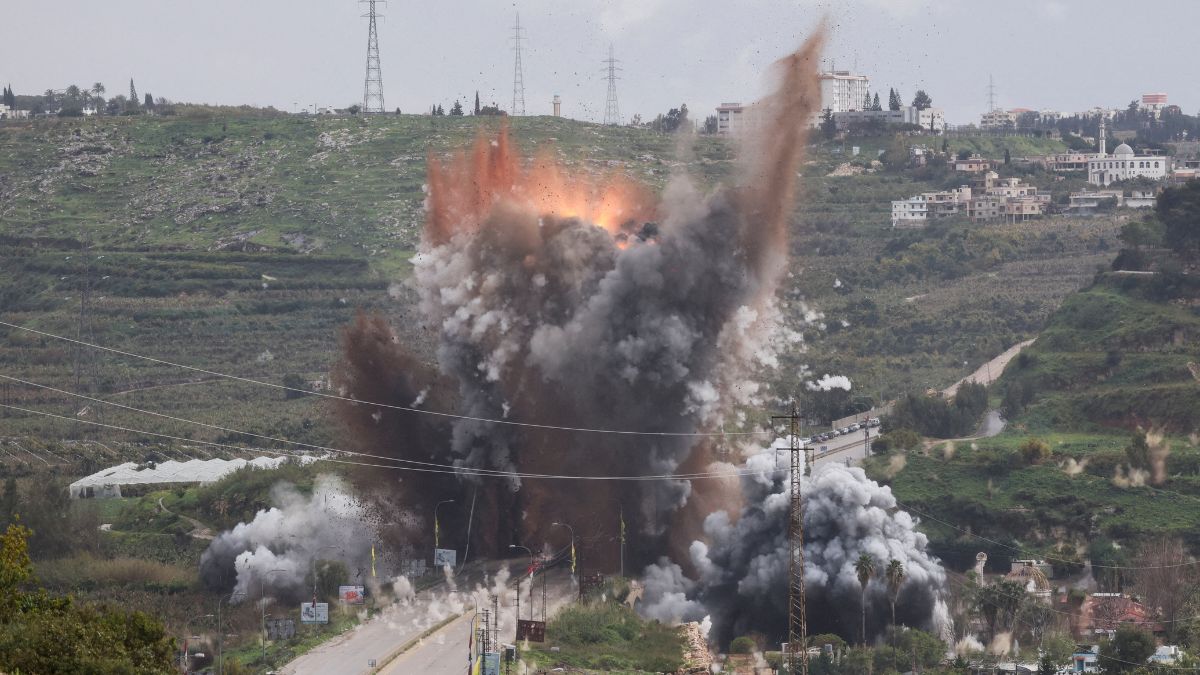 "Israel-Iran war live: ‘Threats and terror’ will only strengthen unity, says Iran president; warns Strait of Hormuz ‘open to all except violators’")
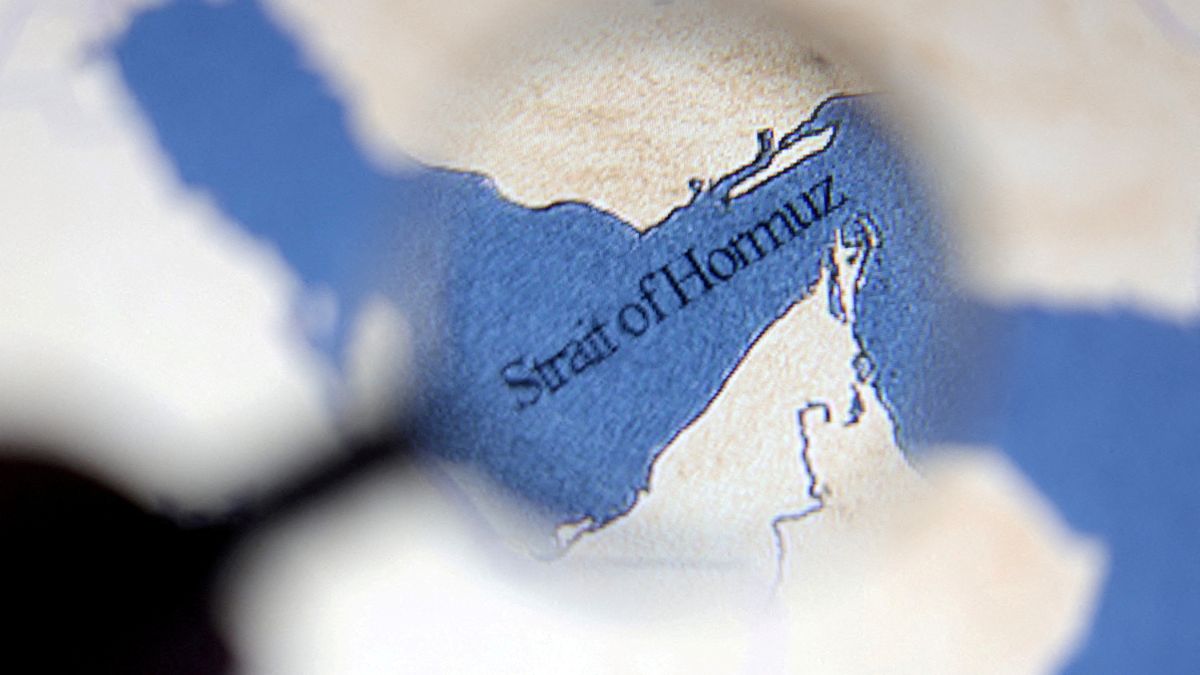 "Iran's military warns Strait of Hormuz could be ‘completely’ closed if US bombs power plants")
 "Trump and Iran trade threats over energy targets as Hormuz crisis rattles global markets")
 "‘You got yourself into this’: Ex-CIA chief's stark message to Trump on Iran war")