

 "India's no first use nuclear theology rooted in wars country might fight, touted to be a tactic to discourage enemy strikes")
Defence Minister Rajnath Singh said that India’s stand on no first use (NFU) of nuclear weapons might change in the future, even though it remains committed to the doctrine now, sparking off a controversy with global consequences. It is probably unwise to read too much into the statement—one that simply reflects a long-running and inconclusive debate inside and outside the government. But the debate isn’t about to go away. Why does India have NFU? NFU was a hard-nosed military decision. Notwithstanding what official spokespersons might say, this isn’t about India being a Gandhian nation. [caption id=“attachment_5125721” align=“alignleft” width=“380”] 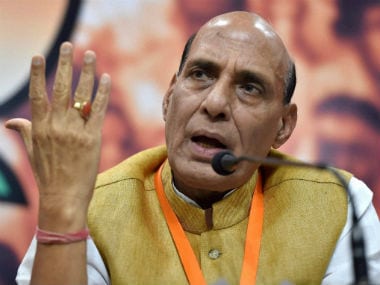 File image of Defence Minister Rajnath Singh. PTI[/caption] India’s NFU declaration, made in 2003, is rooted in the kind of wars the country thinks it might have to fight. For more than a generation, Indian war-fighting plans have involved exploiting the conventional-forces asymmetry between the two countries and pushing armoured formations deep into Pakistan. Faced with such an offensive, the Imran Khan-led nation has made public that it would use nuclear weapons, likely small, sub-kiloton devices known as Tactical Nuclear Weapons (TNW). For obvious reasons, India wants to make it as hard as possible for Pakistan to unleash its nuclear arsenal. Sure, India could retaliate to Pakistan’s use of nuclear weapons, but then Pakistan would retaliate to India’s second strike and both sides will end up without most of their cities. Thus, India says it won’t be the first to use nuclear weapons — which, at least in theory, mounts some pressure on the other side not to go first. What is the case against NFU? Many Indian experts, including Lieutenant General Balraj Nagal, former chief of the Strategic Forces Command, argue that NFU unnecessarily ties India’s hands. Nagal has called for a new doctrine that is either ambiguous or declares a first use policy. NFU risks India having to absorb unacceptable costs and incentivises Pakistan to strike first, knowing it will get one free hit, he opines. In addition, Nagal argued that India would not need to invest in expensive Ballistic Missile Defence systems to protect itself from a first strike if it ditched its NFU commitment. In 2016, then Defence Minister Manohar Parrikar endorsed these arguments, saying he did not see the need for India to bind itself with an NFU commitment. In 2014 Lok Sabha election manifesto, the Bharatiya Janata Party (BJP) had said that it would “revise and update” India’s nuclear doctrine — though there wasn’t any explicit commitment on the NFU. What’s the case for sticking with NFU? Those who support India’s NFU stance argue that even extremely sophisticated surveillance systems cannot be certain that an adversary is about to stage a first strike using nuclear weapons. Moreover, it is almost impossible to destroy an adversary’s strategic arsenal, hidden inside hardened facilities, with a first strike. Thus, first strikes achieve nothing, other than precipitating the certainty of a retaliatory strike. Moreover, experts like Brigadier Gurmeet Kanwal have argued that some of the arguments in favour of abandoning NFU do not make sense. First use will only expose the people and troops to an attack, rather than protecting them, he notes. Then, there’s the collateral gains from NFU. In 1998, after the Pokhran II tests, the country was put in the equivalent of the international dog-house for delinquents. NFU was part of a series of measures that allowed India to gain unprecedented access to technology and participation in the international nuclear regulatory system. Losing this would cost much more, NFU advocates say, than the uncertain gains of scrapping the commitment. How does NFU play on the world stage? Every nuclear weapons state has a policy suited to its particular circumstances — which means none, except China and India, have bound themselves by an NFU commitment. France and the United States of America are clear they are willing to stage a first strike, while the United Kingdom has an ambiguous position. In 1964, Beijing tied itself to NFU. In 1993, Russia abandoned a 1982 promise by its predecessor-state the Soviet Union not to be the first to use nuclear weapons in a conflict on the issue. North Korea has not ruled out the first use of nuclear weapons. Israel does not officially admit it has nuclear weapons, so the question of a doctrine does not arise. It bears mention that an NFU is something of a post-dated cheque. Pakistan does not believe the Indian NFU commitment has real value, just as India would not believe a Pakistani NFU. Neither China nor India make military plans on the basis of each other’s NFUs either.
Defence Minister Rajnath Singh said that India’s stand on no first use (NFU) of nuclear weapons might change in the future, even though it remains committed to the doctrine now, sparking off a controversy with global consequences
Advertisement
End of Article

 "Israel targets top Hamas leaders in Doha; Qatar, Iran condemn strike as violation of sovereignty")
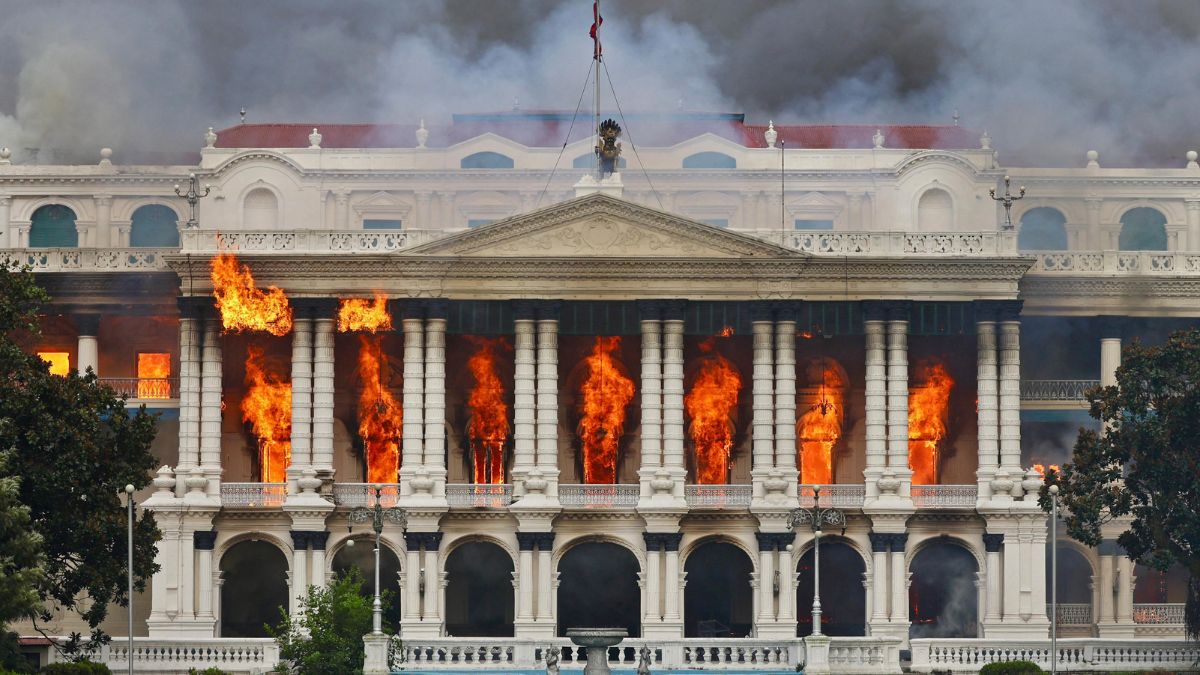 "Nepal: Oli to continue until new PM is sworn in, nation on edge as all branches of govt torched")
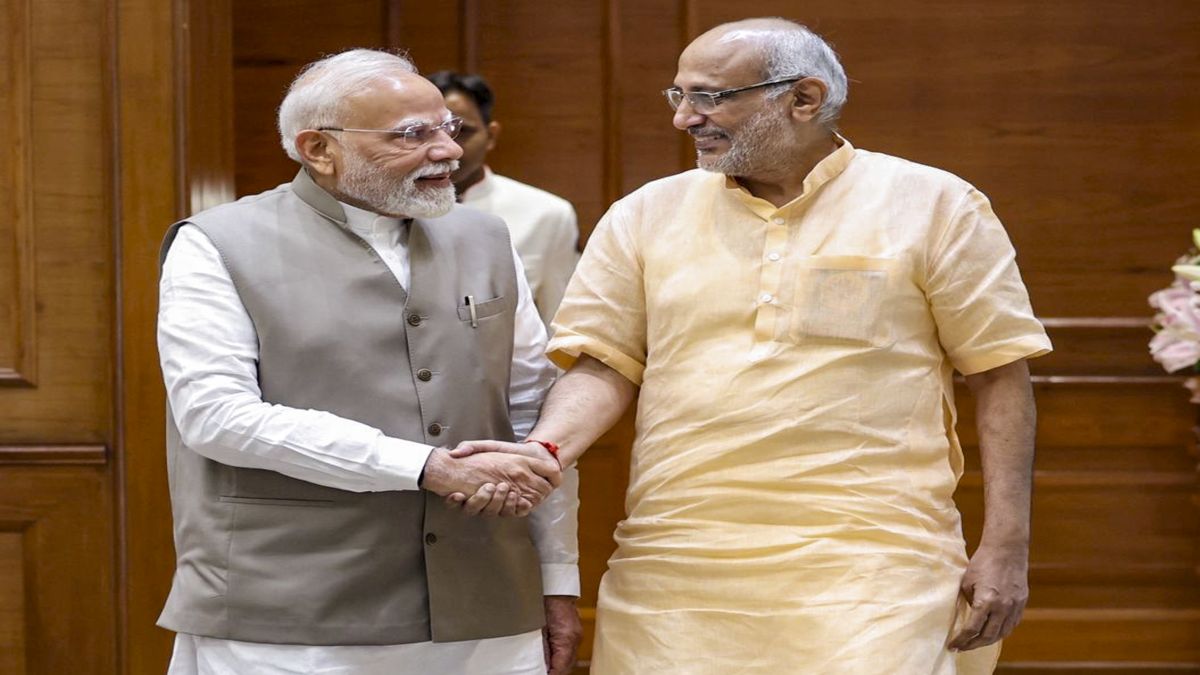 "Who is CP Radhakrishnan, India's next vice-president?")
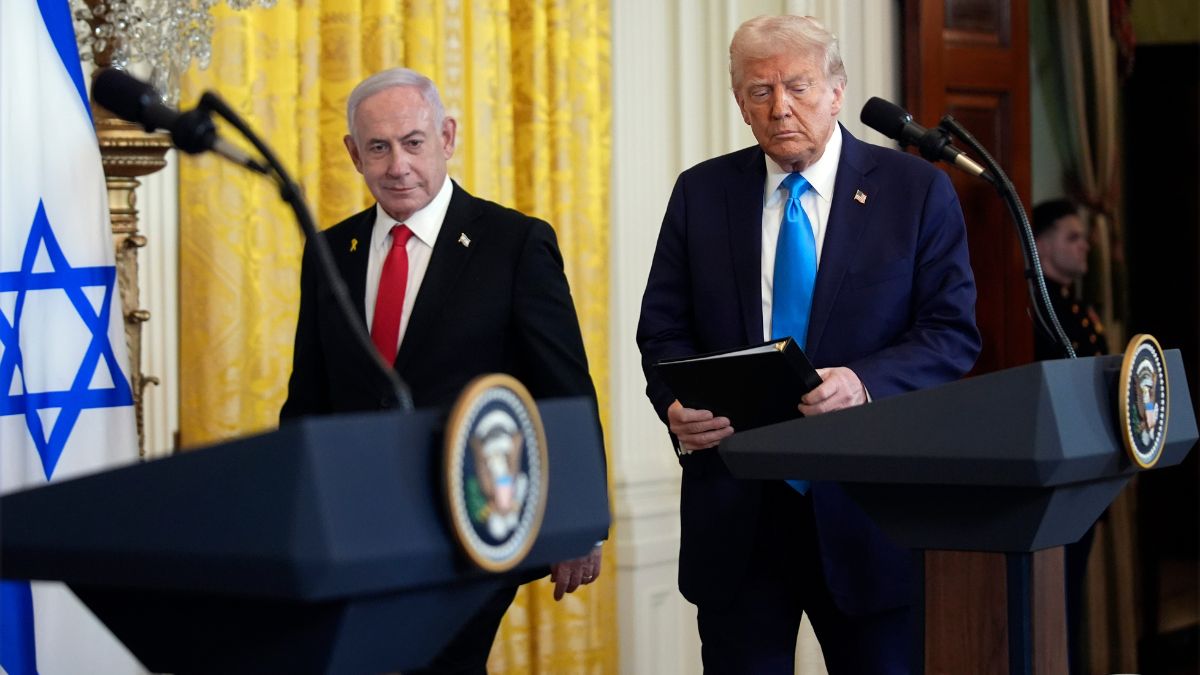 "Israel informed US ahead of strikes on Hamas leaders in Doha, says White House")
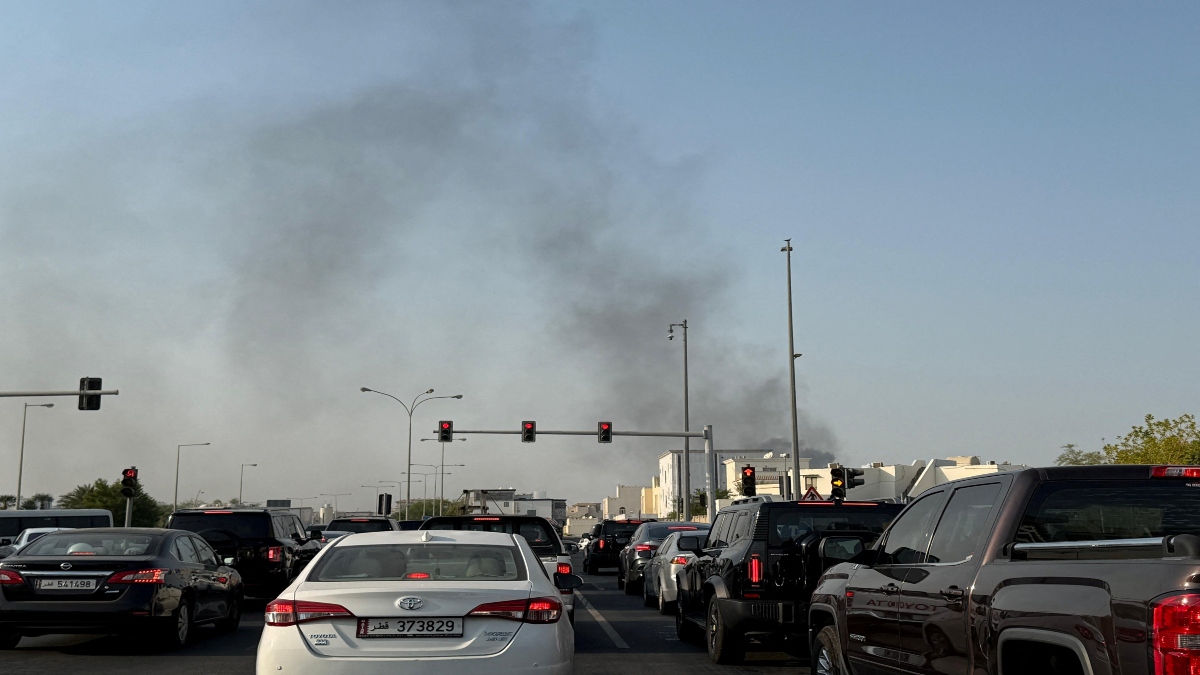 "Israel targets top Hamas leaders in Doha; Qatar, Iran condemn strike as violation of sovereignty")
 "Nepal: Oli to continue until new PM is sworn in, nation on edge as all branches of govt torched")
 "Who is CP Radhakrishnan, India's next vice-president?")
 "Israel informed US ahead of strikes on Hamas leaders in Doha, says White House")



](https://images.firstpost.com/wp-content/uploads/2018/09/Rajnath_Singh_PTI.jpg)