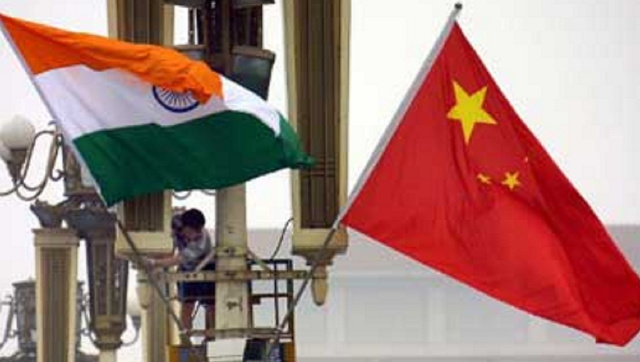
 "India-China standoff: How possibility of escalation has reduced but that of continued stalemate increased")
Addressing the media, Army Chief General MM Naravane stated while discussing the India-China standoff, “The situation is stable and under control.” He added, “What happens and whether a situation escalates or not is very difficult to foretell or predict. But whatever we have done so far, we are in a position to meet whatever is thrown at us in the future. That I can assure you very confidently.” India has enhanced its capabilities and constructed infrastructure to react to any Chinese misadventures. It has also reoriented its forces resulting in additional availability of forces along the Line of Actual Control (LAC).
The standoff in Ladakh is into its second winter with over 60,000 troops deployed by both sides. The media conference was held while the 14th round of Corps Commander level talks were in progress. The talks ended without much ado though on a positive note.
A joint statement released a day after the talks mentioned that both sides agreed to hold the next round of talks at an early date, while continuing to work towards maintaining security and stability along the LAC. It implied that there was no breakthrough in the current round of talks. It was also reported that talks were held soon after India objected to Chinese building a bridge over the Pangong Tso, in an area occupied by them in 1962, denied by China. Both sides have accused the other of being responsible for the current stalemate.
Simultaneously, the Chinese commented on the Army Chief’s press conference statement on existing tensions along the LAC. The Chinese spokesperson in Beijing stated, “China and India have been in communication and dialogue through diplomatic and military channels to ease the border tension. We hope relevant people on the Indian side will refrain from making unconstructive remarks.” Partial disengagement has taken place after multiple rounds of talks; however, friction points remain.
Quick Reads
View AllContinuing friction points include Gogra-Hot Springs, which India is keen to address first, while Depsang Bulge and Demchok, which precede the 2020 standoff, would be taken up subsequently. India continues to insist on disengagement followed by de-escalation, while China seeks de-escalation to precede disengagement of friction points. As the Army Chief stated, “To expect that every round will have an outcome is also quite unreasonable.”
The stalemate has attracted different global views. The US State Department Spokesperson commented just prior to the 14th round of talks, “We believe it (Beijing’s behaviour) can be destabilising. And we’re concerned by the People’s Republic of China’s attempt to intimidate its neighbours.” A Pentagon report of the end last year had stated that the US was confident of the ability of Indian forces to stall any Chinese misadventures. The Stratfor Worldview of 2022 published this month stated, “Because of this increased military presence, and with no signs of de-escalation in sight, a skirmish on either side of the border is possible.”
The International Crisis Group in its list of “10 conflicts to watch in 2022” does not list the India-China standoff. It would be on the perception that as the standoff has entered its second year, the LAC has stabilised, and possibility of conflict reduced. However, for India, unless the pre-April 2020 deployment is not adopted, tensions and possibility of escalation remain. Distrust reigns supreme.
While the standoff was ongoing, China, on 23 October released its new land laws for the protection and exploitation of its land border regions which came into effect on 1 January this year. Officially, the laws are meant to govern all China’s borders, however having settled its borders with most nations, the laws would impact India-China and Bhutan-China borders.
Many have believed that these land laws would act as a stumbling block in talks on resolution of the borders. The fact is that 22 meetings of special representatives of India and China for border resolution, headed by the NSA on the Indian side and the foreign minister on the Chinese side, have yielded nothing.
The land law states, “The sovereignty and territorial integrity of China are sacred and inviolable.” It added that the state must “take measures to safeguard territorial integrity and land boundaries”. Every state follows this principle, however, the borders that states determine may not be acceptable to their adversary. This is the India-China scenario. As the Indian Army Chief stated in his press conference that any law not in keeping with agreements that two countries had entered into in the past cannot be binding on India.
Gautam Bambawale, former Indian ambassador to China, quoted in the Indian Express, states that the law mentions the obvious for any country. He adds, “Every country is in the business of protecting its territorial integrity, that’s the job of any government. The big question is what is your territory, and there we don’t agree with each other.”
There is also a belief that with the new law, the PLA will now be compelled to stick to its current positions, rather than withdraw in discussions. If this becomes the case, then the LAC would remain in its current state of heightened tensions for a prolonged duration. The impact of these laws would be determined with time.
The stalemate continues with both sides unwilling to move back from their present positions. India remains prepared for any misadventures from the Chinese side, while it continues to bank on diplomacy and talks to resolve existing friction points. China is aware that any further attempt at salami slicing would be met with resolute firmness. It is also aware that pulling back early would imply that its misadventure has been thwarted. Hence, talks move forward with hiccups. The possibility of escalation has reduced while that of continued stalemate increased. Enhanced deployment will be the future along the LAC.
The author is a former Indian Army officer, strategic analyst and columnist. Views expressed are personal.

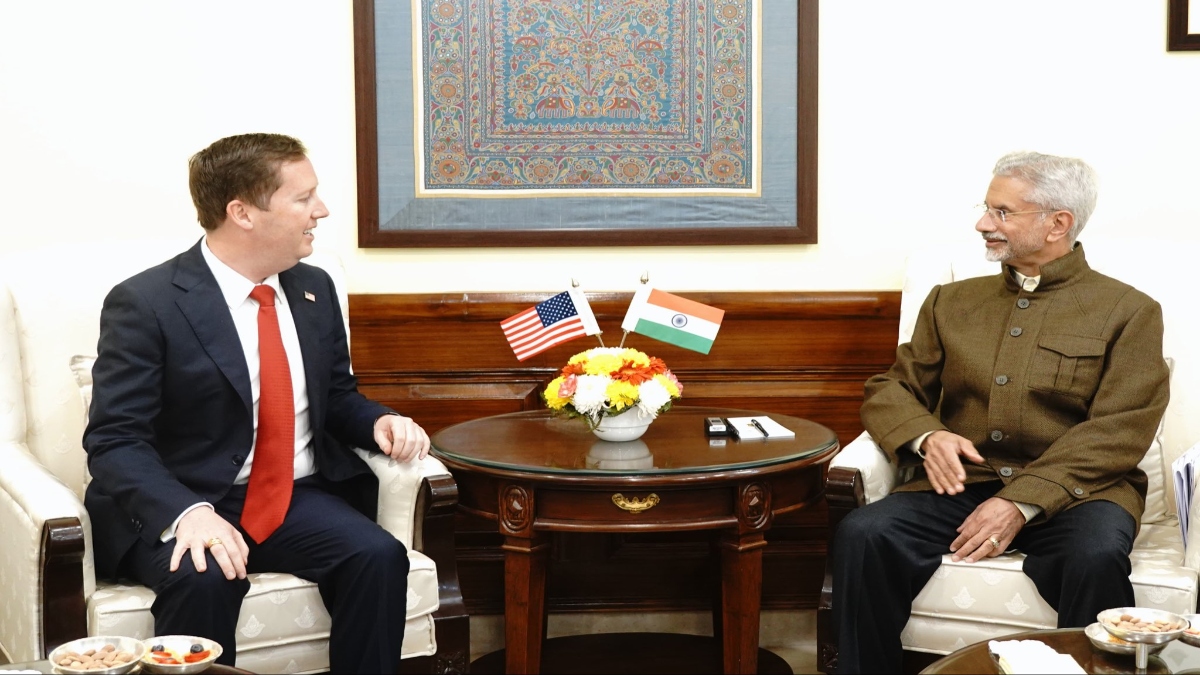 "Jaishankar meets Sergio Gor ahead of US visit, says discussed 'many dimensions of our partnership'")
 "As Trump shakes up Nato, Europe aims to go self-sufficient in weapon production")
 "EU to list Iran’s Revolutionary Guards as terrorist group alongside al-Qaeda and Hamas")
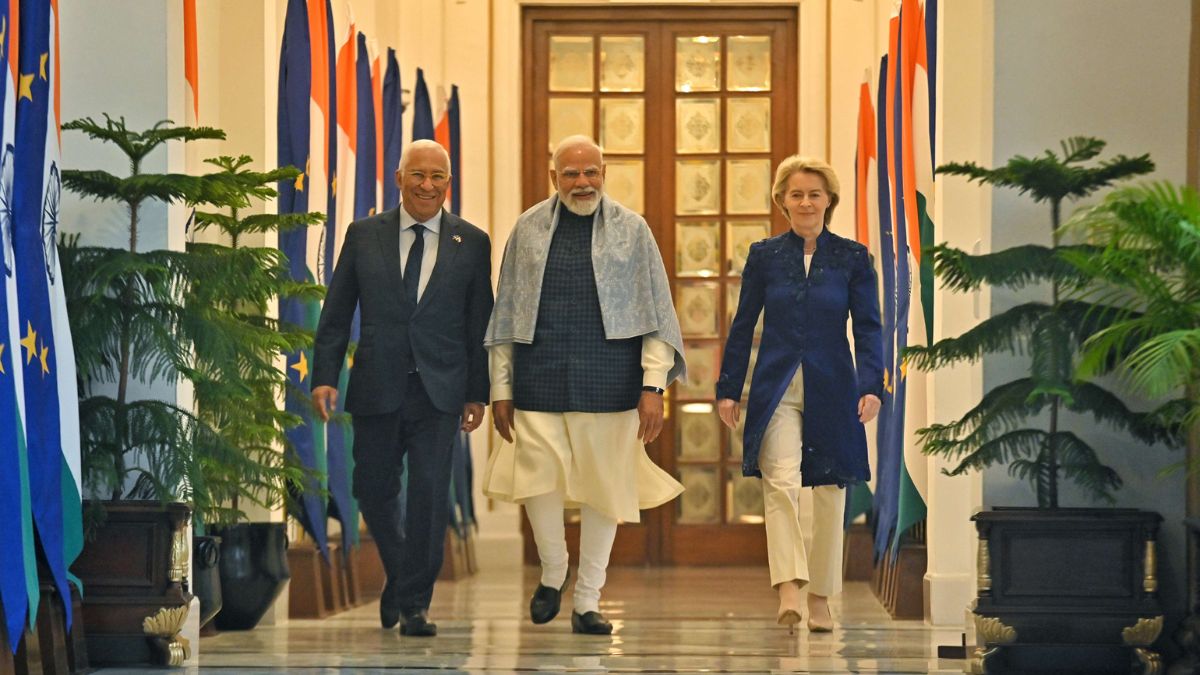 "With new security pact, India and EU eye win-win defence ties as US, China rival in arms race")
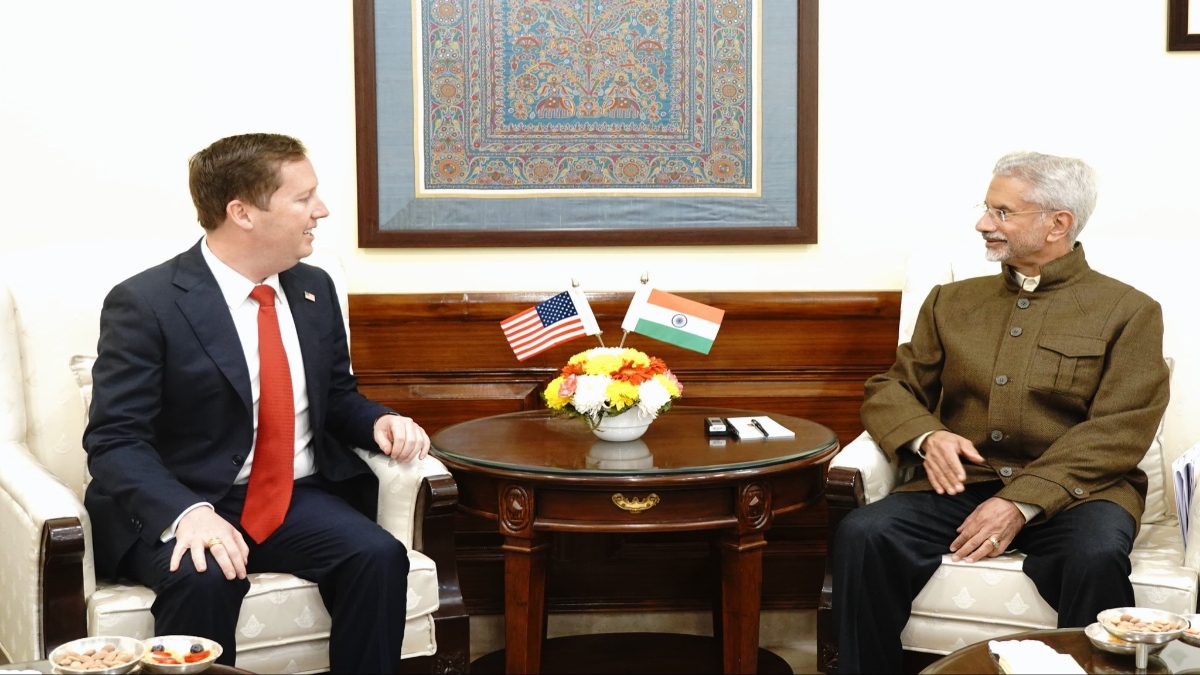 "Jaishankar meets Sergio Gor ahead of US visit, says discussed 'many dimensions of our partnership'")
 "As Trump shakes up Nato, Europe aims to go self-sufficient in weapon production")
 "EU to list Iran’s Revolutionary Guards as terrorist group alongside al-Qaeda and Hamas")
 "With new security pact, India and EU eye win-win defence ties as US, China rival in arms race")