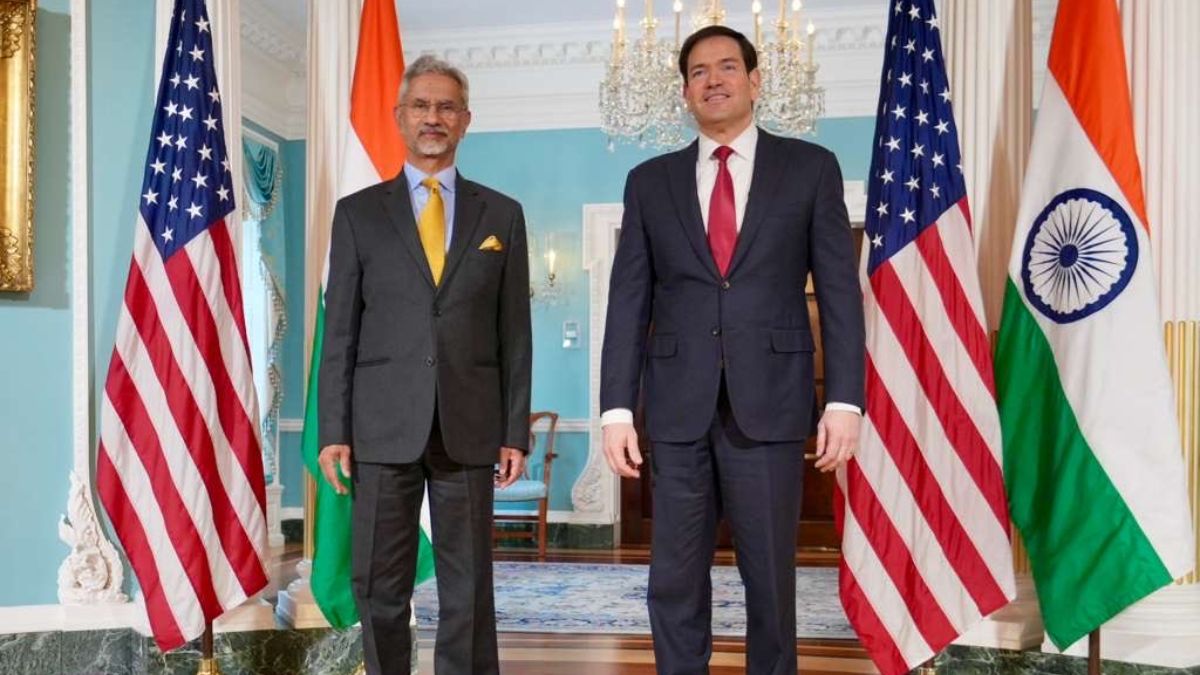
 "EAM Jaishankar, Rubio discuss energy security as Iran war threatens global economy")
India’s External Affairs Minister S. Jaishankar on Monday held a telephonic conversation with US Secretary of State Marco Rubio. The two leaders discussed the ongoing situation in West Asia, and the energy security concerns arising out of the conflict.
“Had a detailed telecon this evening with US secretary of state. Our discussions focused on the West Asia conflict and its impact on the international economy,” Jaishankar wrote on X. “We particularly spoke about energy security concerns. Agreed to remain in touch.”
Had a detailed telecon this evening with US @SecRubio. Our discussions focused on the West Asia conflict and its impact on the international economy. We particularly spoke about energy security concerns. Agreed to remain in touch.
— Dr. S. Jaishankar (@DrSJaishankar) March 23, 2026
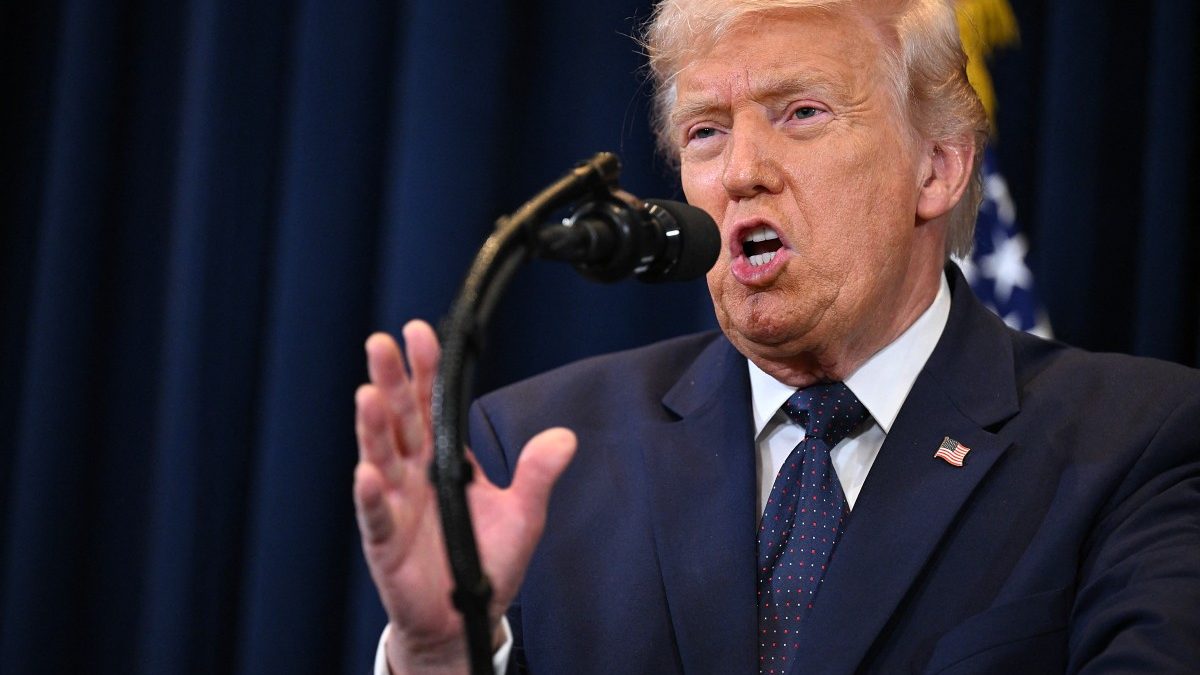
This comes hours after US President Donald Trump announced a five-day pause on planned US military strikes against Iranian energy infrastructure.
Why Gulf matters to India?
For India, the ongoing conflict in West Asia is not a distant crisis but an immediate economic one.
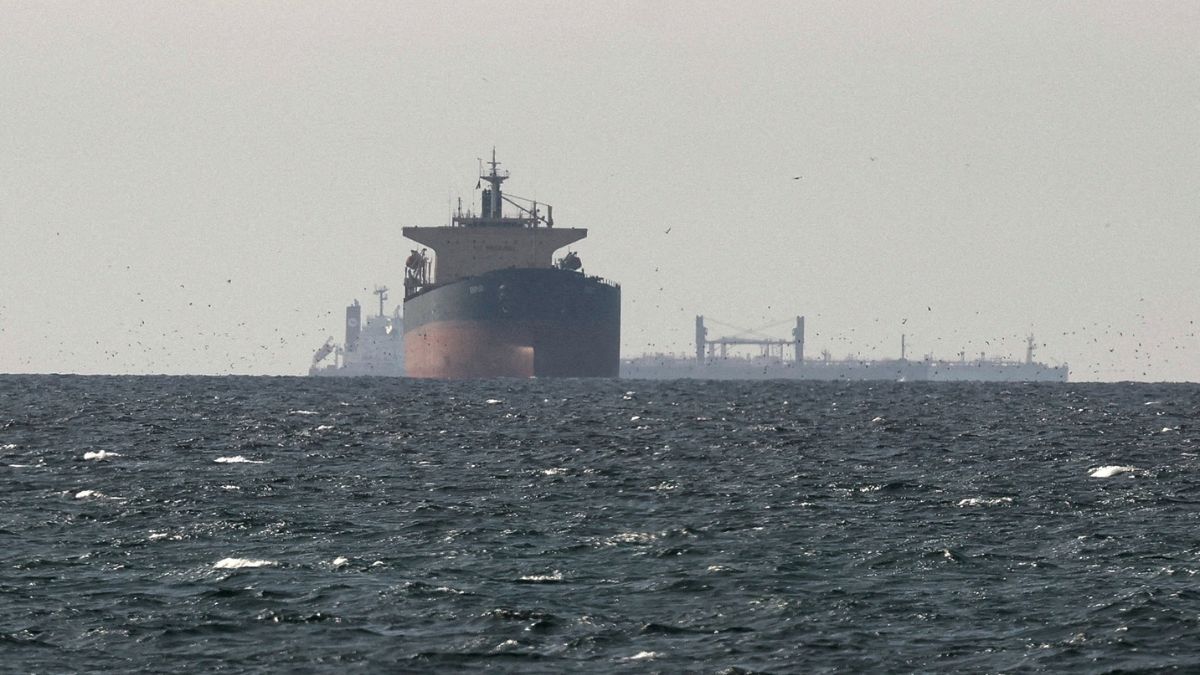
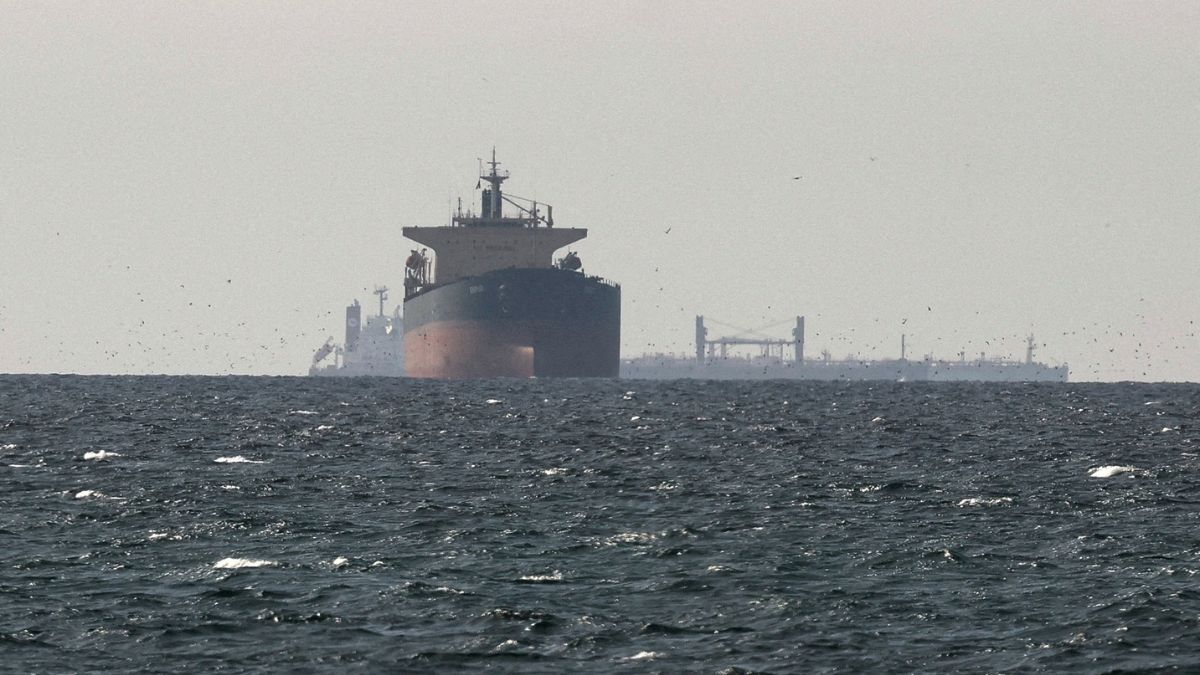
India is the world’s third-largest oil importer, and a significant portion of its crude supply transits through the Strait of Hormuz. Any prolonged disruption to the waterway feeds directly into domestic fuel prices, inflation, and the broader economic health of the country.
Quick Reads
View AllIndia also has a large diaspora of nearly nine million Indian nationals in the Gulf, across the UAE, Saudi Arabia, Kuwait, Oman, Bahrain, and Qatar. It makes the human stakes of the conflict as real as the economic ones.
Contradictory claims on Iran ceasefire
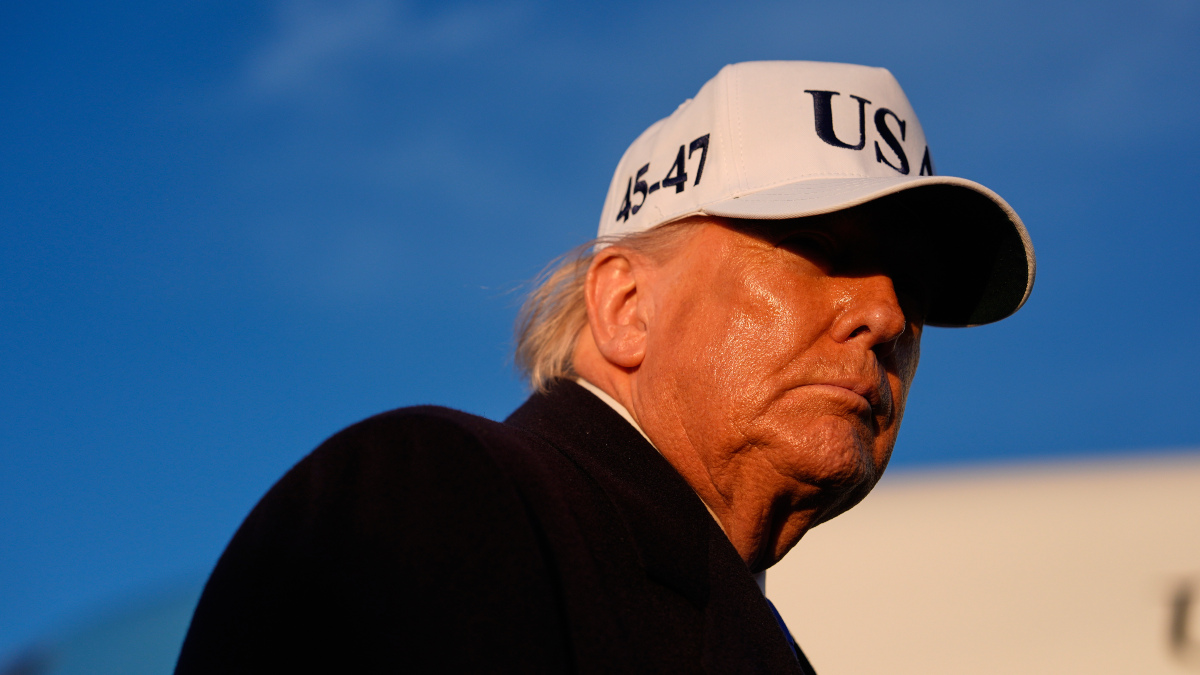
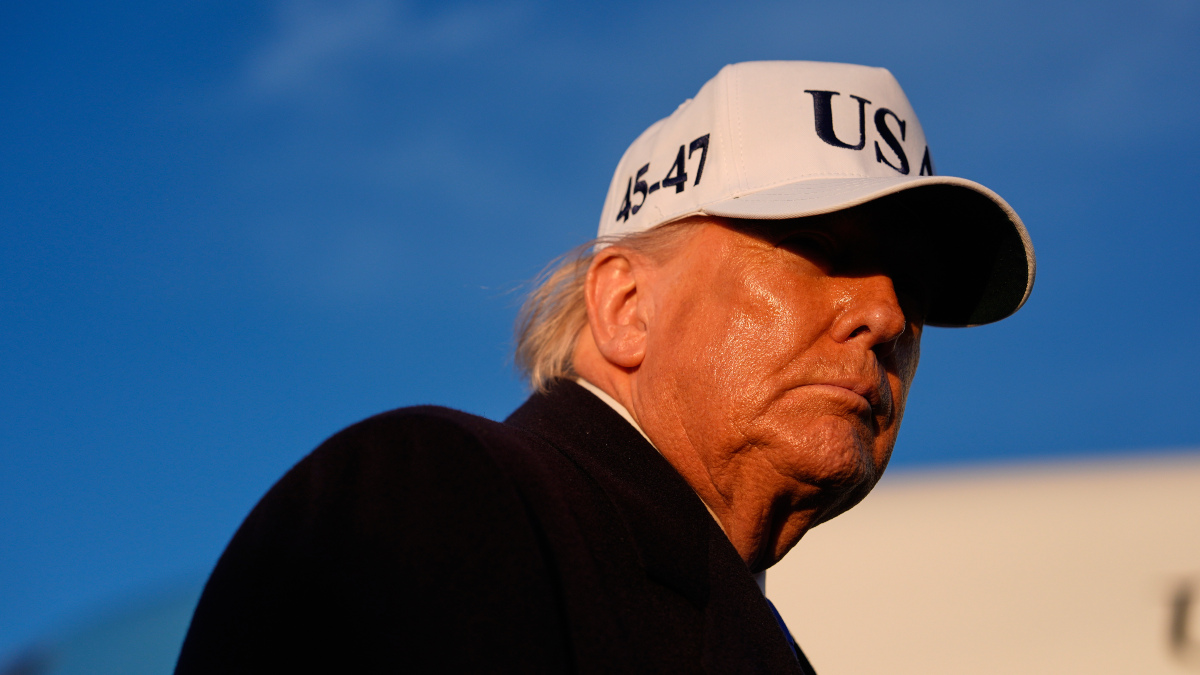
Earlier in the day, Trump said that the US and Iran had held ‘very good and productive’ conversations over the past 48 hours, and that he had instructed the Department of War to postpone all strikes on Iranian power plants for five days. He described the talks as moving toward a “complete and total resolution” of West Asian hostilities.
But Iran flatly rejected that framing. First, Iran’s embassy in Kabul posted on X that Trump had not paused out of diplomacy, but out of fear. Tehran had earlier warned that it would target energy infrastructure across the entire region if its own facilities were struck, and that Trump had “backed down” in response, the embassy said.
Iran’s foreign ministry went a step further, issuing a categorical denial that any direct or indirect talks with the United States were taking place.
The Jaishankar-Rubio call underscores a growing concern among major economies that the West Asia conflict is no longer just a regional security crisis but a global economic one.

 "'We've wiped out everybody': Trump says regime change already happening in Iran")
 "Iran Israel War Live Updates: Tehran has 'special plans' for Tel Aviv and regional allies tonight: Report")
 "Trump says Iran and US want to ‘make a deal’: Is West Asia war ending?")
 "Iran says Trump’s ‘good talks’ remark aimed at cooling energy prices amid West Asia war")
 "'We've wiped out everybody': Trump says regime change already happening in Iran")
 "Iran Israel War Live Updates: Tehran has 'special plans' for Tel Aviv and regional allies tonight: Report")
 "Trump says Iran and US want to ‘make a deal’: Is West Asia war ending?")
 "Iran says Trump’s ‘good talks’ remark aimed at cooling energy prices amid West Asia war")