

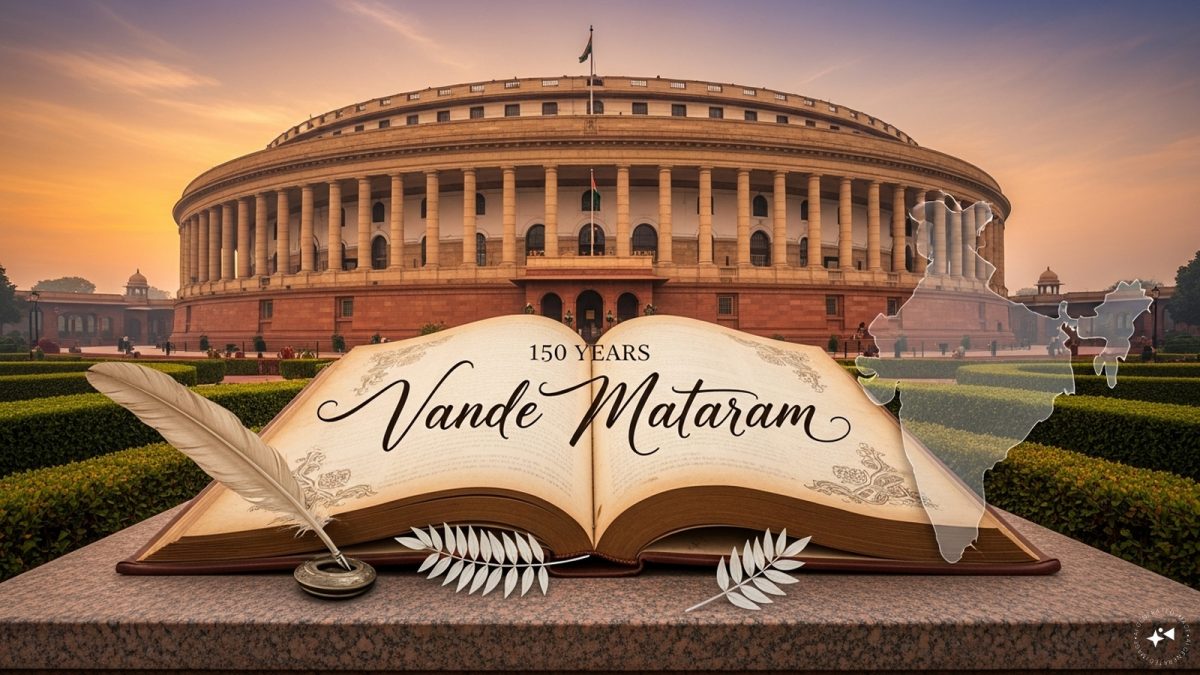
 "150 years of Vande Mataram: As Parliament gears for debate, key facts about India's National Song")
As Parliament gears up for a rare day-long debate, Vande Mataram is once again striking a political chord, reviving long-running arguments over a song that has travelled from a nineteenth-century literary verse to a rallying cry of the freedom movement. Its resonance endures, and so do the divides it triggers.
The Lok Sabha will begin the debate on Monday, opened by Prime Minister Narendra Modi and closed by Defence Minister Rajnath Singh, with the BJP allotted three hours. The Rajya Sabha will take up its own discussion the following day, led by Union Home Minister Amit Shah.
The commemoration arrives at a moment when the song’s past is once again under scrutiny, with arguments resurfacing over its religious imagery, its evolution through the freedom movement, and the decisions made by India’s pre-independence leadership.
What began as a lyrical invocation in Bankimchandra Chattopadhyay’s writing has repeatedly become a flashpoint over identity, symbolism and political messaging. The wider debate recalls the song’s path from its appearance in Anandamath, its emergence as a nationalist slogan, the Congress Working Committee’s 1937 choice to retain only the first two stanzas for public use, and its recognition in the Constituent Assembly as holding “equal honour and status” with the National Anthem.
The issue returned to national attention after PM Modi, speaking at an event marking 150 years of the song, accused the Congress of having “removed important stanzas” during its 1937 Faizabad session, claiming the step “sowed the seeds of partition.” He argued that dividing the full composition weakened its original spirit.
Quick Reads
View AllThe Congress countered that the decision was endorsed by its Working Committee, which included Mahatma Gandhi, Jawaharlal Nehru, Sardar Patel, Subhas Chandra Bose, Rajendra Prasad, Abul Kalam Azad and Sarojini Naidu. The party cited The Collected Works of Mahatma Gandhi to assert that the move sought a sensitive accommodation, since only the first two stanzas were in widespread national use and the remaining verses contained religious imagery that some citizens opposed. The Congress also pointed to Rabindranath Tagore’s advice, noting that he had sung Vande Mataram at the 1896 Congress session. In its response, the party accused the prime minister of attacking the freedom movement’s legacy while overlooking issues such as unemployment, inequality and foreign policy.
Legacy of the national song
According to historical accounts published by the Press Information Bureau, Sri Aurobindo wrote in Bande Mataram (16 April 1907) that Bankimchandra composed the hymn around 1875. It reached broader audiences after Anandamath was serialised in Bangadarshan in 1881. The novel centred on the Santanas, ascetic warriors devoted to liberating the motherland, represented through three visions of Bharat Mata: the Mother that was, the Mother that is, and the Mother that will be.
Aurobindo viewed the hymn as expressing “the religion of patriotism”, although later critics argued that imagery in the later stanzas drew upon goddess symbolism that did not include all communities.
By the early 1900s, the song had become a defining cry of the nationalist movement. During the Swadeshi and anti-partition protests after Lord Curzon’s 1905 division of Bengal, crowds invoked Vande Mataram during marches, boycotts and gatherings.
At Barisal in 1906, over 10,000 Hindus and Muslims marched together chanting the phrase. Figures such as Rabindranath Tagore, Bipin Chandra Pal and Sri Aurobindo helped popularise it, while British authorities attempted suppression through fines, police action and restrictions in schools. In 1907, Madam Bhikaji Cama unveiled the first tricolour abroad in Stuttgart with the words ‘Vande Mataram’ displayed upon it.
The Indian National Congress incorporated the song into its public life: Tagore sang it at the 1896 Calcutta session, and the party adopted it nationally at the 1905 Varanasi session. By the 1930s, however, objections were raised about religious allusions in later stanzas. The 1937 CWC decision to restrict national use to the first two stanzas reflected long-standing practice. The Committee observed that only these verses had become widely sung and that later sections contained “allusions and a religious ideology” that conflicted with the beliefs of some communities. It stated that national gatherings should use only the first two stanzas, though organisers could include additional songs. Tagore’s view that national symbols must not alienate was central to this decision.
When the Constituent Assembly met in 1950 to finalise national symbols, Dr Rajendra Prasad affirmed that Jana Gana Mana would be the National Anthem and Vande Mataram would enjoy equal honour and status. The declaration passed without objection, preserving both the song’s historical role and the commitment to inclusivity.
For the BJP, the renewed focus highlights what it views as a civilisational symbol whose importance predates party politics, with the 1937 decision framed as excessively accommodative. The Congress argues that it was the party that elevated the song during the freedom struggle and that the BJP is using history to deflect from governance challenges.
The Jamiat Ulama-i-Hind, led by Maulana Mahmood Madani, maintains that only the first two stanzas are acceptable for national use. It rejects the remaining verses on theological grounds, stating that the depiction of the motherland as the goddess Durga conflicts with Islamic monotheism.
“Muslims believe in one God and worship Him alone,” Madani said, explaining that verses invoking divinity for anyone other than Allah are incompatible with Islamic belief. According to the organisation, the later stanzas of the full composition contain shirkiya aqaaid (polytheistic elements) and therefore cannot be recited by Muslims.


 "Thailand launches airstrikes on Cambodia in a setback to Trump's ceasefire deal")
 "'Not hawkish or dovish': 5 key things for Asia in Trump's new national security policy")
 "Why the Goa nightclub fire, which killed 25, was so difficult to contain")
 "'With China, it's always we verify': Trump's top aide on trade deal with Beijing")
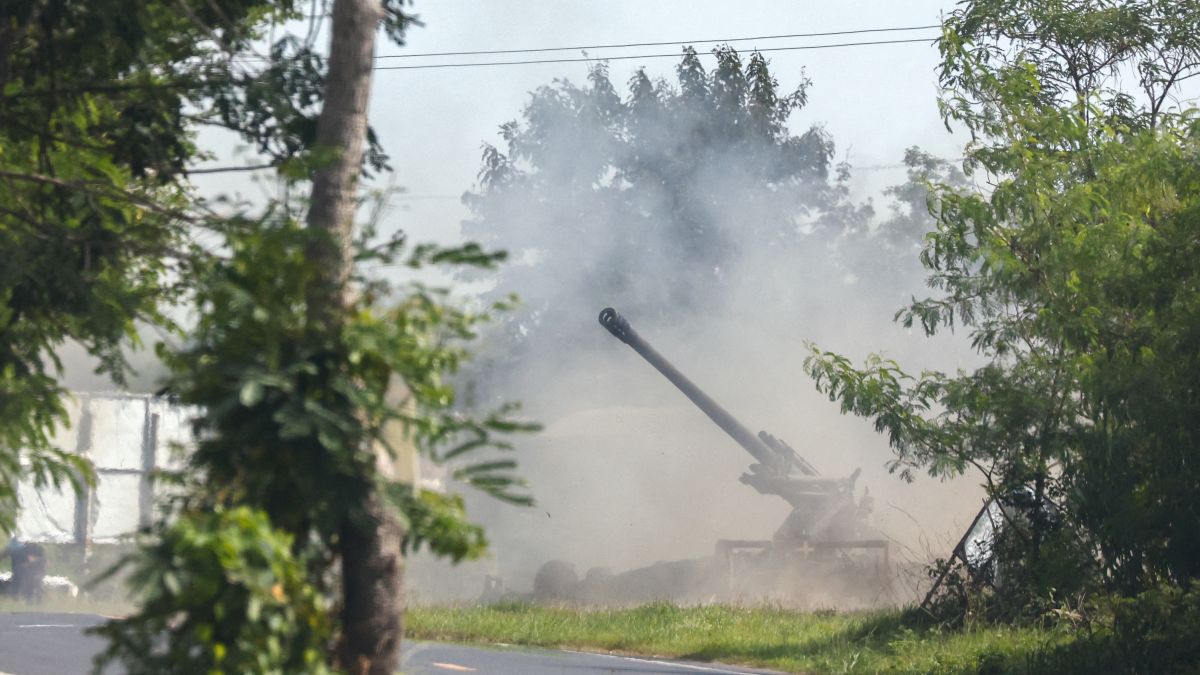 "Thailand launches airstrikes on Cambodia in a setback to Trump's ceasefire deal")
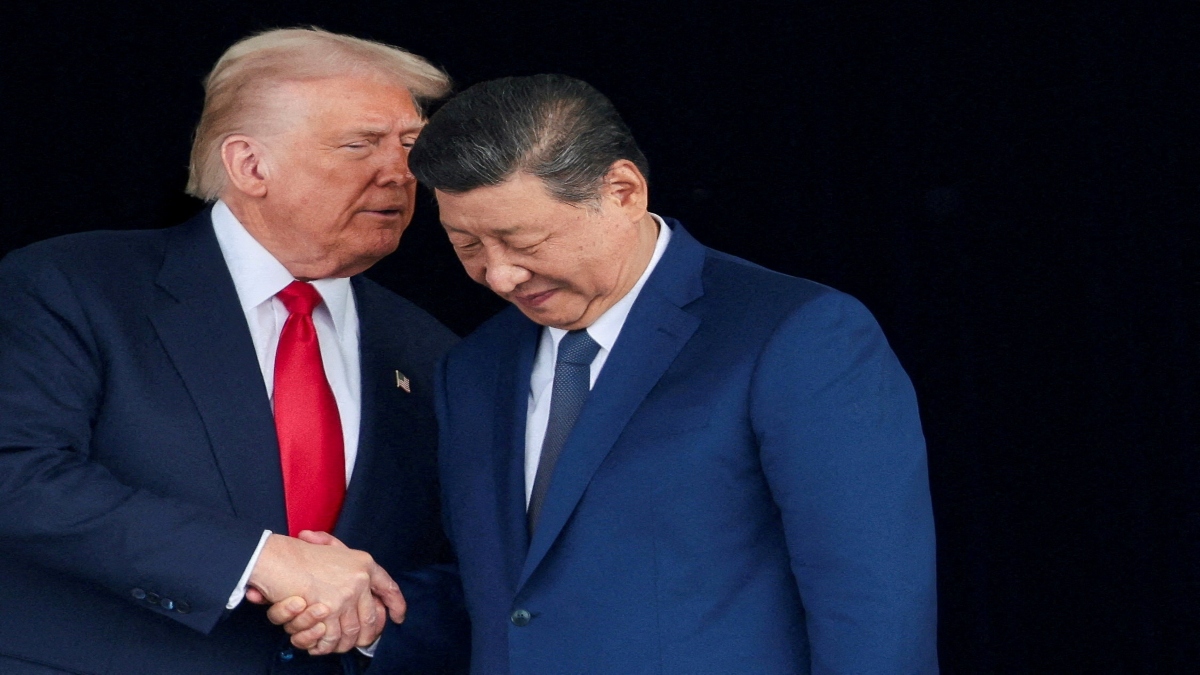 "'Not hawkish or dovish': 5 key things for Asia in Trump's new national security policy")
 "Why the Goa nightclub fire, which killed 25, was so difficult to contain")
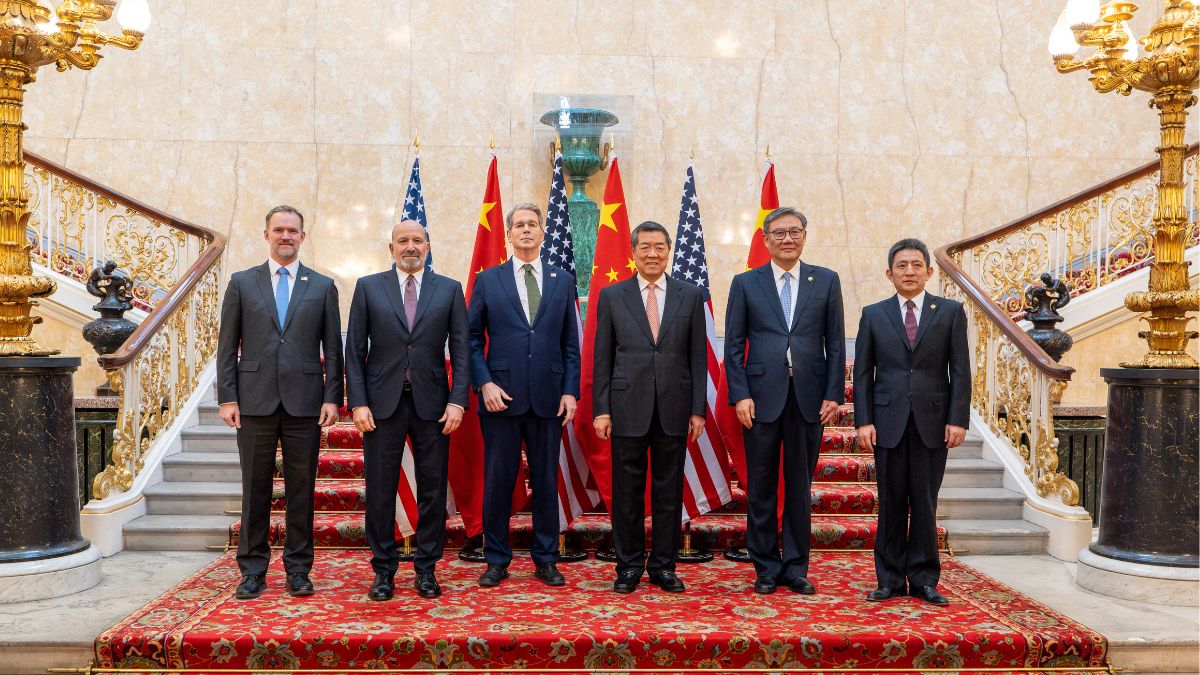 "'With China, it's always we verify': Trump's top aide on trade deal with Beijing")



