

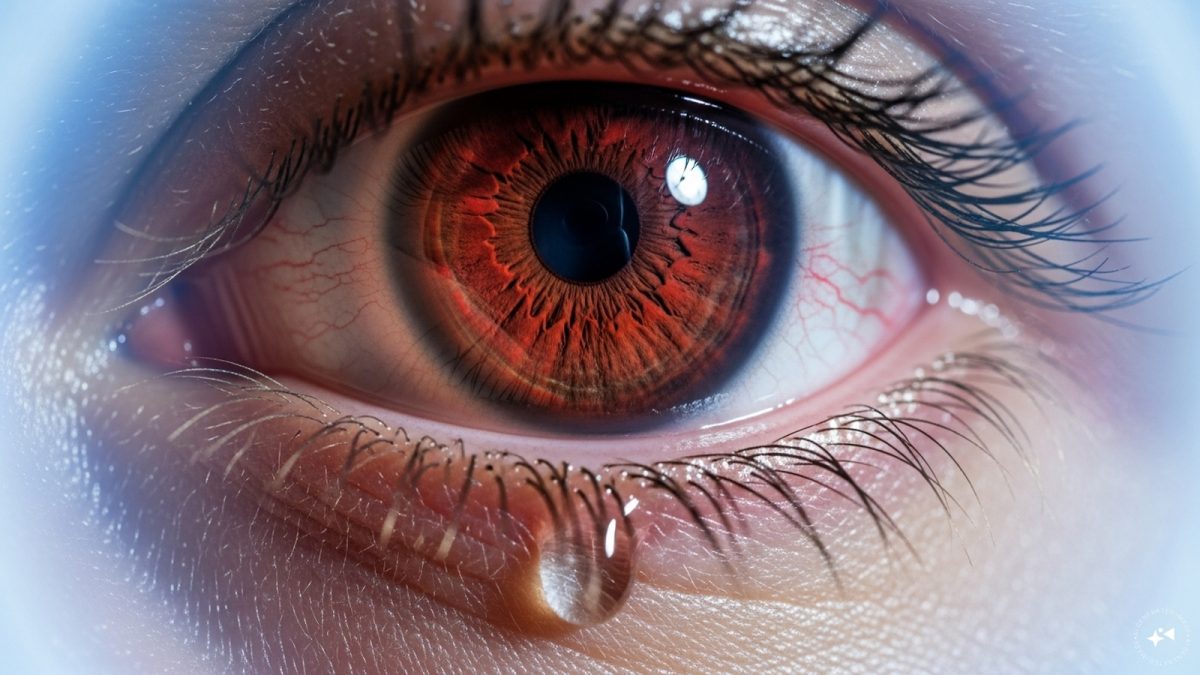
 "Doctor explains: Why winter raises the risk of dry eye, blepharitis and UV damage")
As winter sets in, many people notice their eyes feeling unusually dry, gritty, or irritated — symptoms that ophthalmologists say can intensify by as much as 40% during colder months.
Low ambient humidity, cold winds, indoor heating, longer screen hours, and reduced hydration combine to destabilise the tear film, leaving the ocular surface vulnerable to inflammation, blurred vision, and discomfort. From evaporative dry eye and blepharitis flare-ups to snow glare–related corneal damage in colder regions, winter poses a distinct set of challenges for eye health across age groups.
To understand why dry-eye disease worsens in winter, who is most at risk, and how simple, evidence-based measures can protect vision without overuse of drops or supplements, Firstpost spoke to Dr. Ganesh Pillay, Chief of Research & Academics and Regional COO (Central India), ASG Eye Hospital to shed light on the physiological changes that occur in colder weather and the science-backed strategies to keep eyes healthy through the season.
Studies suggest dry-eye symptoms can worsen by up to 40% in winter. What physiological changes during colder months make the eyes more vulnerable, and who is most at risk?
Dr Pillay: v
Indoor humidity often drops below 20% in winter, while screen time rises sharply. How do low humidity and increased digital exposure together destabilise the tear film and worsen dry-eye disease?
Dr Pillay: Increased use of digital screens for long times reduces production of tears. This is what causes dry eye symptoms. It can also be exacerbated by blue light from screens, which acts as a hindrance with natural formation of tears. Digital screen time results in reduced blinking time, further causing eyes to get dry and increases irritation. Enhanced exposure to screens can lower the lipid layer. What this essentially means is that the tear film can evaporate quicker. This is exacerbated in Evaporative Dry Eye- where an oily layer of tears is deficient. Increased digital usage can also result in inflammation of the eye, Meibomian gland dysfunction and vision and focus issues.
Hydration is often overlooked in eye health. How does winter dehydration affect tear-film stability and what role do electrolytes like sodium, potassium, and magnesium play in supporting ocular hydration without causing imbalance?
Dr Pillay: Winter dehydration affects ocular health since the body’s reduced water intake in cold results in a drop in tear volume and simultaneously an increase in tear osmolarity (concentration of dissolved salts and other particles in eyes).
To avoid this, people can sip water with a pinch of salt or electrolytes to ensure deep cellular absorption. Sodium regulates essential fluid balance, potassium maintains health of conjunctival goblet cells and magnesium is a natural anti- inflammatory agent. Maintaining electrolyte balance can help to regularise regular pH levels for the eyes.
Quick Reads
View AllBlepharitis tends to flare up during winter. Can you explain how bacterial buildup along the lash line contributes to dry eye and whether hypochlorous acid-based lid hygiene is safe and effective for regular use?
Dr Pillay: Blepharitis is the inflammation of the oil glands in the eyelids, and includes flakes at the base of eyelashes. It also results in blurry vision, which can be solved temporarily by blinking and cleansing. Blepharitis is an eye condition in which the edges of eyelids get swollen and turn dark red. It is very common among individuals who have dandruff and oily skin and happens when the oil glands of the eyes become clogged.
This condition is classified into two types, they are anterior blepharitis and posterior blepharitis.
Anterior blepharitis affects the front edge of the eyelids, it is caused by the bacteria that live on our skin and produce an irritative toxin which causes swelling or inflammation.
Posterior blepharitis affects the inner edge of the eyelids, it occurs when the oil-producing gland (meibomian gland) under the eyelid produces unhealthy and thickened oil. It can be treated by Omega 3 supplements, lubricating eye drops, and warm compresses.
In eye care, hypochlorous acid is used for the ongoing treatment of blepharitis and chronic dry eyes. Remember that blepharitis is caused by an overgrowth of bacteria around the eyelids. Hypochlorous Acid is a great natural antimicrobial agent and it works by significantly reducing the amount of bacteria around the eyelids and eyelashes.
HOCL reduces the bacterial load around our eyes by over 90%. It also reduces inflammation due to bacteria around the eyes. When there is less bacteria around the eyes, blepharitis is well controlled and symptoms of chronic dry eyes are also improved. It has also been shown that hypochlorous acid is effective in the management of bacterial and viral conjunctivitis.
Commercially available hypochlorous acid used for eye care usually comes in a spray bottle. With the eyes closed, it can be simply sprayed directly onto the eyelashes. Alternatively, it can be sprayed onto a cotton pad and then gently spread along the eyelashes and eyelid margins. No need for excessive rubbing. You don’t need to rub it or rinse it off. HOCL is very gentle. It is colourless and essentially odourless. There is no stinging or discomfort upon application and is generally very well tolerated by patients. It is a natural, gentle way to significantly reduce the bacteria on and around our eyelids. At 0.02%, the solution is safe for long-term daily use and is stable and pure without additives.
Many people use lubricating eye drops during the day. Why do you recommend thicker gel drops or ointments at night in winter, and how does night time lubrication help heal the ocular surface?
Dr Pillay: When the eyes lack adequate lubrication, they can become irritated and inflamed, affecting daily activities and gradually reducing quality of life. Artificial tears, also known as lubricating eye drops, are designed to mimic the natural composition of tears and provide moisture and relief for dry eyes. They are available in different formulations to address varying types of dry eye conditions, including thicker, high-viscosity solutions that stay on the eye longer and preservative-free options that are gentler on sensitive eyes. Selecting the right product depends on symptoms and personal comfort and consultation with an eye care professional is essential.
Lubricant-based drops provide quick moisture replacement for mild to moderate dryness, while oil-based drops help manage evaporative dry eye by restoring the tear film’s oily layer. Preservative-free drops are ideal for sensitive eyes or frequent use. Gel or ointment-based formulations are thicker and offer longer-lasting relief, making them most suitable for night time use, with ointments providing the longest duration of protection.
Snow glare can reflect intense UV radiation back into the eyes. What risks does this pose to vision, such as photokeratitis, and how do polarized lenses help reduce glare and long-term eye damage?
Dr Pillay: Photokeratitis is a painful eye condition caused by direct exposure to ultraviolet (UV) radiation, often described as a “sunburn of the eye.” It damages the cornea’s surface layer and the conjunctiva. Snow blindness is a common form of photokeratitis resulting from UV rays reflected off snow and ice, which can reflect up to 80% of UV radiation. In extreme cold and dry conditions, it may also involve freezing or severe drying of the corneal surface.
Activities such as skiing, snowmobiling and mountain climbing increase the risk, making UV-protective eyewear essential. Polarised lenses help reduce glare and eye strain by filtering reflected light.
Winter can also affect low-light vision, making adequate nutrition important for retinal health. Zinc and taurine support retinal function by acting as antioxidants and maintaining the retina’s structure and response to light. Zinc plays a key role in the rhodopsin reaction required for night vision, while taurine provides antioxidant, anti-inflammatory and neuroprotective effects.
Vitamin A helps prevent dry eyes and night blindness, while lutein and zeaxanthin—found in leafy greens, eggs and yellow vegetables—protect the macula by filtering harmful blue light. Although deficiencies are not specifically linked to colder months, people with restrictive diets or medical conditions should ensure adequate intake year-round.
Finally, what evidence-based winter eye-care habits would you recommend to prevent long-term damage while avoiding overuse of products or supplements?
Dr Pillay: One must avoid directly sitting in front of a heater to avoid dry eyes. During the winters, your eyes are more prone to dryness due to the cold air. To top that, if you spend long hours in front of your television or computer screen during the holiday season, you need to make sure that you limit the time you spend using digital devices.
Also properly hydrate yourself in order to reduce dryness. In colder months, people often underestimate their water needs because they feel less thirsty. However, inadequate fluid intake can quickly lead to eye dryness in winter.
To prevent dehydration, aim to drink sufficient water throughout the day and include hydrating foods in your diet, such as cucumbers, oranges, and leafy greens like spinach. These not only support general health but also help sustain the eye’s natural lubrication.


 "Zelenskyy to meet Trump in US on Sunday: Is an end to Russia-Ukraine war close?")
 "Why Pakistan’s mass exodus of skilled professionals puts Asim Munir’s ‘brain gain’ claim under scrutiny")
 "Thailand, Cambodia agree to an 'immediate ceasefire', halting fierce border clashes")
 "Bangladesh: BNP's Tarique Rahman pays tribute at Hadi’s grave amid tight security")
 "Zelenskyy to meet Trump in US on Sunday: Is an end to Russia-Ukraine war close?")
 "Why Pakistan’s mass exodus of skilled professionals puts Asim Munir’s ‘brain gain’ claim under scrutiny")
 "Thailand, Cambodia agree to an 'immediate ceasefire', halting fierce border clashes")
 "Bangladesh: BNP's Tarique Rahman pays tribute at Hadi’s grave amid tight security")



