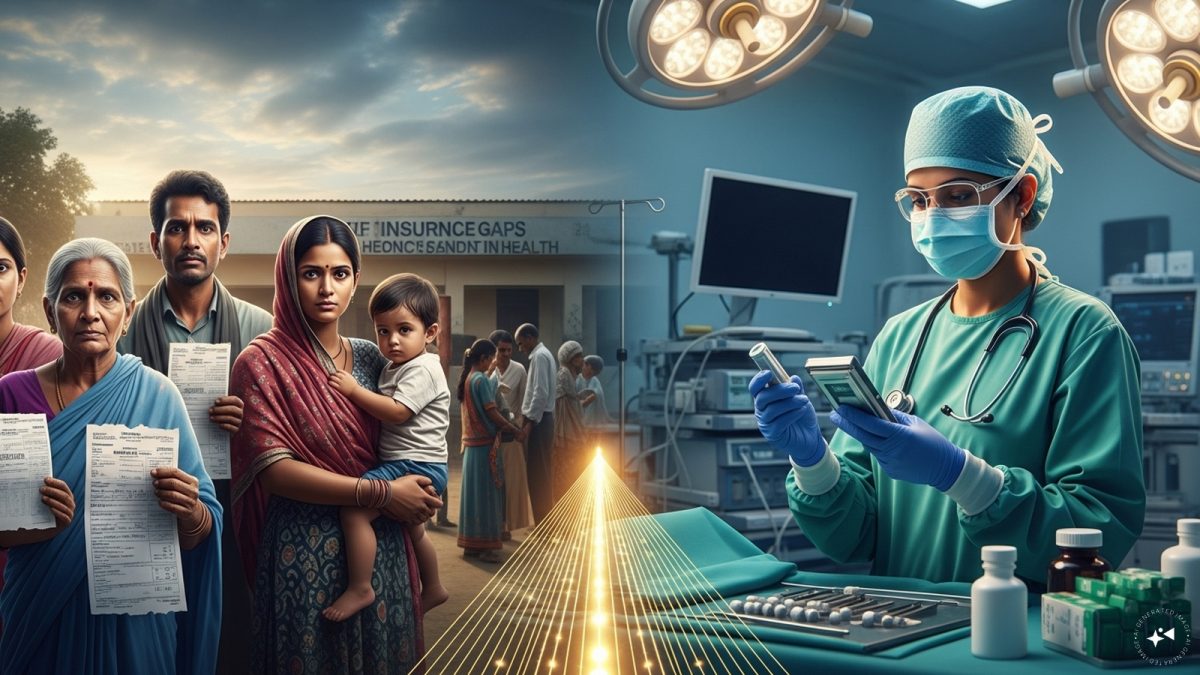
 "Budget 2026 expectations: Healthcare industry flags insurance gaps, funding needs and Atmanirbhar push")
As the Indian government prepares to unveil the Union Budget 2026 on February 1, the healthcare sector is closely watching whether fiscal priorities will align with the growing burden of non-communicable diseases, rising healthcare costs, infrastructure gaps and the need for stronger domestic manufacturing.
The sector stands at a critical crossroads. Following the 2025-26 allocation of approximately ₹99,859 crore, which saw a nearly 10 per cent increase over previous years, the sector is now calling for bold structural reforms to bridge the gap between intent and impact. With medical inflation rising at an estimated 11.5–14 per cent and public health spending still hovering around 1.9% of GDP, short of the 2.5% target set by the National Health Policy, experts are urging for a “booster dose” of fiscal support and policy clarity to achieve the vision of a “Viksit Bharat” by 2047.
Infrastructure & domestic manufacturing: The ‘Atmanirbhar’ push
Vipul Jain, CEO of CK Birla Hospitals said that policy continuity supporting consistent, high-quality and technology-enabled care will be critical as healthcare demand rises. He highlights that strengthening healthcare infrastructure; technology adoption and supply-side resilience should remain central to budget planning.
“One of the key areas requiring attention, he notes, is policy support for domestic manufacturing of advanced medical equipment, as a significant share of high-end technologies used in hospitals continues to be imported from Western markets and China.”
Jain said that if advanced medical equipment were manufactured at scale in India, costs could reduce substantially over time, similar to the transformation seen in the automotive sector. “Beyond affordability, local manufacturing could improve supply reliability, service support, and long-term technology adoption. Additional policy incentives, he says, would help build a more resilient medical technology ecosystem while enabling broader access to quality healthcare.”
Diagnostics, a core pillar of healthcare delivery, is another focus area. Dr Anand K., Managing Director & CEO of Agilus Diagnostics Ltd., said diagnostics informs nearly every clinical decision and requires targeted policy execution beyond headline allocations. He notes that while recent budgets allocated over ₹95,000 crore for health and ₹20,000 crore for research, structural issues such as the inverted duty regime continue to weaken domestic manufacturing.
Quick Reads
View AllAccording to Dr Anand, importing finished diagnostic products is often cheaper than sourcing raw materials locally, limiting value creation and increasing import dependence. He said that more balanced tax structures, supported by consistent R&D incentives, can improve affordability while maintaining quality. “As diagnostics increasingly adopt AI-enabled tools, regulatory clarity and scientific validation will be essential to ensure safety and trust, while keeping patient-centric care at the core of policy planning.”
Diagnostics, AI and mental health
Mental healthcare funding also remains a key expectation ahead of the Budget. Dr Jothi Neeraja, Founder & Managing Director of People Tree Hospitals and Maarga Mind Care, pointed out that in Union Budget 2025–26, healthcare allocation rose by approximately 10%, reflecting government intent. However, he said that direct mental health spending under the Ministry of Health & Family Welfare stood at about ₹1,004 crore, just 1% of the total health budget—with support directed mainly to institutions such as NIMHANS Bengaluru, the Lokpriya Gopinath Bordoloi Regional Institute of Mental Health in Tezpur and the National Tele-Mental Health Programme.
While welcoming the increased attention, Dr Neeraja said the proportion remains small relative to the scale of mental health needs. For Union Budget 2026, she expects greater and sustained investments in mental health awareness, community programmes, early intervention, workforce training, and infrastructure across urban and rural India, along with continued emphasis on digital and tele-mental health services and integrated care pathways.
This sentiment is echoed by Satish Kumar Singh, Founder, MY LYF CARE, who sees Budget 2026 as an accelerator for the HealthTech ecosystem. “The Budget 2026 could act as a major accelerator for India’s HealthTech ecosystem by building on last year’s emphasis on digital health infrastructure, telemedicine, and technology-driven services. He expects growth in AI-based diagnostics and integrated digital health platforms, along with increased funding for research and government-backed initiatives to support startups and digital infrastructure development,” he said.
Singh also said that clearer GST and technology adoption incentive policies, combined with stronger public–private collaboration, could encourage innovation, employment generation, and faster reduction of the urban-rural healthcare divide while positioning India as a global healthcare innovation leader.
From a broader policy perspective, Dr Alok Khullar, Group CEO of RJ Corp Healthcare, says India’s public health spending still does not reflect its GDP growth trajectory despite recent increases. He expects the forthcoming Budget to address this gap through sustained investments in healthcare infrastructure, medical research, clinical trials, workforce development, disease surveillance, and preventive care.
Dr Khullar said that as lifestyle and non-communicable diseases dominate mortality trends, policy focus must shift from treatment-centric models to prevention, early diagnosis, and long-term health management. He also highlights the role of regenerative medicine and cellular therapies in addressing chronic and age-related conditions, calling for enhanced incentives for research, domestic manufacturing, and advanced therapies.
Operational sustainability for hospitals is another concern. Dr Sanjeev Gupta, Medical Director at Sri Balaji Action Medical Institute and Action Cancer Hospital (New Delhi) said hospitals continue to face pricing pressures and delayed reimbursements under schemes such as CGHS and ECHS. Timely settlement of dues and clearer pricing frameworks, he says, are essential to maintaining quality healthcare delivery.
Dr Gupta pointed out that several government schemes have limited coverage for advanced procedures, including robotic-assisted surgeries, along with capping on certain critical drugs. “Periodic revision of package rates, he says, is necessary to keep pace with evolving clinical practices, while ensuring affordability and sustainability.”
Insurance expansion also features prominently in pre-Budget expectations. Dr Purshotam Lal, Director – Interventional Cardiologist and Chairman of Metro Group of Hospitals said widening the Ayushman Bharat–Pradhan Mantri Jan Arogya Yojana (PMJAY) is essential, especially amid rising non-communicable diseases among younger populations. He stresses the need for a health insurance model that prioritises preventive care over procedures to achieve the vision of a healthy India.
Calling for universal coverage and regional equity, Dr Sharan Shivaraj Patil, Chairman of SPARSH Group of Hospitals said the Union Budget 2026 should outline a long-term roadmap for healthcare infrastructure financing, expansion of medical and nursing education, and targeted incentives for providers in Tier II and III cities. He adds that deeper insurance penetration, medical tourism promotion, import duty rationalisation, AI-enabled diagnostics, and stable policy frameworks are crucial for encouraging responsible private investment.
Maternal and child healthcare is another priority area. Dr Dilshad Khan, Unit Head at Cocoon Hospital, Jaipur, said that Budget 2026 should emphasise maternal and child health infrastructure, especially in Tier II and III cities. She calls for rationalisation of treatment rates, faster reimbursements, and long-term financing support, suggesting that a 20–25% increase in allocations for maternal and child health services would significantly strengthen care delivery and clinical outcomes.
Echoing calls for increased spending, Mr Abhishek Kapoor, CEO of Regency Hospital, Ltd said that Union Budget 2025–26 allocated ₹95,957.87 crore to healthcare, keeping public spending below 2% of GDP despite a 2.5% target. He expects allocations to rise beyond 2% with focused structural reforms aimed at strengthening district hospitals, rural healthcare, and preventive programmes.
Kapoor highlights that nearly 45–50% of healthcare expenditure in India remains out-of-pocket and calls for wider health insurance coverage, especially in large states where penetration is low. He also expects a stronger policy push towards public–private partnership models to leverage private-sector expertise in manpower, specialist care, and technology-driven secondary healthcare services.
Dr. Sujit Paul, Group CEO, Zota Healthcare Ltd.(Davaindia) “As India heads into Pre-Budget 2026, the healthcare manufacturing and pharmacy sector is poised for continued growth, driven by rising demand for affordable medicines and the expansion of digital pharmacies. The Budget should reflect these priorities by boosting domestic medicine production, simplifying GST on essential drugs, improving credit access for MSMEs and investing in cold-chain infrastructure, warehousing, and supply-chain digitalisation.
Dr Paul said that such measures are vital to lowering costs and ensuring medicine access across Bharat. Incentives for R&D and faster product approvals will also help the pharmaceutical industry move up the value chain, positioning India not just as the pharmacy of the world but also as a global innovation hub.”
Dr. Sameer Bhati, Public Health Analyst said “Pre-Budget 2026 should be seen as an opportunity to lay the economic foundation for a stronger public health system. India’s long-term growth depends on shifting healthcare towards preventive care, expanding affordable access, and reducing system-wide costs through higher investment in primary healthcare, mental health, and digital health platforms to curb avoidable hospital admissions.:
“The Budget should introduce tax deductions for geriatric home-care relief, expand health insurance coverage for informal workers, strengthen health surveillance and diagnostics and promote local public-private collaboration. Greater focus on data systems, R&D incentives for domestic innovation in drugs and medical equipment, and early intervention programmes is also essential.”

 "How the fall of Iran could change the world, impacting even India")
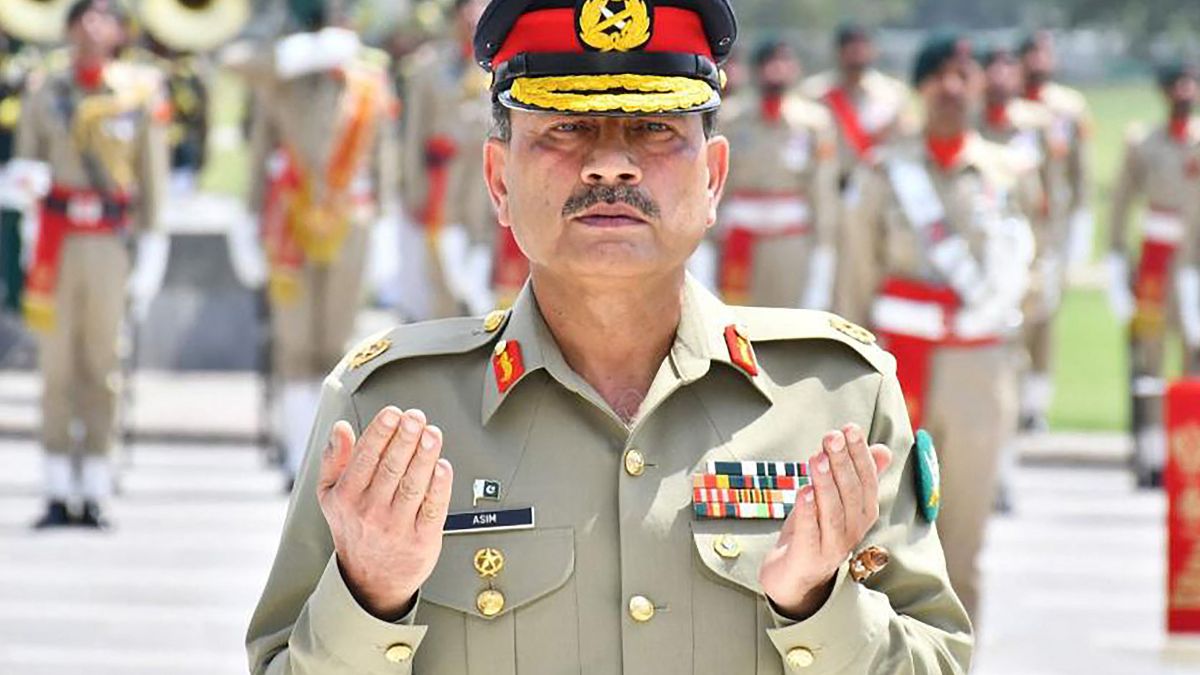 "Panic in Pakistan as Trump backs regime change in Iran, Asim Munir holds emergency meeting")
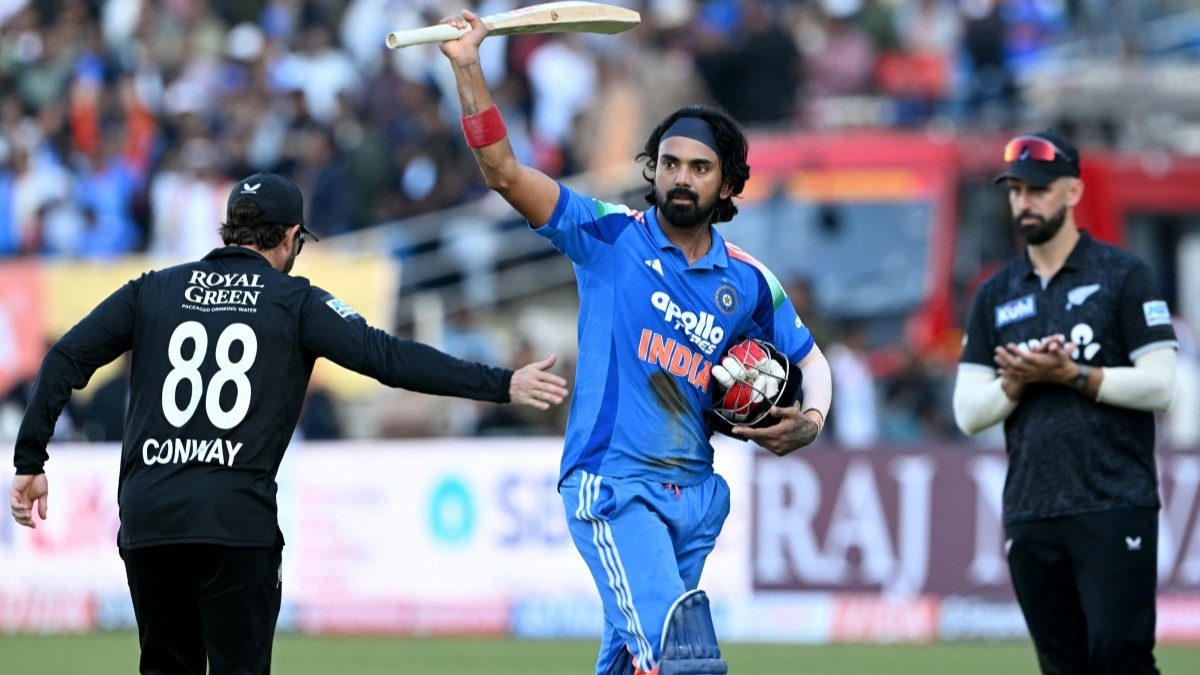 "IND vs NZ Live Score 2nd ODI Updates: KL Rahul's terrific 112* powers IND to 284/7 on tricky Rajkot pitch")
 "Exclusive | ‘I don't feel pressure’: Sumit Nagal relishes responsibility of being Indian No 1, hopes to be a source of inspiration")
 "How the fall of Iran could change the world, impacting even India")
 "Panic in Pakistan as Trump backs regime change in Iran, Asim Munir holds emergency meeting")
 "IND vs NZ Live Score 2nd ODI Updates: KL Rahul's terrific 112* powers IND to 284/7 on tricky Rajkot pitch")
 "Exclusive | ‘I don't feel pressure’: Sumit Nagal relishes responsibility of being Indian No 1, hopes to be a source of inspiration")