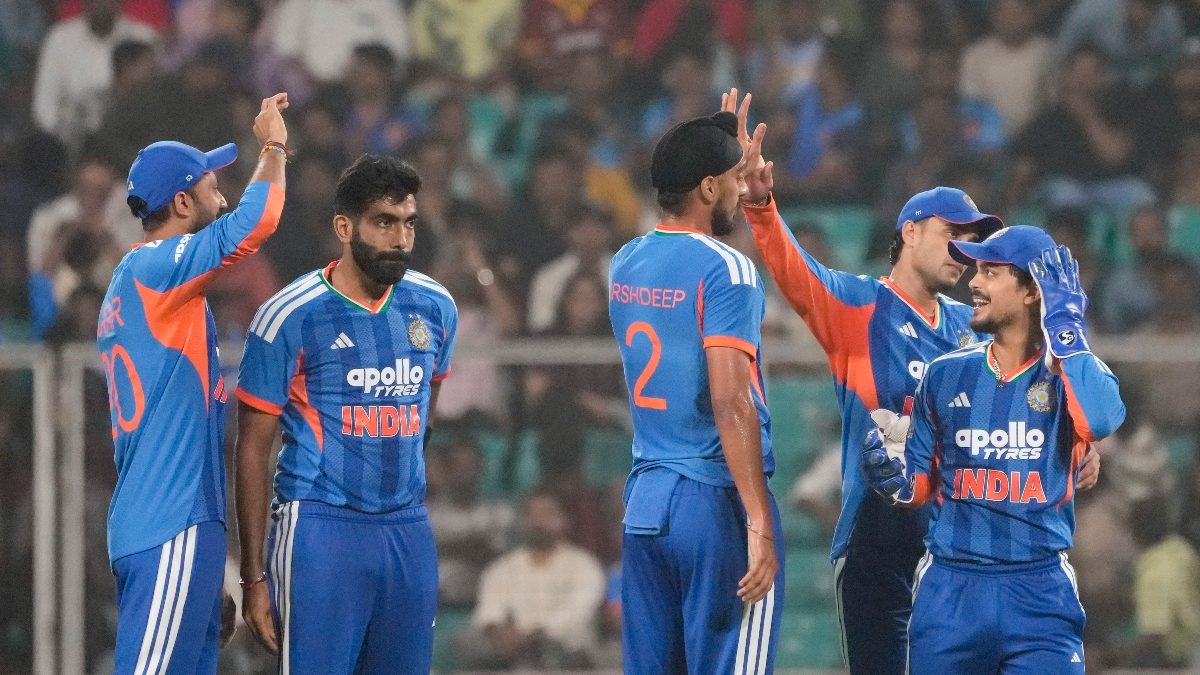
 "History says no. Form says yes: Why India enter the T20 World Cup as favourites")
R Kaushik in Mumbai: No nation has won the T20 World Cup for a third time. No side has worn the crown on home soil. And no team has come close to mounting a successful title defence. So, why should Suryakumar Yadav’s India be any different?
Because.
Because, not only are they the No. 1-ranked team in the format – a position they have made their own for a long time now – but also for the fact that they are playing a brand of cricket that’s in keeping with their status as top dogs. Because, they have such firepower in batting and such all-round depth in bowling that even when they are firing at no more than 90% of their potential, they are practically impossible to stop. Because, in a format that doesn’t guarantee consistency when it comes to results, they have won 31 and lost just six matches outright in 41 games (two no-results and two ties resulting in Super Over victories) since the end of the last World Cup.
Because, they have triumphed in each of their last eight bilateral series in the last 19 months, with an Asia Cup title in September last year serving as the icing on the cake.
India: No 1 contender for T20 World Cup
As far as favouritism goes, it is difficult to look beyond India. That does have a fair bit to do with their familiarity with and comfort in home conditions, but India have shown themselves to be adept at performing everywhere. After the World Cup victory in Bridgetown in June 2024, they have bested South Africa and Australia in their respective backyards, while the Asia Cup success came in the desert sands of the United Arab Emirates. To term India an all-weather, all-conditions 20-over behemoth will be no exaggeration.
None of this means that all India have to do to add a third 20-over World Cup trophy to their impressive cabinet is merely show up. Sports in general and cricket specifically carries the reputation of being a great leveller; take things for granted and that is a certain recipe for disaster. Take your eyes off the ball, and any one of half-dozen challengers can step up and deliver the killer blow.
Also Read | T20 World Cup 2026 format explained: How many matches will each team play, how much can they earn
It’s happened numerous times in the past – Zimbabwe pulling the rug from under Australia’s feet in 2007, Netherlands stunning England in 2009, United States conjuring a Super Over heist against Pakistan in 2024 – and there is no reason why it can’t happen again, because that is the very nature of the T20 beast.
Quick Reads
View AllBut if there is one thing that is guaranteed, it’s that India won’t be complacent heading into their title defence. They will be supremely confident, of course – why wouldn’t they be, giving their stirring exploits? – and they will bring swag and strut with their mercurial captain leading the way, but they won’t underestimate the chasing pack and they will not consider themselves invincible.
In the same breath, they will not veer from their avowed mantra of brazen aggression, because that is no longer negotiable. From the time Rohit Sharma and Rahul Dravid came together in early 2022, the die was cast; hitherto, India had been conservative and conventional, assiduously refusing to embrace the positivity that is so integral to success in this format. The fearlessness that is now such a vibrant and noticeable facet was conspicuous by its absence. The established names were reluctant to adapt to the demands of the newest iteration, which manifested in a humbling first-round exit in the 2021 World Cup, the last assignment as a pair for skipper Virat Kohli and head coach Ravi Shastri.
Rohit and Dravid were on the same page when it came to revitalising India’s approach. It helped that the captain was willing to put the money where his mouth was. It’s easy to say that he could afford to do so because by then, he already had four T20I centuries which, coupled with three ODI double-hundreds, had made him one of the greatest white-ball openers of all time. But Rohit selflessly chose to set the tone, even if it meant the spectacular edifices he was erecting with such stunning regularity would no longer be the norm.
Once Rohit set the tone, the rest followed suit. There was no need for the leadership group to impress upon the squad the significance of ditching milestone-chasing. The team-first mindset percolated so deeply within the ranks that there was no hesitation about whether attack ought to be the first line of defence.
Also Read | Why Australia and England can’t stop India or anyone else from winning the T20 World Cup 2026
It helped, of course, that the IPL threw up so many options. Thus came Abhishek Sharma, who, in a little over a year of making his international debut, had become the most feared opener in the world. And Tilak Varma, mature beyond his years and an enviable repertoire of strokes to go with a wonderful temperament.
And thus also emerged Arshdeep Singh, the first Indian to 100 T20I wickets, a wonderful swing exponent with the new ball and a bank at the death, with his pinpoint yorkers and clever changes of pace, who had already tasted success at the 2024 World Cup.
Despite the retirements of Rohit, Kohli and Ravindra Jadeja in the immediacy of the conquest of South Africa at Kensington Oval, India have retained the core group that fashioned their title run in 2024. From the XI that they put out in Bridgetown, India still boast Suryakumar, Hardik Pandya, Shivam Dube, Axar Patel, Kuldeep Yadav, Arshdeep and that great champion Jasprit Bumrah, to whom the bowling group will look for inspiration and leadership. Among the newer faces, Abhishek Ishan Kishan and Tilak are veritable powerhouses in the top order, while Varun Chakravarthy has blazed his way to the top of the bowlers’ rankings and continues to bamboozle batters even when there is little help for his wrist-spin.
Having created a problem for themselves by bringing Shubman Gill back into the T20 mix and then persisting with him despite a string of failures as opener, and then backing Sanju Samson to a fault, wisdom finally seems have to dawned on Suryakumar – back among the runs after a horrible 2025 – and head coach Gautam Gambhir, still under a bit of pressure following crushing home Test series defeats in successive years to New Zealand and South Africa. It would appear on the evidence of recent games that Kishan will be Abhishek’s opening partner and the designated gloveman when India begin their charge against the USA in Mumbai on Saturday. It’s a destructive pair of left-handers with different strengths, the significant difference in heights compelling bowlers to have to change their lengths consistently.
Also Read | India look T20 World Cup-ready, except for one lingering question: Lessons from South Africa warm-up
As Dravid pointed out the other day in Bengaluru, everything will eventually boil down to two days – nights, actually – once the knockouts start. Should India take their appointed place in the last-four, as is widely expected, it will come down to what happens over three and a half hours in the semifinal, and then the final if the penultimate hurdle is cleared. A breathtaking run leading into the semis, or even the title round, doesn’t count for anything, as India themselves were made all too painfully aware at the 50-over World Cup in 2023.
But man for man, India have the best individuals for every position and collectively, they are a gathering storm that has wreaked, and will continue to wreak, untold destruction. Whether that translates to another World Cup trophy remains to be seen. But if India don’t get to the Promised Land again, it will primarily be because someone else has played extraordinarily well to stop them in their tracks.

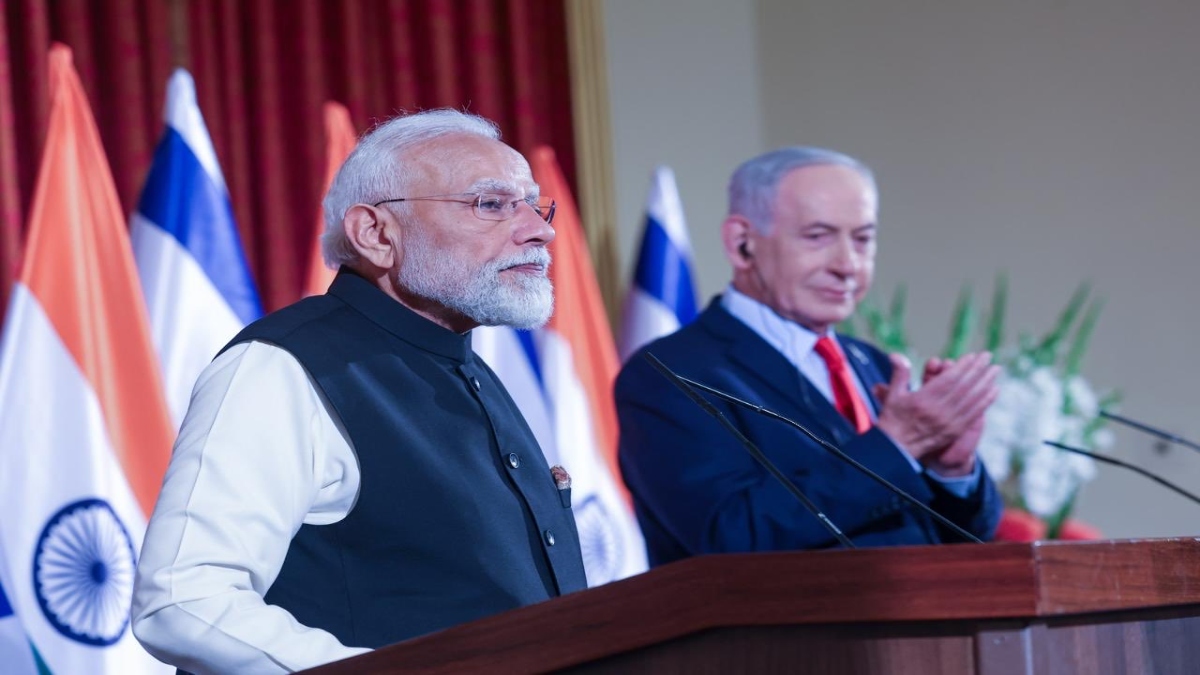 "India, Israel elevate ties to special strategic partnership; PM Modi calls it ‘reflection of aspirations of both nations’")
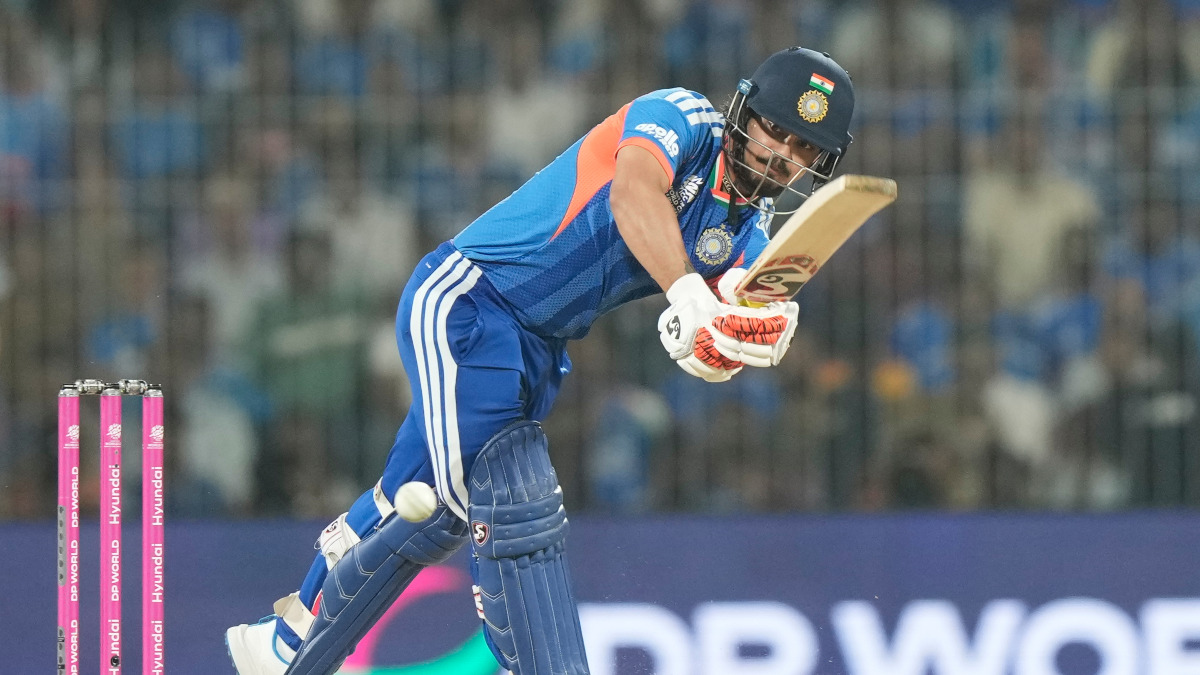 "India vs Zimbabwe LIVE Score, T20 World Cup 2026: Abhishek-Kishan stand goes past fifty, India in complete control")
 "Who is Borge Brende, World Economic Forum chief who quit over Epstein files?")
 "US-Iran tension: Third round of nuclear talks begin in Geneva — can it avoid war?")
 "India, Israel elevate ties to special strategic partnership; PM Modi calls it ‘reflection of aspirations of both nations’")
 "India vs Zimbabwe LIVE Score, T20 World Cup 2026: Abhishek-Kishan stand goes past fifty, India in complete control")
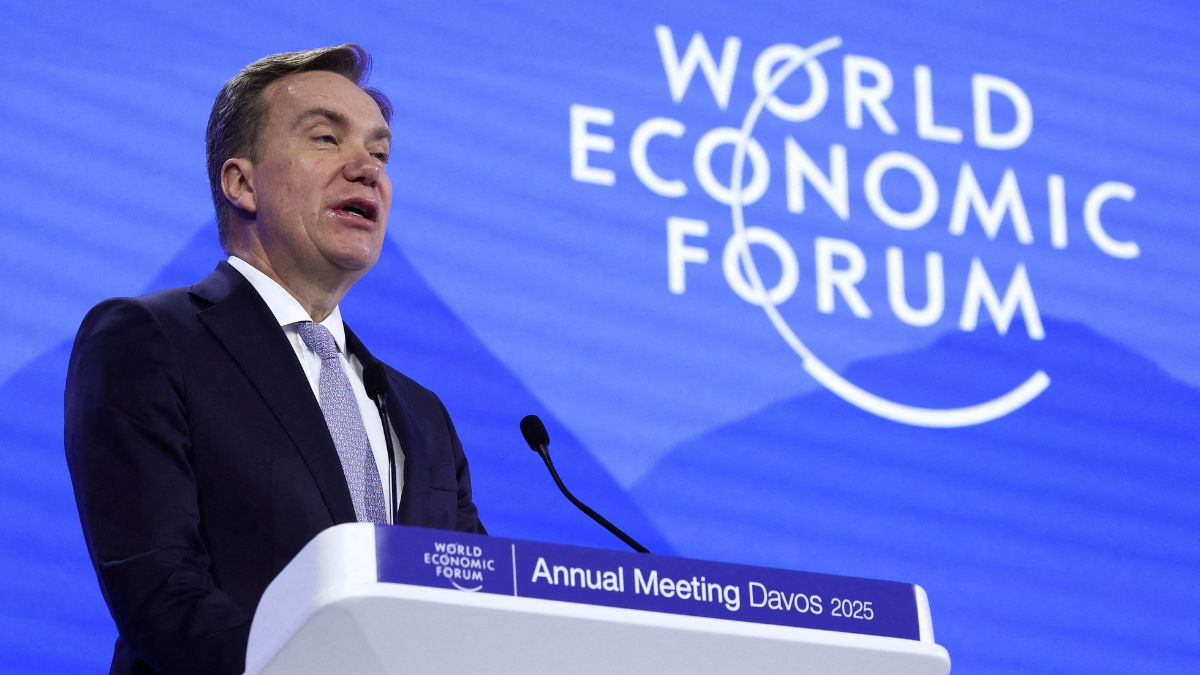 "Who is Borge Brende, World Economic Forum chief who quit over Epstein files?")
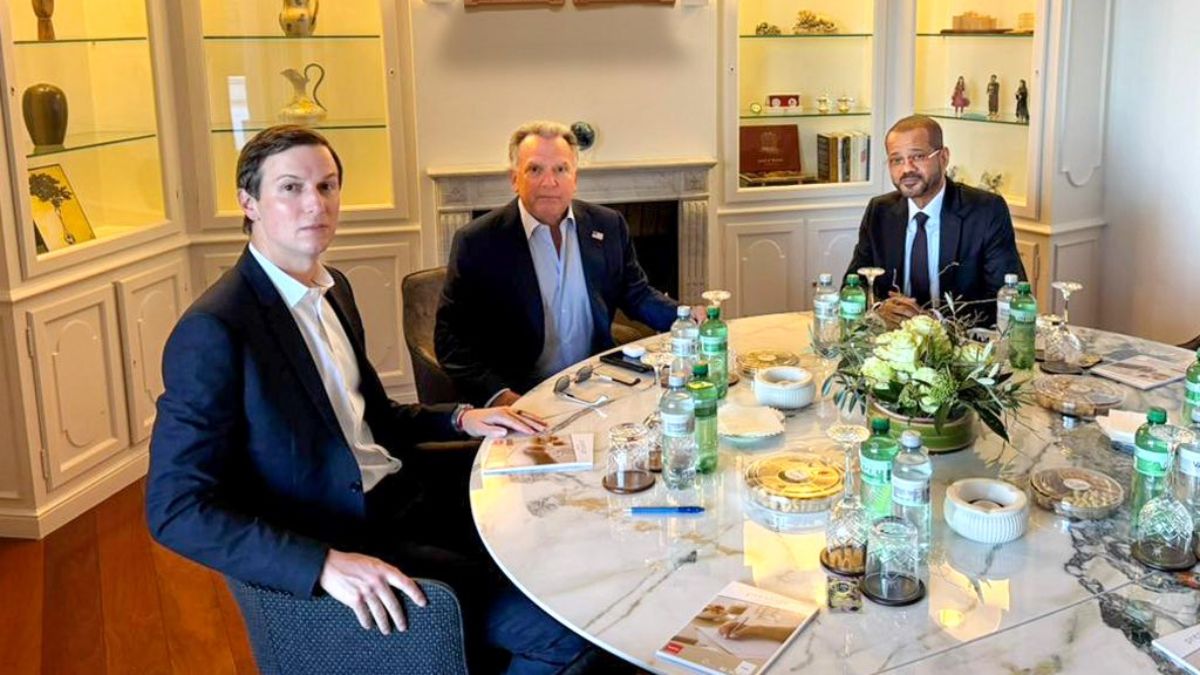 "US-Iran tension: Third round of nuclear talks begin in Geneva — can it avoid war?")