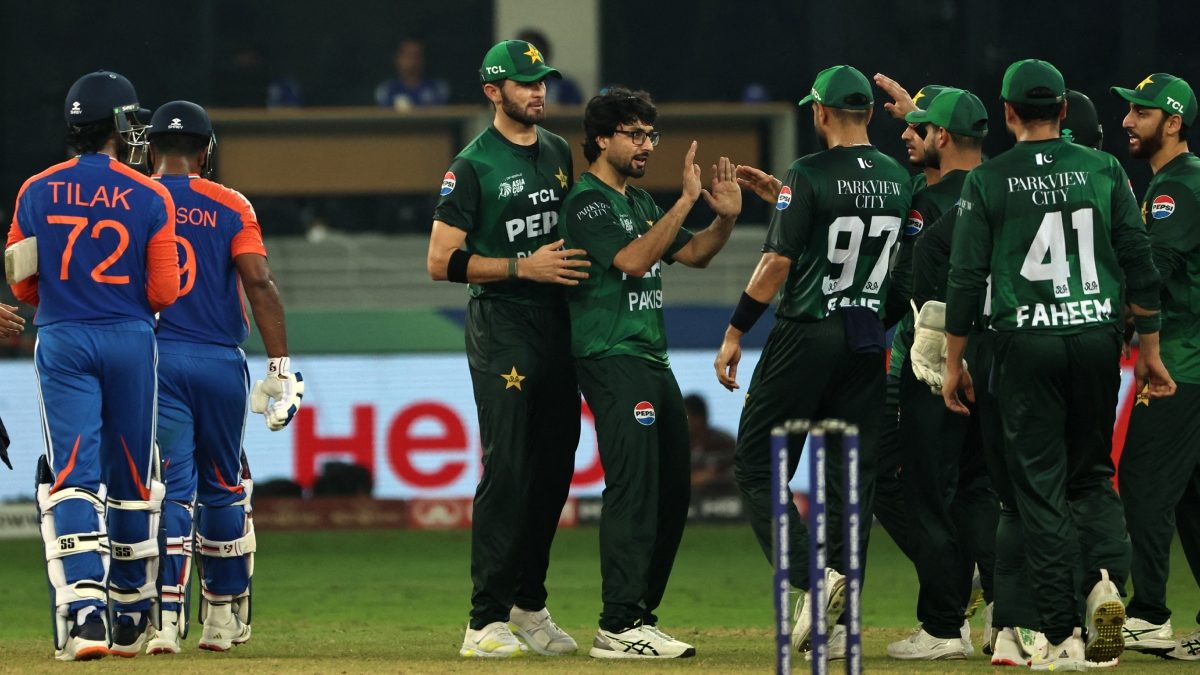
 "Can Pakistan really boycott T20 World Cup tie against India: What are rules regarding forfeit and will there be sanctions?")
In a massive development, the Government of Pakistan has announced that its team will not play India in the upcoming T20 World Cup even though the Men in Green will participate in the tournament. Pakistani government has not yet revealed the reason behind taking this step, but the decision is set to create ripples across the cricketing world.
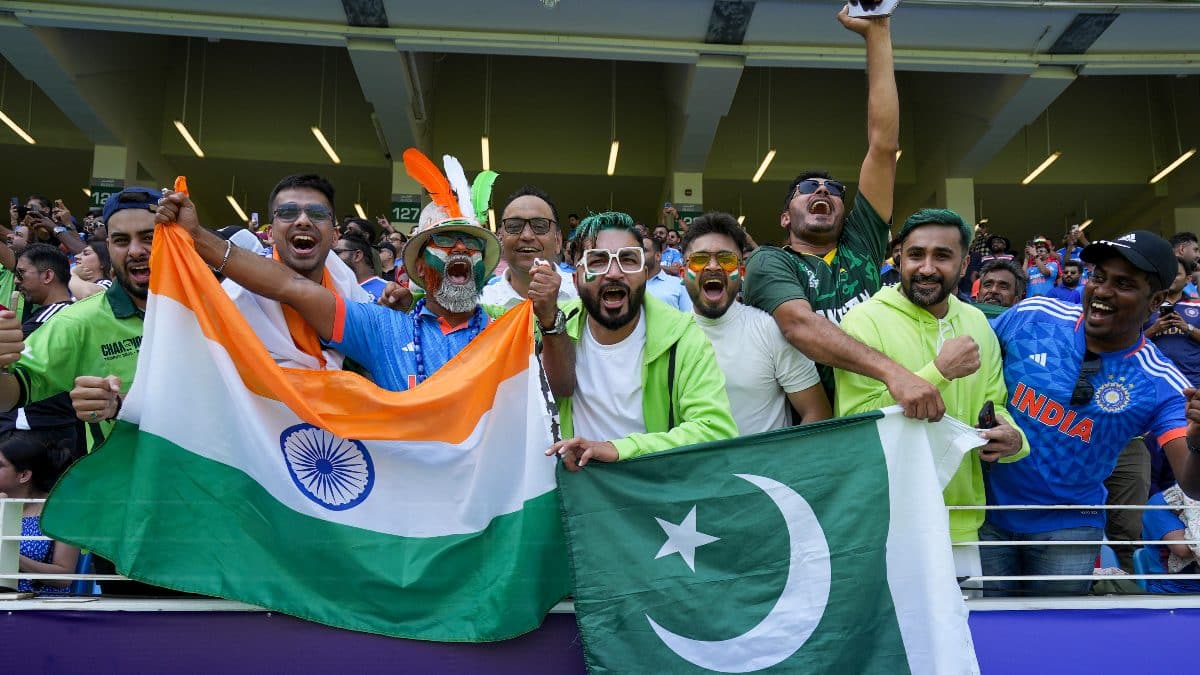
An India-Pakistan cricket clash is among the most watched sporting events in the world and has immense commercial value for the International Cricket Council (ICC). If Pakistan go ahead with their boycott of the marquee match, finances of the entire cricketing system will take a sizeable hit.
With so much riding on this match, can Pakistan really pull out? Is there any historical precedence of this? What are the rules regarding the same and will there be any penalties on the Pakistan Cricket Board (PCB) due to the massive losses that the ICC will incur due to such an action? Here we take a look at the answers to these questions.
Have teams boycotted World Cup games before?
Teams have previously taken calls to not play at certain locations or certain teams due to security issues. Australia and West Indies refused to travel to Sri Lanka during the 1996 Cricket World Cup as the island nation was going through a civil war. At the 2003 Cricket World Cup, England refused to travel to Zimbabwe citing security issues while New Zealand also skipped a game against Kenya due to safety concerns.
On all four occasions, the team that pulled out of the match had to give up on points and the other team was awarded a win.
What is the rule regarding forfeiting matches at T20 World Cup?
The playing conditions for the T20 World Cup states that the team that boycotts a game, loses that game. But because this can be used to by teams to save their net run rate in case they are assured of a big defeat against a strong opponent, another detail is added to the rule. The team that pulls out of the match faces heavy net run rate penalty as it is assumed that the other team chased down a total of 0 in 0 balls.
The team that boycotts faces big net run rate penalty and its opponent gets two free points.
So, can Pakistan simply boycott their match against India?
One could assume that if four teams previously have boycotted matches without any heavy penalties besides lost points, why should Pakistan’s situation be any different. However, things are different for two reasons.
First, in all the four World Cup forfeits discussed above, the security threat was real and ICC could not do much to address that. However, Pakistan’s situation is different as their safety concerns have already been taken care of by moving their matches to Sri Lanka. Even the semifinal and final will be played in Sri Lanka if Pakistan qualify.
In addition to this, the game’s financial situation is radically different than what it was in 1996 and 2003. The India vs Pakistan clash is a big revenue source for ICC. Broadcasters, who have paid enormous amount of money, want the arch-rivals to clash in every ICC tournament. Pakistan not playing that game is a big financial hit to the entire cricketing system.
Quick Reads
View AllThis is the reason why Pakistan’s boycott of the India tie could invite heavy penalties for the PCB. However, ICC is yet to announce any such decision and the situation is expected to unfold over the next few days.

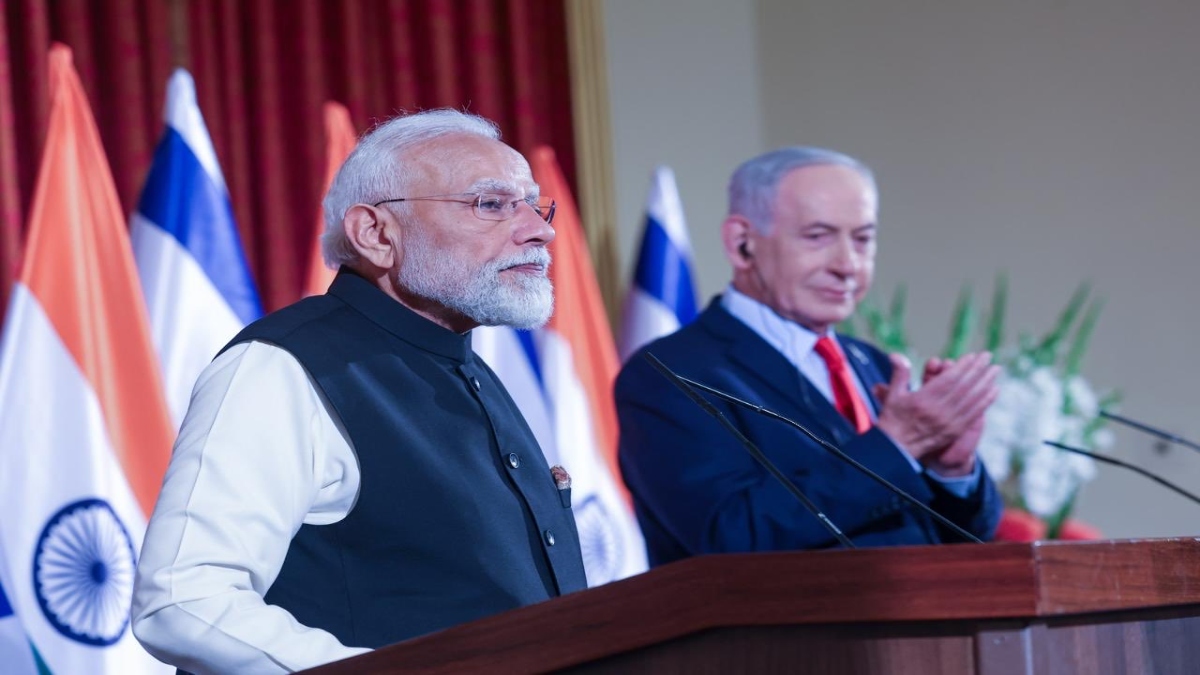 "India, Israel elevate ties to special strategic partnership; PM Modi calls it ‘reflection of aspirations of both nations’")
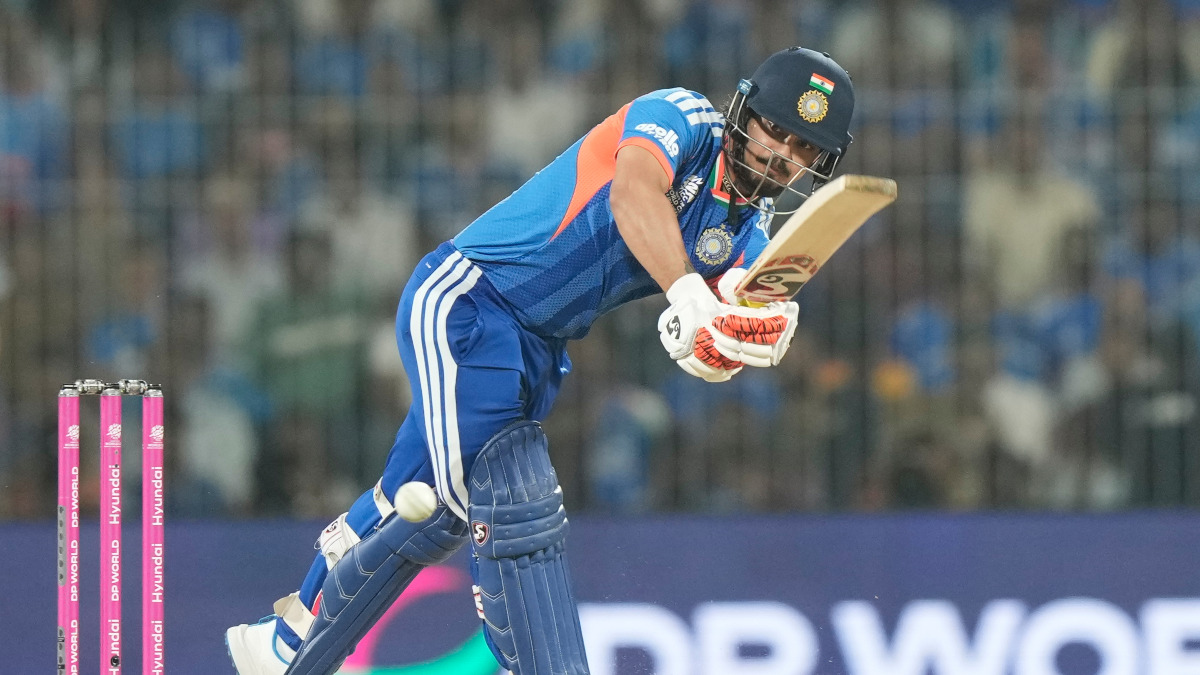 "India vs Zimbabwe LIVE Score, T20 World Cup 2026: Kishan falls for 38 after Abhishek completes fifty")
 "Who is Borge Brende, World Economic Forum chief who quit over Epstein files?")
 "US-Iran tension: Third round of nuclear talks begin in Geneva — can it avoid war?")
 "India, Israel elevate ties to special strategic partnership; PM Modi calls it ‘reflection of aspirations of both nations’")
 "India vs Zimbabwe LIVE Score, T20 World Cup 2026: Kishan falls for 38 after Abhishek completes fifty")
 "Who is Borge Brende, World Economic Forum chief who quit over Epstein files?")
 "US-Iran tension: Third round of nuclear talks begin in Geneva — can it avoid war?")