 "Why US city named a street after Bangladesh’s Khaleda Zia")
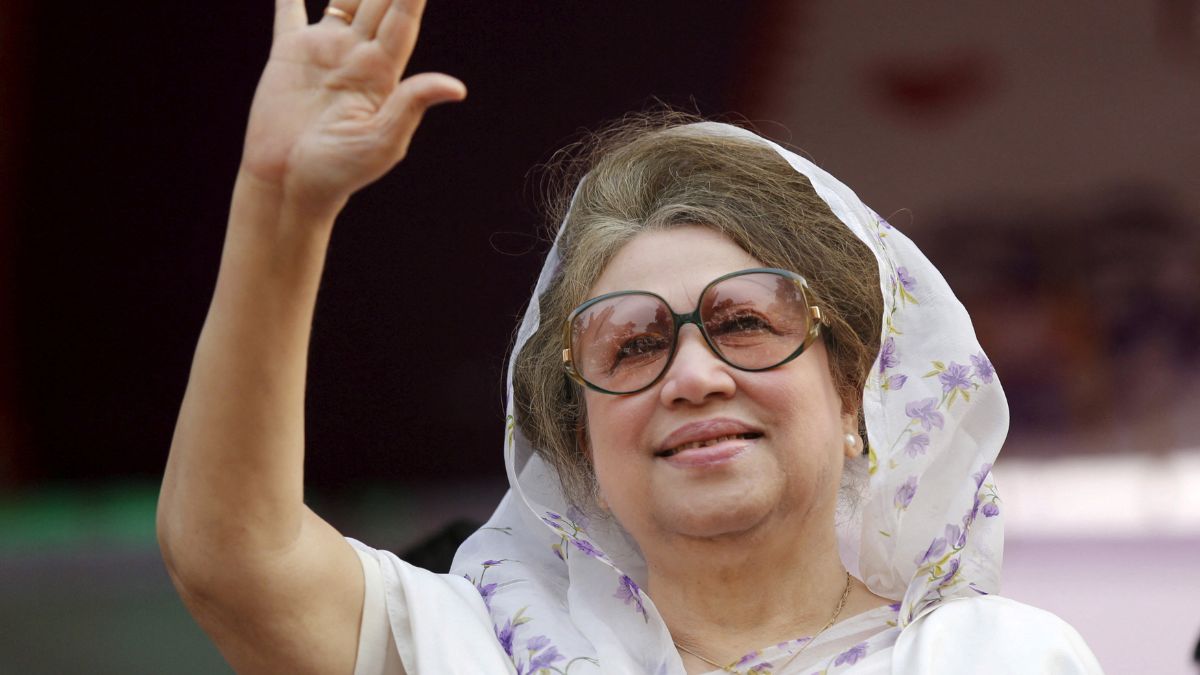
Once known as “Little Warsaw, Hamtramck is now a majority-Muslim city in Michigan, United States. It is in the spotlight as it has renamed a section of a street to Khaleda Zia Street, in honour of Bangladesh’s first woman prime minister.
The media cell of Khaleda Zia’s Bangladesh Nationalist Party (BNP) shared the news on its Facebook page, calling the street renaming “an international recognition of Khaleda Zia’s significant political leadership and contribution to Bangladesh’s history.”
However, this is not the first time that a street in the US has been named after a Bangladeshi leader. A road in Chicago was also renamed after the late Bangladeshi president and Zia’s husband, Ziaur Rahman, according to reports.
A street named after Khaleda Zia
The Hamtramck City Council okayed a proposal to rename a section of Carpenter Street in recognition of the former Bangladeshi PM.
According to the media cell, four Bangladeshi-origin councillors, currently serving on the Hamtramck City Council, made the renaming possible through their efforts and active role. The Bangladeshi community in America has viewed this decision as more than a symbolic change.
According to members of the expat community living in the US, the move goes beyond a symbolic name change, describing it as a recognition of Bangladesh’s political struggle and leadership, reports the Bangladesh Business Standard.
The decision is deeply intertwined with Hamtramck’s history as an example for Muslim representation in American life. The city is home to Michigan’s largest Bangladeshi immigrant community.
Quick Reads
View AllInside Hamtramck, a city of Muslim Americans
Hamtramck is located in Wayne County, Michigan, US. It’s in an enclave within Detroit, the heart of America’s automotive industry, and is named after a French-Canadian soldier, Jean Francois Hamtramck, who commanded Fort Shelby during the War of 1812. In 1914, the city witnessed significant growth with the opening of a Dodge Automobile factory. It quickly caught the attention of thousands of workers, transforming it into an industrial hub, according to a BBC report.
As waves of immigrants began to pour into Hamtramck in the late 20th century, the city’s demographic transformed. Migrants from Yemen and Bangladesh made the city their home. The Polish-American population declined amid Detroit’s industrial downturn. Today, Hamtramck has the highest percentage of immigrants in Michigan. It also has the largest concentration of Bangladeshi immigrants in the state, and the second-highest percentage of Arab residents, after Dearborn.
In 2013, Hamtramck was recognised as the first Muslim-majority city in the US. The change in the population was also reflected in its governance. By 2015, the city had elected the nation’s first Muslim-majority city council. By 2022, Hamtramck became the first US city to be governed by an entirely Muslim city council alongside a Muslim mayor, Amer Ghalib.
The streets of Hamtramck tell the story of its multi-cultural identity. Many stores display signs in Arabic and Bengali. Bangladeshi garments and Jambiyas, a short-curved blade from Yemen, are available in shops. And paczki, a Polish doughnut, is a favourite of many residents.
Those who come from varied cultures have found a common ground. Former Mayor Karen Majewski told the BBC in 2021, “When you live this close to each other, you are forced to overcome those differences.”
That said, Hamtramck has seen its share of controversies. There was tension in 2004 after a vote to broadcast the Islamic call to prayer in public. Some residents believe that a ban on bars near mosques hurts the local economy, the BBC report said. There were also rumours that a Muslim-controlled city council might impose Shariah law.
When Hamtramck became the first American city to elect a Muslim-majority government, it got attention from the world press. Today, life goes on as usual.
With inputs from agencies

 "Trump announces 25% tariff on Iran’s trading partners. How India may be affected")
 "India, US to resume BTA talks after 5 months as Gor pushes for trade deal with 'real friends'")
 "ICC sources rubbish Bangladesh sports adviser’s sensational claim of BCB being asked to drop Mustafizur")
 "Jerome Powell: The 'Fed chair with a spine' taking on Trump")
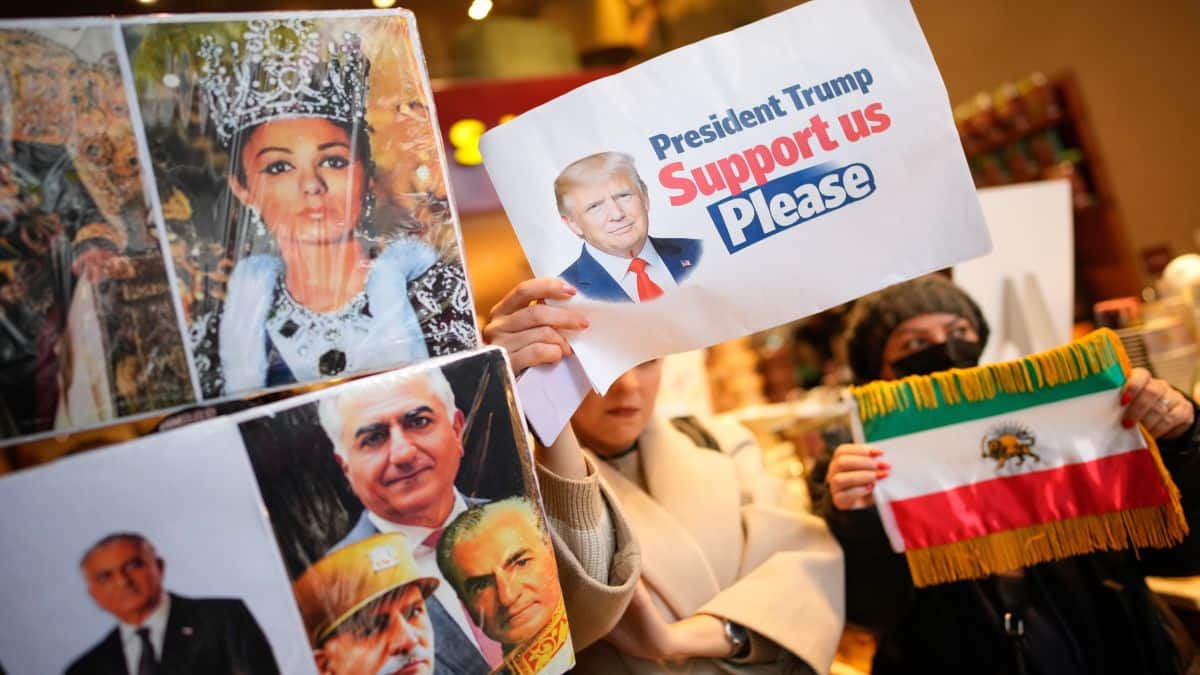
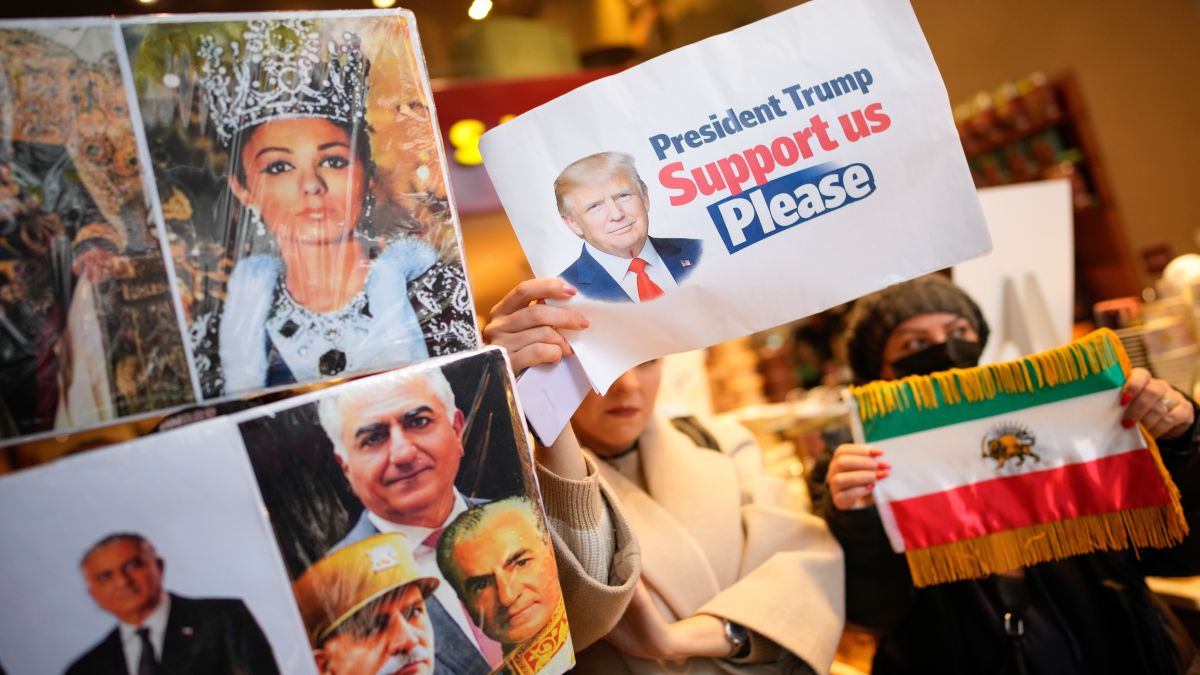
 "Trump announces 25% tariff on Iran’s trading partners. How India may be affected")
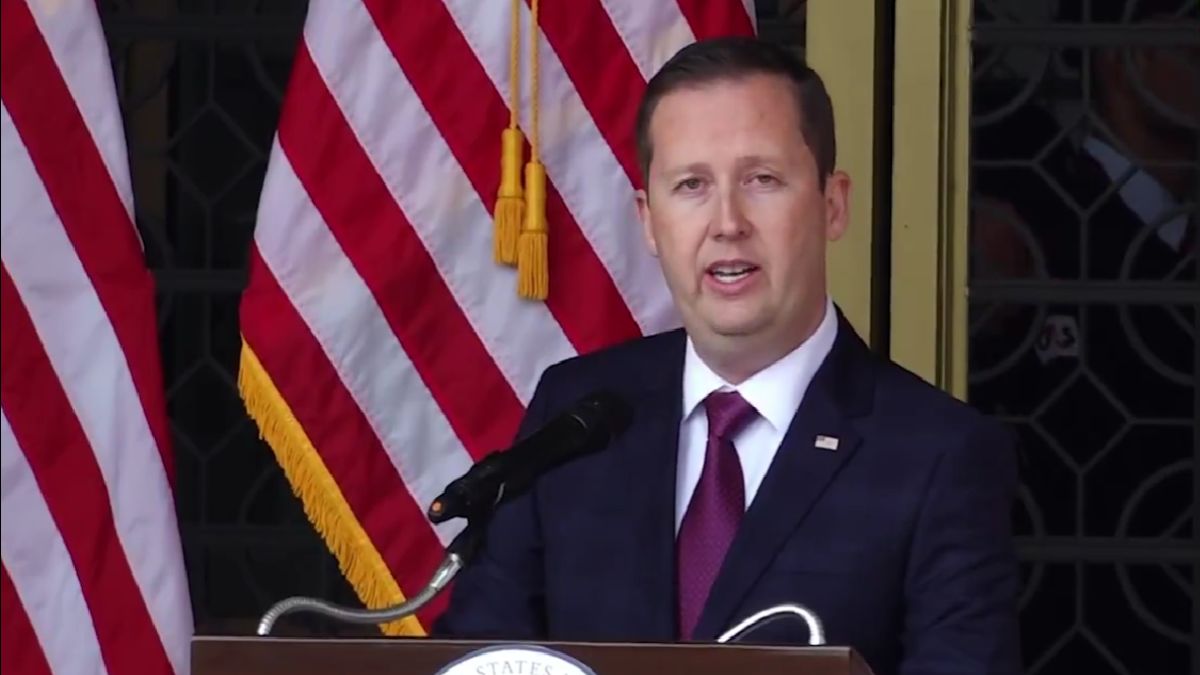
 "India, US to resume BTA talks after 5 months as Gor pushes for trade deal with 'real friends'")
 "ICC sources rubbish Bangladesh sports adviser’s sensational claim of BCB being asked to drop Mustafizur")
 "Jerome Powell: The 'Fed chair with a spine' taking on Trump")