

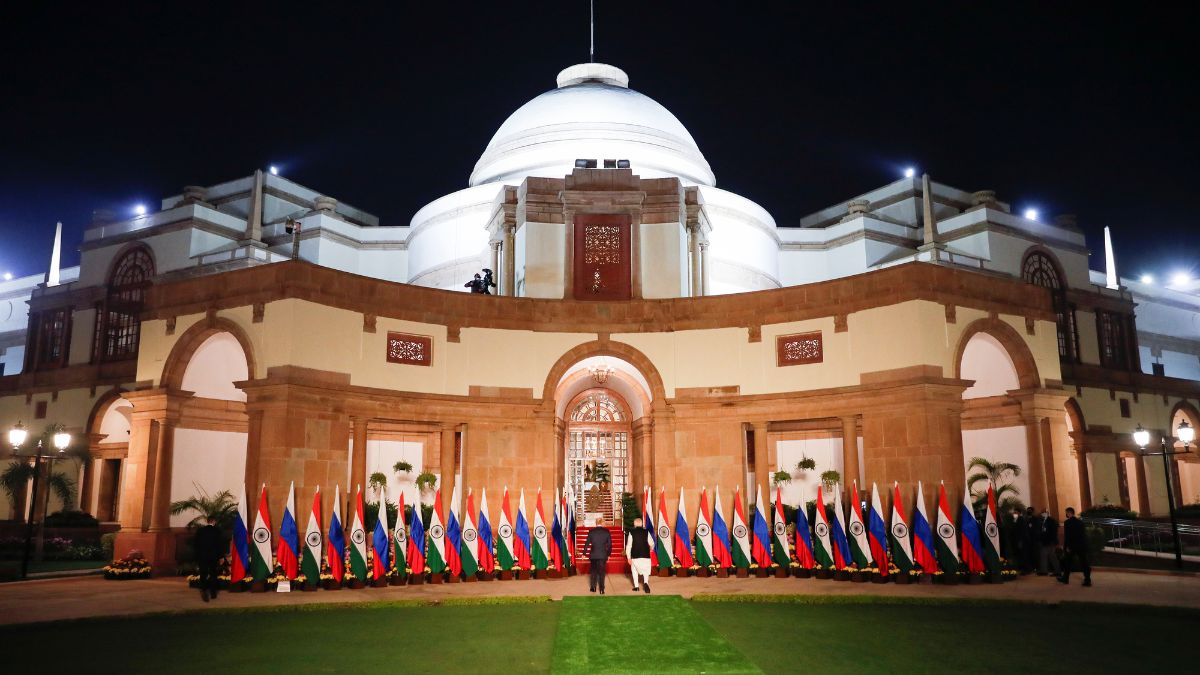
 "Hyderabad House: The storied history of royal palace in Delhi where PM Modi is hosting Russia’s Putin")
Prime Minister Narendra Modi is hosting Russian President Vladimir Putin at the iconic Hyderabad House in New Delhi on Friday (December 5) for the 23rd India-Russia summit. The Russian leader is in India for a two-day State visit, aimed at boosting defence and economic ties between the two countries.
The venue of the meeting between the two leaders is a royal palace once owned by Mir Osman Ali Khan, the last Nizam of Hyderabad. Today, the landmark is used by the Central government to host foreign dignitaries.
We take a look at the history of the Hyderabad House.
How Hyderabad House came to be
Mir Osman Ali Khan, the seventh Nizam of the princely state of Hyderabad, purchased an 8.2-acre land in the heart of Delhi for constructing the Hyderabad House in 1919.
The construction of the palace was necessitated after the British rulers shifted India’s capital to Delhi in 1911. Following this, reports say that several princely states urged the British government to allocate them land for their ‘houses’ in the new capital.
The British inducted the rulers of princely states into a Chamber of Princes. These rulers needed a place to stay in Delhi to attend the Chambers’ meetings held by the British, as per The Hindu report.
Only five states, including Hyderabad, Baroda, Patiala, Jaipur and Bikaner, were allocated plots of land to build their homes at the end of King’s Way (present-day Kartavya Path), three kilometres from the Viceroy’s House (now Rashtrapati Bhavan).
The Nizam of Hyderabad and the Gaekwad of Baroda commissioned renowned architect Edwin Lutyens to design their respective homes in Delhi.
While Khan wanted a house as majestic as the Viceroy’s House, that was not possible. However, the building was designed in the likeness of the present-day Rashtrapati Bhavan, differing in just the size of the dome, noted The Hindu.
The Hyderabad House has been designed in the shape of a butterfly. The ‘wings’ of the butterfly fused with the adjacent roads. The royal palace has 36 rooms, including four for the zanana.
The architecture blends European style and Mughal motifs. The royal residence of the Nizam in Delhi features courtyards, archways, grand stairways, fireplaces, and fountains.
The Nizam spared no expense to build the palace. Reports say the teak used in the building was imported from Burma, furnishings were similar to a hotel in London, while electrical fittings were procured from New York.
The palace was built at an estimated cost of Rs 50 lakh (worth crores of rupees today), a huge amount at the time.
Located near India Gate, the royal palace boasts rhombic marble floor designs in its circular foyer and first-floor hallway. It was the grandest palace designed by Lutyens between 1921 and 1931, second only to the Viceroy’s House, as per NDTV.
For decorating the palace, the Nizam bought 30 paintings for Rs 12,000 from the famed painter Abdul Rahman Chuqtai of Lahore. He also ordered 17 paintings, a painting screen and a painting table for the Hyderabad House.
The dining room, which can accommodate over 500 people, was adorned with silver.
The royal residence has several carpets procured from Asia Minor (Anatolia), Iraq, Persia, Turkestan and Afghanistan.
Why Nizam did not like his royal palace in Delhi
Despite the opulence of the Hyderabad House, the Nizam did not take a fancy to his royal residence in Delhi.
He and his sons are said not to have liked the Westernised style of the palace. The Nizam arrived in Delhi in March 1936 and paid a visit to the royal residence. However, he did not prefer the construction and decoration there.
An anecdote goes that Khan described the Hyderabad House as “horses’ stable”, not a royal palace, The Hindu reported.
How Indian govt acquired Hyderabad House
After India’s Independence in August 1947, the princely states started integrating into the India Union. As Hyderabad resisted joining India, Operation Polo, a military campaign, was launched, resulting in the state becoming a part of India in September 1948.
The Nizam hardly used Hyderabad House after that. The Government of India took over the palace on lease in 1954.
In the mid-1970s, India stopped paying the lease amount to the state. The Ministry of External Affairs (MEA) took over the jurisdiction of the building in 1974, designating it for state visits and banquets. The India Tourism Development Corporation (ITDC) managed catering, maintenance, and events.
After the then Andhra Pradesh Chief Minister Vijaya Bhaskara Reddy assumed office in the early 1990s, the Centre and State agreed on a trading land for land. The erstwhile united AP got 6.26 acres and subsequently 1.3 acres surrounding Andhra Bhavan in New Delhi.
Currently, the palace is under the control of the MEA, serving as the Prime Minister’s state guest house. It has hosted several leaders, ranging from former US President Bill Clinton and Britain’s ex-PM Theresa May to Russia’s Vladimir Putin and New Zealand PM Christopher Luxon for high-profile banquets, joint press conferences, and meetings.
As India welcomes Putin again, he and PM Modi will hold their important summit at the Hyderabad House today.
With inputs from agencies

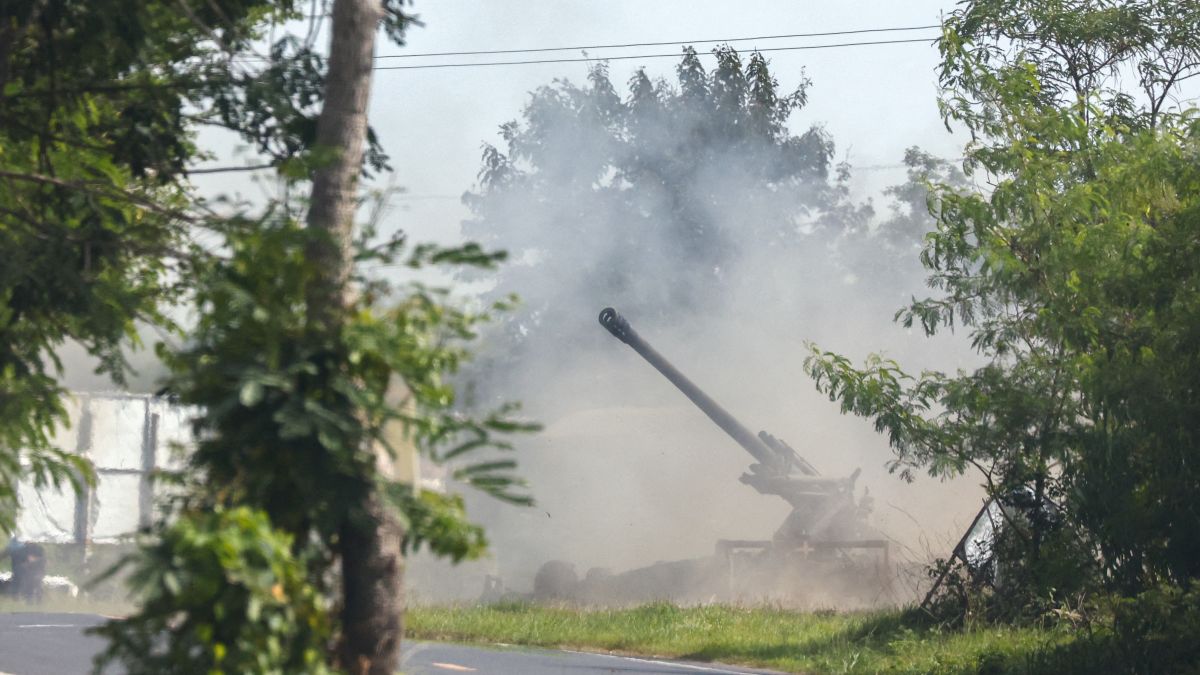 "Thailand launches airstrikes on Cambodia in a setback to Trump's ceasefire deal")
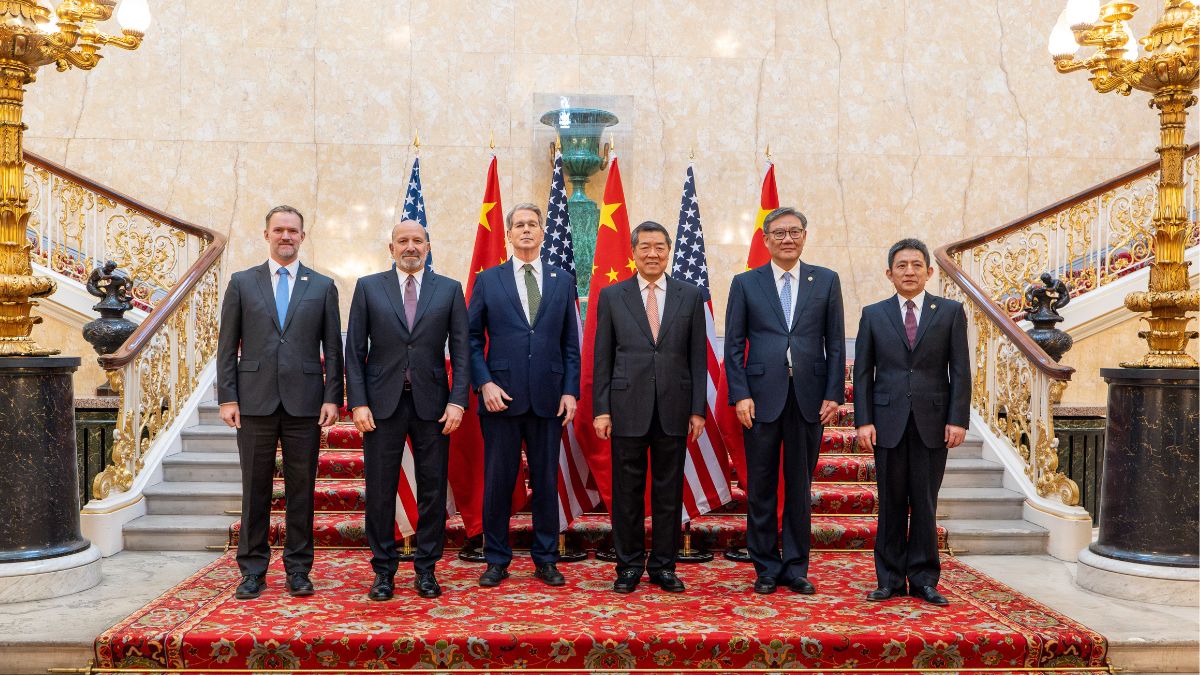 "'With China, it's always we verify': Trump's top aide on trade deal with Beijing")
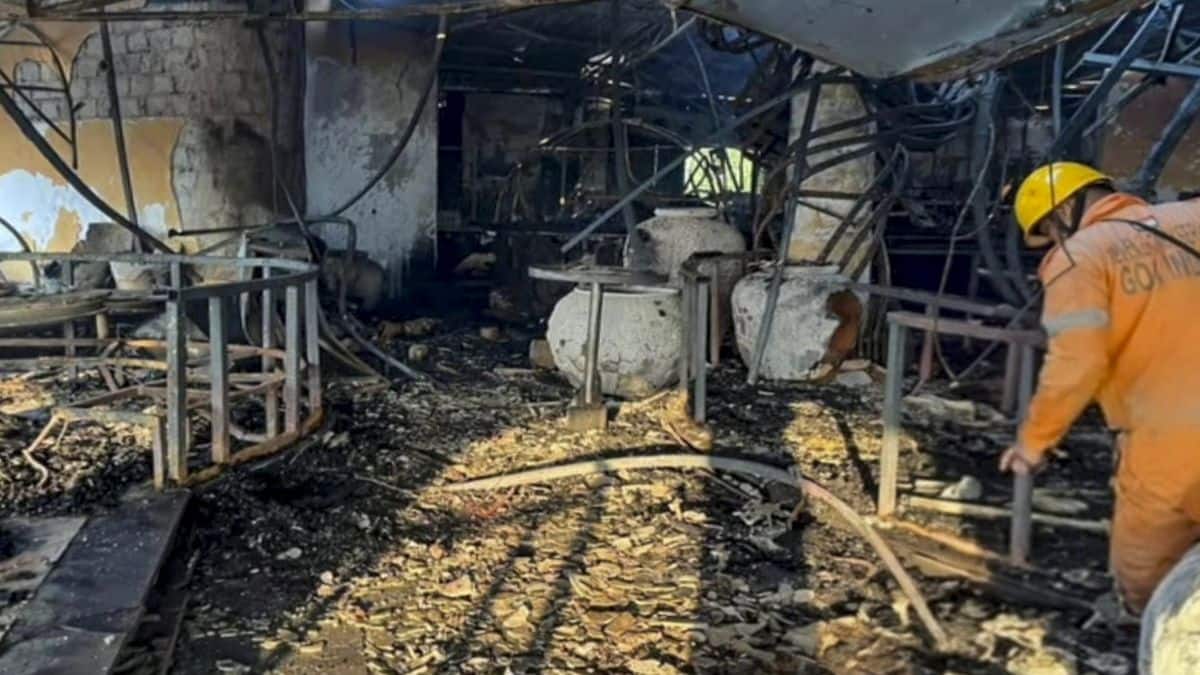
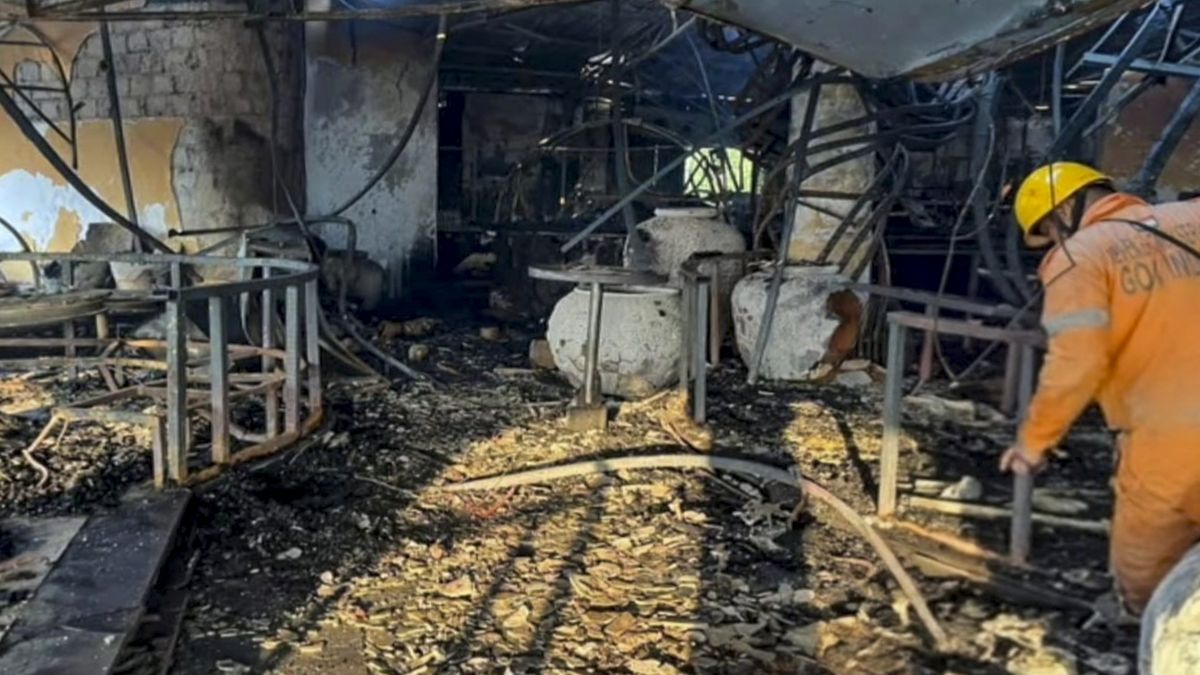 "Why the Goa nightclub fire, which killed 25, was so difficult to contain")
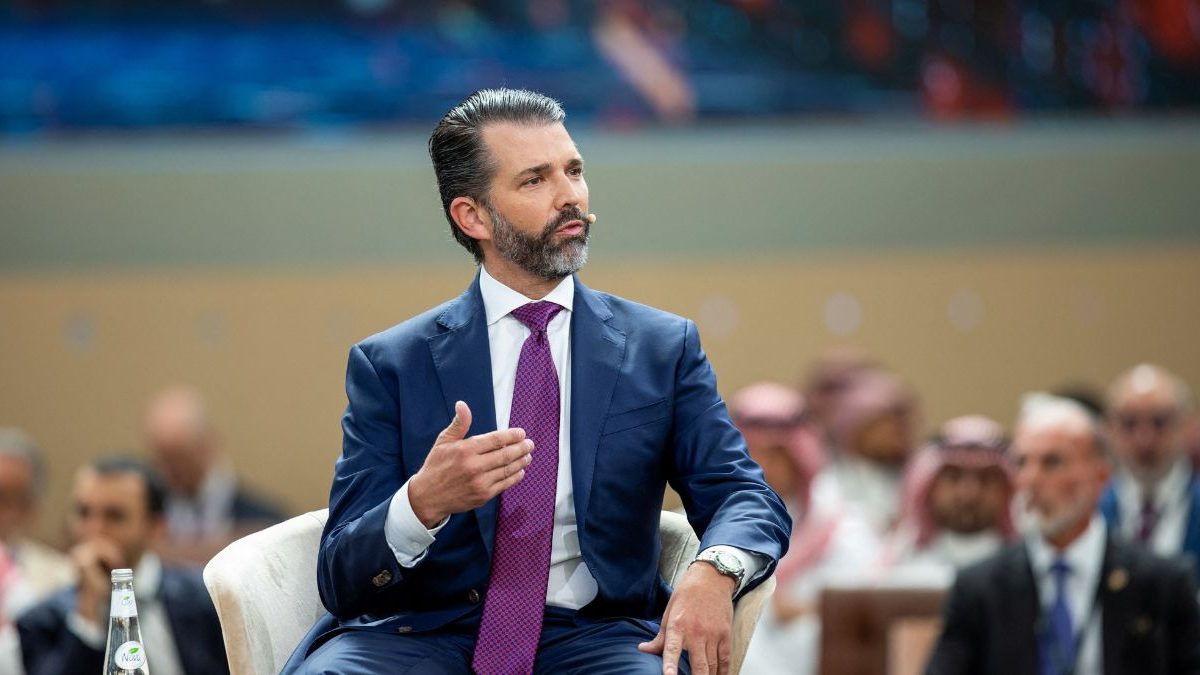 "Donald Trump Jr accuses Zelenskyy of 'prolonging' Ukraine war, hints at US walking away from Kyiv's efforts")
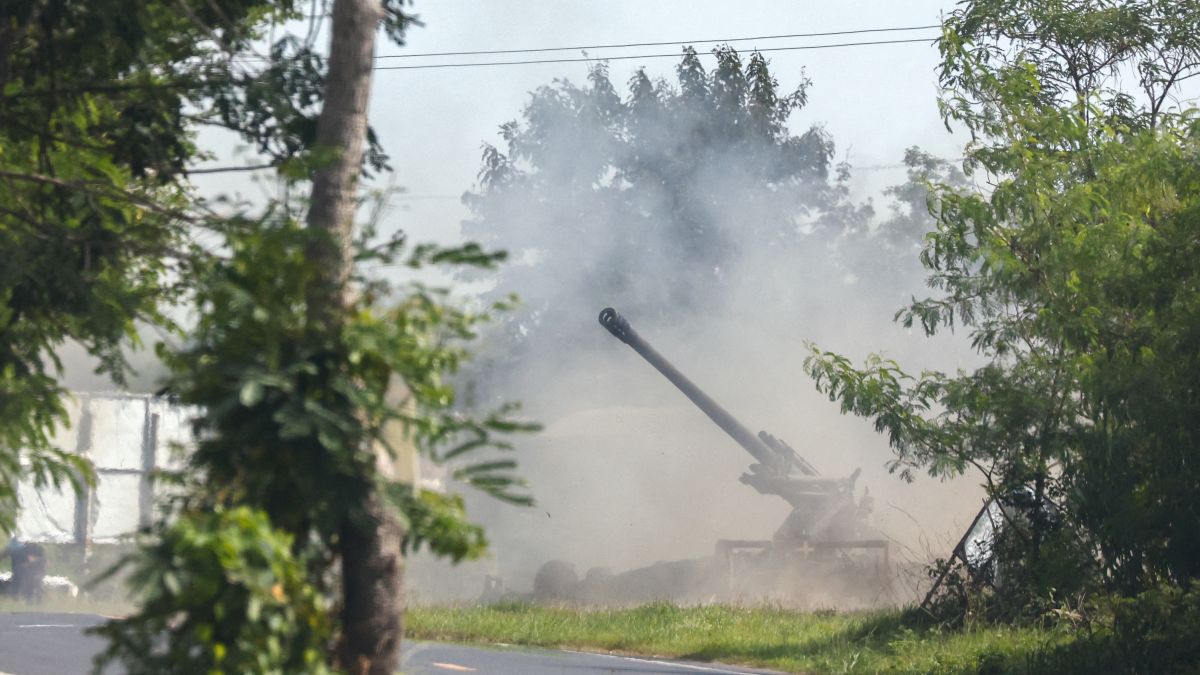 "Thailand launches airstrikes on Cambodia in a setback to Trump's ceasefire deal")
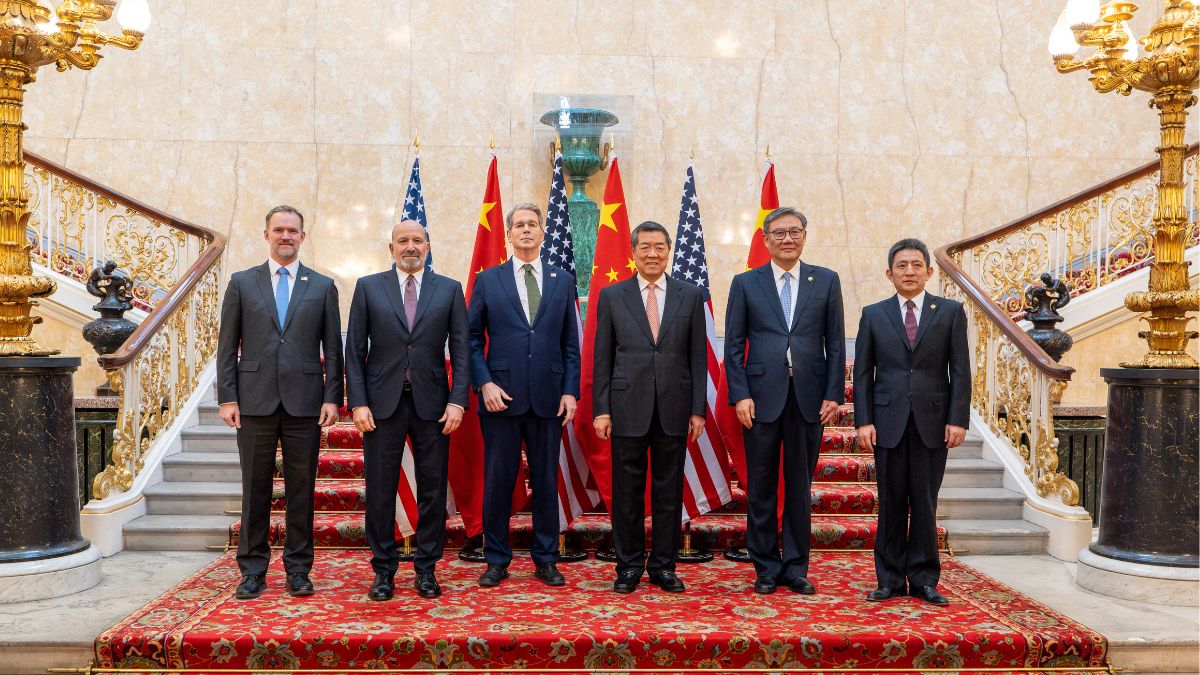 "'With China, it's always we verify': Trump's top aide on trade deal with Beijing")
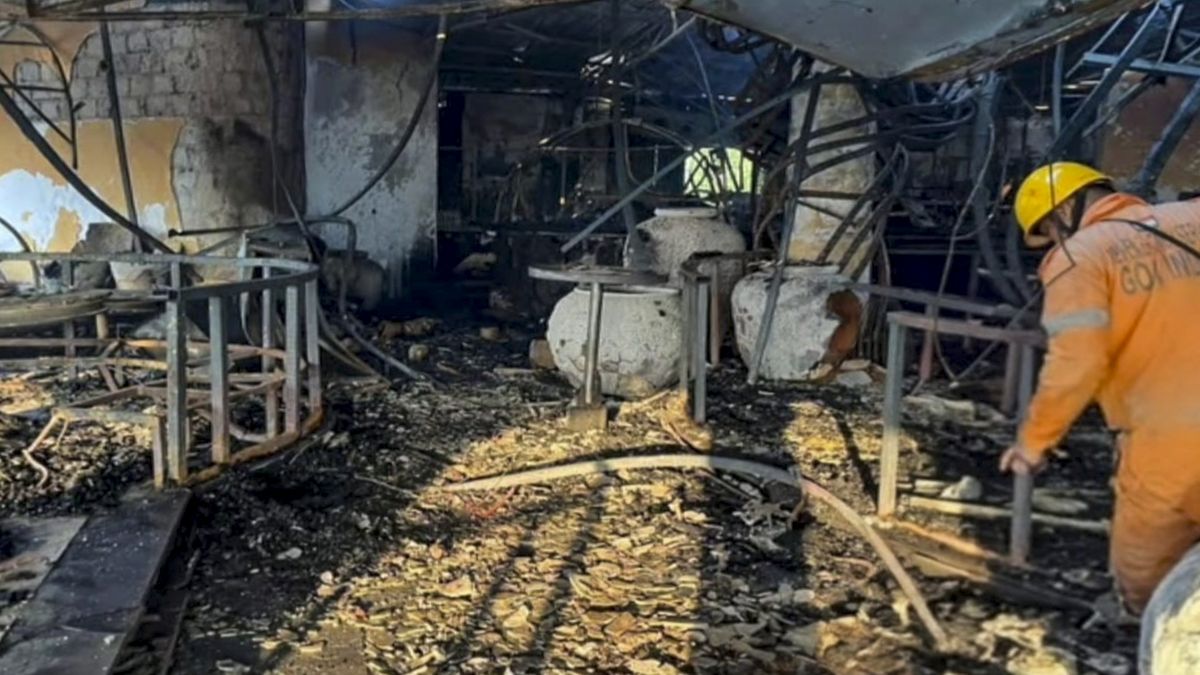 "Why the Goa nightclub fire, which killed 25, was so difficult to contain")
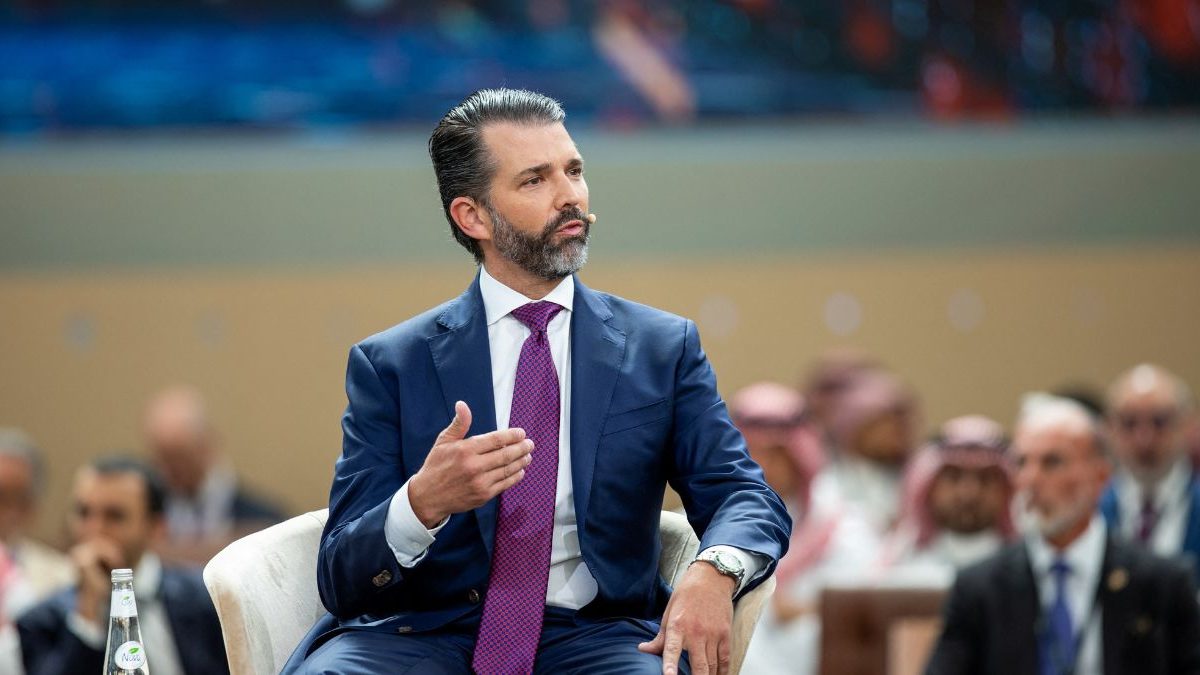 "Donald Trump Jr accuses Zelenskyy of 'prolonging' Ukraine war, hints at US walking away from Kyiv's efforts")



