 "The Hormuz dividend: China is buying US oil again — Trump and Xi have reason to want that noticed")
China appears to be quietly returning to the US energy market, with fresh data indicating a resumption of crude oil and liquefied natural gas (LNG) purchases after a year-long hiatus triggered by trade tensions.
According to commodities analytics firm Kpler, nearly 600,000 barrels per day of American crude are scheduled to be loaded onto China-bound tankers in April. If realised, the shipments would mark the first such flows since early 2025, when Beijing halted imports amid an escalating tariff war with US President Donald Trump.
The move comes against the backdrop of intensifying geopolitical risks in West Asia, where the Iran conflict has disrupted shipping through the Strait of Hormuz — a critical artery for global oil supplies and a key source of China’s imports.
While the cargoes could still be diverted to other Asian buyers such as Japan or South Korea, the scale and timing point to a calculated shift. Neither Washington nor Beijing has formally confirmed the purchases, but analysts say the optics are unlikely to be accidental.
Energy security drives recalibration
China, the world’s largest crude importer, depends on overseas shipments for roughly 70 per cent of its oil consumption, with about half of its seaborne imports traditionally routed from West Asia.
The Hormuz disruption has exposed the risks of that dependence, pushing Beijing to diversify supply sources more aggressively. US crude and LNG — once sidelined due to retaliatory tariffs — are now back in consideration as Beijing prioritises energy security over trade frictions.
Kpler data also suggests that around 300,000 metric tonnes of US LNG were scheduled for loading in March, signalling that the shift extends beyond crude oil.
Quick Reads
View AllA timely diplomatic win
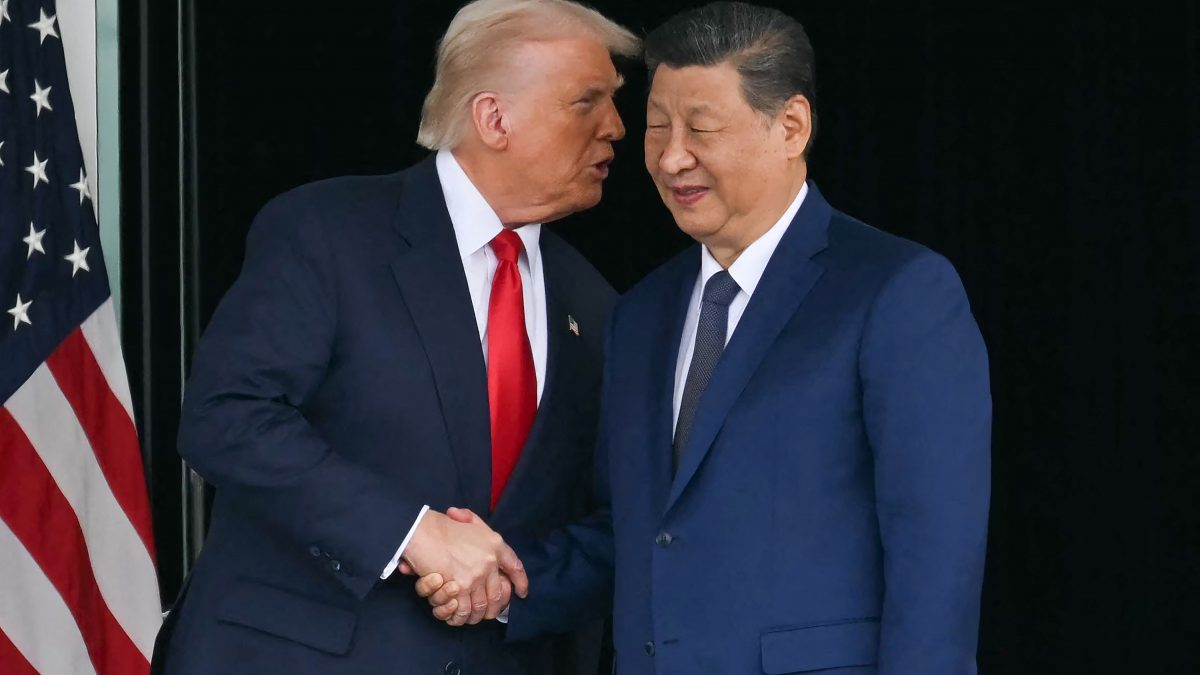
The renewed purchases could hand both sides a convenient talking point ahead of a planned summit between Trump and Chinese President Xi Jinping in Beijing in mid-May.
For Trump, increased Chinese buying of US energy aligns with his long-standing push to reduce the trade deficit and secure larger export commitments from Beijing. For Xi, it reinforces China’s effort to hedge against supply shocks by broadening its energy mix.
In that sense, the “Hormuz dividend” cuts both ways — offering Washington a symbolic trade victory while giving Beijing strategic cover to pivot away from vulnerable supply routes.
From collapse to cautious return
China’s imports of US energy had collapsed sharply in 2025 as trade tensions escalated. Crude shipments fell more than 80 per cent year-on-year, while LNG imports plunged by over 90 per cent, reflecting the impact of steep tariffs and deteriorating bilateral ties.
The latest data suggests at least a partial reversal, though analysts caution that the recovery remains tentative and highly contingent on market conditions and political signalling.
Strategy beyond the headlines
Beyond immediate supply concerns, the potential resumption also reflects deeper strategic calculations.
China has been expanding energy partnerships with Russia and Central Asia while exploring overland routes and boosting domestic output. Yet the scale of its demand — driven by industrial activity, electrification, and new economy sectors — means it cannot afford to rely too heavily on any single region.
US energy, with its scale and flexibility, offers an attractive balancing option, particularly during periods of market stress.
At the same time, energy imports could serve as a bargaining chip in broader negotiations, with Beijing potentially leveraging purchases to seek tariff relief or stabilise ties with Washington.

 "Iran War Live Updates: Attack on Iran’s Mahallat kills 11, injures 15, over 11 injured across central Israel")
 "Masood Azhar’s brother Tahir Anwar dies in Pakistan under mysterious circumstances, says report")
 "Another embarrassment for Pakistan? Why Islamabad may flop in its role as mediator between Iran and US")
 "India to begin first fully digital Census with 33-question survey from April 1 after Covid-induced delay")
 "Iran War Live Updates: Attack on Iran’s Mahallat kills 11, injures 15, over 11 injured across central Israel")
 "Masood Azhar’s brother Tahir Anwar dies in Pakistan under mysterious circumstances, says report")
 "Another embarrassment for Pakistan? Why Islamabad may flop in its role as mediator between Iran and US")
 "India to begin first fully digital Census with 33-question survey from April 1 after Covid-induced delay")