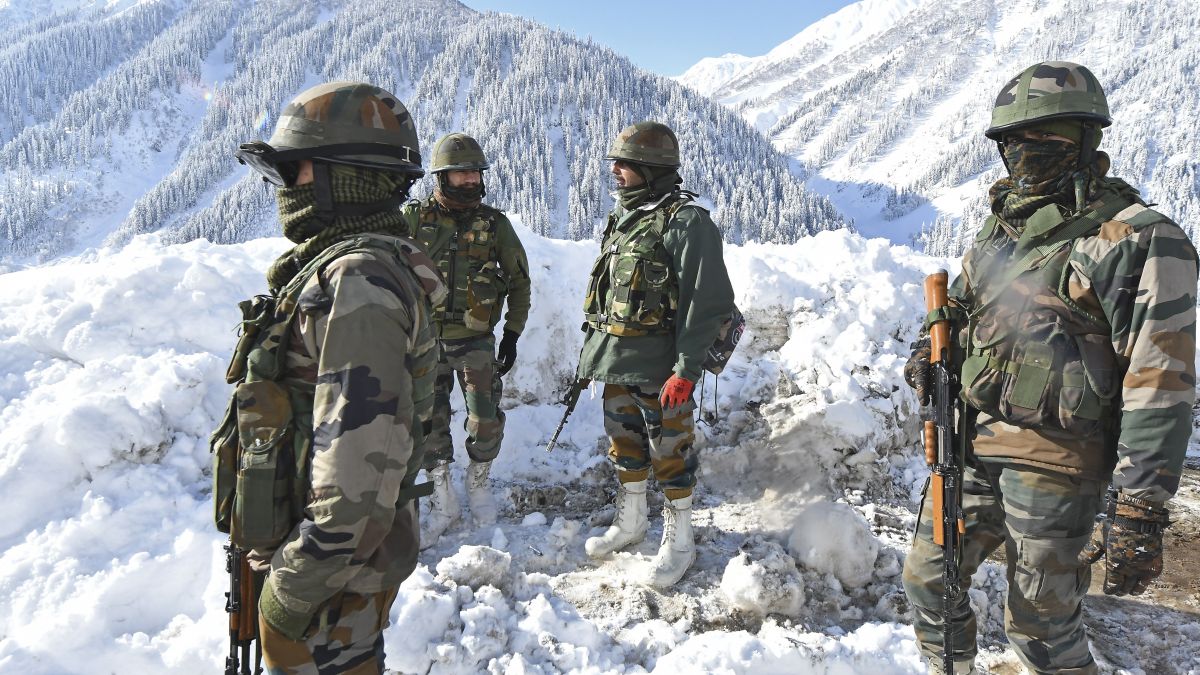
 "Are China’s new permanent structures near Pangong Tso a worry for India?")
In 2025, ties were recalibrated and India and China saw a reset in their relations — Prime Minister Narendra Modi even met with China’s Xi Jinping on the sidelines of the 2025 Shanghai Cooperation Organization summit in Tianjin, China, marking the first visit of either leader to the other’s country in six years.
However, India shouldn’t be lulled into a false sense of security and should keep a watchful eye on its neighbour along the Line of Actual Control (LAC). In fact, new high-resolution satellite imagery reveals that Beijing continues to upgrade its permanent military presence in the disputed Eastern Ladakh region of Pangong Tso.
Here’s what we know about the construction and the risk it poses to India.
What do images taken around Pangong Tso reveal?
On January 4, geostrategic expert Damien Symon posted a new satellite image of the area around Pangong lake, which clearly shows that China is constructing permanent structures near the buffer zone along the Ladakh border with India. While the structures are within Chinese-held territory, they are extremely close to Pangong Tso.
China is constructing new buildings near the military buffer zone with India at Pangong Tso, while the activity is within Chinese held territory, it consolidates Beijing’s physical presence post the 2020 border dispute & subtly recalibrates its territorial claims in the region pic.twitter.com/RSR6km5YHg
— Damien Symon (@detresfa_) January 4, 2026
In his post, Symon noted, “China is constructing new buildings near the military buffer zone with India at Pangong Tso. While the activity is within Chinese-held territory, it consolidates Beijing’s physical presence post the 2020 border dispute and subtly recalibrates its territorial claims in the region.”
It’s not clear as to what exactly the Chinese are building, but a complex-type construction is being undertaken with multiple permanent structures coming up a close distance to Pangong Tso. The site is located near a pier and troop accommodation, close to the first PLA post beyond the buffer zone.
Quick Reads
View AllThis permanent structure in progress is in addition to the temporary constructions that China has put up since 2020 to accommodate troops, along with boats and a pier to support movement across the lake.
Experts say the developments are a page taken out of China’s playbook. “China’s latest construction effort at the contested Pangong Tso aligns with Beijing’s established pattern of building fixed infrastructure to convert presence into control,” Symon, a geospatial researcher with The Intel Lab, said to I_ndia Today._ “The likely military-linked project sits just outside the 2020 disengagement zone and improves China’s ability to sustain year-round operations, including under adverse weather conditions.”
What’s China up to at the LAC?
Ever since the 2020 India-China clashes at Galwan, Beijing has been ramping up its military infrastructure along the LAC. Last October, satellite images revealed the construction of a complex by China in full swing at a site near Tibet’s Pangong Lake. This is fairly close to one of the spots where Indian and Chinese forces clashed in 2020.
The complex included command and control buildings, barracks, vehicle sheds, munition storage, and radar positions coming up on the eastern edge of Pangong Lake.
In July 2024, China completed the construction of a bridge overlooking the Pangong Tso in Eastern Ladakh, making it easier for movement of troops. This construction in Khurnak enhances the mobility of Chinese forces and helps cut down the time needed to launch a quick operation. It helps Chinese troops along with their tanks access areas in the southern banks like the Rezang La where they were outsmarted by the Indians in 2020.
A report by The Economist also notes that there’s been a tenfold increase in permanent Chinese structures since 2020. Furthermore, China has been relocating its civilians closer to the border, establishing villages equipped with housing, electricity, and communication facilities. This, officials in New Delhi observe, makes it easier for the People’s Liberation of Army to sustain and move their military deployments. In October 2024, a key feature of the settlement was the presence of a 150 metre-long strip, which experts observed could be used for helicopter operations.
As one Indian officer told The Economist, “China’s rate of infrastructure development, swelled by larger budgets, is at least four times that of India.”
However, the newspaper further notes that over the last one year, since India and China have been resetting their relationship, Beijing has reduced its forward troop presence in eastern Ladakh by half.
What about India-China ties?
Incidentally, this comes as India and China continue to mend their relationship following the 2020 clash. The two nations bid adieu to 2025 on a positive note after four years of strained ties. Firstly, they agreed to end the border face-off in October 2024.
As part of normalising their relationship, Indian pilgrims’ were permitted visit to Kailash and Mansarovar in Tibet. It was followed by the ease of visa procedures by both countries and the resumption of flights connecting various cities after over five years.
As Alka Acharya, honourary director of the Institute of Chinese Studies in New Delhi, told Deutsche Welle the developments were a welcome step toward better ties.
But all of this doesn’t mean there were no impediments. The use of Chinese-made weapons by Pakistan during Operation Sindoor was one such instance. There was also the poor treatment meted out to Arunachal Pradesh resident Pem Thongdok by Chinese immigration officials at Shanghai airport. She alleged that Chinese immigration detained her for 18 hours on November 21 during a transit halt after refusing to recognise her Indian passport, as her birthplace is Arunachal Pradesh.
However, the construction of permanent structures around Pangong Lake indicates that all isn’t as hunky-dory as it seems. And as the Pentagon noted in its assessment that Beijing is seeking to take advantage of reduced border tensions with India to prevent the strengthening of New Delhi-Washington ties.
With inputs from agencies

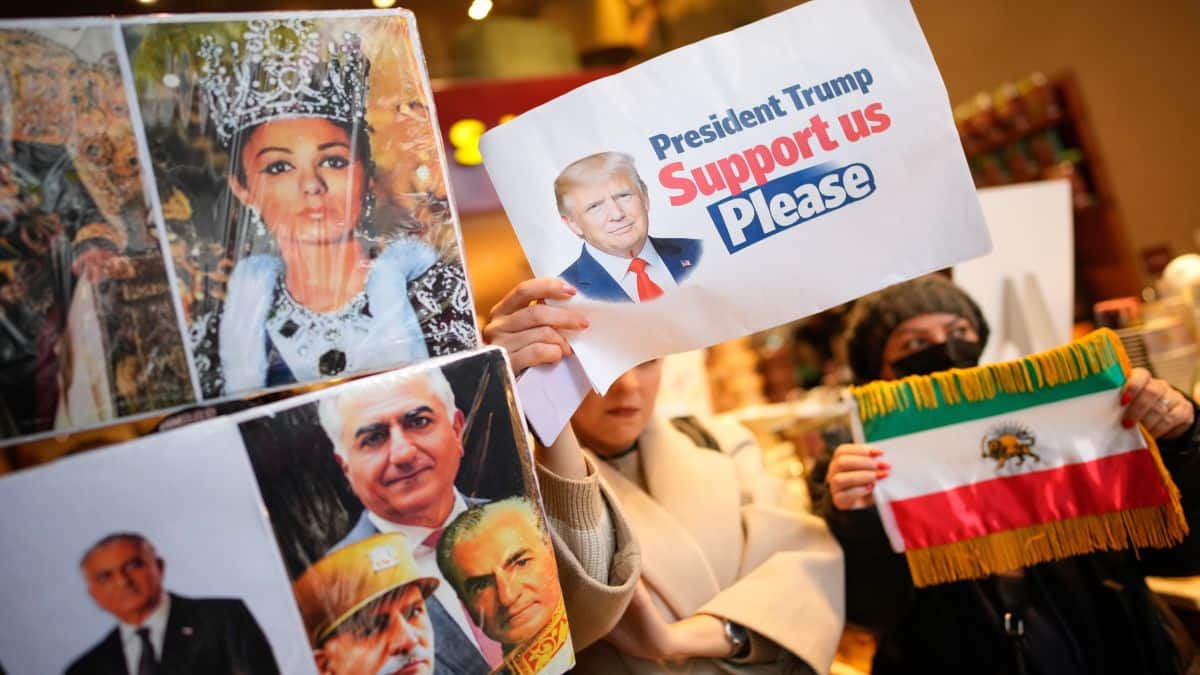
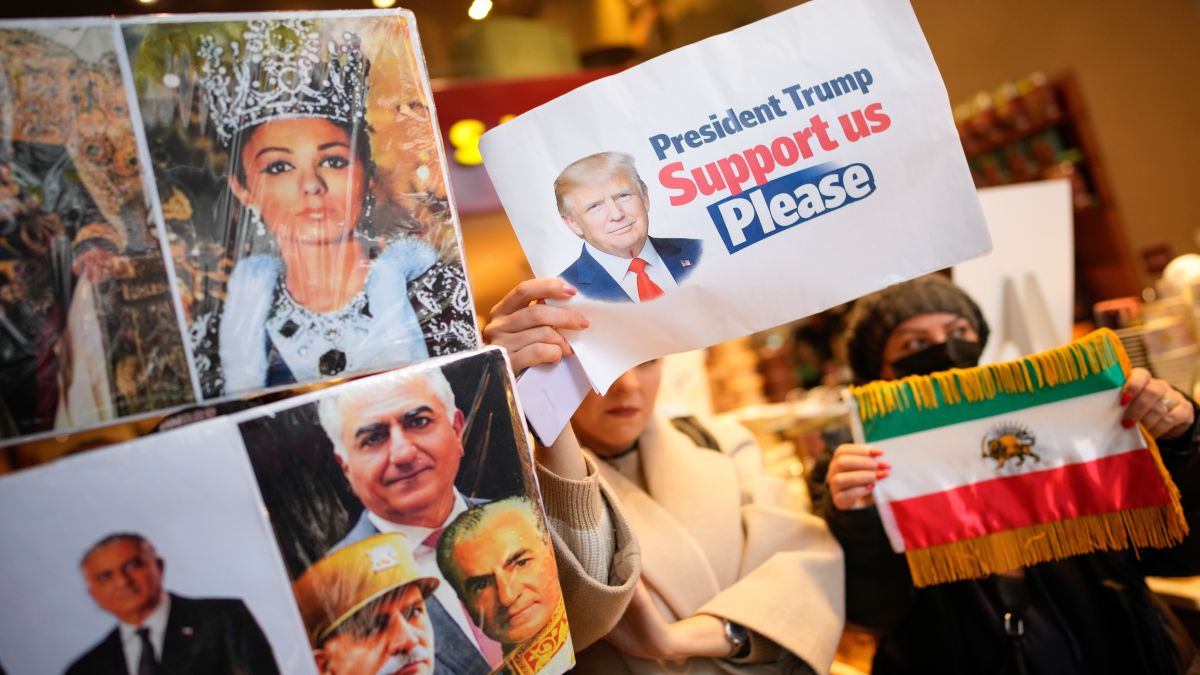 "Trump announces 25% tariff on Iran’s trading partners. How India may be affected")
 "India, US to resume BTA talks after 5 months as Gor pushes for trade deal with 'real friends'")
 "ICC sources rubbish Bangladesh sports adviser’s sensational claim of BCB being asked to drop Mustafizur")
 "Jerome Powell: The 'Fed chair with a spine' taking on Trump")
 "Trump announces 25% tariff on Iran’s trading partners. How India may be affected")
 "India, US to resume BTA talks after 5 months as Gor pushes for trade deal with 'real friends'")
 "ICC sources rubbish Bangladesh sports adviser’s sensational claim of BCB being asked to drop Mustafizur")
 "Jerome Powell: The 'Fed chair with a spine' taking on Trump")