

 "‘He was my world’: The tragic story of a teen whose suicide triggered Australia’s social media ban for under-16s")
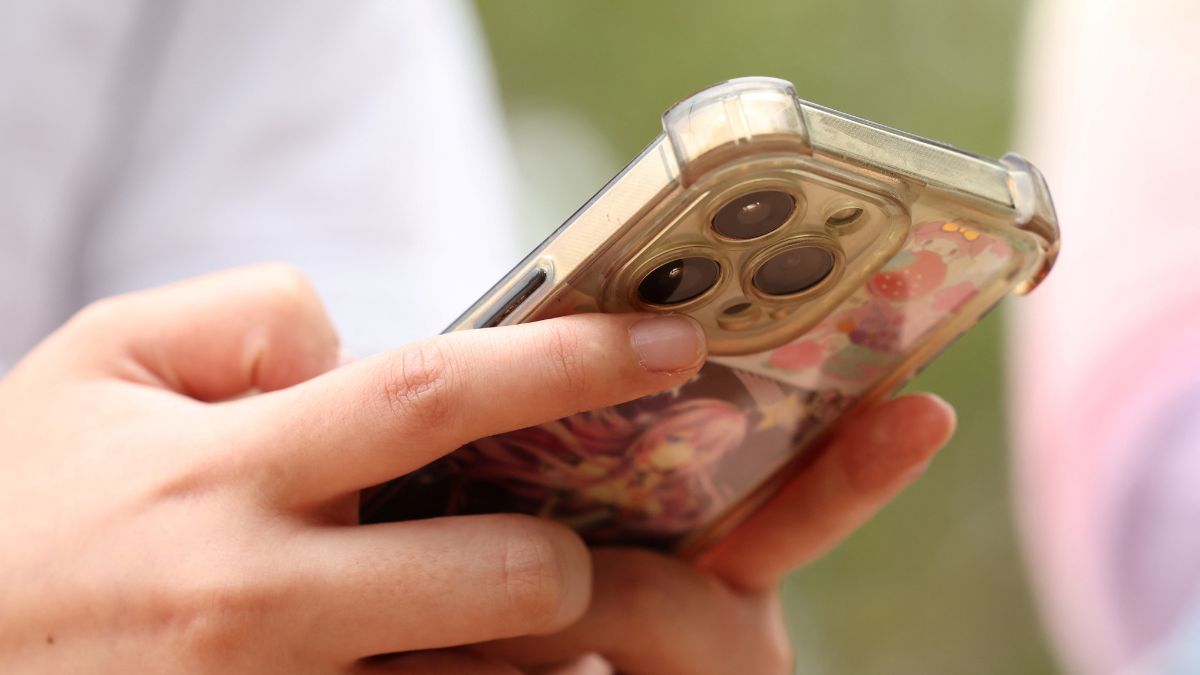
Australia’s social media ban for children under 16 has kicked off today (December 10). The world-first legislation will see the country banning social media platforms and websites, including TikTok, Instagram, YouTube, Snapchat, Threads and Reddit.
The crackdown will lead to the accounts of more than one million (10 lakh) users under 16 being deactivated in Australia. Social media companies will face a fine of up to A$49.5 million (Rs 295.17 crore) if they fail to take “reasonable steps” to comply with the legislation.
The Australian government has said the move will reduce the negative impact of social media’s “design features that encourage [young people] to spend more time on screens, while also serving up content that can harm their health and wellbeing”.
The deaths of two teens triggered the Anthony Albanese-led government to take the landmark action. We take a look at the tragic stories.
Battle with body dysmorphia
Mia Bannister’s world came crashing down in January when her 14-year-old son, Oliver ‘Ollie’ Hughes, was found dead in his bedroom.
The mother holds social media responsible for her son’s battle with anorexia nervosa and his subsequent suicide.
Anorexia nervosa is an eating disorder that leads people to have very low body weight, an intense fear of gaining weight and a distorted self-image.
“There is no doubt in my mind that social media is responsible for taking Ollie down that path,” Bannister, 51, told the Australian newspaper, The Courier Mail.
Quick Reads
View All“We had all sorts of rules in place around screen time, and I would sometimes confiscate his phone, but it got to him anyway,” she added.
As per Bannister, an esteemed figure in Queensland property circles, her teenage son became obsessed with TikTok videos of males “bulking up” while he started hating his own body.
Last February, Ollie weighed 74 kg, but by December, his weight had dropped below 50 kg. He was immediately hospitalised after being diagnosed with anorexia nervosa.
“Ollie used to love eating everything I cooked but then he wanted to only eat tinned tuna and rice, and began compulsively weighing his food before going to the bathroom and vomiting it up,” the mother said.
Bannister told AFP that when her son first got sick, he turned to social media. But apps like TikTok, Snapchat and YouTube reportedly showed him content that fuelled his eating disorder.
Bannister said she had not imagined the impact social media would have on her child. “I was a single parent, working full time, trying to keep a roof over our heads, not really understanding either what platforms he’s on and how they work,” she said.
‘He was my world’
About a year before his death, a distressed Ollie came to his mother’s bedroom, sobbing.
“Two of his so-called friends posted on Snapchat that he should go kill himself,” Bannister, who took photos of the messages, told The Courier Mail.
“Boys say stupid things sometimes, and one of them apologised, but that kind of stuff stays with a kid,” she added.
Ollie was absent from school for 125 days due to his body dysmorphia. His mother believes this could have triggered the bullying.
“Another mate picked on the fact that he was a ginger (red head) and called him fat, but these smart arse comments can be dangerous, especially for teenagers trying to find where they fit in life.
She said the hospital where her son was admitted did not consider him a “suicide risk”, and neither did she.
Oliver started eating to get a one-week release from the hospital. However, at home, Bannister said he started harming himself to “punish himself for eating”.
A week later, her son was no more. “On the morning he died, Ollie ate breakfast with me and I could tell he was a bit ‘off’ but he said he’d check in with me later in the day; he never did,” the grieving mother said.
“We had a very special bond and would talk about everything, but in the end it wasn’t enough,” Bannister lamented.
Speaking to AFP, she said her son was her “best friend”. The mother has gotten tattoos with an eulogy to Ollie. “He was my world.”
Social media ban ‘allows children to grow up’
Bannister blames social media for her son’s deteriorating mental health and the extreme step he took.
“The pressure to look a certain way, the language he used including micro and macro nutrients, and even the means he used to kill himself, all this came off social media,” she was quoted as saying by the Australian newspaper.
“It is their platforms and the unfiltered, unchecked content.” She said when parents give their children a phone, “we hand them the greatest weapon we could hand them”.
Emma Mason, who also lost her daughter Matilda ‘Tilly’ Rosewarne to suicide, also blames social media. Her 15-year-old daughter died by suicide after she was bullied on social media, including the use of fake nude imagery.
“It destroyed my child,” Mason told 7news.
She and Bannister were at the centre of the Australian government’s decision to ban social media for kids under 16. PM Albanese had extensively consulted the two women and had them stand by him while making major announcements about the new law.
A study commissioned by the government found that 96 per cent of children aged 10-15 used social media. Of these, seven out of 10 had been exposed to harmful content, including misogynistic and violent material, along with content promoting eating disorders and suicide.
According to a survey cited by Australia’s eSafety Commissioner, 57 per cent of teens aged 13-15 were bullied online last year.
“The whole point of the legislation isn’t to ban social media — it’s to delay it,” Mason said. “Allowing children time to grow up. Because they’ve been part of a social experiment that we didn’t sign up for — and we didn’t know was going to destroy them.”
Bannister wants the ban to even cover those under 18. “Children’s brains are not yet formed but social media is destroying them,” she said to The Courier Mail.
The two mothers believe their campaigns for the new laws were motivated by both guilt and grief. The guilt stemmed from handing their children phones.
The world is watching Australia’s social media ban, but its effectiveness remains in question.
With inputs from agencies
A collection of Suicide prevention helpline numbers are available here. Please reach out if you or anyone you know is in need of support. The All-India helpline number is: 022-27546669)

 "What the dramatic US seizure of Venezuela-linked oil tanker tells us")
 "Should Ukraine concede territory to Russia? Zelenskyy wants Ukrainians to vote in referendum")
 "Who is Kilmar Ábrego García, the man ‘mistakenly’ deported by US, now freed?")
 "Trump's new tax guidance could let companies save billions more")
 "What the dramatic US seizure of Venezuela-linked oil tanker tells us")
 "Should Ukraine concede territory to Russia? Zelenskyy wants Ukrainians to vote in referendum")
 "Who is Kilmar Ábrego García, the man ‘mistakenly’ deported by US, now freed?")
 "Trump's new tax guidance could let companies save billions more")



