

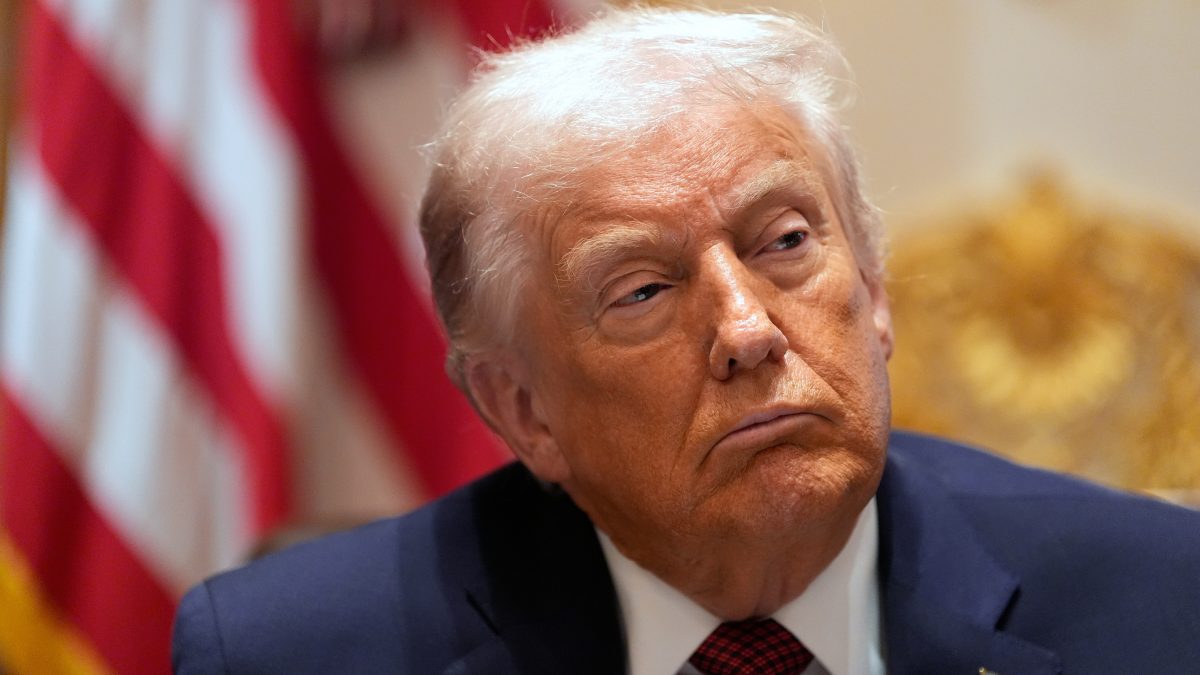
 "Trump's new tax guidance could let companies save billions more")
The US Treasury Department is preparing to roll out a corporate tax workaround that would allow companies to save even more money.
The guidance, expected as early as next week, would let firms fully tap into the generous research and development tax breaks included in the earlier tax and spending bill. The move is set to deliver large tax savings to companies including Salesforce Inc. and Qualcomm Inc.
The tax guidance would allow companies to take full advantage of lucrative research and development deductions included in President Donald Trump’s “One Big Beautiful” tax bill, according to people familiar with the matter.
Minimum tax clash
The Treasury proposal aims to resolve a long-running concern for major corporations and their lobbyists: a Biden-era 15 percent minimum tax on companies earning at least USD 1 billion prevents businesses from fully claiming their R&D deductions.
The new guidance is expected to address these concerns, according to people who requested anonymity as the details are not yet public. The R&D tax breaks — along with Treasury’s planned changes — are particularly valuable for research-heavy industries such as technology, pharmaceuticals and manufacturing.
The Treasury did not respond to a request for comment. One person cautioned that while the guidance is in its final review stage, the timing of its release could still shift.
Billions at stake
Trump’s tax bill allows companies to claim retroactive R&D deductions valued at an estimated USD 67 billion. However, the scale of those deductions is so large that it would trigger the 15 percent minimum tax for many companies.
Airbnb Inc., Broadcom Inc. and Applied Materials Inc. have disclosed in regulatory filings that the generous deduction could place them under the 15 percent corporate alternative minimum tax or prevent them from claiming hundreds of millions of dollars in tax credits tied to previous minimum tax payments.
The upcoming guidance would mark another significant win for large corporations. It would add further tax benefits to those secured in Trump’s tax bill, which restored full, upfront deductions for R&D investments that expired in 2022. The legislation also made loan interest tax breaks permanent, expanded equipment purchase write-offs and increased the state and local (SALT) deduction.
Quick Reads
View AllA pattern of easing the minimum tax
The Treasury’s planned guidance is the latest in a series of moves weakening the 15 percent minimum tax enacted under Biden in 2022. Earlier this year, Treasury introduced more lenient rules, granted exemptions to insurance, shipping and utilities firms, and allowed unrealised cryptocurrency gains to be excluded from the levy.
Tax policy experts say Treasury has been able to make such adjustments because Congress gave the department unusual flexibility in implementing the corporate minimum tax.
Corporations have also raised concerns about how the R&D deduction interacts with international tax rules from Trump’s first term that discourage profit-shifting to low-tax jurisdictions. It remains unclear whether the upcoming guidance will address this or whether Treasury has the statutory authority to do so.
Political backlash expected
The new guidance is likely to face swift criticism from progressive Democrats, including Senator Elizabeth Warren of Massachusetts, who has been vocal in her opposition to any move that limits the reach of the corporate minimum tax.

 "What the dramatic US seizure of Venezuela-linked oil tanker tells us")
 "Should Ukraine concede territory to Russia? Zelenskyy wants Ukrainians to vote in referendum")
 "Who is Kilmar Ábrego García, the man ‘mistakenly’ deported by US, now freed?")
 "Walt Disney to invest $1 billion in OpenAI, license characters for Sora video tool")
 "What the dramatic US seizure of Venezuela-linked oil tanker tells us")
 "Should Ukraine concede territory to Russia? Zelenskyy wants Ukrainians to vote in referendum")
 "Who is Kilmar Ábrego García, the man ‘mistakenly’ deported by US, now freed?")
 "Walt Disney to invest $1 billion in OpenAI, license characters for Sora video tool")



