

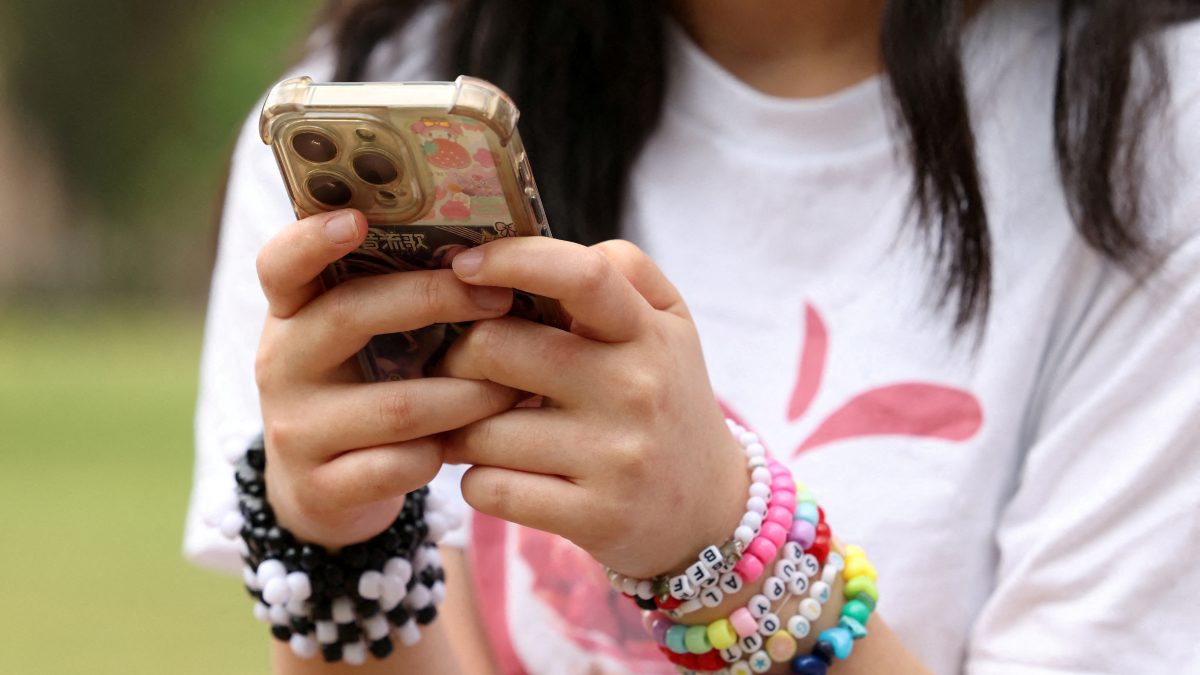
 "Australia enforces world-first social media ban for children, orders platforms to delete under-16 accounts")
Australia has enforced a world-first ban on social media for users under 16, cutting off millions of children and teenagers from their accounts.
From Wednesday, Facebook, Instagram, Threads, X, YouTube, Snapchat, Reddit, Kick, Twitch and TikTok were expected to start removing accounts belonging to under-16 users and block new registrations. Under the new law, ten major platforms must bar children from midnight or face fines of up to A$49.5 million (USD 33 million).
The move has drawn criticism from technology companies and free-speech advocates, while many parents and child-safety groups have supported it.
Early glitches emerge
There have already been teething issues. Guardian Australia received multiple reports of under-16 users passing facial age-assurance checks, and the government has acknowledged the rollout will not be perfect immediately.
All listed platforms except X had confirmed by Tuesday that they would comply. eSafety commissioner Julie Inman Grant said she had recently spoken to X about how it would meet the requirements, but the platform had not communicated any policy to users.
Bluesky, a smaller X alternative, also said it would block under-16s despite being assessed as “low risk” with only 50,000 users in Australia.
Children undergo mass age checks
In recent weeks, children have been completing age-assurance tests, swapping phone numbers and preparing for their accounts to be deactivated. Kieran Donovan, the Australian chief executive and co-founder of age-assurance service k-ID, said his service had conducted hundreds of thousands of age checks, with Snapchat among those using the system.
Parents have also expressed mixed reactions. One parent told the Guardian their 15-year-old daughter was “very distressed” because “all her 14 to 15-year-old friends have been age verified as 18 by Snapchat”. Identified as under 16, they feared “her friends will keep using Snapchat to talk and organise social events and she will be left out”.
Global interest in Australia’s experiment
Other countries are watching Australia closely as they consider similar age-based restrictions amid growing concerns over social media’s impact on children’s health and safety.
In a video message shared by Sky News Australia, Prime Minister Anthony Albanese said the ban aimed to support young people and ease the pressure of constant scrolling. “Make the most of the school holidays coming up. Rather than spending it scrolling on your phone, start a new sport, learn a new instrument, or read that book that has been sitting there for some time on your shelf,” he said. “And importantly, spend quality time with your friends and your family, face to face.”
Quick Reads
View All“Canary in the coal mine,” say experts
The measure ends months of debate about whether a country can effectively block children from widely used digital platforms. It also marks a major live test case for governments frustrated by what they call slow action from Big Tech on harm reduction.
“While Australia is the first to adopt such restrictions, it is unlikely to be the last,” Curtin University internet studies professor Tama Leaver said. “Governments around the world are watching how the power of Big Tech was successfully taken on. The social media ban in Australia … is very much the canary in the coal mine.”
Governments from Denmark to Malaysia, along with several US states, have discussed similar steps, four years after leaked Meta documents suggested its products contributed to body-image issues among teenagers. Meta says it provides tools to protect younger users.
Compliance tools and legal challenges
The ban initially applies to ten platforms, though the list will change as new products emerge. Most platforms, except Elon Musk’s X, said they would comply using age inference, selfie-based age estimation, identity documents or linked financial data.
Musk criticised the ban, saying it “seems like a backdoor way to control access to the internet by all Australians”. A High Court challenge, backed by a libertarian state lawmaker, is expected.

 "Why is Mexico raising tariffs on Indian goods? How big will the impact be?")
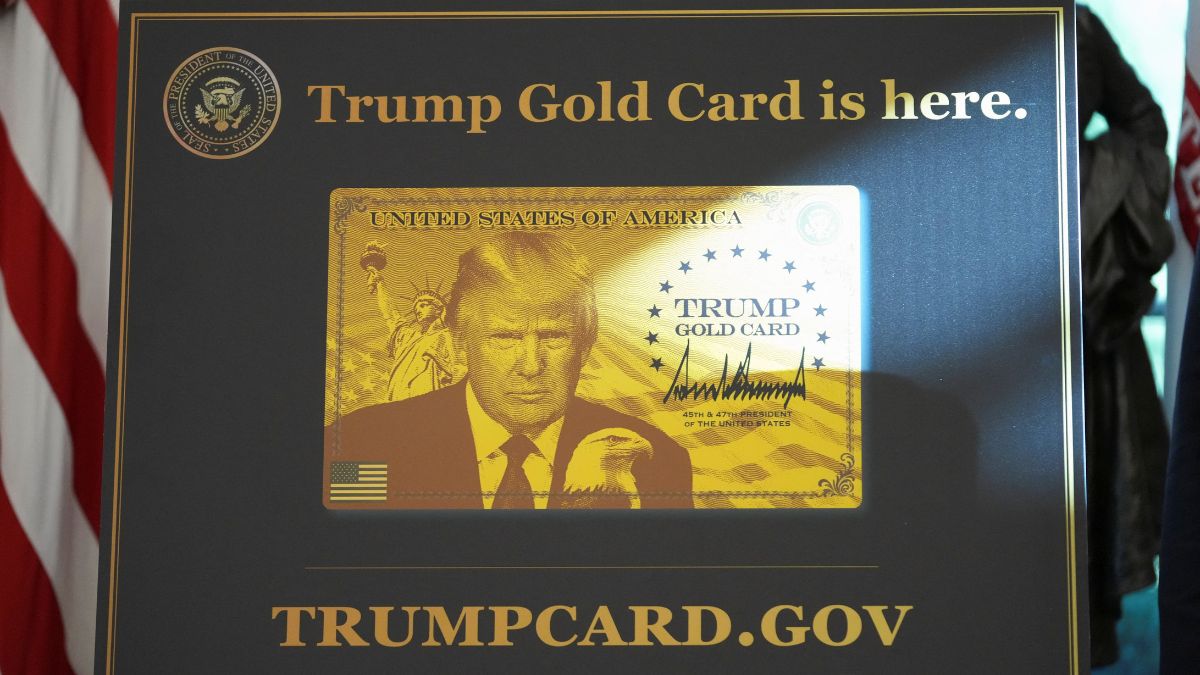 "Trump Gold Card is here: Which US visa does it replace? How does it differ from green card?")
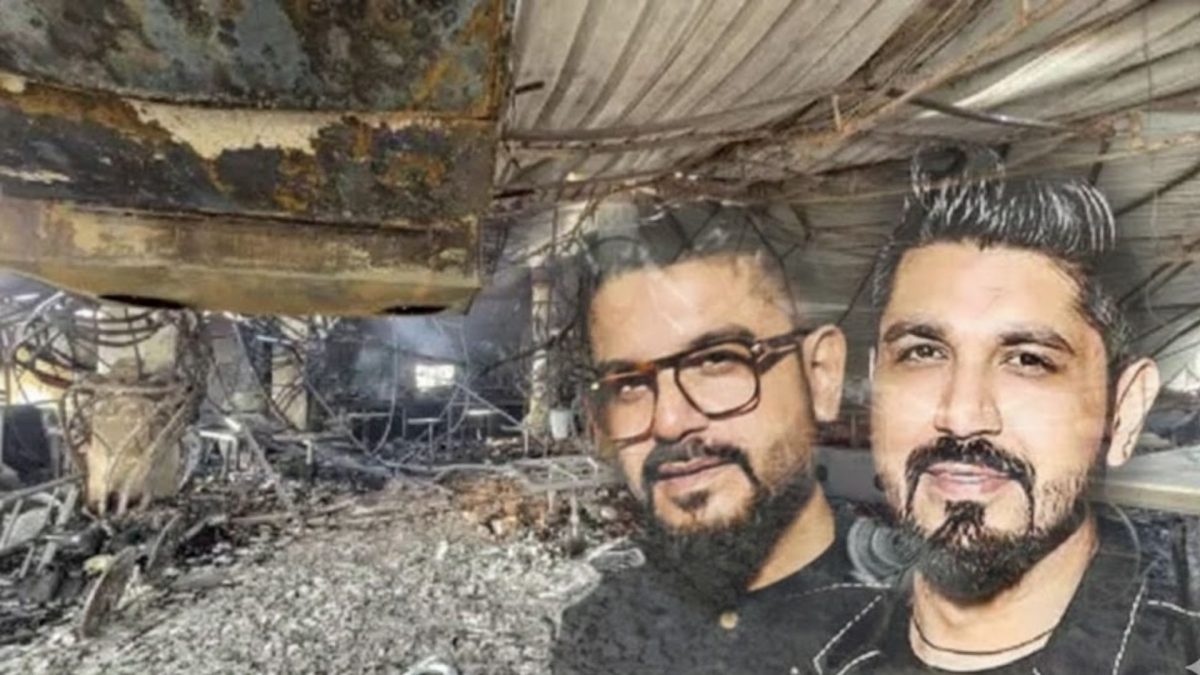 "Delhi court denies anticipatory bail to Luthra brothers in Goa nighclub fire case")
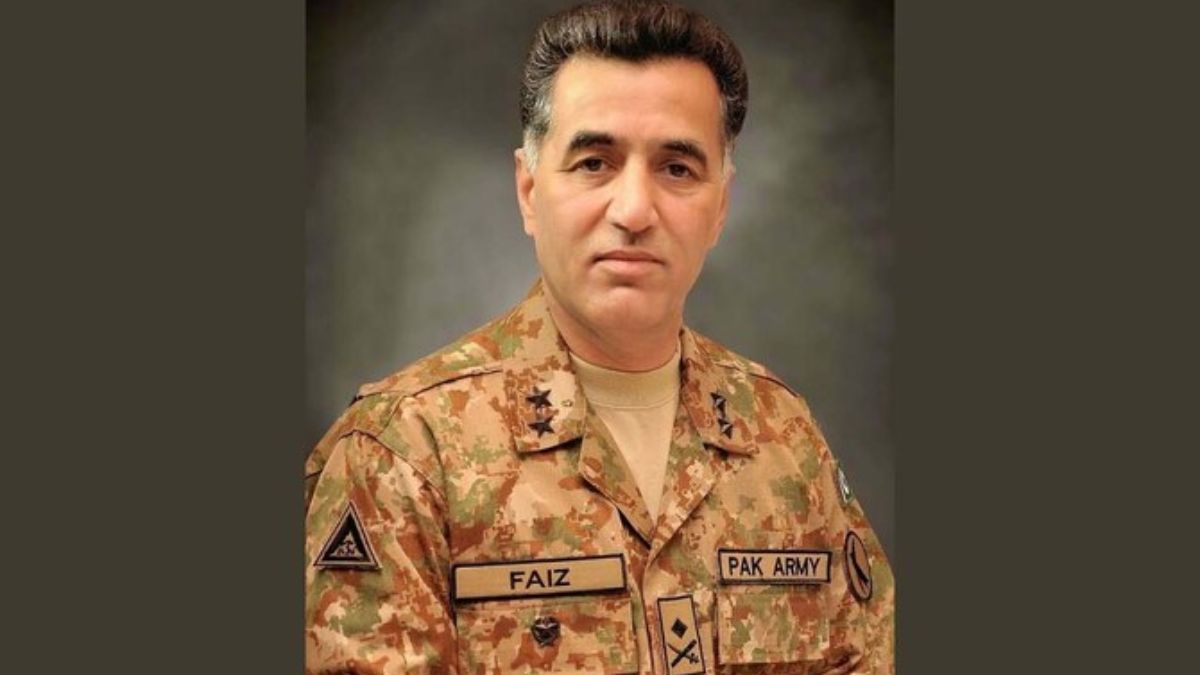 "Pakistani military court sentences ex-ISI chief Faiz Hameed to 14 years")
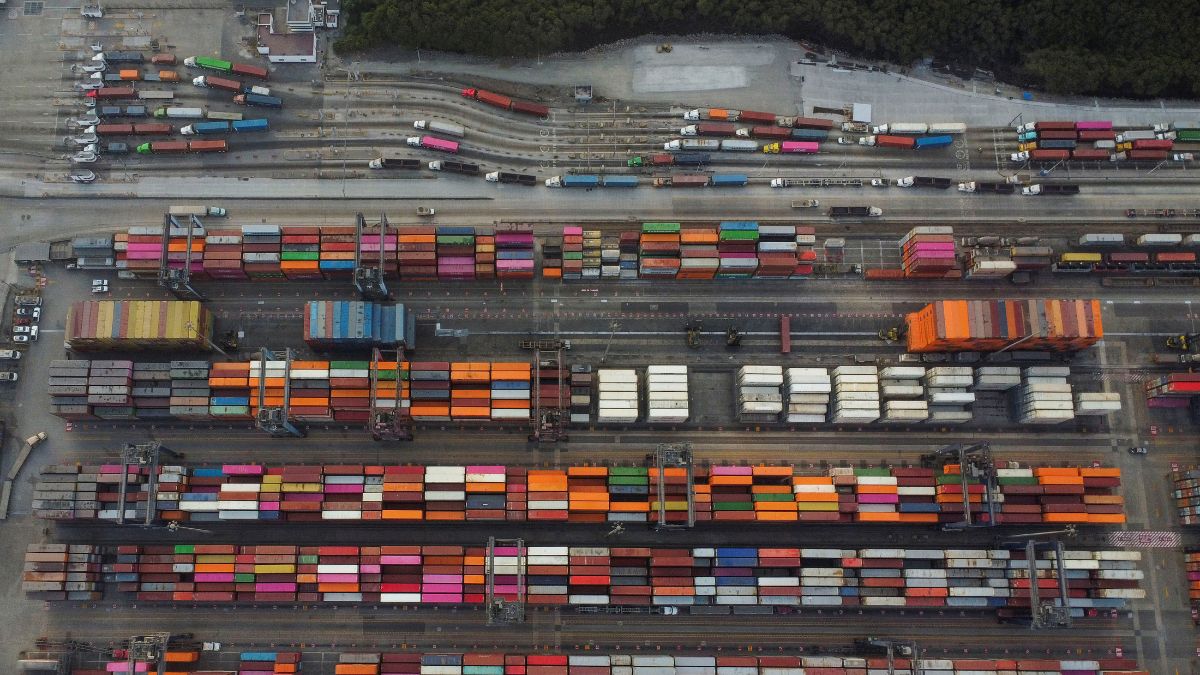 "Why is Mexico raising tariffs on Indian goods? How big will the impact be?")
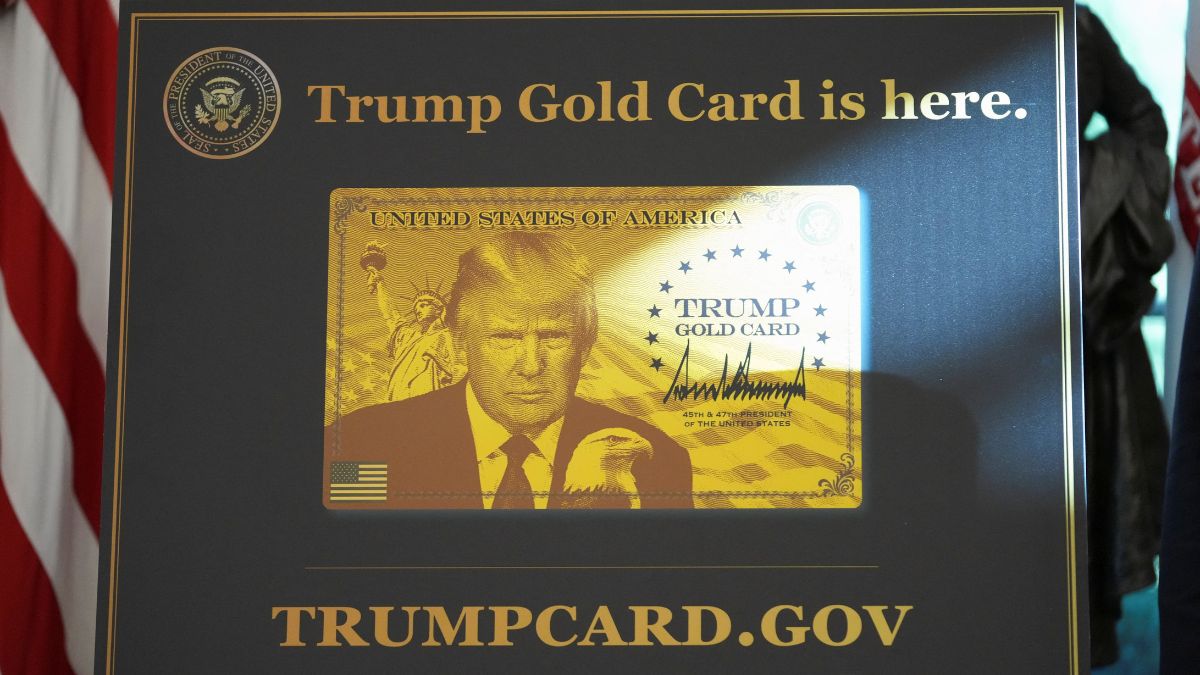 "Trump Gold Card is here: Which US visa does it replace? How does it differ from green card?")
 "Delhi court denies anticipatory bail to Luthra brothers in Goa nighclub fire case")
 "Pakistani military court sentences ex-ISI chief Faiz Hameed to 14 years")



