

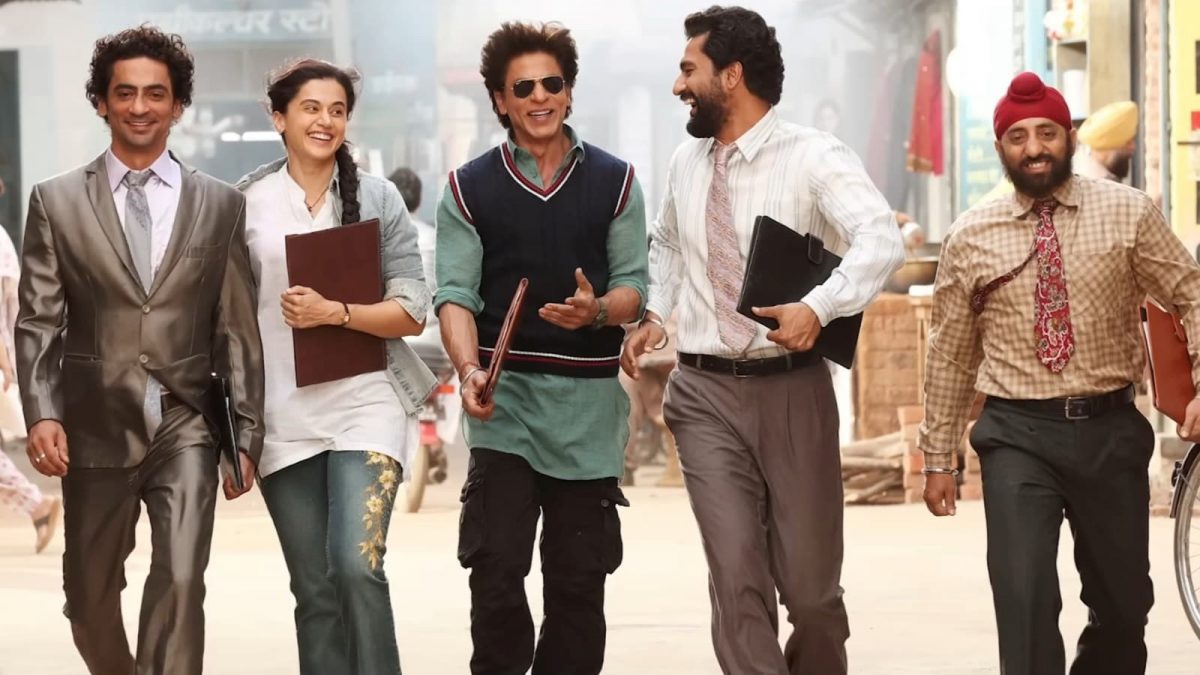
 "2 years of SRK-Rajkumar Hirani's Dunki: 7 powerful conversations the film ignited")
Two years after its release, Dunki continues to stand out as one of those rare films that sparked conversations well beyond the cinema hall. Directed by Rajkumar Hirani, one of Indian cinema’s most trusted storytellers, the film did what he does best — use humour and humanity to shine a light on uncomfortable truths. More than a film about illegal immigration, Dunki was a story of hope, desperation, friendship, and the emotional cost of chasing a better life, told with empathy rather than judgment.
Here are seven powerful conversations Dunki ignited — and why they still matter today.
Illegal Immigration Beyond Crime and Statistics
Instead of reducing illegal immigration to a legal violation, Dunki humanised it. Hirani shifted the focus from policies to people — individuals driven by circumstance rather than choice. The film urged viewers to ask why people take such risks, not just how they do it.
The Emotional Cost of the ‘Foreign Dream’
Dunki dismantled the idea that life automatically improves across borders. It laid bare the loneliness, cultural alienation and quiet grief that often accompany migration. The promise of a better future comes at a steep emotional price — and the film made that cost impossible to ignore.
Friendship as Survival, Not Sentiment
Friendship in Dunki isn’t a feel-good subplot; it’s a lifeline. The bonds between the characters become their emotional and moral anchor in unfamiliar lands. Hirani reminds us that when everything else is stripped away, human connection is what helps people endure.
Games
View AllThe Silent Trauma of Displacement
One of the film’s most understated strengths was its portrayal of trauma without melodrama. Displacement is shown as quiet, internal and persistent. The ache of not belonging — neither here nor there — lingers long after the journey ends.
Families Left Behind, Lives Put on Pause
While migration stories often centre on those who leave, Dunki also acknowledged those who stay behind. Parents, partners and families waiting endlessly, suspended between hope and fear. One person’s journey, the film shows, reshapes many lives.
Dignity of Labour vs the Illusion of Success
Hirani challenges the notion that working abroad — regardless of conditions — automatically equals success. Dunki questions social hierarchies that value geography over dignity, pushing audiences to reconsider what achievement truly means.
Hope, Humour and Humanity Amid Hardship
Despite its heavy themes, Dunki never loses its sense of hope. Hirani’s signature humour softens the blow without diluting the message. Laughter, resilience and kindness emerge as acts of survival, proving that humanity persists even in the harshest circumstances.
Why These Conversations Still Matter
Two years on, the issues Dunki explored remain unresolved. Migration continues to shape lives across the world, and the ‘foreign dream’ still dominates social imagination. What sets Dunki apart is its refusal to judge. Instead, it invites empathy — urging viewers to see migrants not as headlines, but as people.

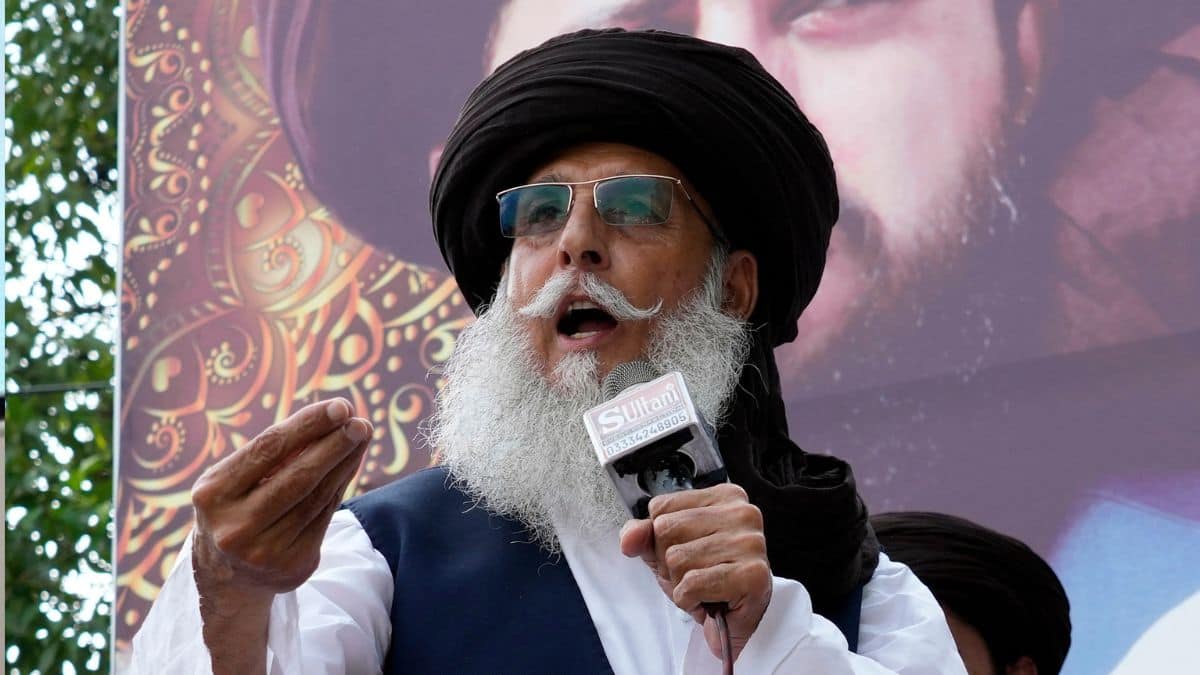
 "‘Bangladesh’s Yunus govt failed to control ‘mobocracy’’: BNP leader on attack on Indian mission")
 "Tarique Rahman to return to Bangladesh after 17 years: Can Khaleda Zia’s son influence February elections?")
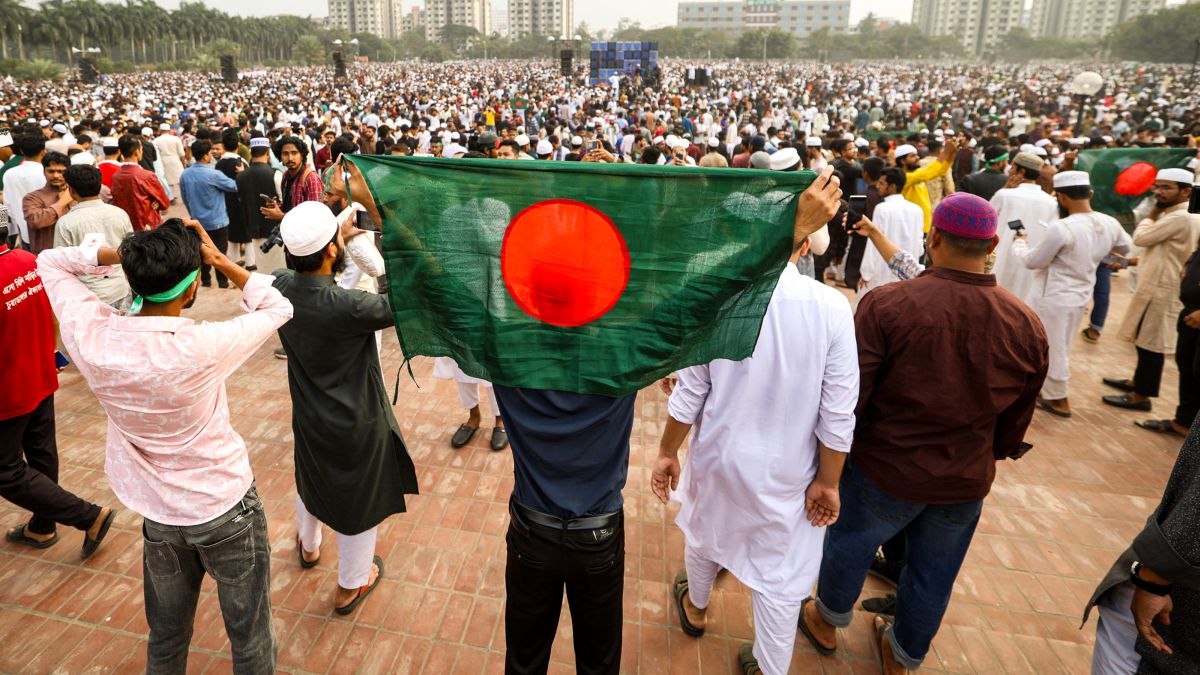 "US Congressmen raise alarm over anti-Hindu violence in Bangladesh")
 "‘Time to Kash out’: Why Kash Patel’s choice of new wheels has sparked a row")
 "‘Bangladesh’s Yunus govt failed to control ‘mobocracy’’: BNP leader on attack on Indian mission")
 "Tarique Rahman to return to Bangladesh after 17 years: Can Khaleda Zia’s son influence February elections?")
 "US Congressmen raise alarm over anti-Hindu violence in Bangladesh")
 "‘Time to Kash out’: Why Kash Patel’s choice of new wheels has sparked a row")



