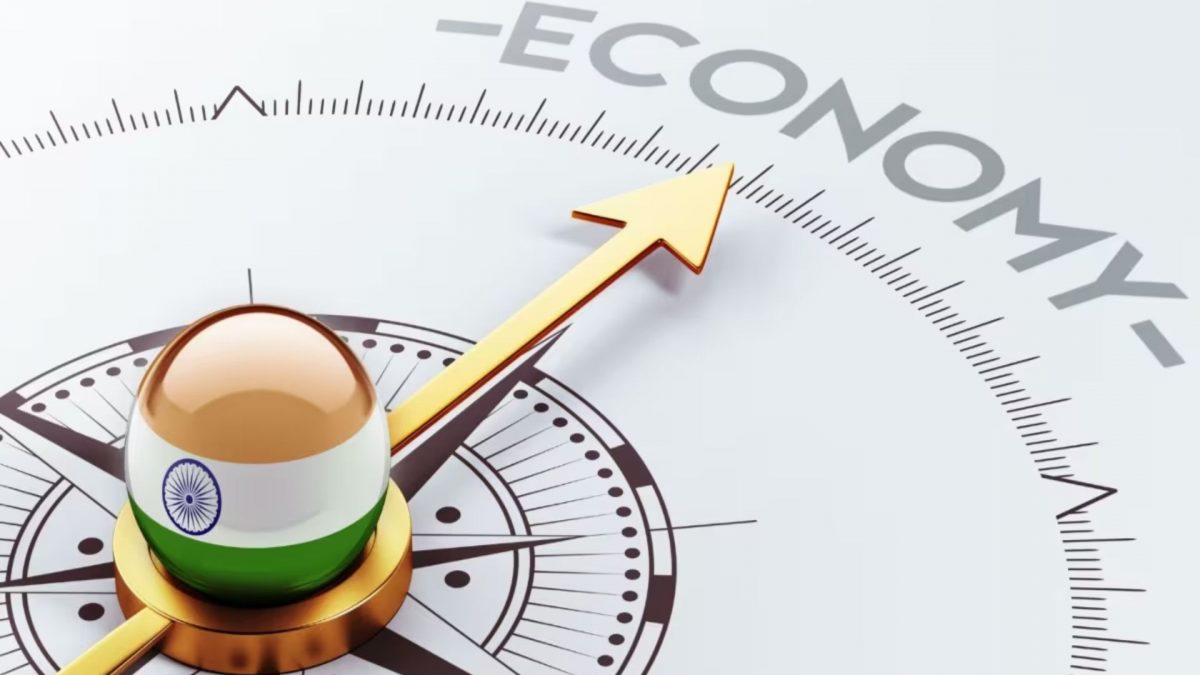
 "India’s growth rides on strong domestic demand, but West Asia tensions pose stagflation risks: Morgan Stanley")
India’s economy continues to draw strength from resilient domestic demand and improving high-frequency indicators, even as rising geopolitical tensions in the Middle East threaten to cloud the outlook, according to a Morgan Stanley report.
The report noted that key macro indicators remain supportive for now, with consumption trends holding firm across sectors. However, it cautioned that the ongoing crisis in the Middle East could introduce stagflationary risks, where growth slows even as inflation rises, if disruptions persist.
High-frequency data reflects broad-based economic momentum. Auto sales have improved, signalling steady consumer demand, while a pickup in credit growth points to strengthening lending activity. GST collections remain robust, underlining stable economic activity, and manufacturing indicators such as PMI suggest continued expansion in the industrial sector.
Despite these positives, Morgan Stanley flagged India’s exposure to external vulnerabilities. The Middle East remains a critical region for India’s trade and financial flows. It accounts for nearly 15 per cent of India’s exports and around 38 per cent of total remittances, making any prolonged instability a potential drag on both external balances and domestic consumption.
The report also highlighted the risk of rising global commodity prices, particularly crude oil, which could stoke inflation and widen macroeconomic imbalances. Elevated energy costs tend to feed into broader price pressures, complicating the policy response.
Quick Reads
View All“Domestic demand remains resilient, but headwinds are emerging as geopolitical tensions create stagflationary risks,” the report said, adding that prolonged disruption could weigh on growth and weaken macroeconomic stability.
While India’s internal growth drivers remain intact, the report highlighted that external shocks, especially from energy markets and geopolitical flashpoints, will be key variables shaping the economic trajectory in the months ahead.

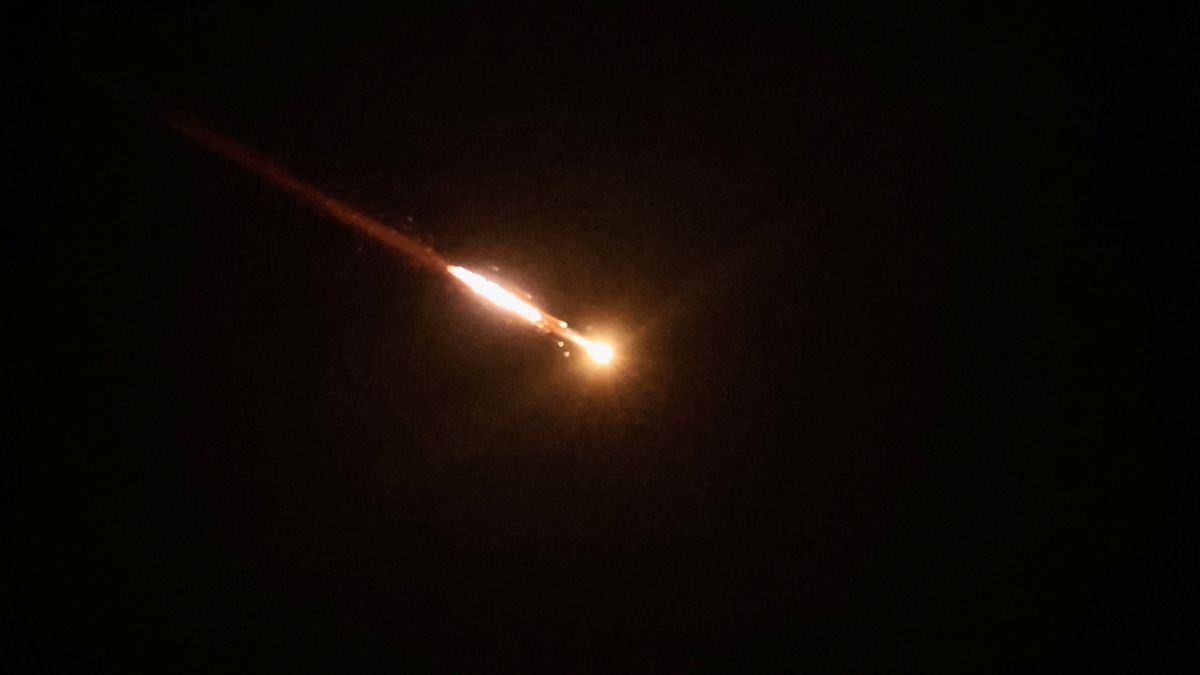 "Iran War Live Updates: Iran executes two over alleged links to US-Israeli-backed opposition group")
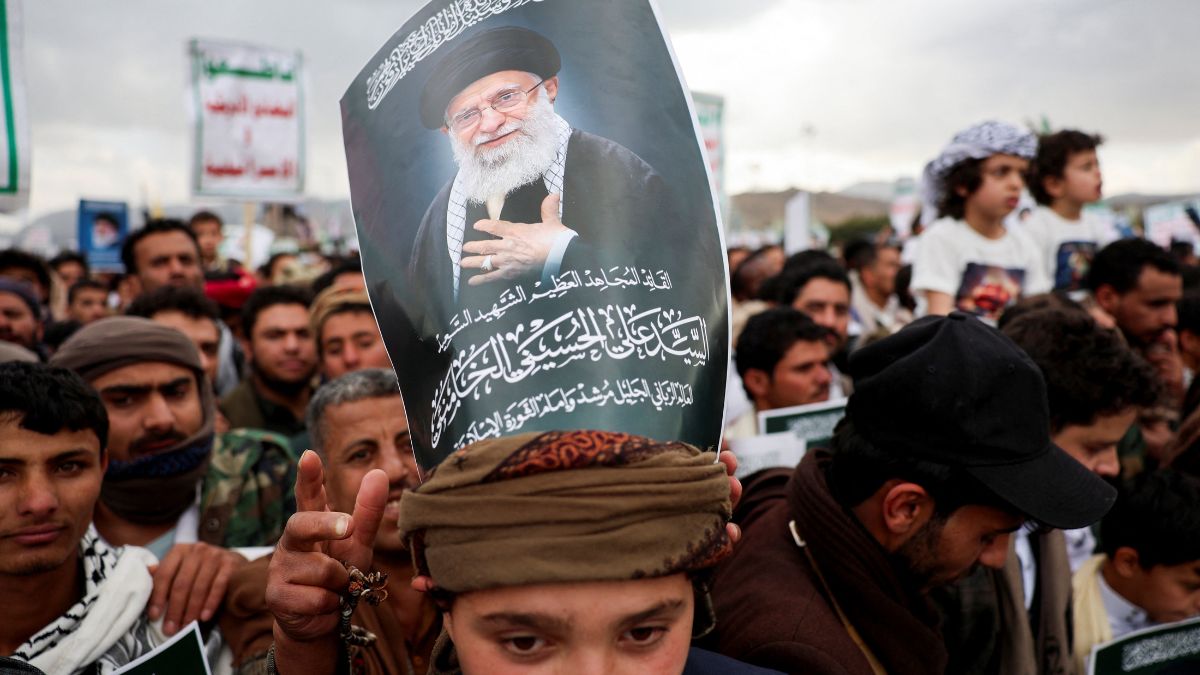 "Why have Yemen’s Houthis entered the West Asia war now?")
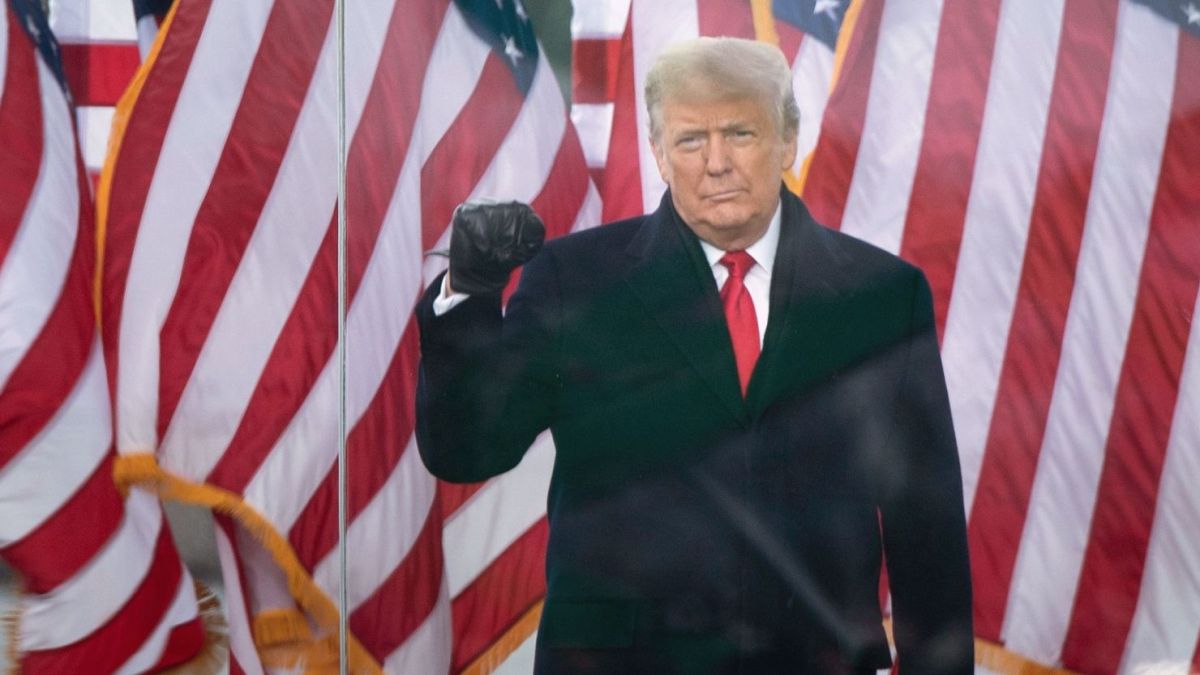 "Two victories, one war: US and Iran think they can win — is this the biggest obstacle to a peace deal?")
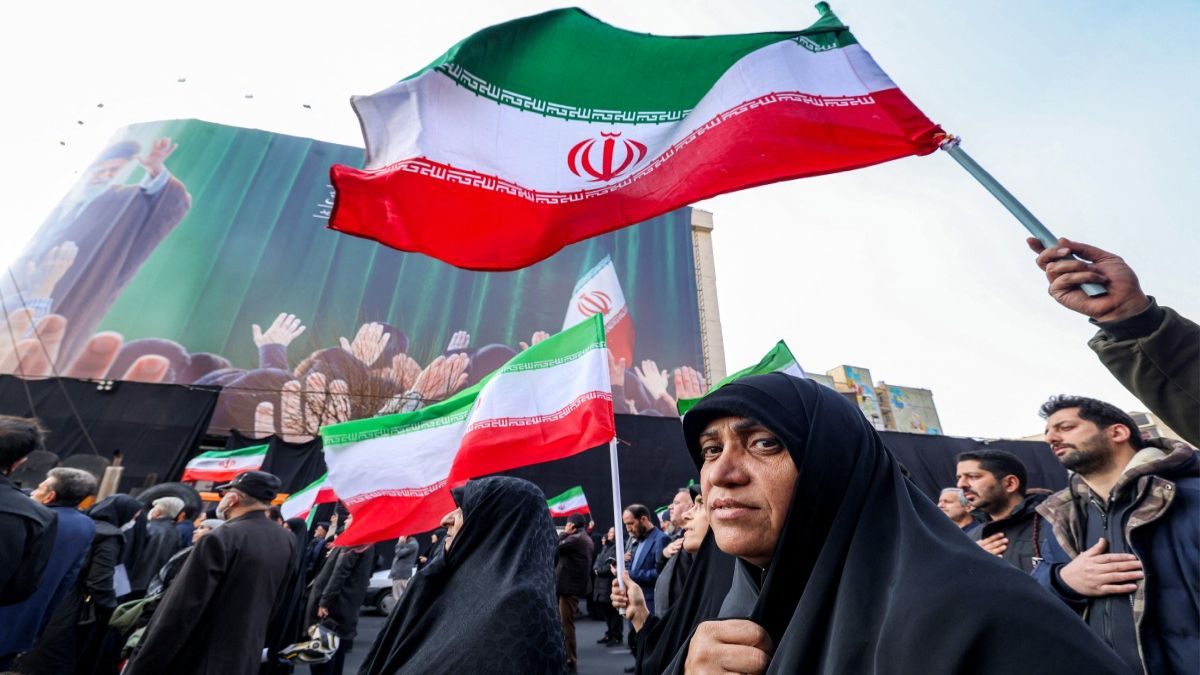 "Marines arrive, Houthis join, aluminum plants hit: Iran war is widening faster than diplomacy can contain it")
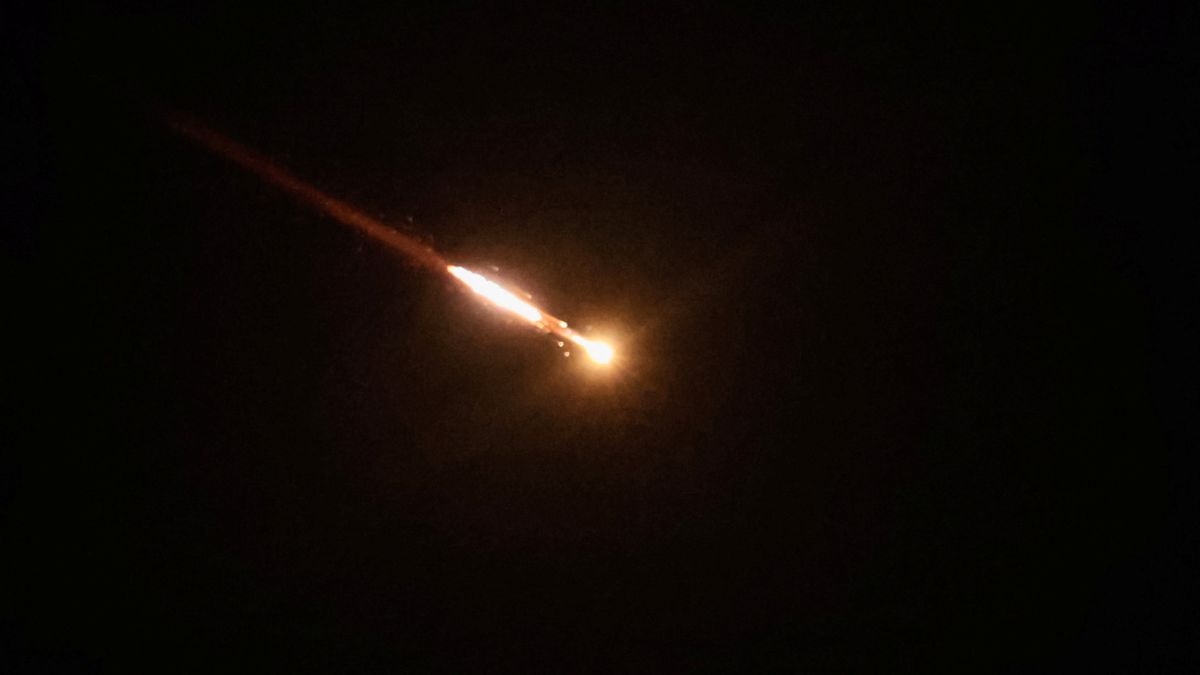 "Iran War Live Updates: Iran executes two over alleged links to US-Israeli-backed opposition group")
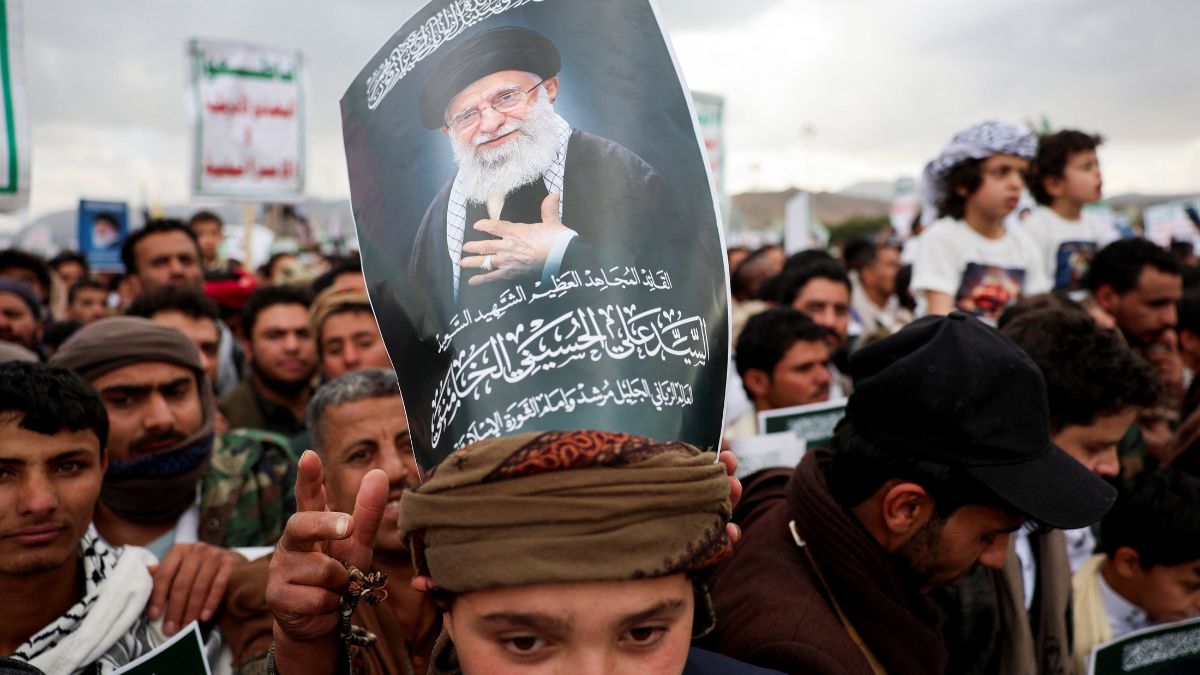 "Why have Yemen’s Houthis entered the West Asia war now?")
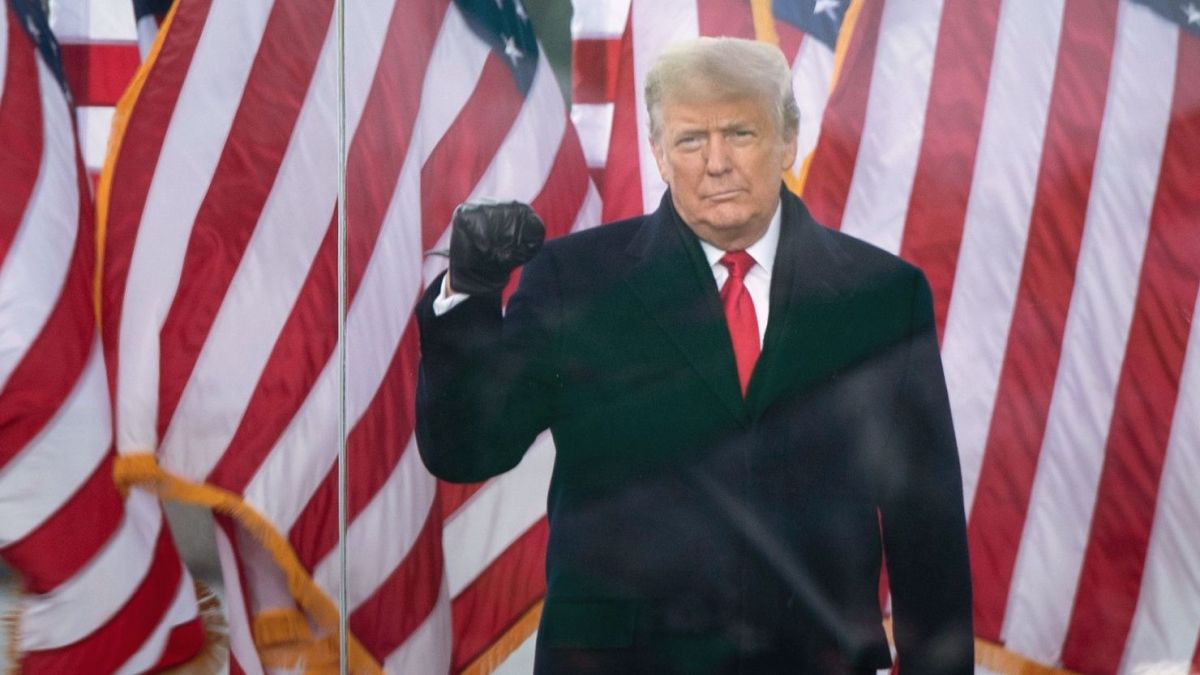 "Two victories, one war: US and Iran think they can win — is this the biggest obstacle to a peace deal?")
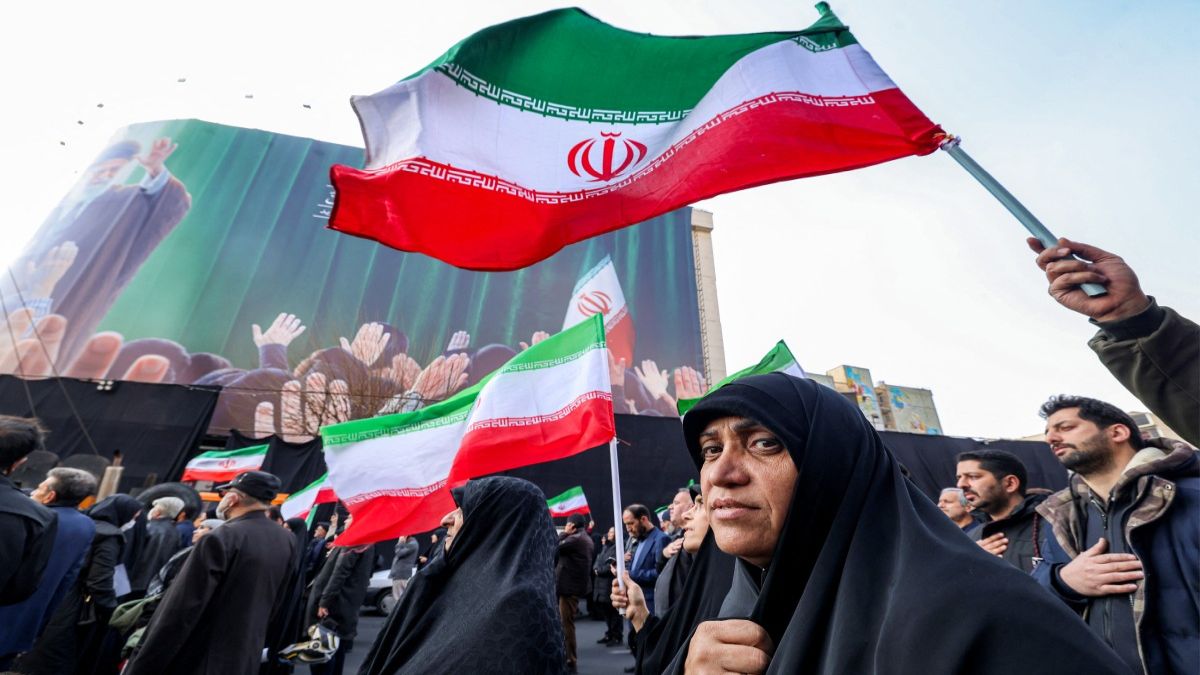 "Marines arrive, Houthis join, aluminum plants hit: Iran war is widening faster than diplomacy can contain it")