

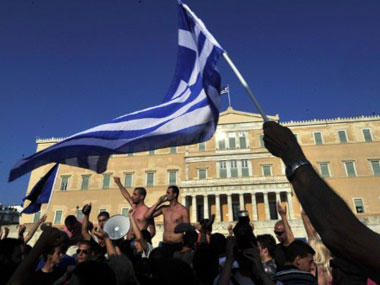
 "What you wanted to know about Greece's debt crisis but were afraid to ask")
So much has been said about Greece in the past one year. Investors across Europe, and indeed, around the world, have watched in fear and dismay as the economy -and financial markets -unravelled bit by bit.
In recent weeks, much of the focus has centred on a bailout package to help Greece avoid a humiliating exit from the eurozone and prevent a breakup of the euro itself.
But what exactly did happen out there? And why is the rest of the world hyperventilating about it?
Here’s a guide to what went wrong with the Greek economy.
So what’s the problem with Greece?
In five words: Debt, debt and more debt. Essentially, it’s a tragic tale of a nation’s binge borrowing and spending. From the time Greece joined the eurozone in 2002 until the global financial shock of 2008, the country went on a maniac borrowing spree, which it used to spend wildly on all sorts of things, including building expensive stadiums and other sports facilities for the 2004 Athens Olympics (which incidentally went way over budget).
Even as the government spent like there was no tomorrow, tax collections dwindled because of widespread evasion. In other words, it was spending beyond its means. Doubts also grew about the credibility of its official economic statistics.
The party finally ended when the global financial crisis erupted in late 2008, exposing the slowing Greek economy’s glaring flaws - huge debts and practically no way to repay them. Curbing spending and improving government revenues suddenly turned into top priorities.
What kind of debt figures are we talking about here?
Jaw-droppingly huge. Public debt in Greece is expected to have touched 120 percent of the economy in 2010. For a country of a mere 11 million people, the debt racked up is a staggering 340 billion euros - about 30,910 euros for every person in the country.
Did they do anything about it?
Yes, the government started to cut spending and implemented austerity measures aimed at reducing the fiscal deficit -the gap between what the goverment generates from taxes and what it spends - by more than 10 billion euros, according to a CNN report. It hiked taxes on fuel, tobacco and alcohol, raised the retirement age by two years, imposed public sector pay cuts and applied tough new tax evasion regulations. But they haven’t produced savings/revenues anywhere near enough to pay off the debts.
So, since 2010, the country has also been passing a tin cup around to eurozone members and the International Monetary Fund for extra funds. Greece received its first bailout of 110 billion euros in May 2010; another meeting in July this year earmarked another 109 billion euros. That included a plan under which private lenders to Greece would write off about 20 percent of the money they originally lent.
However, the rescue amount was not considered “not enough” to help the country and another meeting was called in Brussels, Belgium, in October to resolve the situation once and for all.
What has been public reaction to these plans?
Very ugly. Ordinary Greeks hate the bailout plans because they all involved public sector pay and pension cuts, cuts to government spending and increased taxes. The situation has been made worse by an economic slowdown, which meant that even the private sector could not generate enough growth to offset the situation in the public sector.
Why is everyone else worried about what happens to Greece?
If Greece defaults on its debts, it will take down a whole load of financial institutions. German banks. French pension funds. Europe’s banks are big holders of Greek debt, with perhaps $50billion-$60billion outstanding, according to the BBC . Greek banks themselves are exposed to the sovereign debts of their country. They would also need new capital, and it is likely some would need nationalising.
A Greek exit from the euro is seen by some as inevitable if the country defaulted.
If Greece stumbles, the big question is will other debt-ridden nations like Portugal, Ireland, Italy and Spain follow? After all, they are in more or less the same situation.
The collapse of Lehman brothers triggered the global credit crisis of 2008. A default by a European country could spark another frightening crisis in financial markets at a time when the region has still not fully recovered from the 2008 catastrophe.
What is the situation now?
For now, it seems like a Greek tragedy may have been averted. In October, the European Commission, the European Central Bank (ECB) and IMF said they had agreed to a new bailout package for Greece. The three-point plan included expanding the single currency’s bailout fund to 1 trillion euros, forcing banks to raise more capital to protect themselves against losses resulting from any future defaults, and some banks accepting a loss of 50 percent on their Greek debts.
This plan was soon thrown into doubt by the Greek prime minister’s announcement of a referendum on the EU’s efforts to bail out its stricken economy. That plan has now been shelved, but fears over Greece and whether it might be forced to leave the eurozone persist.
More importantly, investors are already shifting focus to the next fear factor: Italy.
So, don’t pop open the champagne bottles just yet.
Watch video:





 "Greeks strike to mark train crash anniversary, protest low wages")
 "2 years of Russia-Ukraine war: From fall of Avdiivka to firing of Zaluzhnyi")
 "Greek PM meets Modi: How Indo-Greek ties have changed in 10 years")
 "Greece: Thousands rally in Athens as farmers ramp up protests")
 "Greeks strike to mark train crash anniversary, protest low wages")
 "2 years of Russia-Ukraine war: From fall of Avdiivka to firing of Zaluzhnyi")
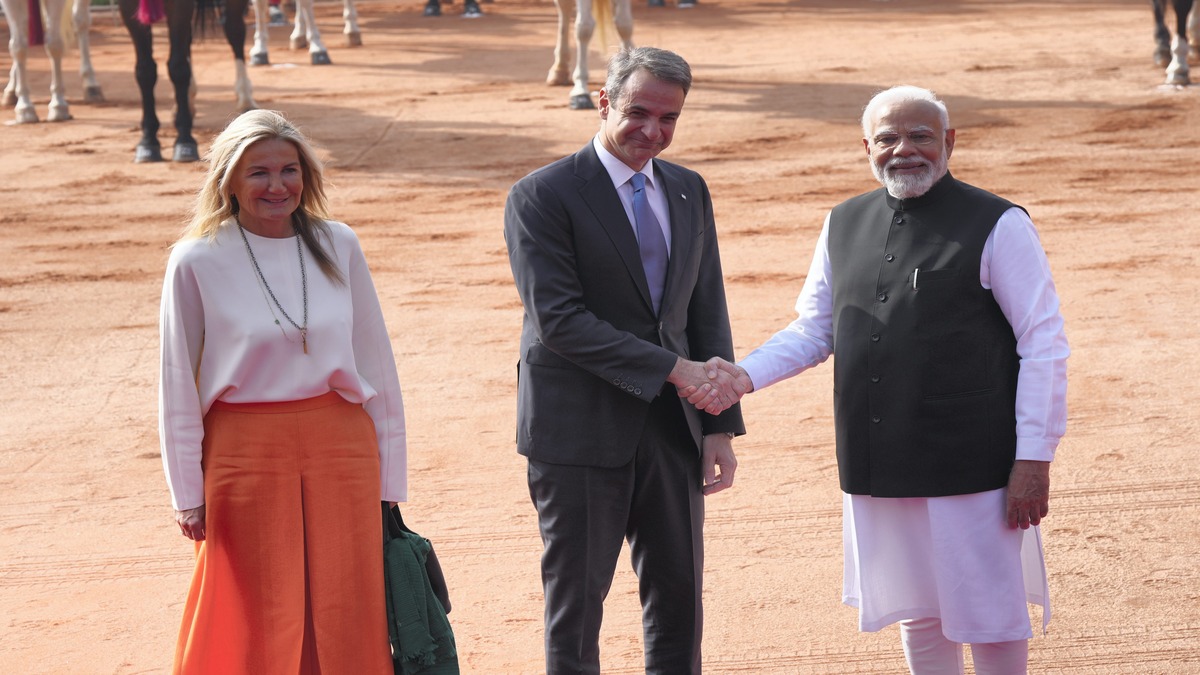 "Greek PM meets Modi: How Indo-Greek ties have changed in 10 years")
 "Greece: Thousands rally in Athens as farmers ramp up protests")