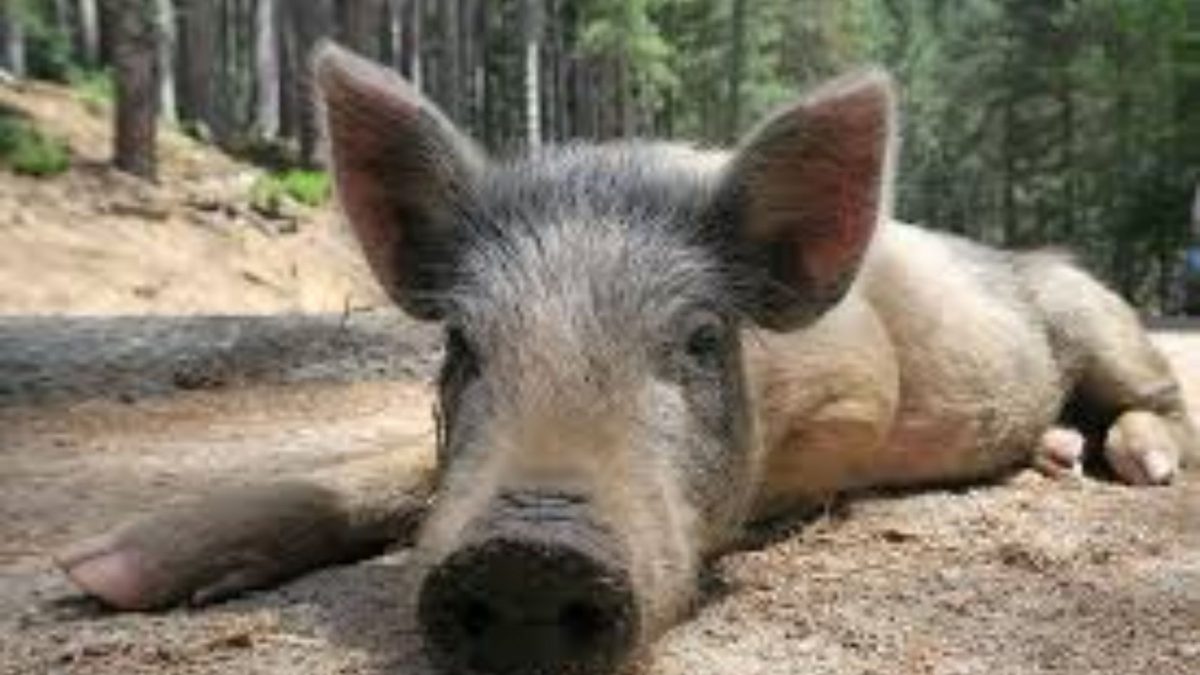
 "Representational image (Pixabay)")
Imagine going on a hunt, cutting open a wild pig, and finding its flesh and fat glowing a shocking “slushie-blue.” That’s exactly what happened recently in parts of California, and wildlife officials are calling it a red flag.
What’s going on?
Hunters in Monterey County first raised the alarm when several feral hogs they’d hunted showed vividly neon-blue tissue—in muscles, fat and even some organs.
Lab tests by the California Department of Fish and Wildlife (CDFW) confirmed the culprit: a rodenticide poison called Diphacinone. This rat-poison bait is normally dyed bright blue, so if it works, smaller pests ingest it, and the colour acts as a warning to humans. But evidently, when larger wild pigs break into bait stations or eat already poisoned rodents, the poison and dye build up in their bodies, resulting in freakish blue flesh.
Why it matters
The blue glow isn’t just outlandish. It’s dangerous. Diphacinone is an anticoagulant: it can cause serious internal bleeding, and cooking contaminated meat does not neutralise the toxin. If someone eats such meat, they could face severe health problems.
What’s worse, this isn’t limited to pigs. Any wild animal—deer, bears, birds, even scavengers—might accidentally ingest the poison. The effect can ripple up the food chain, threatening entire ecosystems.
CDFW has issued a strong public alert: if you come across wild game with unusual blue tissue or fat, don’t eat it, instead, report it.
Officials also note that not all poisoned animals will turn blue. So the lack of colour doesn’t guarantee safety.
Conservationists are calling for stricter controls, safer pest-control strategies, and greater awareness among hunters and communities.