

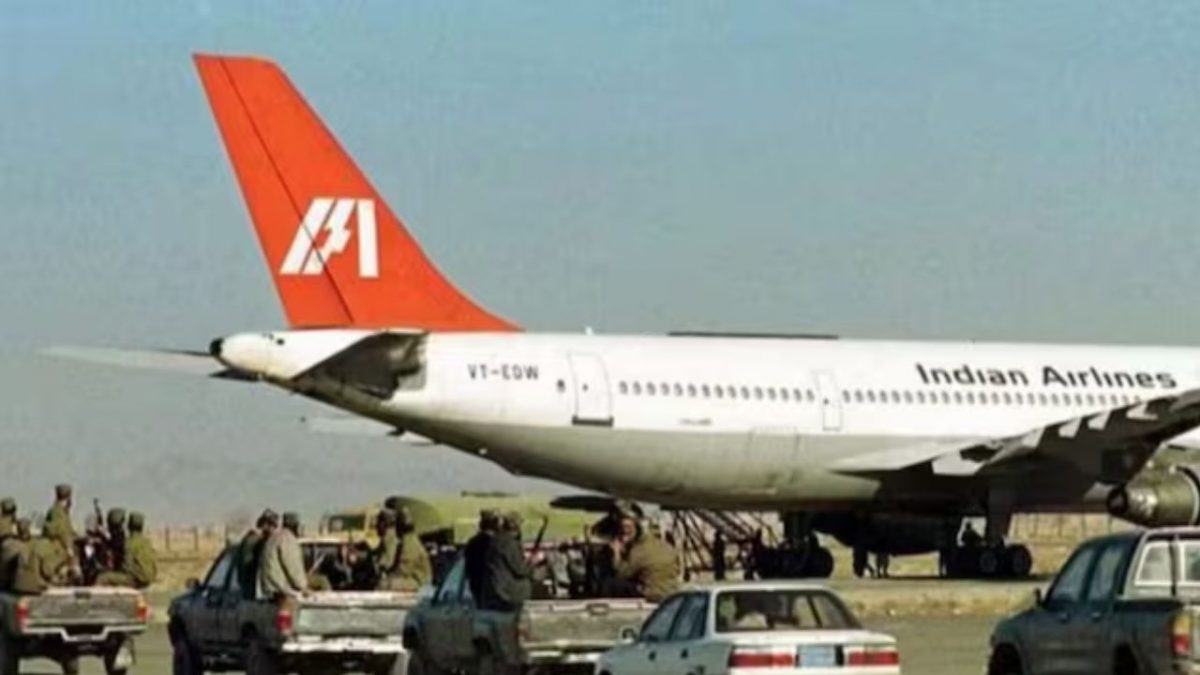
 "When terrorists hijacked Delhi-Mumbai plane and India forced Pakistan Army to do the rescue act")
A normal flight from Delhi to Mumbai took a shocking turn and became a major international problem in just a few hours. On September 10, 1976, a plane belonging to Indian Airlines, carrying 83 people, became the centre of an unbelievable hijacking. This scary situation didn’t end in India; it ended across the border in Pakistan.
The aeroplane had taken off from Delhi’s main airport and was flying smoothly towards its destination, Mumbai. Everything seemed okay until six men, who were sitting in different spots on the plane, started giving each other secret signals. Suddenly, everything broke loose at the same time.
Two of the men with guns pushed their way into where the pilots were, surprising the captain, BN Reddy, and the co-pilot, RS Yadav. The other men showed their weapons and spread out through the plane. People started yelling about a “hijack,” and everyone on board became very scared.
The hijackers forced the pilots to change their route and fly to Libya. However, they didn’t have enough fuel for that long trip. Captain Reddy calmly explained to the hijackers that they only had enough fuel to either go back to Delhi or land in a nearby city like Jaipur.
The hijackers were still determined not to land in India, so they talked again. Captain Reddy saw a small chance and tried to reason with them. He explained that it was technically impossible to reach North Africa without the correct maps, permission from air traffic control, and, most importantly, more fuel.
Finally, the hijackers changed their minds and told the pilots to fly to Karachi, in Pakistan. During this tense change of direction, the pilots managed to secretly send an emergency message to the people in charge of air traffic in Delhi. This alerted the Indian authorities about the crisis happening in the air.
Impact Shorts
More ShortsWhen the Indian Airlines plane landed in Karachi, it stayed on the ground with Pakistani officials watching it. Many hours passed without any news from the hijackers. Meanwhile, back in New Delhi, the Indian government gave a strong warning: if any of the people on the plane were hurt, Pakistan would be held responsible.
Feeling the pressure, the Pakistani military agreed to help. They came up with a rescue plan that involved tricking the hijackers and acting very carefully. The hijackers felt somewhat safe in Pakistan and became less alert. The Pakistani army offered them food and drinks, which seemed friendly but was part of the plan. The food and drinks had sedatives in them to make them fall asleep.
One by one, the hijackers became unconscious. Once the plane was quiet, Pakistani soldiers quickly went onto the plane and took control. All six hijackers were arrested without anyone firing a shot. They were later identified as terrorists from Kashmir: M Ahsan Rathore, Syed Abdul Hameed Dewani, Abdul Rashid Malik, Syed M Rafiq, Khwaja Ghulam, and Ghulam Rasool.
With the danger gone, the plane was allowed to return to India. On September 11, 1976, the Indian Airlines plane landed safely in Delhi, ending a 24-hour terrifying experience that the passengers would never forget.


 "Russian drones over Poland: Trump’s tepid reaction a wake-up call for Nato?")
 "As Russia pushes east, Ukraine faces mounting pressure to defend its heartland")
 "Why Mossad was not on board with Israel’s strike on Hamas in Qatar")
 "Turkey: Erdogan's police arrest opposition mayor Hasan Mutlu, dozens officials in corruption probe")
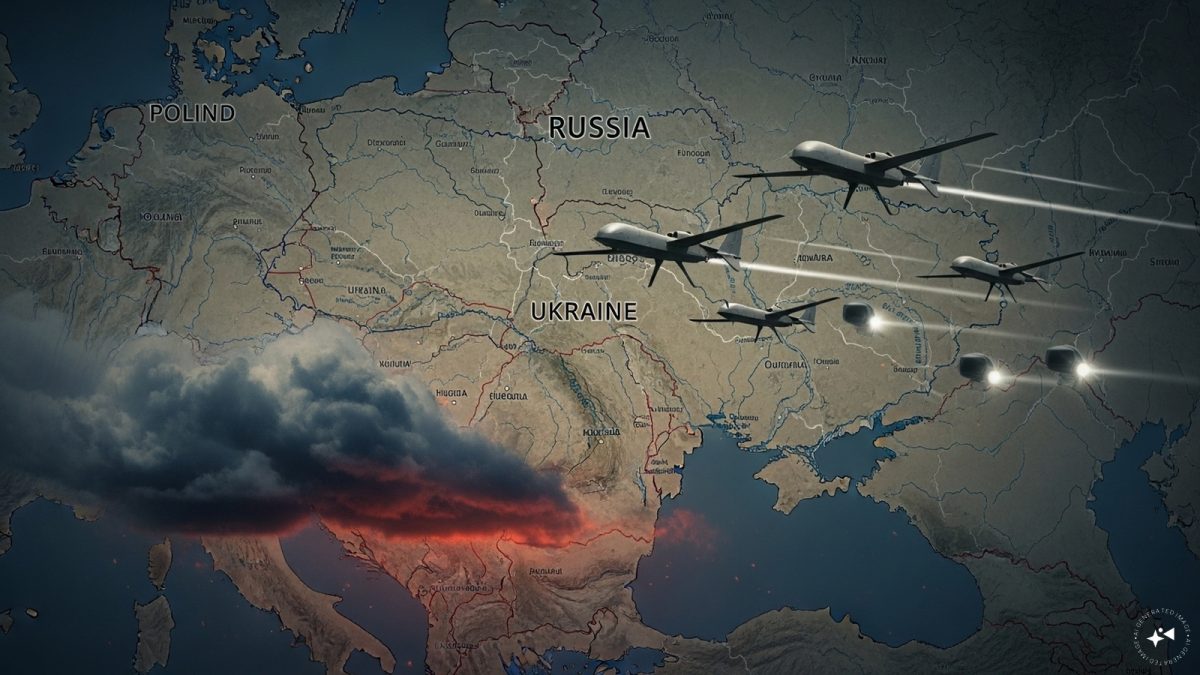 "Russian drones over Poland: Trump’s tepid reaction a wake-up call for Nato?")
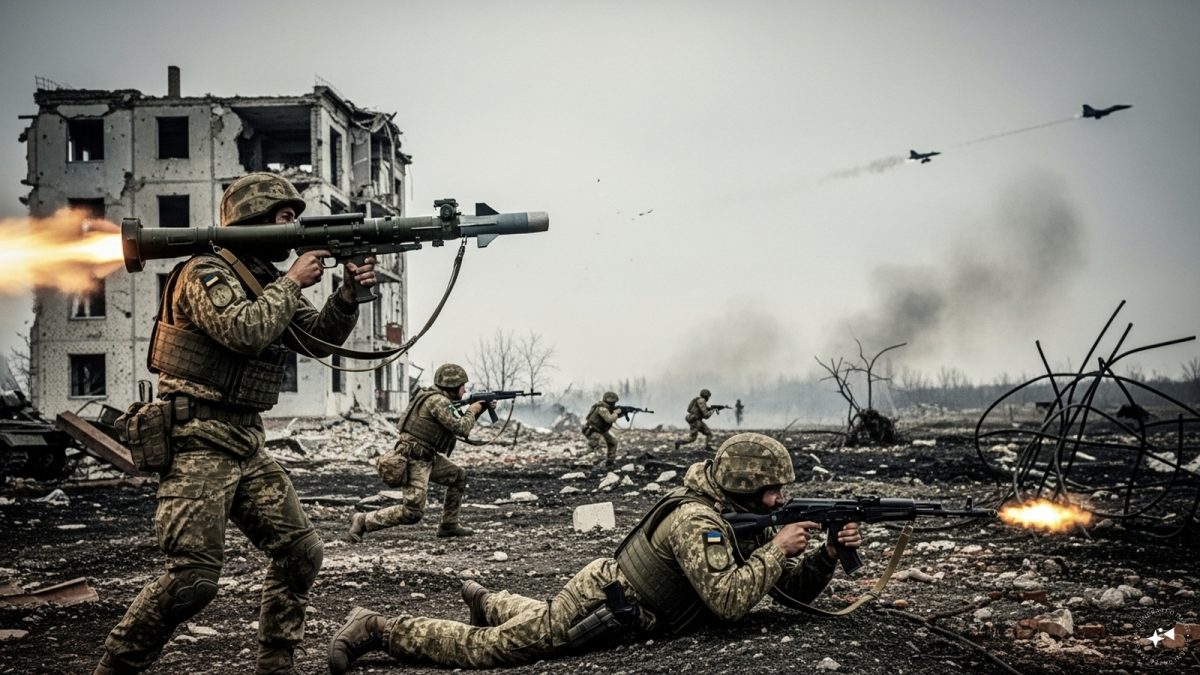 "As Russia pushes east, Ukraine faces mounting pressure to defend its heartland")
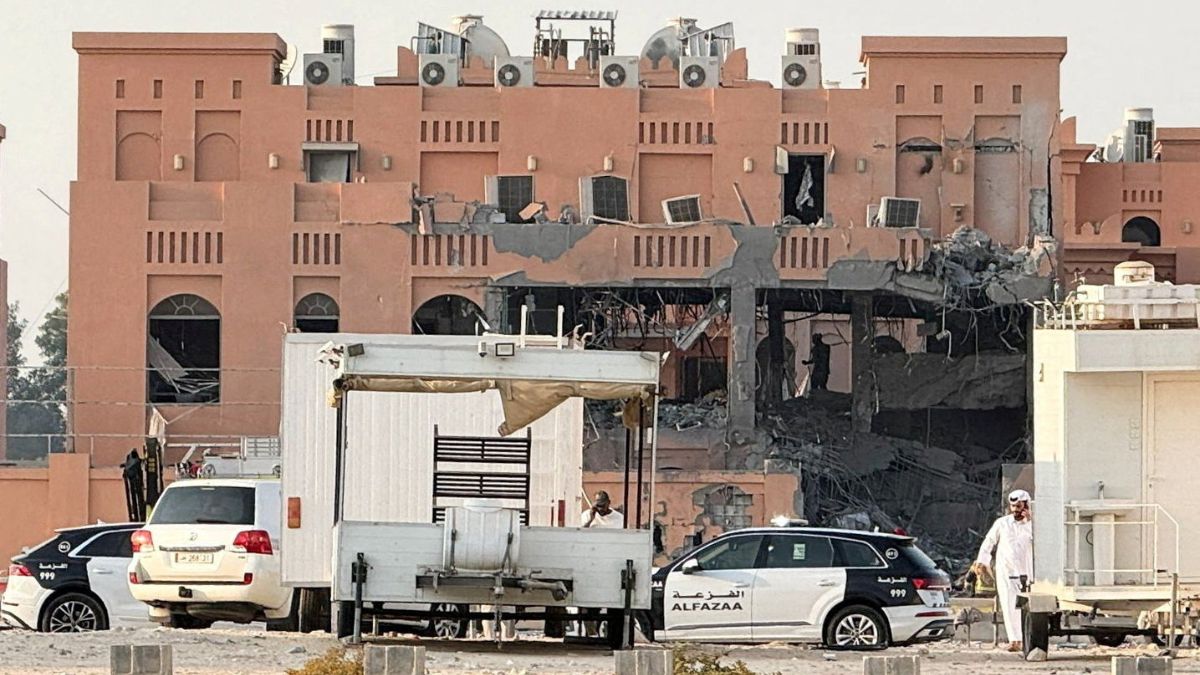 "Why Mossad was not on board with Israel’s strike on Hamas in Qatar")
 "Turkey: Erdogan's police arrest opposition mayor Hasan Mutlu, dozens officials in corruption probe")



