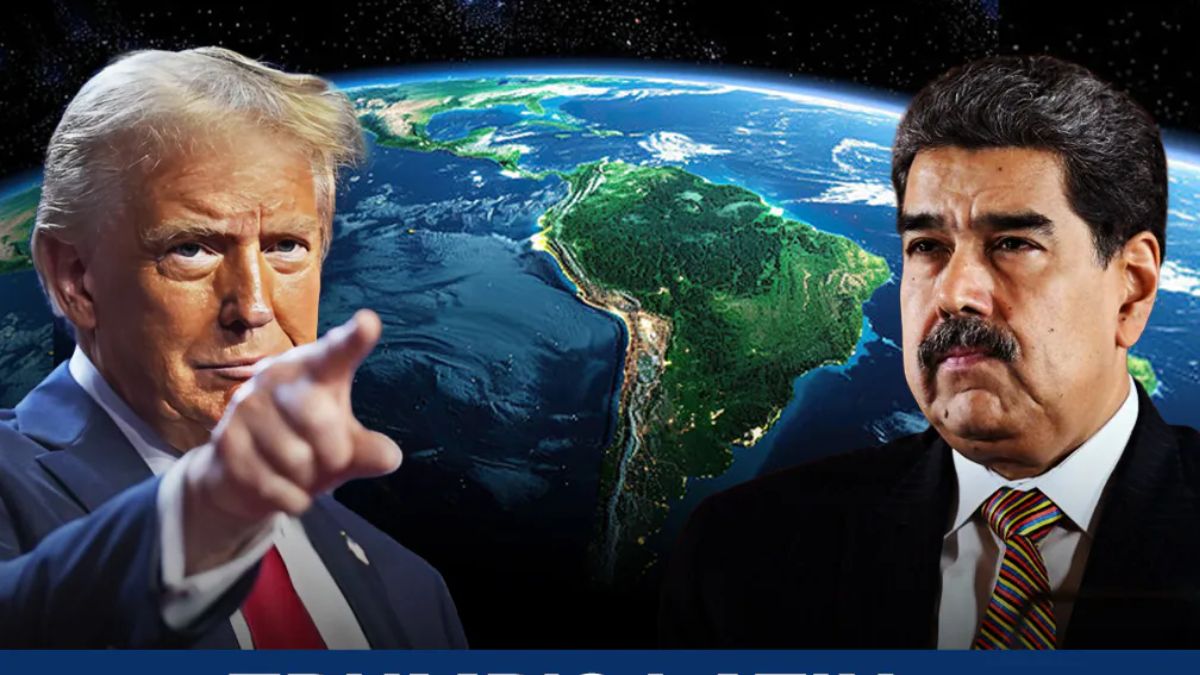
 "Venezuela today, Taiwan tomorrow? Trump’s Maduro move hands China 'cheap ammunition' for Taipei strike, say analysts")
The high-stakes US military assault on Venezuela has sent shockwaves through the global order, providing China with an unexpected geopolitical opening.
Analysts suggest that while President Donald Trump’s pre-dawn capture of Nicolás Maduro in Caracas may not immediately trigger a move on Taiwan but it provides Beijing with “cheap ammunition” to justify its own territorial ambitions including Taiwan, Tibet and islands in the East and South China seas and dismantle Washington’s moral authority
‘Cheap ammunition’ to erode the global order
President Donald Trump’s decision to strike Venezuela and remove Maduro has handed Beijing what analysts describe as “cheap ammunition” to challenge US criticism of China’s actions in Taiwan, the South China Sea and elsewhere. While the US justifies the strikes, dubbed as “Operation Absolute Resolve”, a law enforcement operation against a “narco-state,” Beijing has seized the narrative to brand the action as “naked hegemonic behaviour."
State-run news agency Xinhua argued on Sunday that the “rules-based international order” championed by Washington is actually a “predatory order based on US interests.” And now, experts believe Beijing is expected to leverage this precedent to defend its stance on ‘internal’ issues, including Taiwan, Tibet and claims in the South China Sea.
“Washington’s consistent, long-standing arguments are always that Chinese actions violate international law, but they are now damaging that narrative themselves,” William Yang, an analyst at the International Crisis Group told Reuters. “It’s creating openings for China to push back against the US in the future.”
Quick Reads
View All‘China is not the US, Taiwan is not Venezuela’
Despite the rhetorical firestorm, experts caution against assuming a “domino effect” that leads to an imminent invasion of Taiwan. Just last week, China conducted its most extensive war games to date, encircling Taiwan to demonstrate a total blockade. However, analysts say President Xi Jinping’s timeline remains tethered to domestic stability and military readiness rather than Latin American precedents.
“Taking over Taiwan depends on China’s developing but still insufficient capability rather than what Trump did in a distant continent,” Shi Yinhong, professor of international relations at Renmin University in Beijing was quoted by Reuters as saying.
Neil Thomas, a fellow on Chinese politics at the Asia Society, said China sees Taiwan as an internal affair and so was unlikely to cite US actions against Venezuela as precedent for any cross-strait military strikes.
“Beijing will want a clear contrast with Washington to trumpet its claims to stand for peace, development and moral leadership,” Thomas said. “Xi does not care about Venezuela more than he cares about China. He’ll be hoping that it turns into a quagmire for the United States."
Wang Ting-yu, a senior lawmaker from Taiwan’s ruling party who sits on the parliament’s foreign affairs and defence committee, rejected the idea that China might follow the US example and strike Taiwan.
“China has never lacked hostility toward Taiwan, but it genuinely lacks the feasible means,” Wang posted on Facebook. “China is not the United States, and Taiwan is certainly not Venezuela. If China could actually pull it off, it would have done so long ago!"
Still, the situation amplifies risks for Taiwan and could press Taipei to seek more favour from the Trump administration, some observers said.
A new narrative for future escalation
While an immediate strike is deemed unlikely, the Venezuela operation has fundamentally shifted the “justification” framework. On Chinese social media platforms like Weibo, the attack trended heavily with many users urging Beijing to “learn from” Trump’s decisiveness.
Lev Nachman, a professor at National Taiwan University, warned that the long-term danger lies in the narrative. “What Trump’s actions could do is help Xi Jinping’s narrative in the future to create more justification for action against Taiwan,” he said.
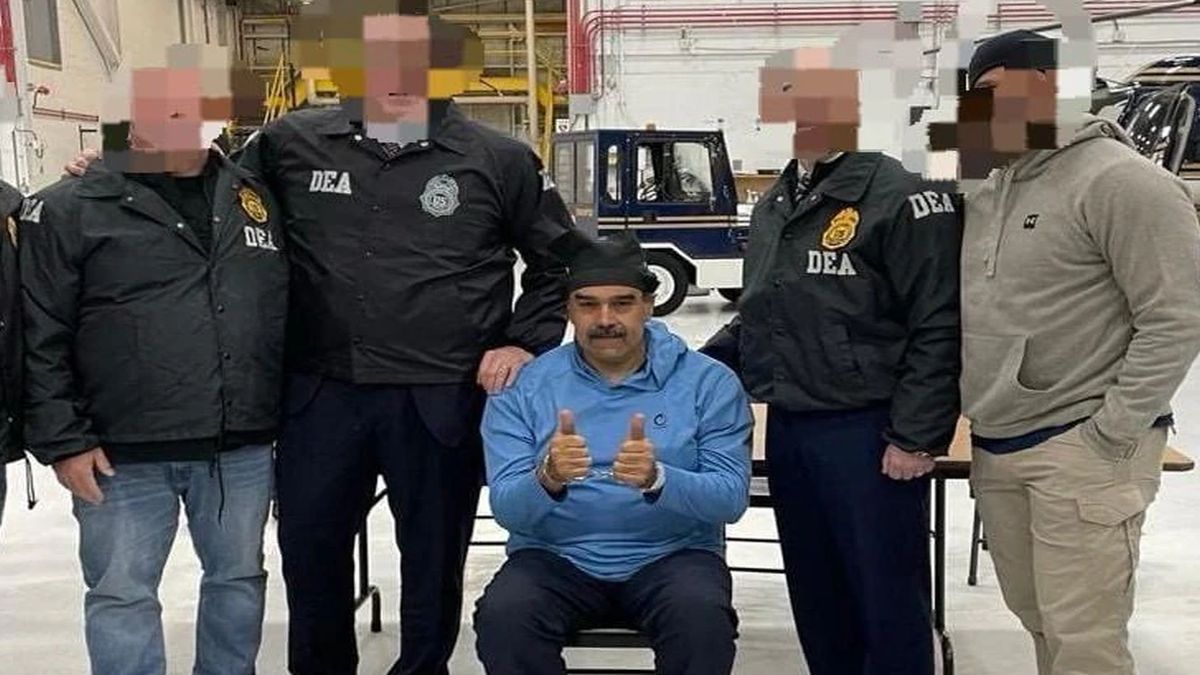
As Maduro awaits trial in New York and Trump vows that US companies will be “very strongly involved” in Venezuela’s oil industry, Beijing is watching closely. The capture of a leader who met with a high-level Chinese delegation just hours before his fall serves as a stark reminder of the risks to China’s global investments and a potential blueprint for how it may eventually choose to settle its own “internal” accounts.

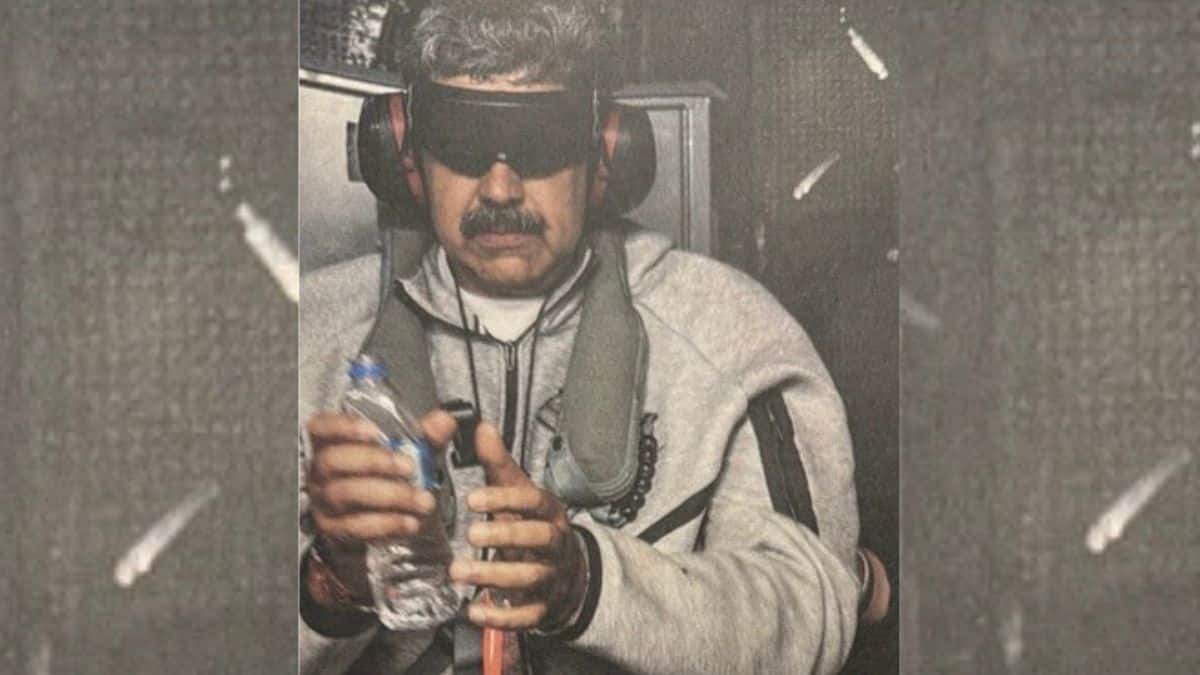
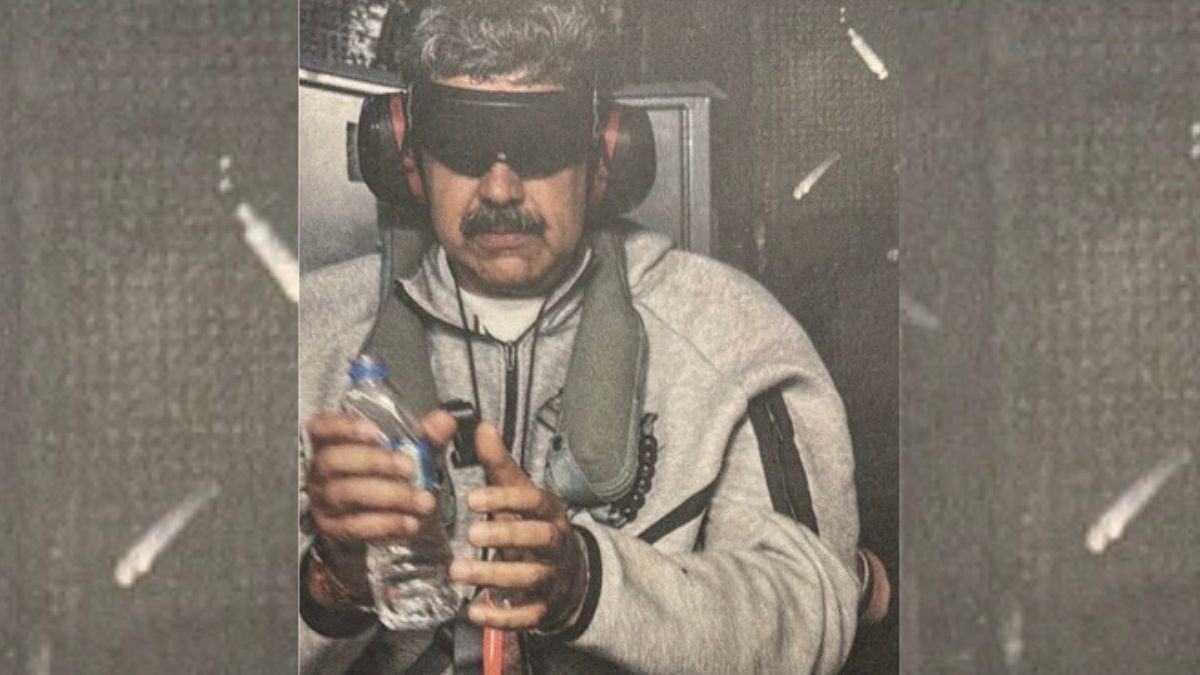 "Venezuela-US tensions LIVE: Maduro in New York jail; North Korea calls US action ‘high-handed’, China seeks immediate release")
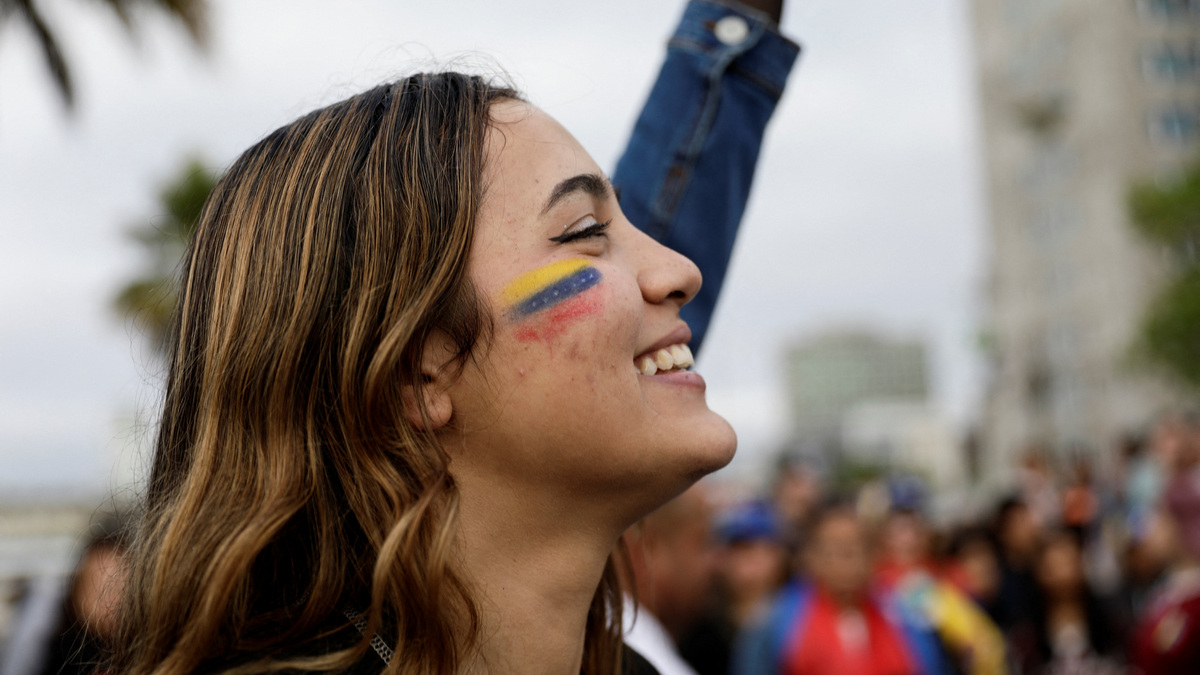 "What comes next for Venezuela after Nicolas Maduro’s capture?")
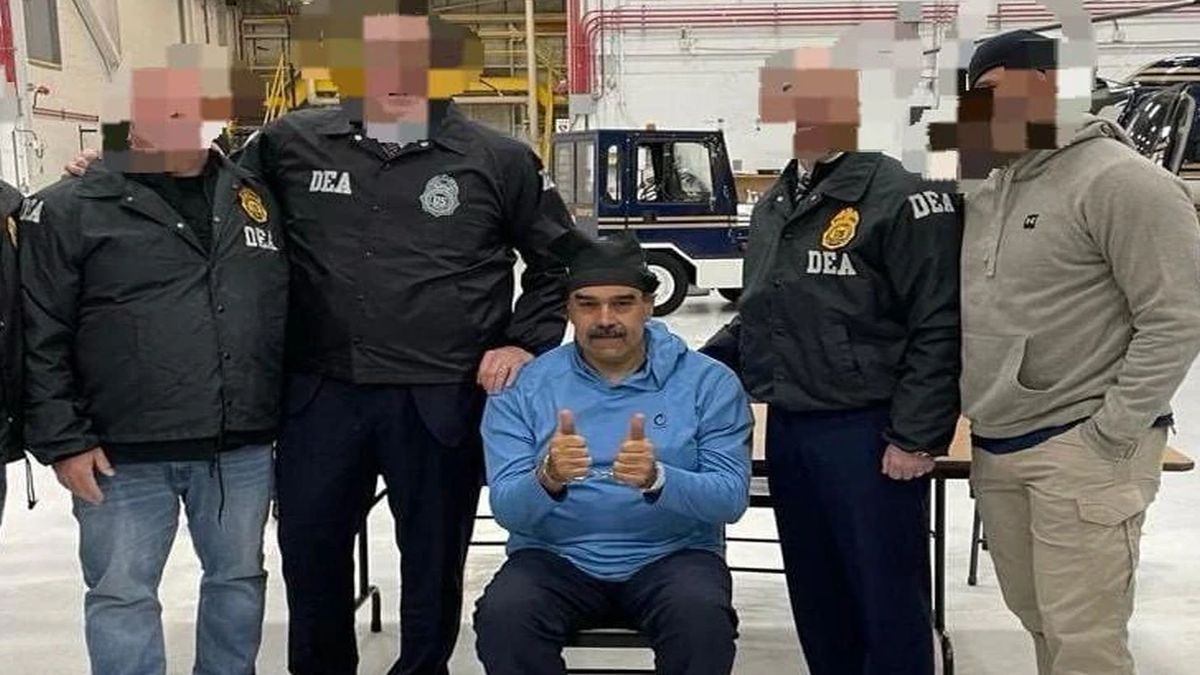 "'Deep concern': India closely monitoring Venezuela situation after Maduro’s capture, says MEA")
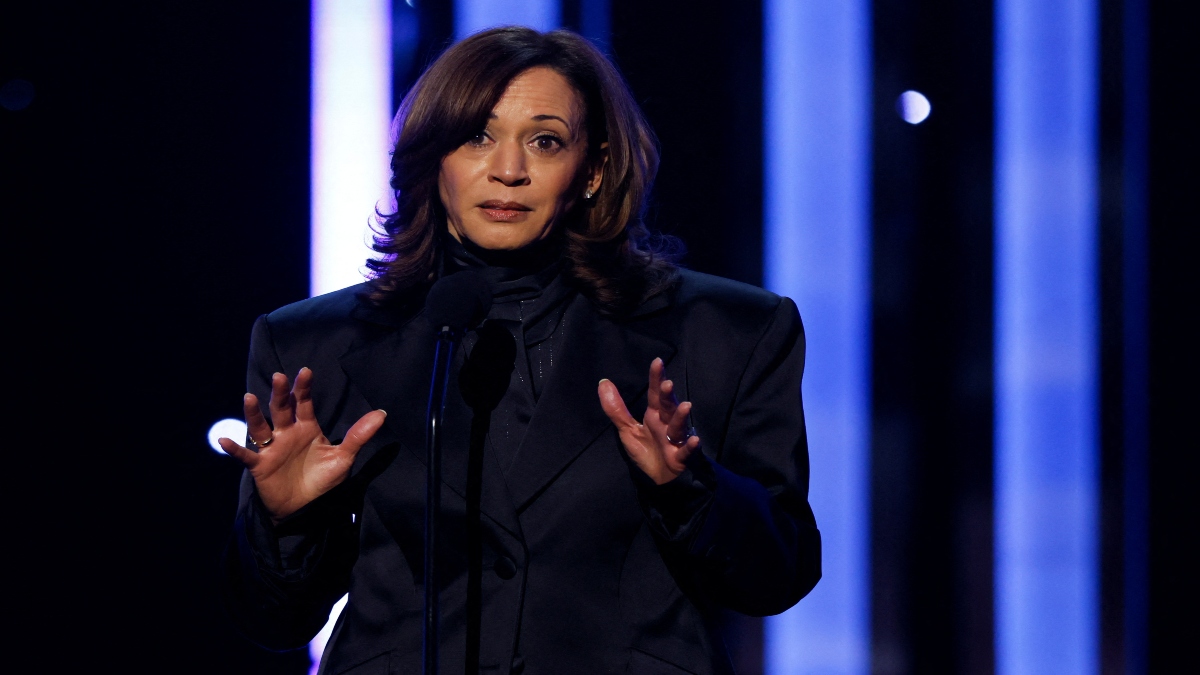
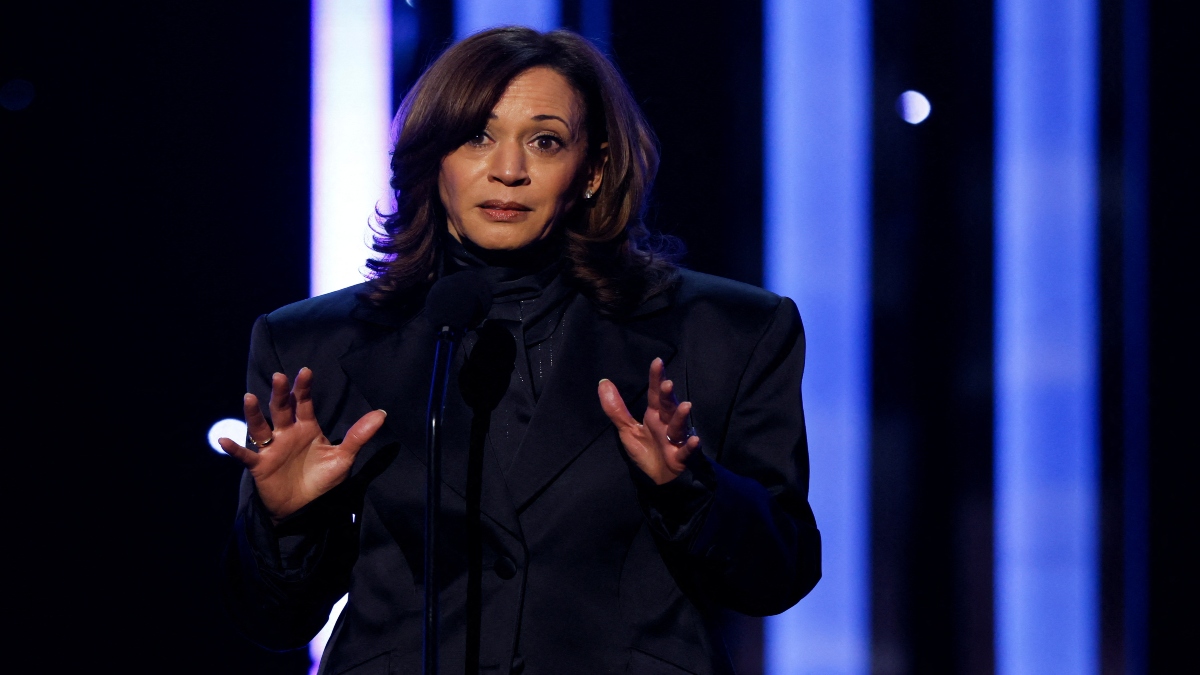 "'Unlawful, unwise': Maduro's capture is about oil, not drugs or democracy, says Kamala Harris")
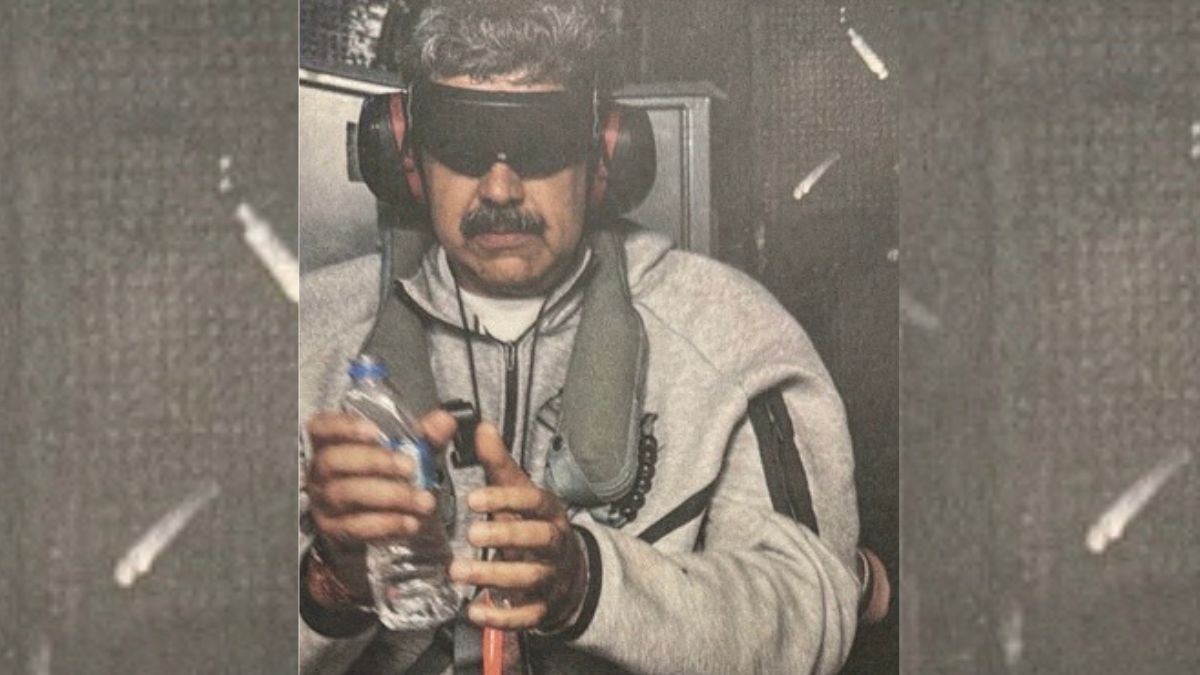 "Venezuela-US tensions LIVE: Maduro in New York jail; North Korea calls US action ‘high-handed’, China seeks immediate release")
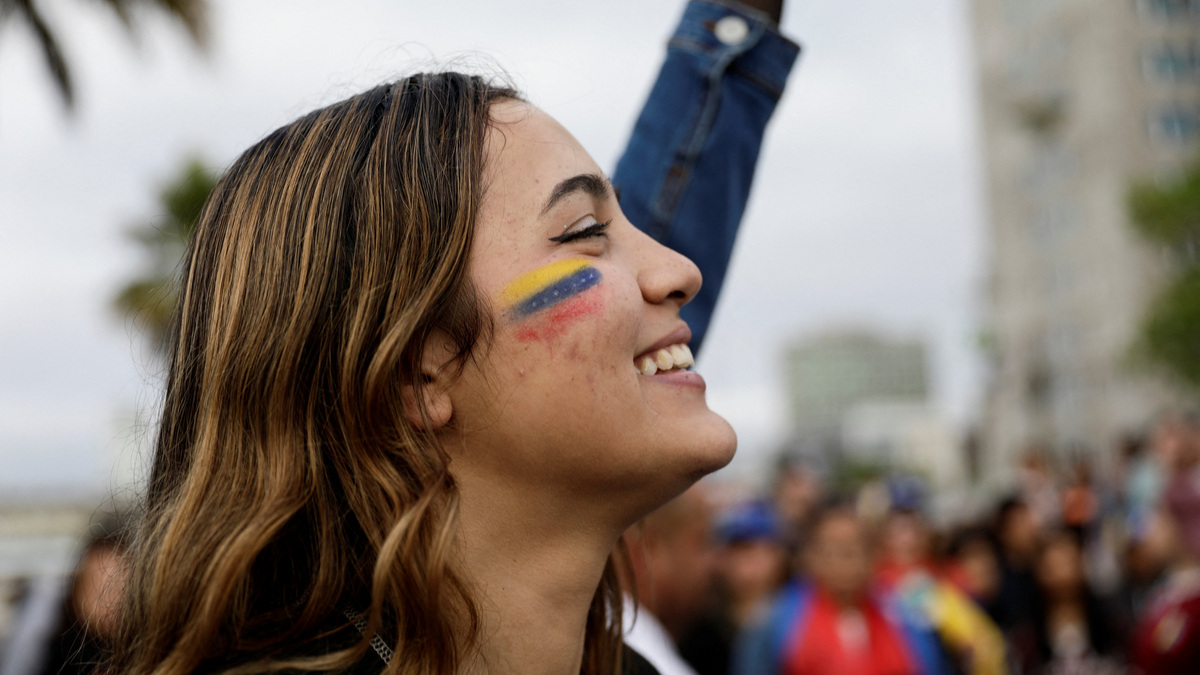 "What comes next for Venezuela after Nicolas Maduro’s capture?")
 "'Deep concern': India closely monitoring Venezuela situation after Maduro’s capture, says MEA")
 "'Unlawful, unwise': Maduro's capture is about oil, not drugs or democracy, says Kamala Harris")