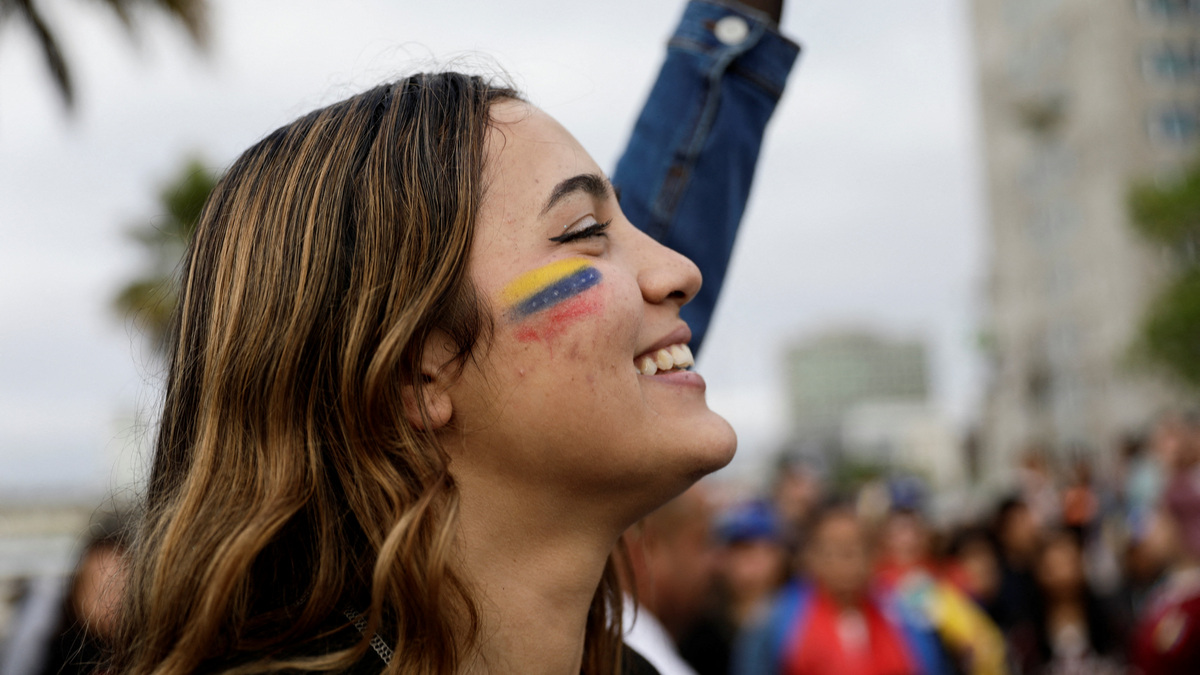
 "What comes next for Venezuela after Nicolas Maduro’s capture?")
Nicolas Maduro is no longer leading Venezuela.
Maduro, the former long-time dictator of Venezuela, has been toppled by the Trump administration in a daring midnight raid on Caracas by the US’ elite Delta Forces. Maduro and his wife, Cilia Flores, have now been taken to the United States, where they are awaiting trial on drug, terrorism and weapons charges.
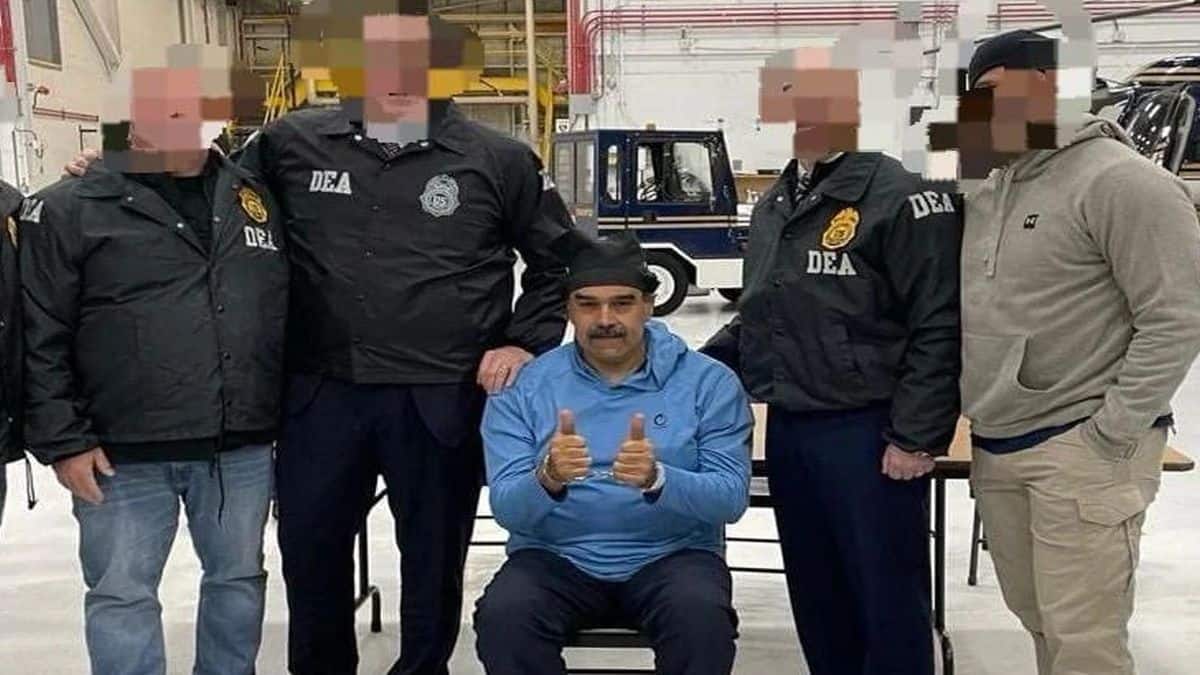
Images released by US authorities showed the leader handcuffed and blindfolded, and later being led down a hallway at the offices of the U.S. Drug Enforcement Administration, where he was heard wishing a “Happy New Year”. Indicted on various federal charges, including narco-terrorism conspiracy, Maduro is expected to make an initial appearance in Manhattan federal court on Monday, according to a Justice Department official.
But what happens to Venezuela now?
Let’s take a closer look.
Who is in charge in Venezuela?
That’s what everyone is wondering. While the Trump administration has removed Maduro, his regime — including Interior Minister Diosdado Cabello and Defence Minister Vladimir Padrino Lopez — remains in power.
Trump has claimed the United States will be running Venezuela. “We will run the country until such time as we can do a safe, proper and judicious transition,” Trump said at a press conference. “We can’t take a chance that someone else takes over Venezuela who doesn’t have the interests of Venezuelans in mind.”
Trump has said he is open to sending US forces into Venezuela. “We’re not afraid of boots on the ground,” he said. However, there are no US troops on the ground as of now, which raises questions as to how much control the US will have or how it will maintain law and order if things spiral out of control.
The country’s Supreme Court has ordered Vice-President Delcy Rodríguez to take the role of acting president in Maduro’s absence. The court ruling said that Rodríguez would assume “the office of President of the Bolivarian Republic of Venezuela, in order to guarantee administrative continuity and the comprehensive defence of the Nation”.
The ruling added that the court will debate the matter in order to “determine the applicable legal framework to guarantee the continuity of the State, the administration of government, and the defence of sovereignty in the face of the forced absence of the President of the Republic”.
Adding to the confusion, Trump claimed that Rodríguez has been sworn in after Maduro’s arrest and that she had spoken with US Secretary of State Marco Rubio. While Trump said that US Secretary of State Marco Rubio and Defence Secretary Pete Hegseth would be running Venezuela until it is back on its feet after a transition, no one seems to have told the Venezuelan government. Caracas does not seem eager to comply with the Trump administration’s demands with Rodríguez. There are also reports that Rodríguez is currently in Russia.
Rodríguez appeared on state TV to demand proof of life for both Maduro and his wife, Flores. Rodríguez, flanked by her brother, the head of the National Assembly Jorge Rodríguez, Interior Minister Diosdado Cabello and Defence Minister Vladimir Padrino Lopez, said that Maduro remained Venezuela’s only president.
“We demand the immediate release of President Nicolas Maduro and his wife, Cilia Flores,” Rodríguez said, referring to Maduro as “the only president of Venezuela”. The joint appearance indicated the group that shared power with Maduro is staying united — for now.
However, some have speculated that the ease with which Maduro and his wife were captured hints that Maduro may have been betrayed by some high-ranking insiders. Speculation is rife that some in the inner circle may have sought the $50 million reward the US put up for Maduro’s capture, or simply that they sought to negotiate an exit for themselves.
It remains to be seen if the Trump administration will lean on Venezuela to hold elections. Some speculate that the a dministration is attempting to use Rodríguez to transition to a more democratic set-up.
Where is the Venezuelan Opposition?
Trump only briefly mentioned the Venezuelan Opposition, which one would think would be key to holding the country together if the US administration was after regime change. Trump dismissed any notion of working with opposition leader Maria Corina Machado.
Machado is widely viewed as the country’s most credible and high-profile Opposition leader. Though Machado was awarded the Nobel Peace Prize last year, she had urged the Trump administration to invade Venezuela.
Trump said the US has not been in contact with Machado. “She doesn’t have the support within or the respect within the country,” he said. After Machado was barred from running in Venezuela’s 2024 elections, international observers say her stand-in candidate won the vote in a landslide, despite Maduro’s government claiming victory.
In Venezuela, the streets were mostly calm on Saturday. Soldiers patrolled some parts, and small pro-Maduro crowds gathered in Caracas. Others expressed relief. “I’m happy. I doubted for a moment that it was happening because it’s like a movie,” said merchant Carolina Pimentel, 37, in the city of Maracay.
However, things could change if the US decides to put troops on the ground. Some say the risk of doing so could spark an insurgency similar to what the US had to deal with in Iraq and Afghanistan.
Trump’s rhetoric about Venezuelan oil paying for the operation also brings to mind similar arguments that neo-conservatives put forth prior to the invasion of Iraq in 2003. In the run-up to the invasion, US officials repeatedly stated that the cost would largely be covered by Iraq’s assets, including its oil. Various estimates by academics say the actual cost to the United States of its years-long entanglement in Iraq ended up being at least $2 trillion.
What happens to Venezuela’s oil?
Maduro, prior to the operation, had accused America of trying to steal the country’s oil, which it had nationalised.
Venezuela has around 303 billion barrels’ worth of crude, which comprises close to 20 per cent of the world’s oil resources, according to the US Energy Information Administration.
“The oil business in Venezuela has been a bust, a total bust for a long period of time,” Trump said. “We’re going to have our very large United States oil companies, the biggest anywhere in the world, go in, spend billions of dollars, fix the badly broken infrastructure — the oil infrastructure — and start making money for the country.”
But Venezuela would first have to reform its laws to allow for larger investment by foreign oil companies. Output has plummeted over the past decades amid mismanagement and a lack of investment from foreign firms after Venezuela nationalised oil operations in the 2000s that included the assets of Exxon Mobil and ConocoPhillips. Venezuelan oil infrastructure is said to have decayed and could take years to get back on track.
Even if America were to privatise the oil and invite players like Chevron and Halliburton in, experts say it could take years for oil from Caracas to start flowing. “If Trump et al can produce a peaceful transition with little resistance, then in five to seven years there is a significant oil-production ramp-up as infrastructure is repaired and investments get sorted out,” Thomas O’Donnell, an energy and geopolitical strategist, said.
But that would depend on everything going right — and there is a lot that could go wrong.
American companies would also be mindful about the security of their employees. American firms will not return until they know for sure they will be paid and will have at least a minimal amount of security, said Mark Christian, director of business development at CHRIS Well Consulting. He also said the companies would not go back until sanctions against the country are removed.
“A botched political transition that has a feeling of US dominance can lead to years of resistance,” O’Donnell said, noting armed groups of citizens and guerrilla groups that operate in the country.
With inputs from agencies

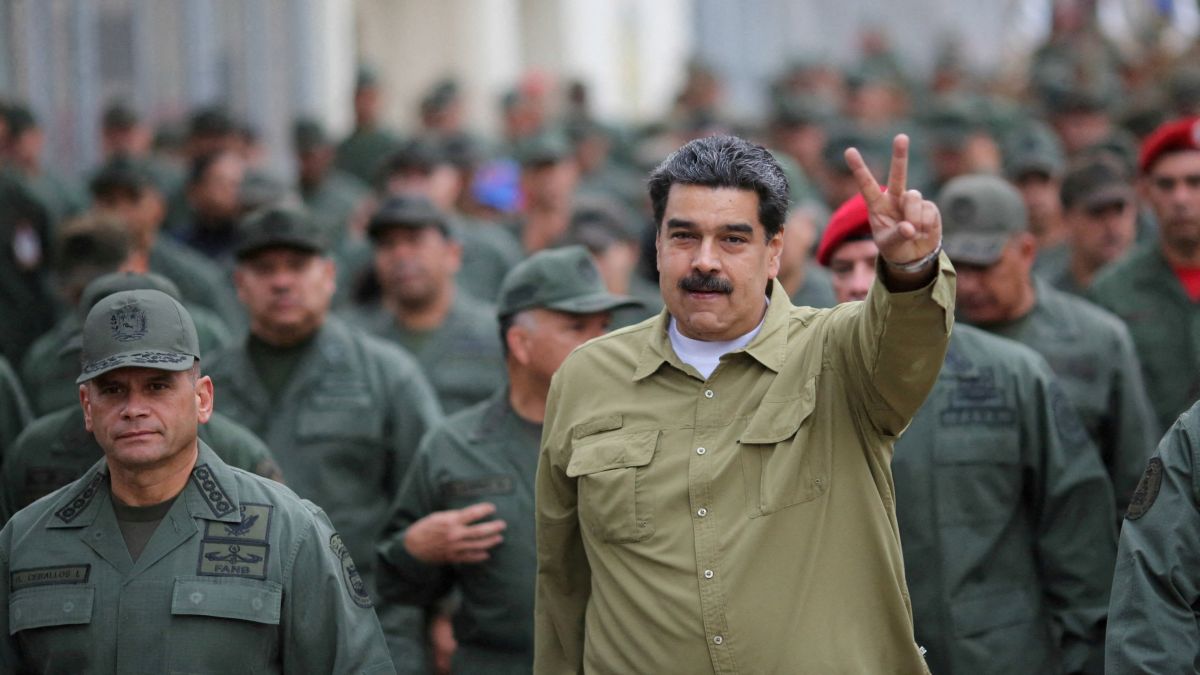 "Venezuela-US tensions LIVE: Maduro held in New York jail; North Korea calls US actions ‘high-handed’, China urges immediate release")
 "'Deep concern': India closely monitoring Venezuela situation after Maduro’s capture, says MEA")
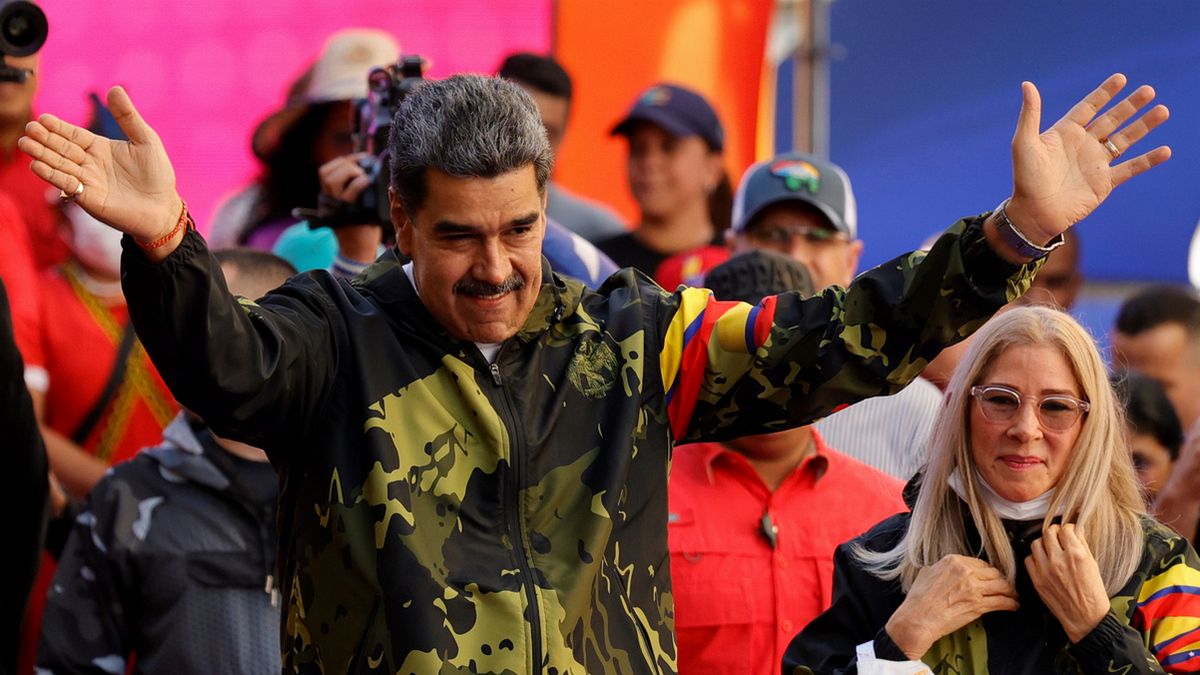 "Who is Cilia Flores, Nicolas Maduro’s wife also captured by US?")
 "'We're aware': US military says North Korea's latest missile test not an 'immediate' threat")
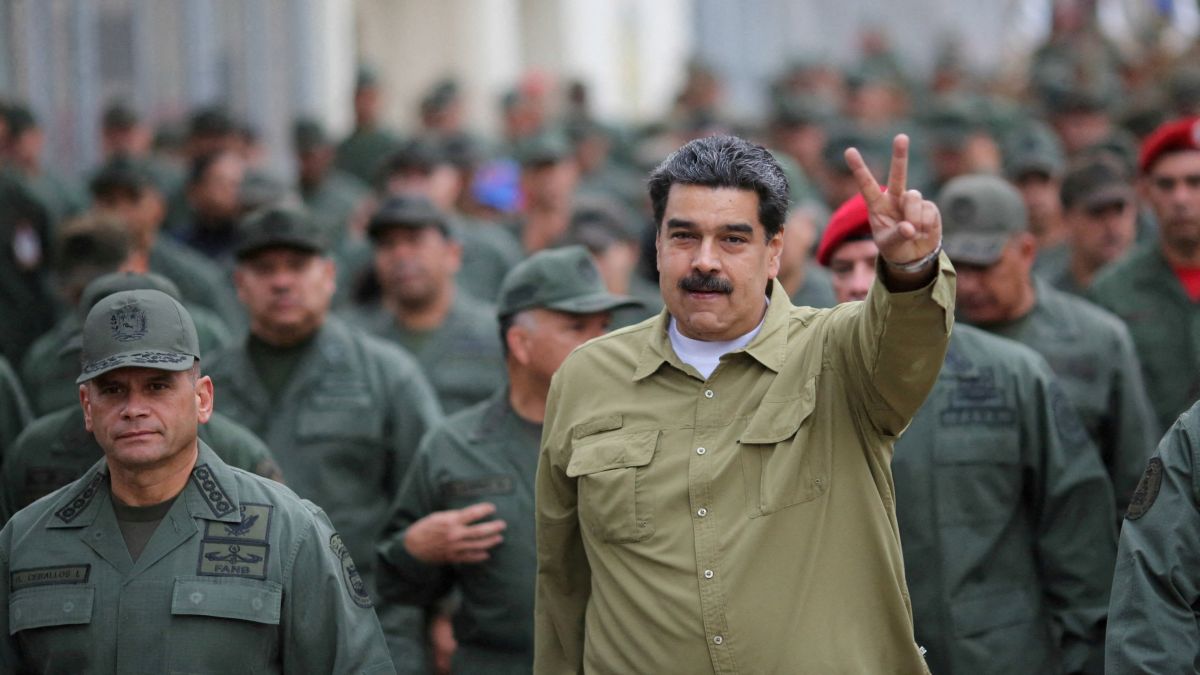 "Venezuela-US tensions LIVE: Maduro held in New York jail; North Korea calls US actions ‘high-handed’, China urges immediate release")
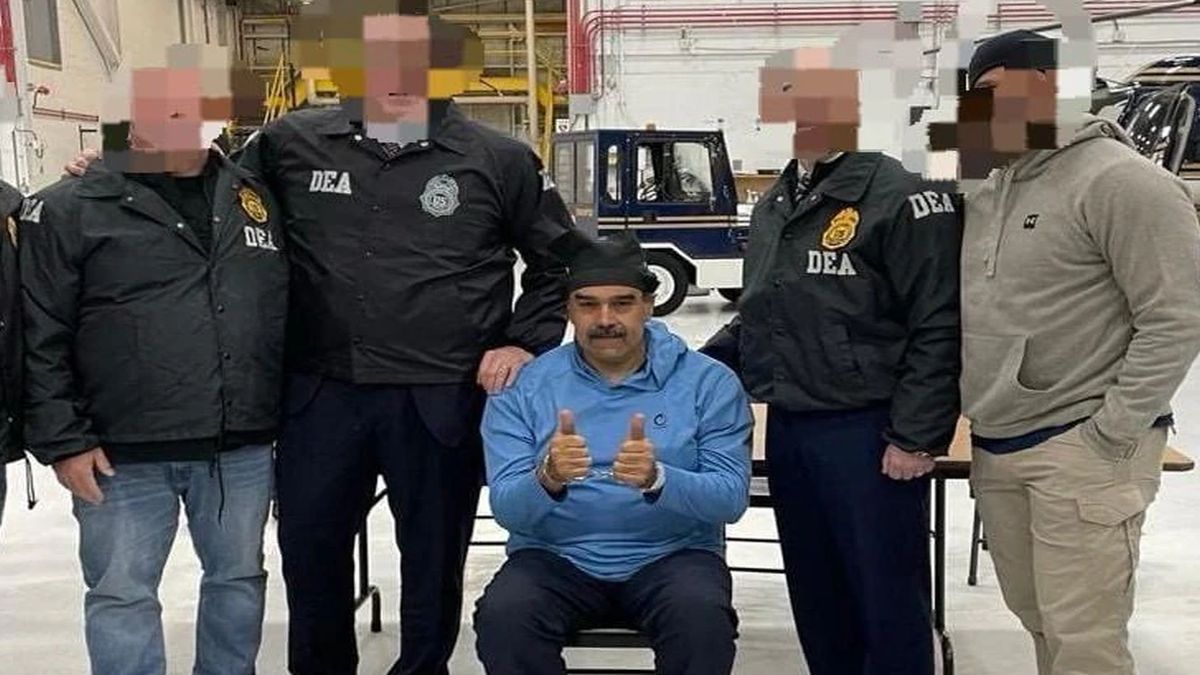 "'Deep concern': India closely monitoring Venezuela situation after Maduro’s capture, says MEA")
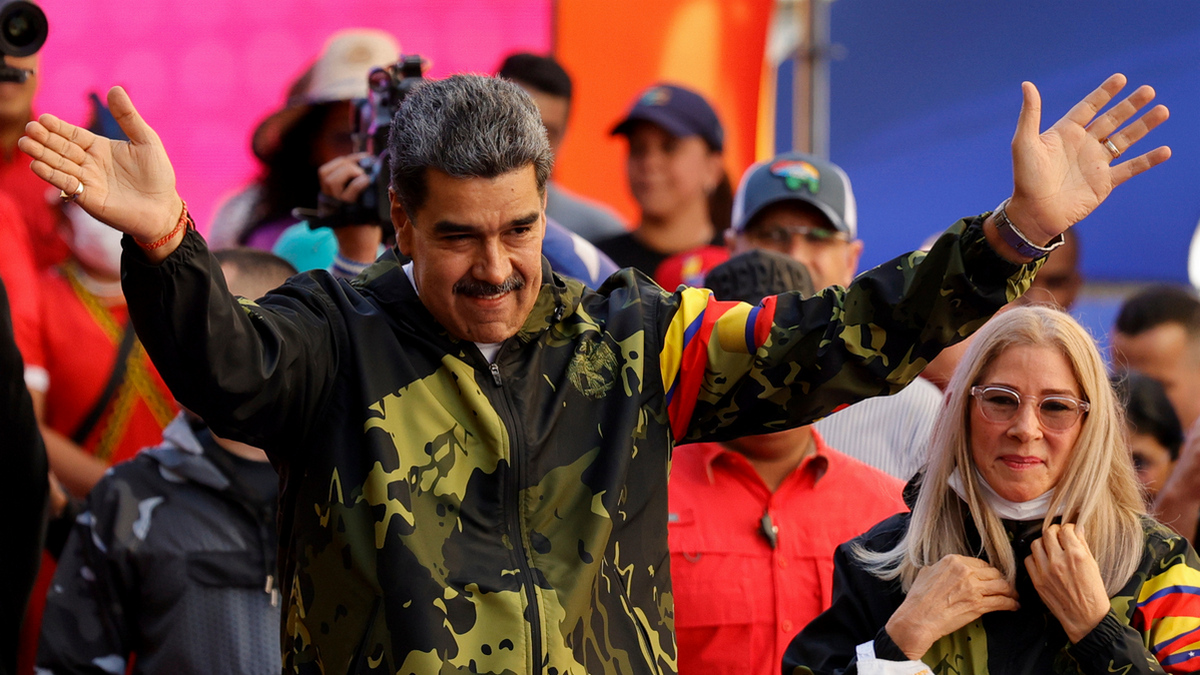 "Who is Cilia Flores, Nicolas Maduro’s wife also captured by US?")
 "'We're aware': US military says North Korea's latest missile test not an 'immediate' threat")