

 "US, Japan may back Philippine freight railway project amid shift from Chinese funding")
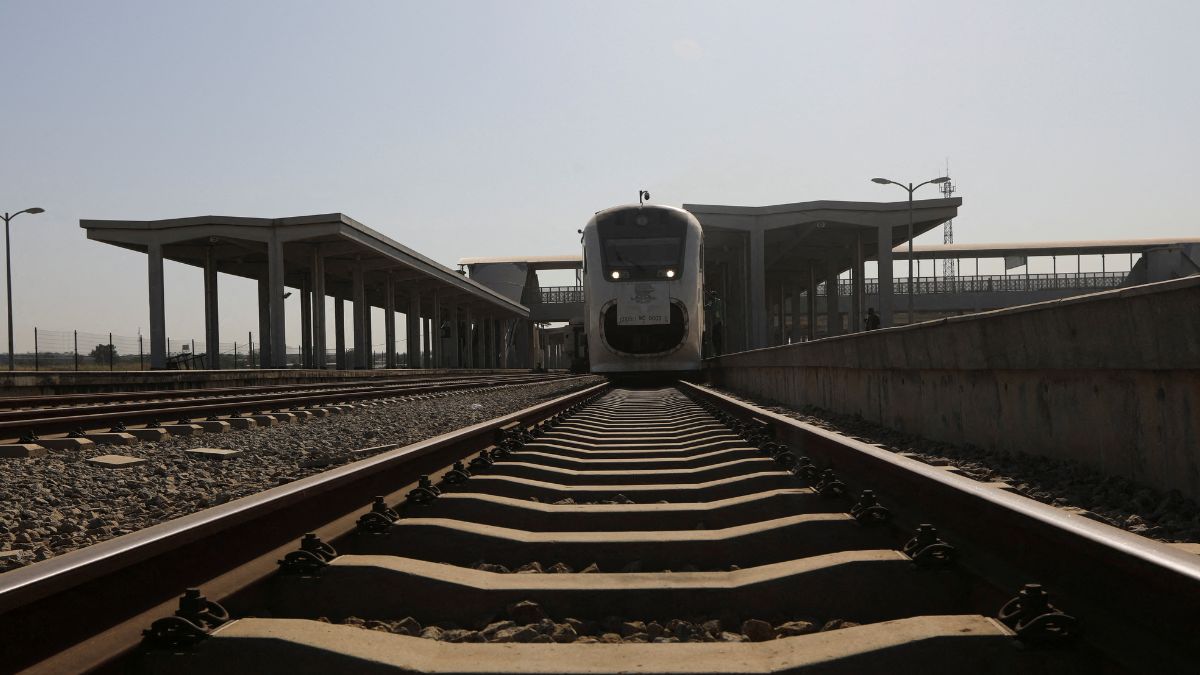
A Philippine freight railway initiative could receive support from the United States and Japan, according to an official overseeing the project. Manila is exploring alternative financing arrangements after discontinuing funding negotiations with China.
The proposed 50-billion-peso ($868 million) Subic-Clark railway, designed to connect former US military bases now serving as commercial hubs, is being presented as a component of the Luzon Economic Corridor.
As per reports, this corridor aims to demonstrate economic collaboration among the US, Japan, and the Philippines, a concept developed during the inaugural trilateral summit held last week at the White House.
Last year, the Philippines announced the cessation of Chinese loans for three projects, including the 71-kilometer Subic-Clark railway, citing a lack of progress from China’s side. This decision coincided with deteriorating relations between the Philippines and China over conflicting maritime claims in the South China Sea.
During the April 11 meeting, US President Joe Biden, Japanese Prime Minister Fumio Kishida, and Philippine President Ferdinand Marcos Jr. launched the Luzon Economic Corridor. A trilateral event aimed at promoting investment in the project is scheduled at the US-led Indo-Pacific Business Forum in Manila in May.
The Philippines aims to attract approximately $100 billion in investments over the next five to ten years following the Washington summit.
The Subic-Clark railway project seeks to enhance connectivity between Subic Bay, Clark, Manila, and Batangas province on Luzon Island, fostering investment in infrastructure such as railways, ports, clean energy, semiconductor supply chains, and agribusiness.
Impact Shorts
More Shorts“We have not abandoned the Subic-Clark railway project,” stated Lorenzana, a former defense secretary. He expressed preference for US and Japanese involvement in the project but also mentioned South Korea and other friendly countries as potential partners. The government is also considering seeking funding from the World Bank and Asian Development Bank.
Other projects under consideration for inclusion in the Luzon Economic Corridor include the construction of Clark International Airport’s second runway and the development of a 64-hectare Clark National Food Terminal hub.
These initiatives aim to position the Philippines as a leading agricultural resource hub in the region. Subic and Clark are viewed as strategic locations capable of hosting a range of industries, from logistics to manufacturing, owing to their extensive infrastructure and skilled workforce.


 "Russian drones over Poland: Trump’s tepid reaction a wake-up call for Nato?")
 "As Russia pushes east, Ukraine faces mounting pressure to defend its heartland")
 "Why Mossad was not on board with Israel’s strike on Hamas in Qatar")
 "Turkey: Erdogan's police arrest opposition mayor Hasan Mutlu, dozens officials in corruption probe")
 "Russian drones over Poland: Trump’s tepid reaction a wake-up call for Nato?")
 "As Russia pushes east, Ukraine faces mounting pressure to defend its heartland")
 "Why Mossad was not on board with Israel’s strike on Hamas in Qatar")
 "Turkey: Erdogan's police arrest opposition mayor Hasan Mutlu, dozens officials in corruption probe")



