

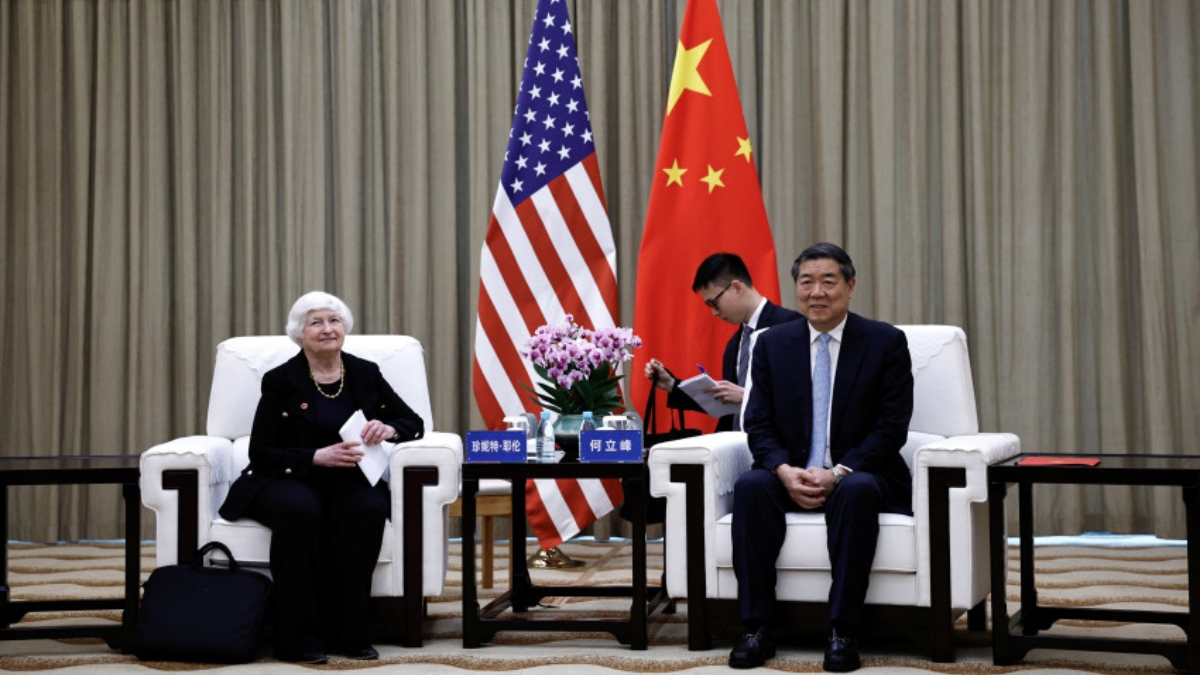
 "5 things the US gained from Treasury Secy Janet Yellen's talks with Chinese Vice Premier He Lifeng")
The United States Treasury Secretary Janet Yellen and Chinese Vice Premier He Lifeng met in China’s southern export hub of Guangzhou. Over the course of her four-day visit to the Asian country, Yellen focused extensively on advancing Washington’s economic interests. Following her meetings with He, the United States seems to have garnered some early benefits. Here are five key gains for the US as a result of these high-level talks:
1. Initiation of economic growth exchanges: The US and China have agreed to launch discussions aimed at fostering balanced economic growth. These exchanges are likely to address some of the US’ concerns about China’s surplus in manufacturing capacities.
2. Addressing money laundering issues: Yellen and He have agreed to establish a forum for cooperation on anti-money laundering within the financial sectors of both countries.
3. Discussion on China’s EV, clean energy sectors: Yellen is understood to have discussed China’s growing exports in the electric vehicles (EV) and clean energy sectors. Although concerns have been conveyed to China and a path for dialogue has been opened, it is unlikely that the issue will be resolved quickly.
4. An effort to limit support to Russia: Yellen warned Chinese firms of “significant consequences” if they provided support to Russia’s war effort with Ukraine. She said that China has emphasised that their policy was not to provide such support. How well this translates on-ground remains to be seen.
Impact Shorts
More Shorts5. Strengthening of bilateral relations: The meetings served to fortify US-China relations, establishing a foundation for ongoing dialogue and cooperation. Through constructive discussions, both nations demonstrated a willingness to address contentious issues, signalling a mutual interest in maintaining a stable and productive relationship.
These gains reflect a significant step forward in addressing the complexities of U.S.-China economic ties, underscoring the importance of dialogue, cooperation, and mutual understanding in navigating global economic challenges.
With inputs from agencies


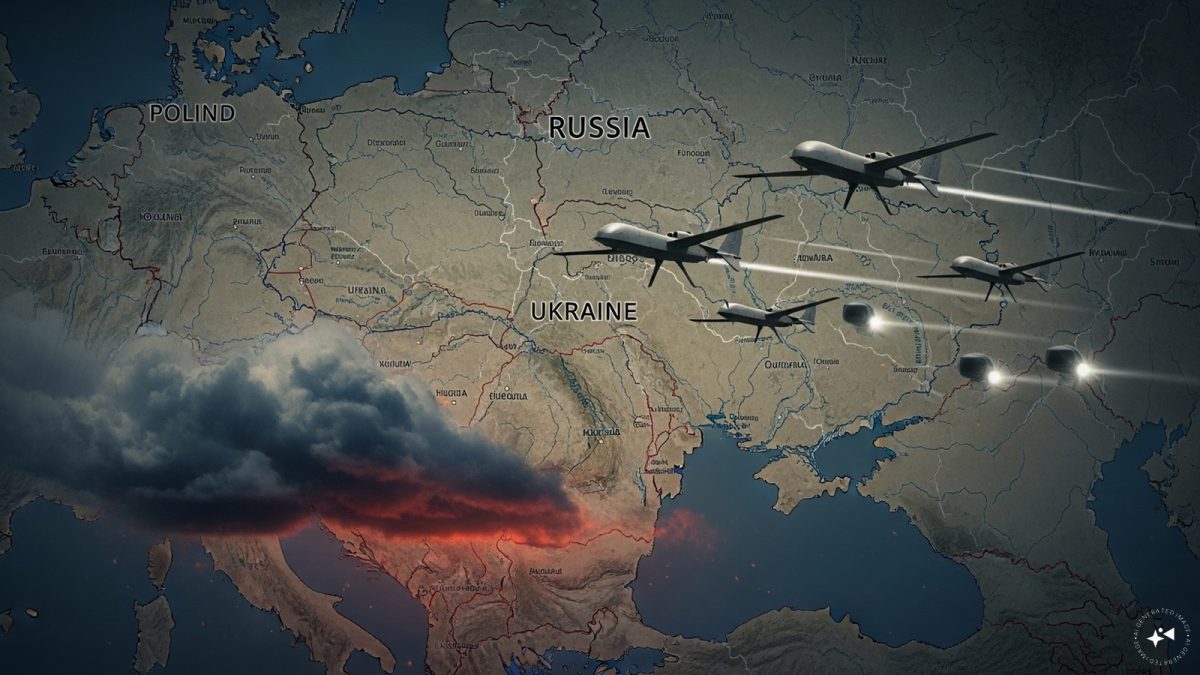 "Russian drones over Poland: Trump’s tepid reaction a wake-up call for Nato?")
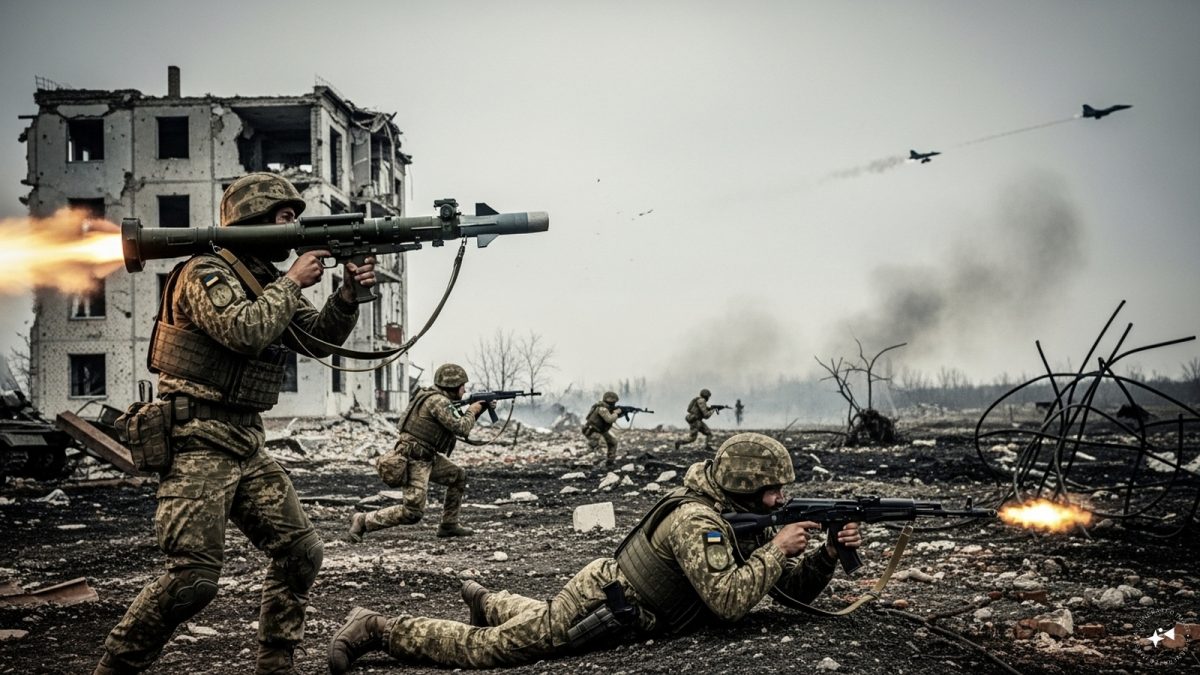 "As Russia pushes east, Ukraine faces mounting pressure to defend its heartland")
 "Why Mossad was not on board with Israel’s strike on Hamas in Qatar")
 "Turkey: Erdogan's police arrest opposition mayor Hasan Mutlu, dozens officials in corruption probe")
 "Russian drones over Poland: Trump’s tepid reaction a wake-up call for Nato?")
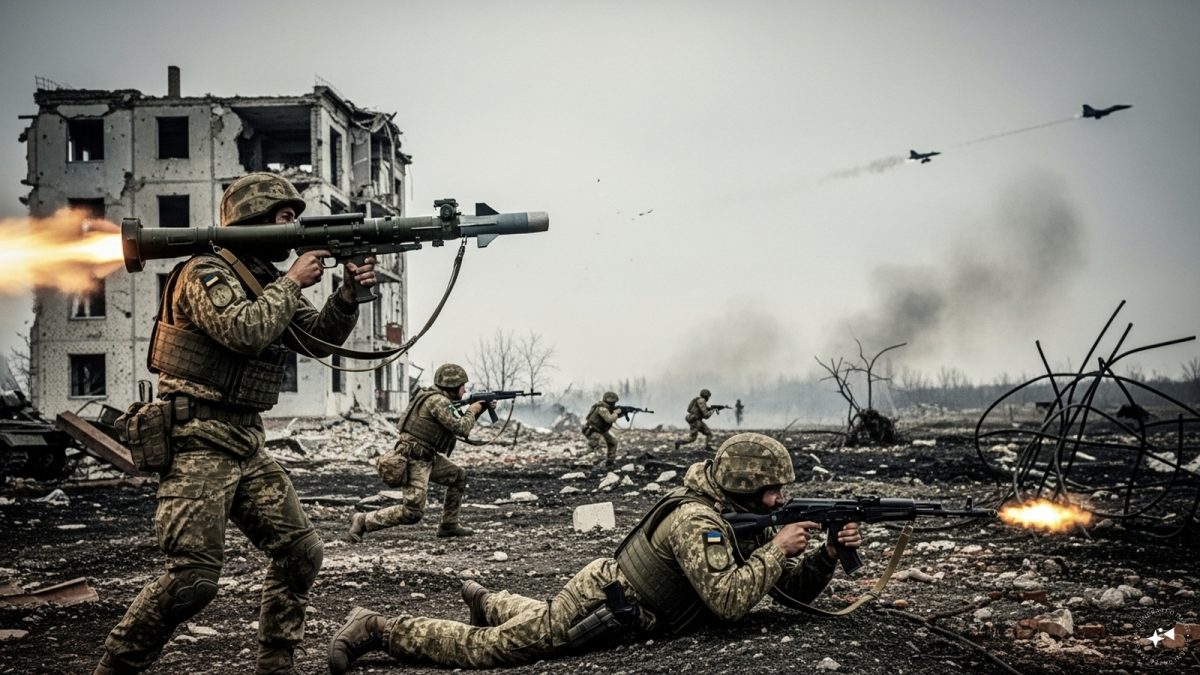 "As Russia pushes east, Ukraine faces mounting pressure to defend its heartland")
 "Why Mossad was not on board with Israel’s strike on Hamas in Qatar")
 "Turkey: Erdogan's police arrest opposition mayor Hasan Mutlu, dozens officials in corruption probe")



