

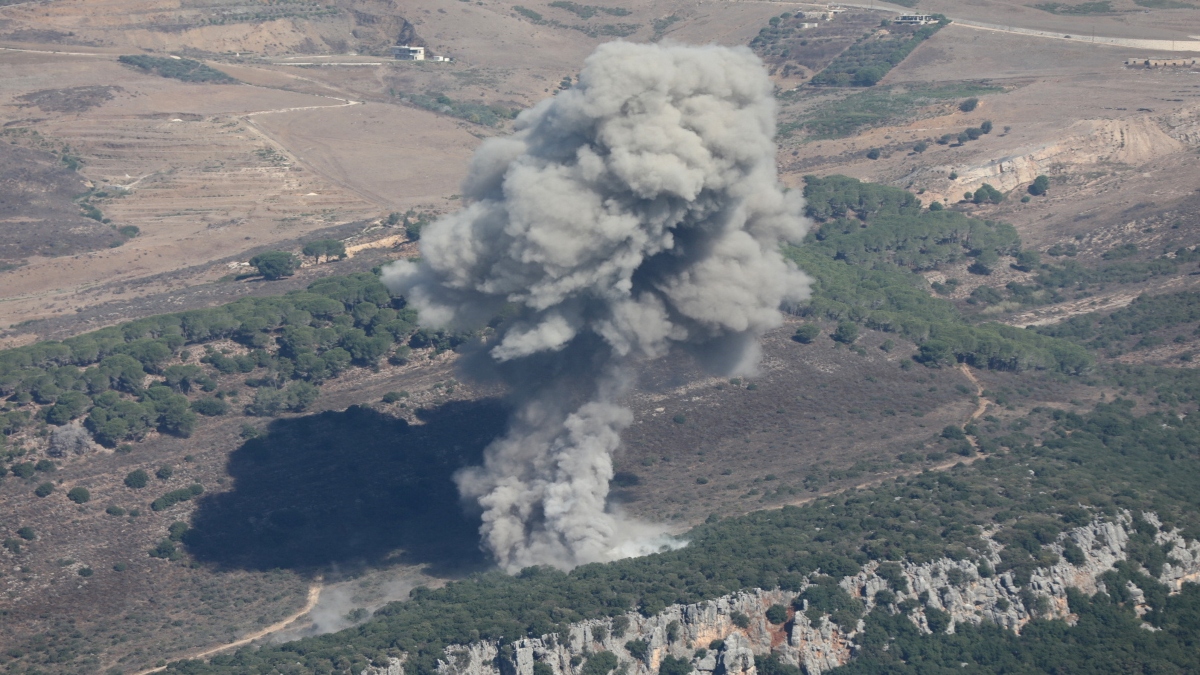
 "US asks diplomats' families to leave Lebanon amid fears of escalation after Hezbollah chief's death")
The US state department has asked the families of diplomats stationed in Lebanon to leave the country.
The travel advisory posted by the US Department of State said that it had ordered the departure of non-mission-employed eligible family members (EFMs) and authorised departure for mission-employed EFMs and non-essential US direct hire (USDH) employees.
The Department said that this has been done due to the “volatile and unpredictable security situation in Beirut.”
Apart from the order to leave, the US Embassy Beirut personnel are restricted from personal travel without advance permission.
The development comes on the heels of Hezbollah and Tel Aviv announcing that the Iran-backed group’s chief, Hassan Nasrallah, was killed in an Israeli airstrike that targeted Beirut on Friday (September 27).
The US travel advisroty said, “Due to the increased volatility following airstrikes within Beirut and the volatile and unpredictable security situation throughout Lebanon, the US Embassy urges US citizens to depart Lebanon while commercial options still remain available.”
The situation in Lebanon
Since October 8 last year, Hezbollah and Israel have had cross-border exchanges of fire on a near daily basis. In some instances, Israeli attacks have hit targets well north of the border it shares with Lebanon.
The situation between the two nations escalated even further on September 17-18, when communications devices– pagers and walki-talkies– exploded in locations throughout Lebanon, including Beirut, killing dozens and injuring thousands.
Impact Shorts
More ShortsFollowing that, Israel’s airstrikes on September 27-28 in Beirut’s southern suburbs led to the death of Hezbollah’s top leader Hassan Nasrallah. With that, Lebanon’s security environment became even more volatile and unpredictable, and fears of a wider regional war spiked.
According to the US Department of State, the situation is especially bad in Southern Lebanon, the region that shares a border with Northern Israel. The US Embassy in Beirut has strongly encouraged US citizens in Southern Lebanon, near the borders with Syria, and/or in refugee settlements to depart those areas immediately.


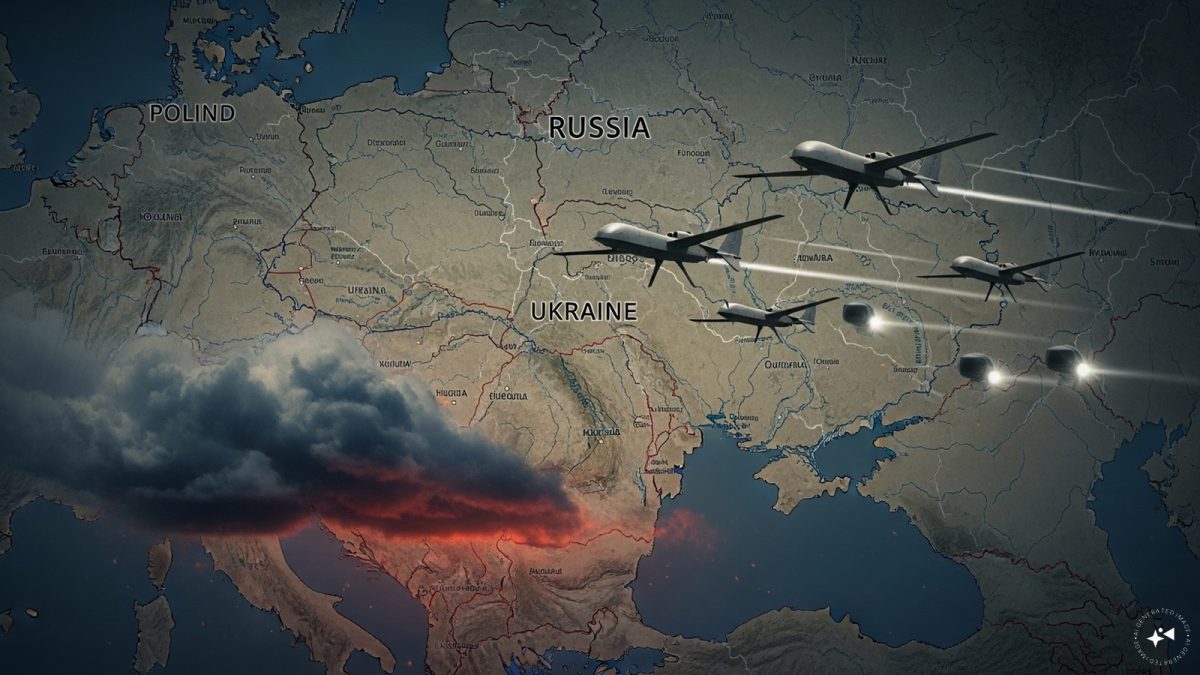 "Russian drones over Poland: Trump’s tepid reaction a wake-up call for Nato?")
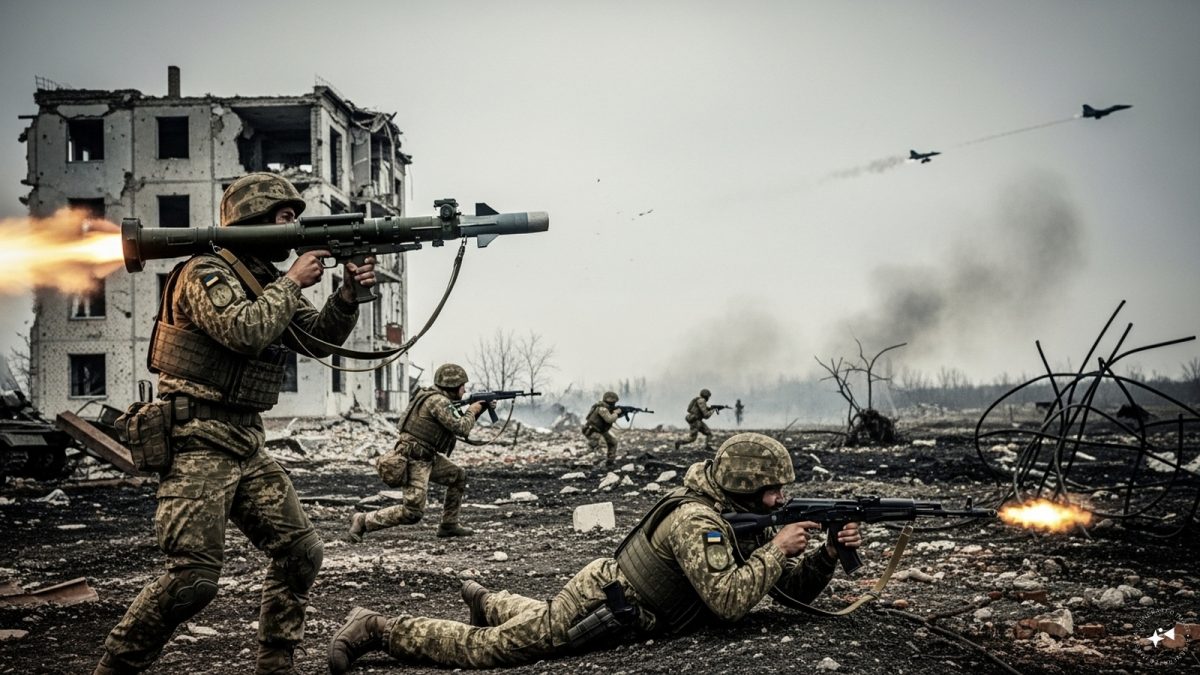 "As Russia pushes east, Ukraine faces mounting pressure to defend its heartland")
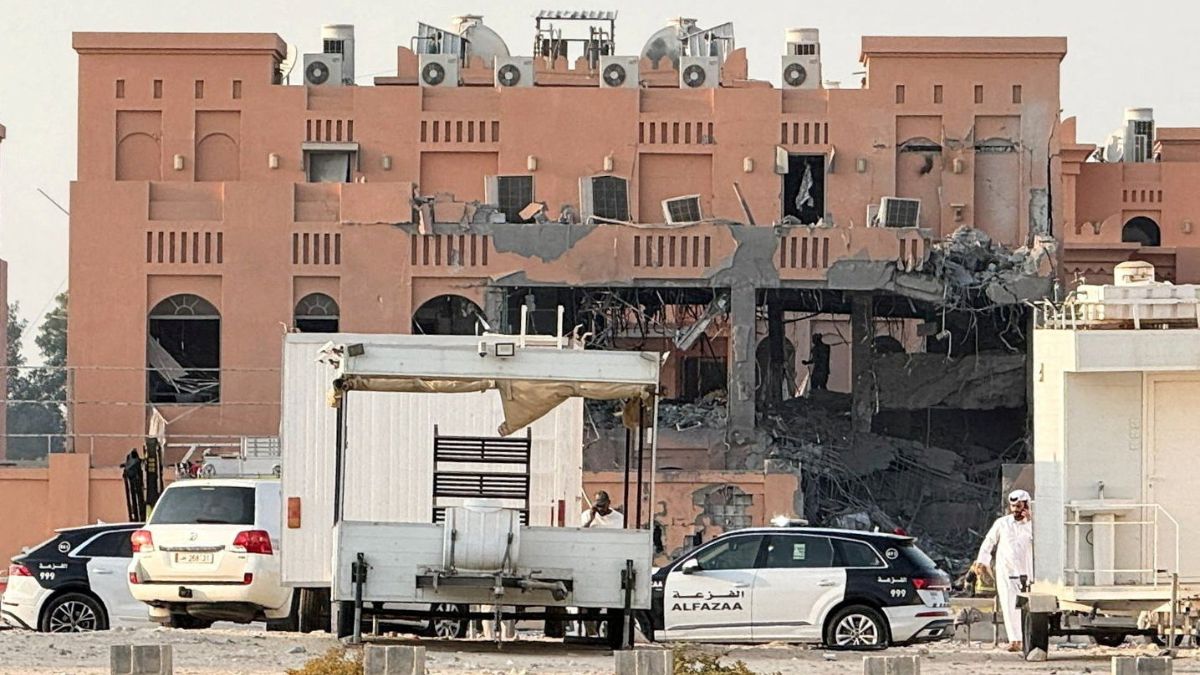 "Why Mossad was not on board with Israel’s strike on Hamas in Qatar")
 "Turkey: Erdogan's police arrest opposition mayor Hasan Mutlu, dozens officials in corruption probe")
 "Russian drones over Poland: Trump’s tepid reaction a wake-up call for Nato?")
 "As Russia pushes east, Ukraine faces mounting pressure to defend its heartland")
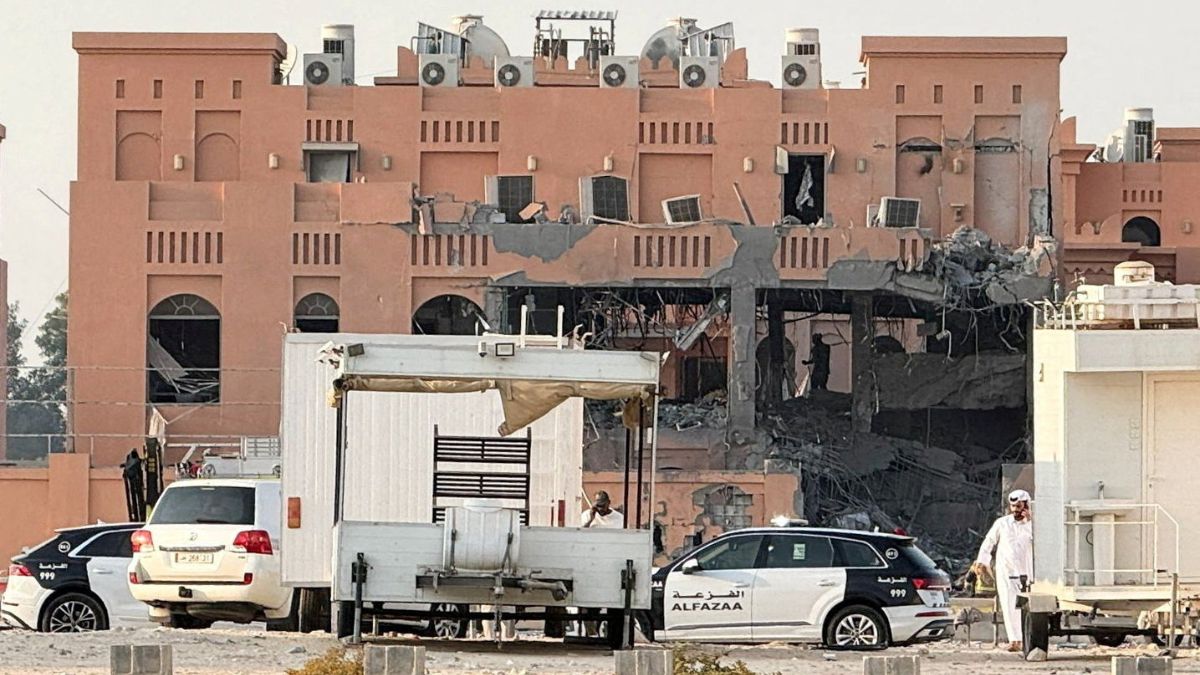 "Why Mossad was not on board with Israel’s strike on Hamas in Qatar")
 "Turkey: Erdogan's police arrest opposition mayor Hasan Mutlu, dozens officials in corruption probe")



