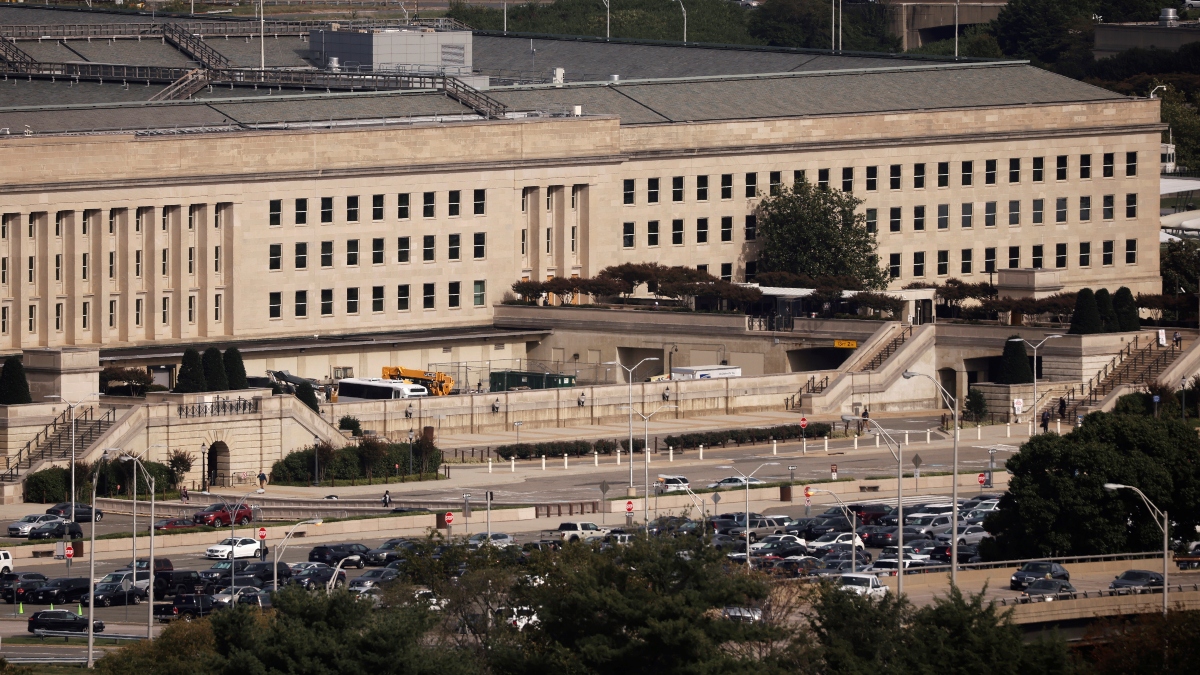
 "The Pentagon building is seen in Arlington, Virginia, US, on October 9, 2020. Reuters File")
The US House of Representatives on Wednesday approved a must-pass defence policy bill, advancing the lawmakers’ efforts to compel the Pentagon to release the video of the controversial military strike that killed two men who survived an initial attack on their alleged drug smuggling vessel.
According to The Washington Post, the bill was passed with 312 to 112 votes. The Senate is now expected to pass the measure in the coming days, and lawmakers already told reporters that they are confident that US President Donald Trump would sign it into law.
The legislation would withhold 25 per cent of Defence Secretary Pete Hegseth’s travel budget until he discloses all of his orders. Since September, Hegseth has authorised close to two dozen military attacks since September in the waters off Latin America.
The bill also calls for the release of unedited video of those operations — including the September 2 strikes that killed 11 people, including the two men who survived the initial hit on their boat. The video has been in demand because experts on the law of armed conflict, along with many Democrats and select Republicans, have questioned whether it was lawful for the US forces to strike the boat again when the first one failed to kill everyone aboard.
What the bill is about
The $900 billion defence bill focuses largely on reforming the Pentagon’s bureaucratic system for buying weapons, which members of both parties have said wastes taxpayer money and risks America’s ability to compete with such adversaries as Russia and China .
The bill also presents an opportunity for Congress to force the Pentagon to share more information — a recurrent complaint from the Armed Services committees during Hegseth’s tenure. The legislation compels the department to consult the lawmakers before withdrawing US troops from Europe and South Korea and before reconstructing America’s vast military commands around the world.
Quick Reads
View AllApart from this, the bill also renews the US security aid programs to Ukraine and the three small Baltic nations that border Russia. This is coming at a time when the Pentagon had signalled this year that it intended to shelve the initiatives, amid the Trump administration’s transactional approach to foreign policy.