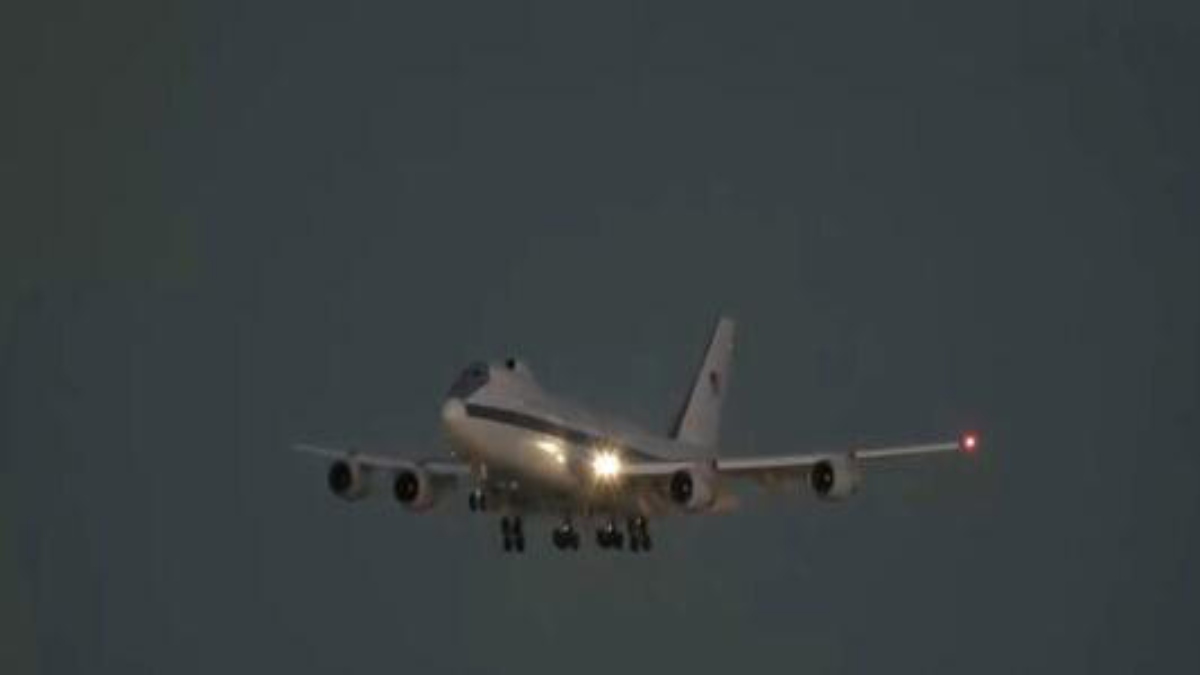
 "After 51 years, the US ‘Doomsday Plane’ spotted: Is Trump signalling something?")
One of the most secretive American presidential aircraft, Boeing E-4B Nightwatch, widely known as the “Doomsday Plane", made a rare public appearance on Saturday, sparking concerns. The plane carrying the “Doomsday Plane" was spotted for the first time in decades, flying over parts of the United States.
The aircraft is designed to serve as an airborne command centre in the event of a nuclear war or national catastrophe. It was seen relocating from its long-time base in Nebraska to Maryland, close to Washington. The matter became significant since the plane was visible for the first time in its 51-year operational history.
The Boeing E-4B Nightwatch is a heavily modified Boeing 747, which was developed during the Cold War. The plane was made operational to ensure the continuity of governance during extreme emergencies.
It is capable of supporting the US President, senior defence officials and military leadership if ground-based command centres are destroyed or rendered unusable. Unlike other presidential aircraft, the Doomsday plane is known for its endurance and survivability rather than transport or symbolism.
Why is it known as the ‘Doomsday plane’
The aircraft earned its name because of the role it plays in worst-case scenarios, such as nuclear war, large-scale attacks or catastrophic emergencies. The aircraft is designed to operate even after nuclear detonations, with systems hardened against electromagnetic pulses that could otherwise cripple electronics and communications.
The main purpose of the plane is to ensure that the American government can continue to function even if “doomsday" arrives. The E-4B is visually distinctive, featuring a prominent dome on its upper fuselage that allows it to be refuelled mid-air, enabling it to stay airborne for extended periods.
The aircraft can accommodate more than 100 personnel and includes briefing rooms, command centres and secure communication hubs. It also incorporates defensive measures and shielding to protect critical systems from nuclear effects.
Quick Reads
View AllWith inputs from agencies.

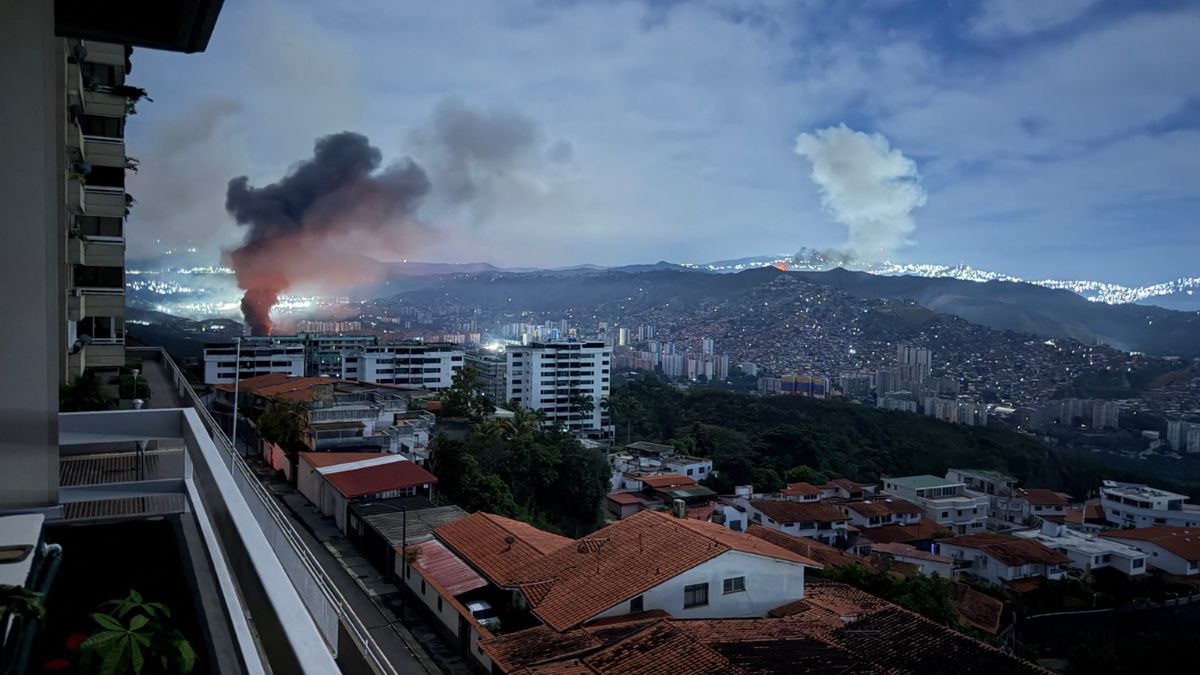 "US used mystery weapon during Maduro raid: 'Venezuelan soldiers bled from the nose, vomited blood'")
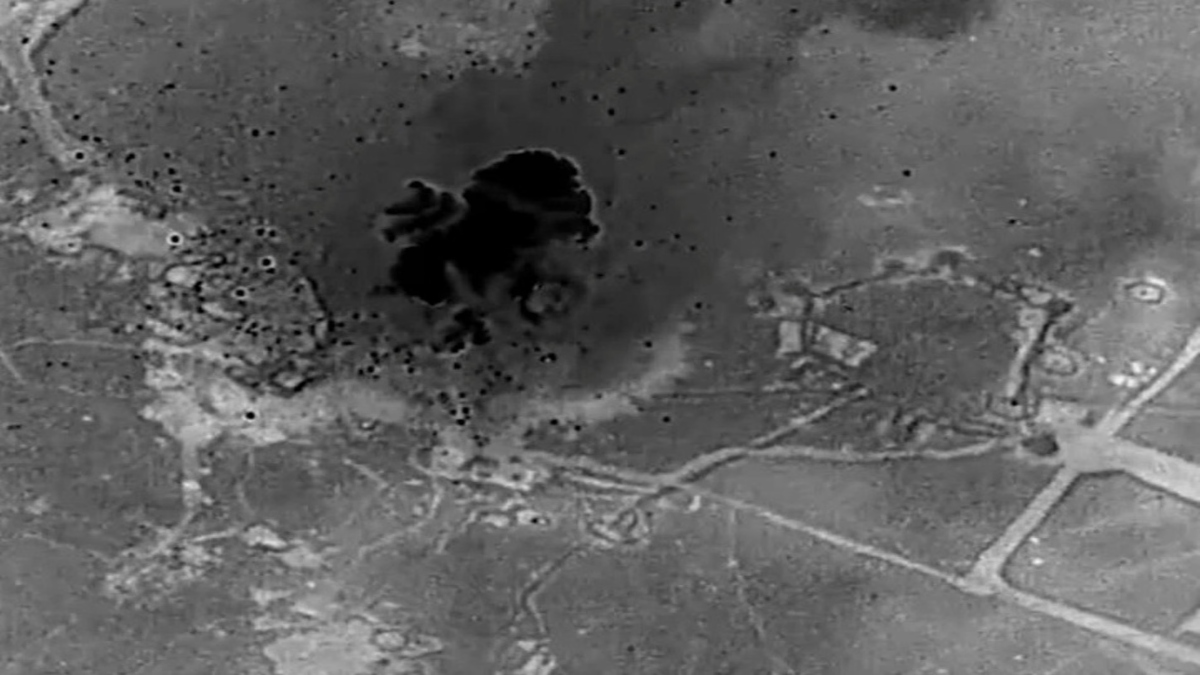 "US & allies carry out another 'large-scale' strike on Islamic State targets in Syria")
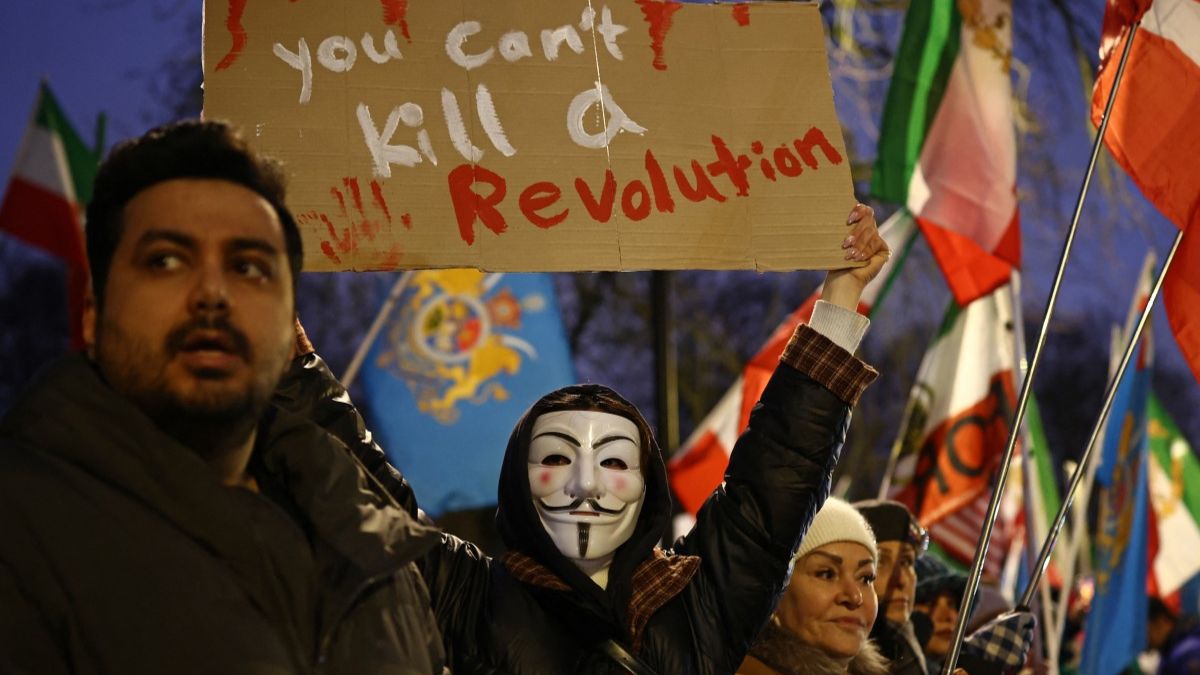 "Iran unrest: Ayatollah regime cracks down on protesters, dozens reported killed during internet blackout")
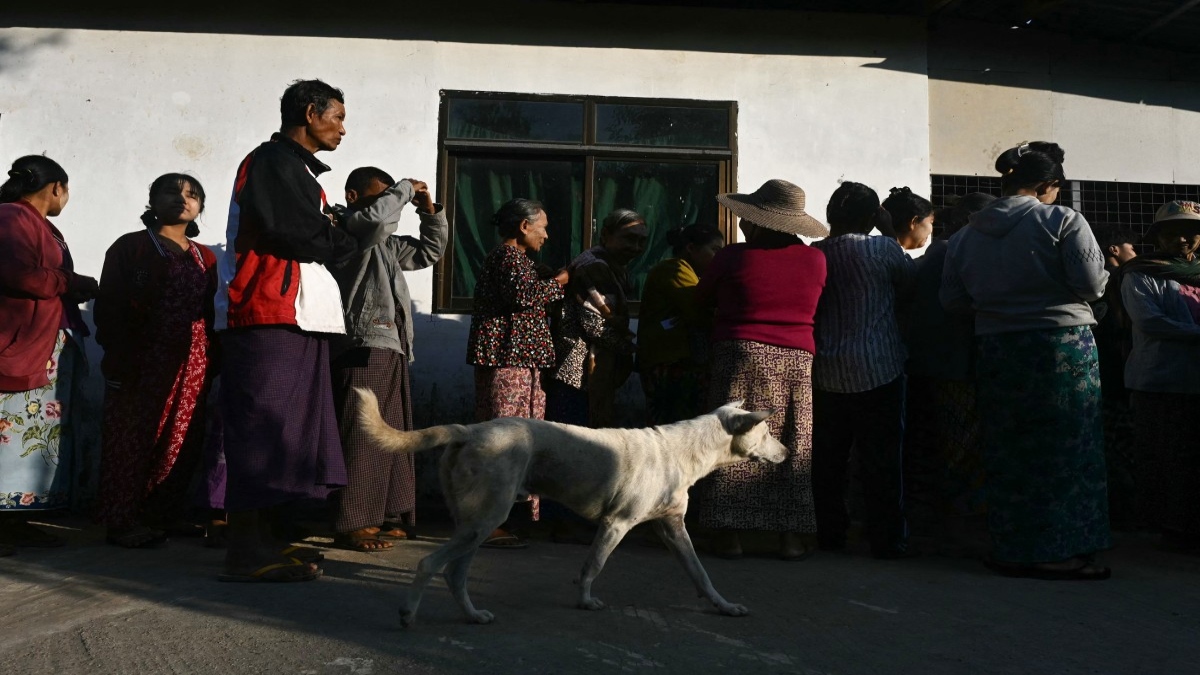 "Myanmar votes in second phase of junta-run election, democracy watchdogs remain sceptical")
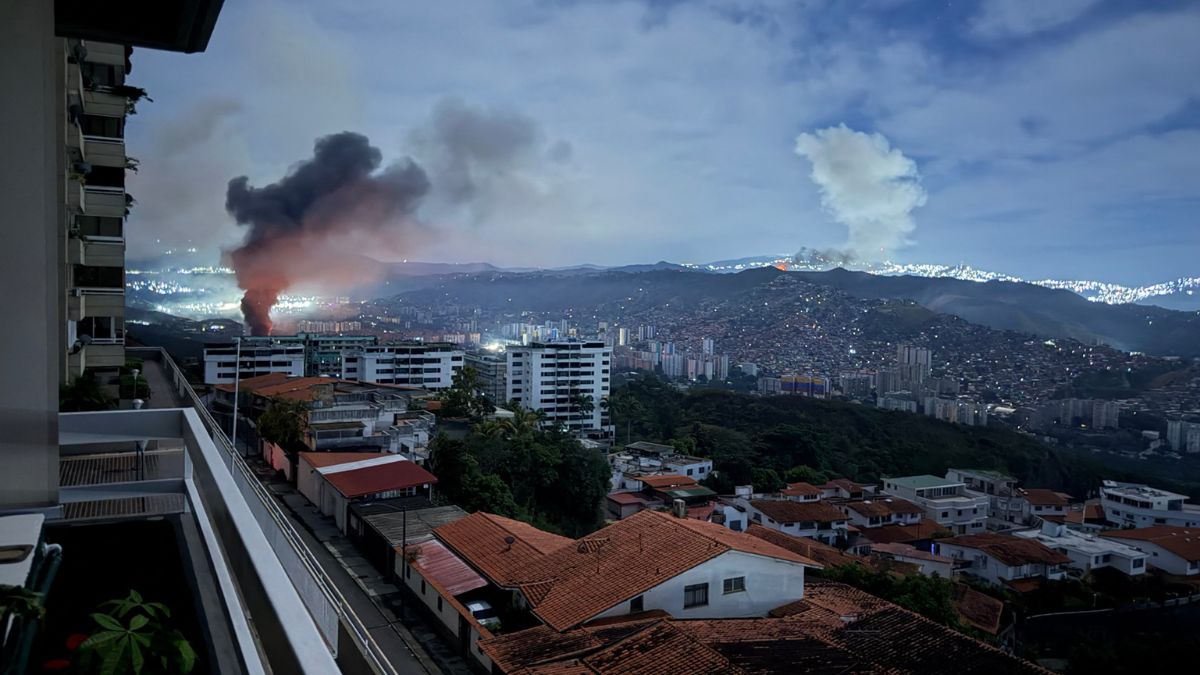 "US used mystery weapon during Maduro raid: 'Venezuelan soldiers bled from the nose, vomited blood'")
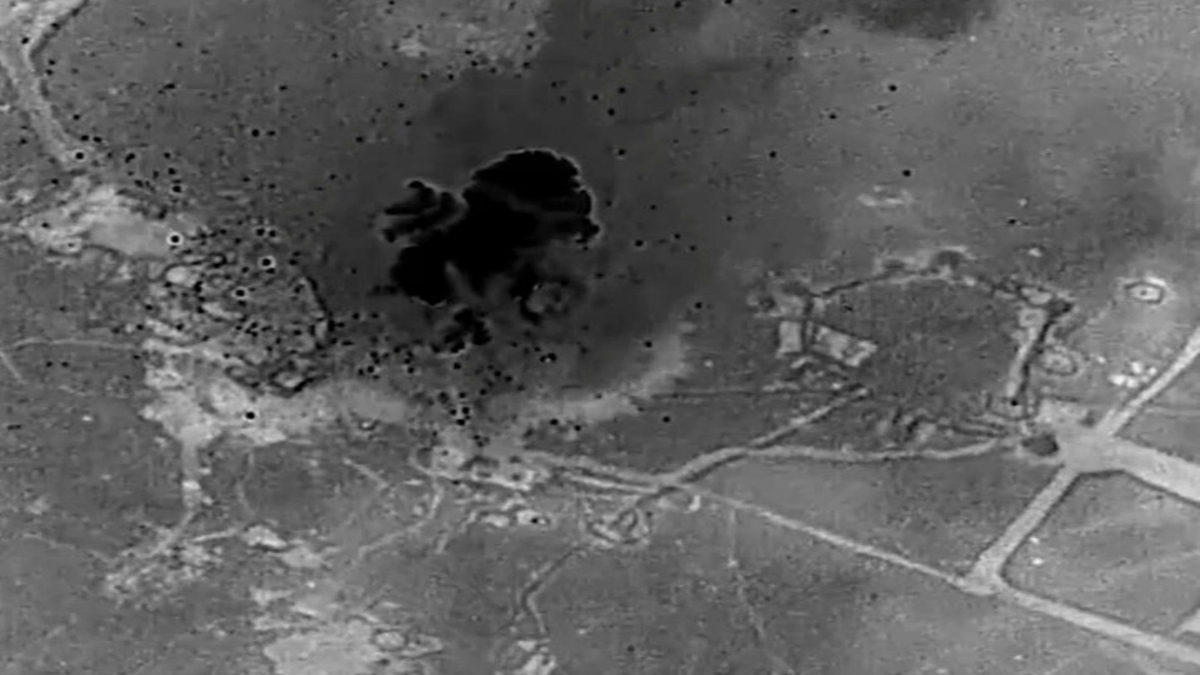 "US & allies carry out another 'large-scale' strike on Islamic State targets in Syria")
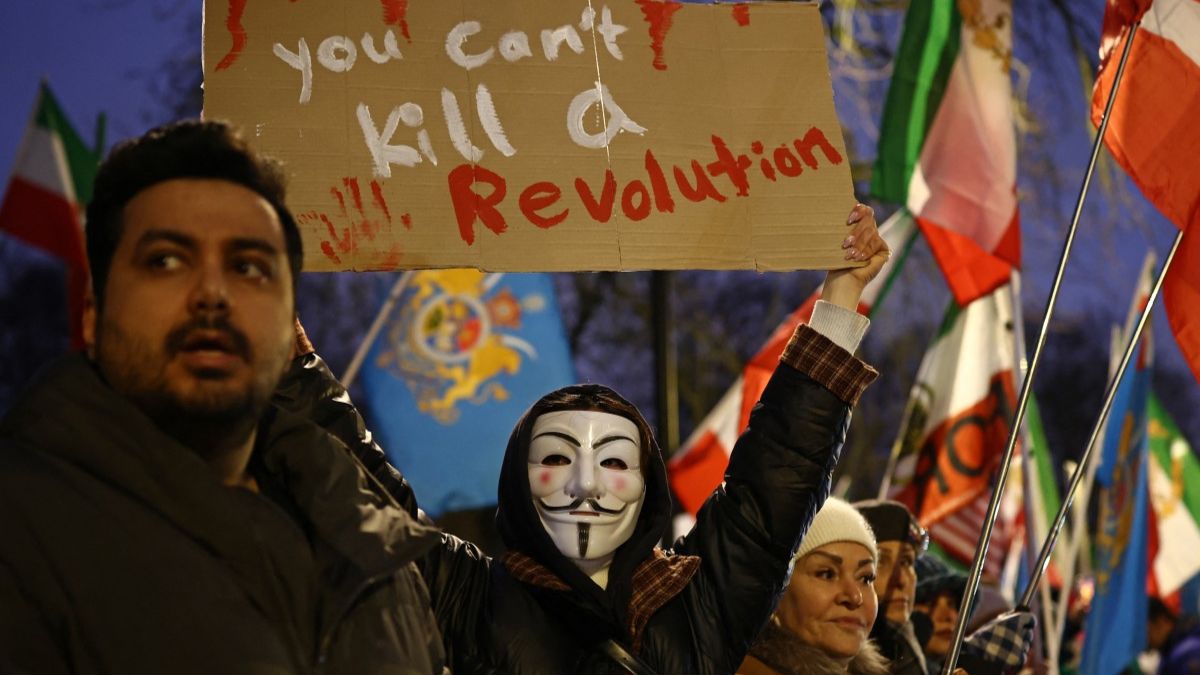 "Iran unrest: Ayatollah regime cracks down on protesters, dozens reported killed during internet blackout")
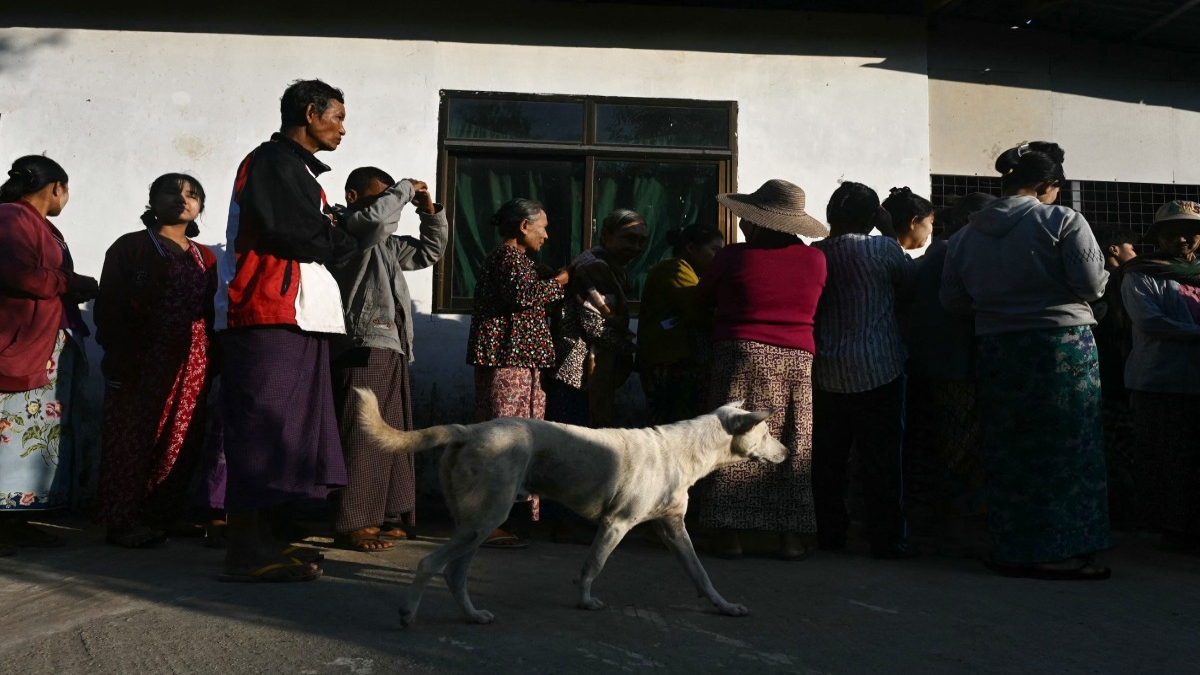 "Myanmar votes in second phase of junta-run election, democracy watchdogs remain sceptical")