

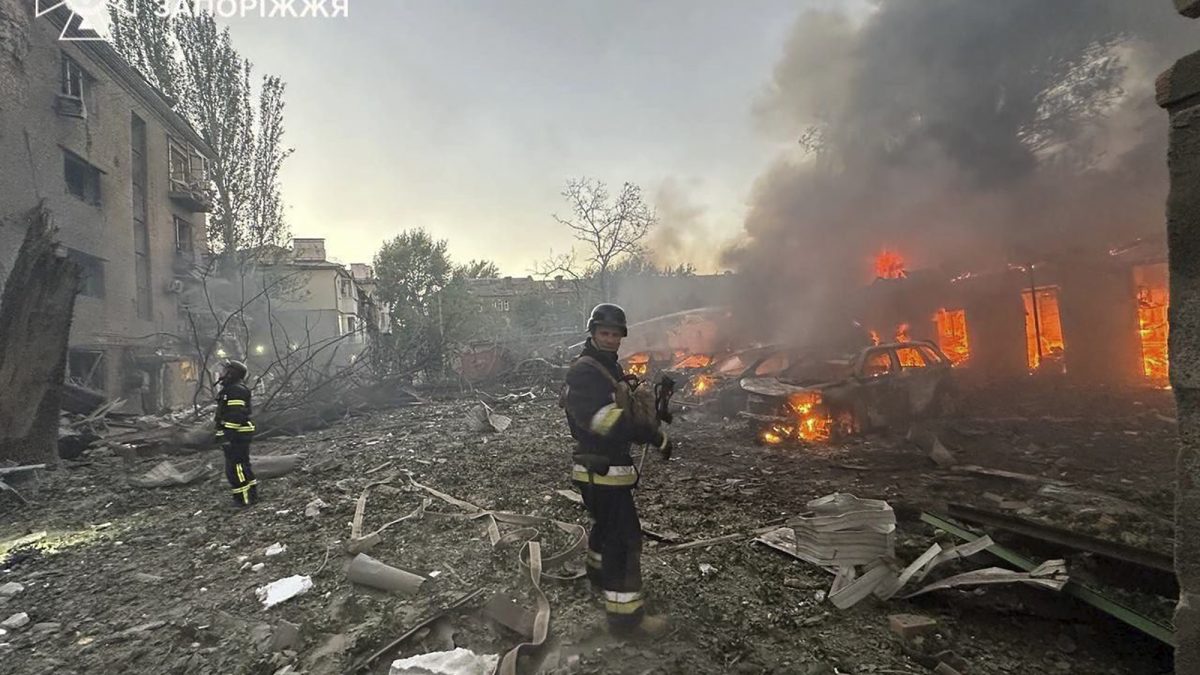
 "Ukraine dreams of reclaiming 2014 borders in war but energy crisis, displacement could crush its fight")
Ukraine is fast approaching its third winter of the war with Russia.
The country is struggling to reconcile two fronts: dealing with a humanitarian crisis driven by Russian strikes on its energy infrastructure and an ambitious military campaign to reclaim territories occupied by Moscow not just in this war, but over the last decade.
Ukrainian Defence Minister Rustem Umerov recently spoke of Kyiv’s commitment to restoring its territorial integrity, dismissing reports suggesting a shift in focus to prioritising security over reclaiming land.
“Our priority is still to protect people, protect the nation, to liberate people from almost 10 years of temporary occupation, so Crimea and Donbas are part of Ukraine,” Umerov said during a press conference in Oslo.
Despite Ukraine’s resolve, the strain of war is growing.
Russian attacks on critical energy infrastructure have left approximately 65 per cent of Ukraine’s energy production offline, according to the United Nations.
The outages are worse than in the previous two winters, leaving millions vulnerable as temperatures drop. Power limits have been imposed on businesses after a recent wave of Russian missile and drone strikes, forcing the country to rely heavily on its nuclear power plants.
Humanitarian organisations have warned that further strikes could trigger mass displacement within Ukraine and beyond.
“If they target the energy sector again, this could be a tipping point for further mass movements,” said Matthias Schmale, the UN Humanitarian Coordinator in Ukraine.
Impact Shorts
More ShortsCurrently, 3.6 million people are displaced within the country, while over 6 million have sought refuge abroad. The UN and its partners are implementing a Winter Response Plan to provide emergency aid, including fuel and warming supplies.
Shelters, referred to as “Invincibility Points,” have been set up for residents to find warmth and sustenance.
However, only half of the 1.7 million people targeted by aid efforts have been reached, largely due to funding shortfalls.
This year, the UN has received $1.8 billion in humanitarian funding for Ukraine, significantly less than the $3.1 billion it sought.
In frontline regions such as Kharkiv and Kherson, the situation is especially dire for the disabled, elderly, and those stranded in high-rise buildings near active conflict zones. Aid workers report that donor fatigue is affecting the ability to respond adequately to the growing needs.
Ukraine’s dual focus— military resistance and addressing the humanitarian fallout— is ambitious and reflective of the complicated dynamics on the battlefield.
The road ahead for the country appears to be fraught with both military and humanitarian obstacles.
With inputs from agencies


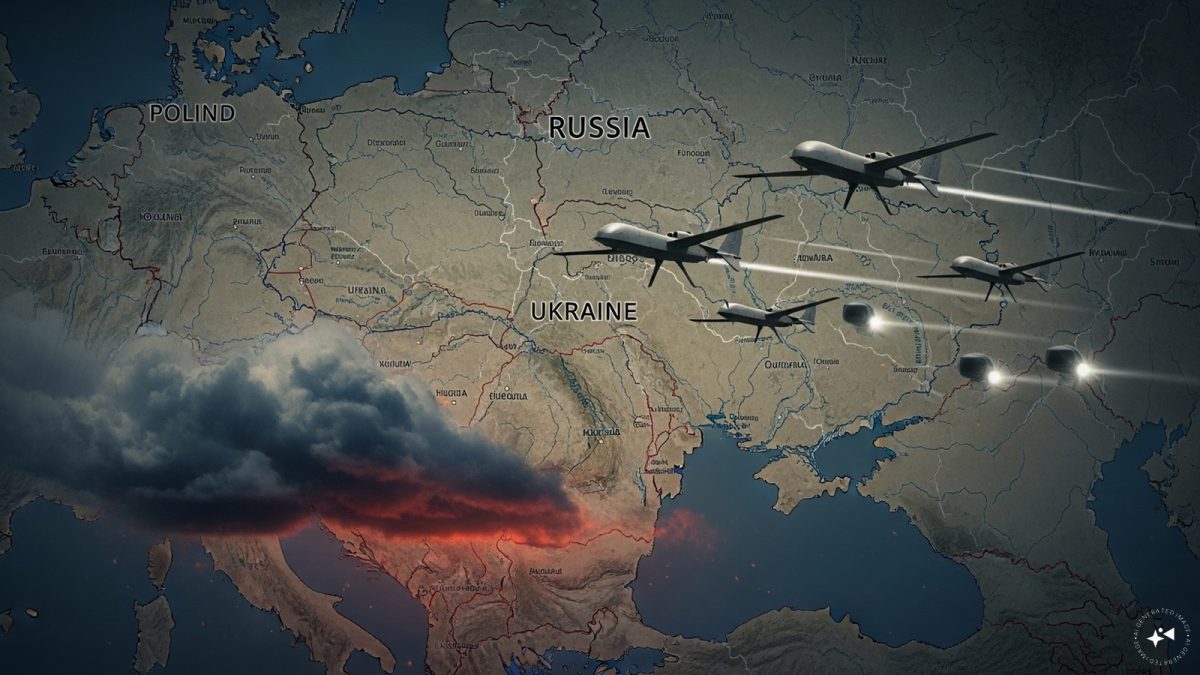 "Russian drones over Poland: Trump’s tepid reaction a wake-up call for Nato?")
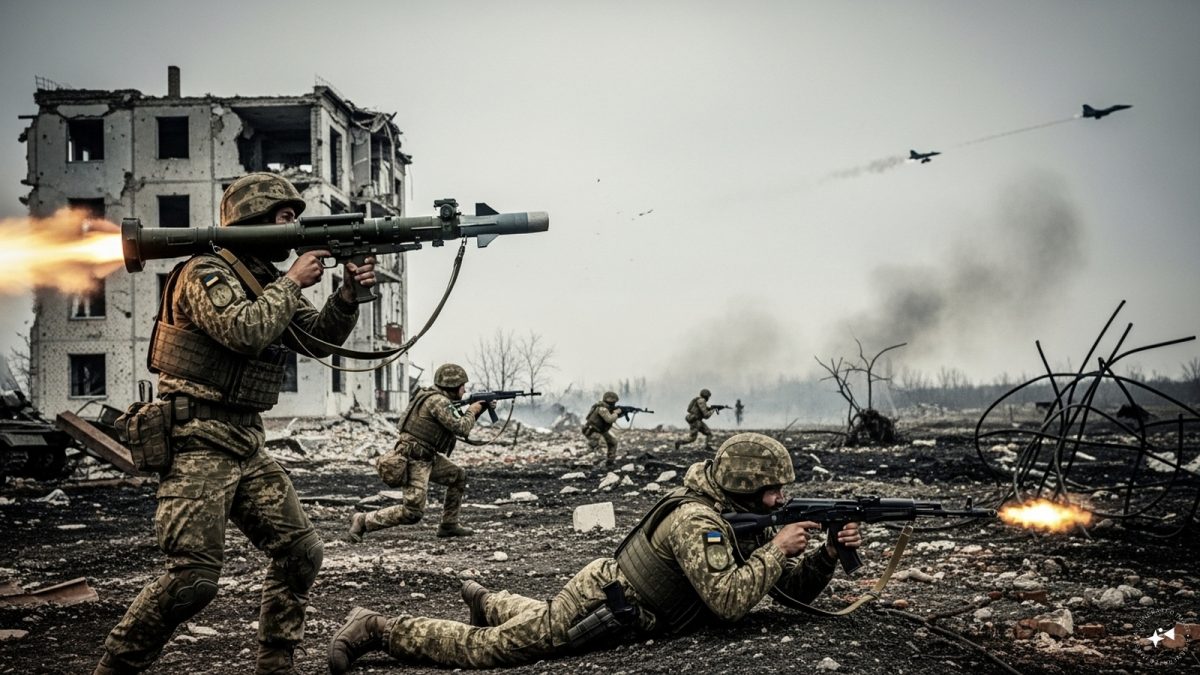 "As Russia pushes east, Ukraine faces mounting pressure to defend its heartland")
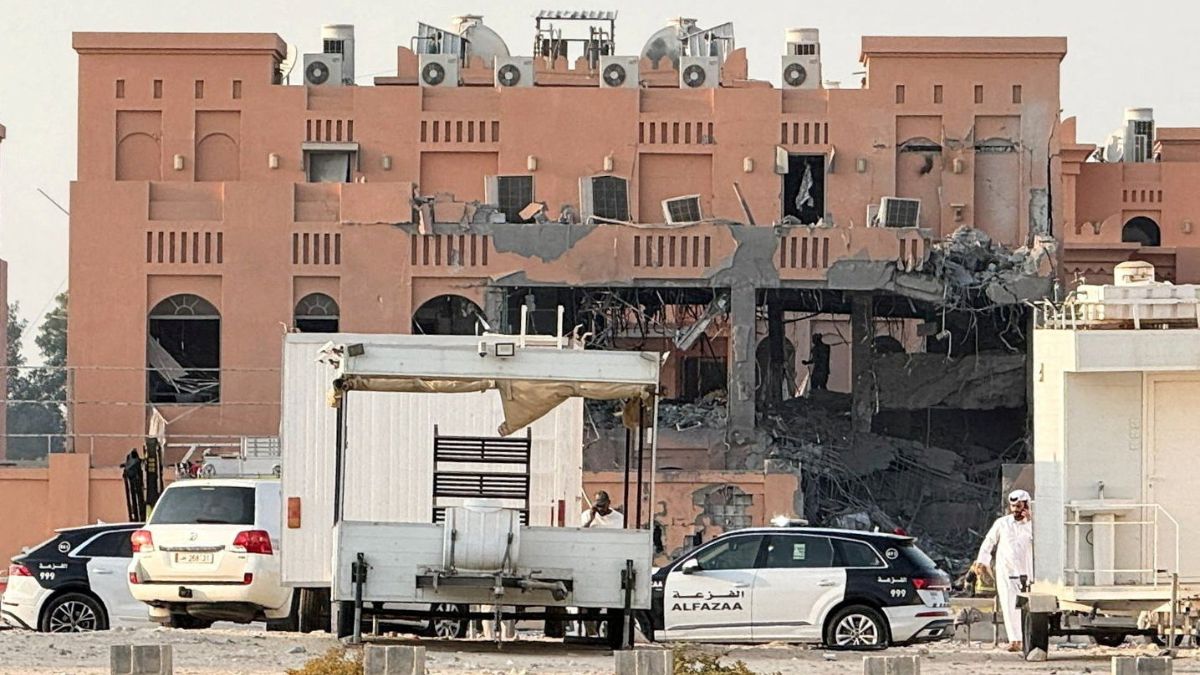 "Why Mossad was not on board with Israel’s strike on Hamas in Qatar")
 "Turkey: Erdogan's police arrest opposition mayor Hasan Mutlu, dozens officials in corruption probe")
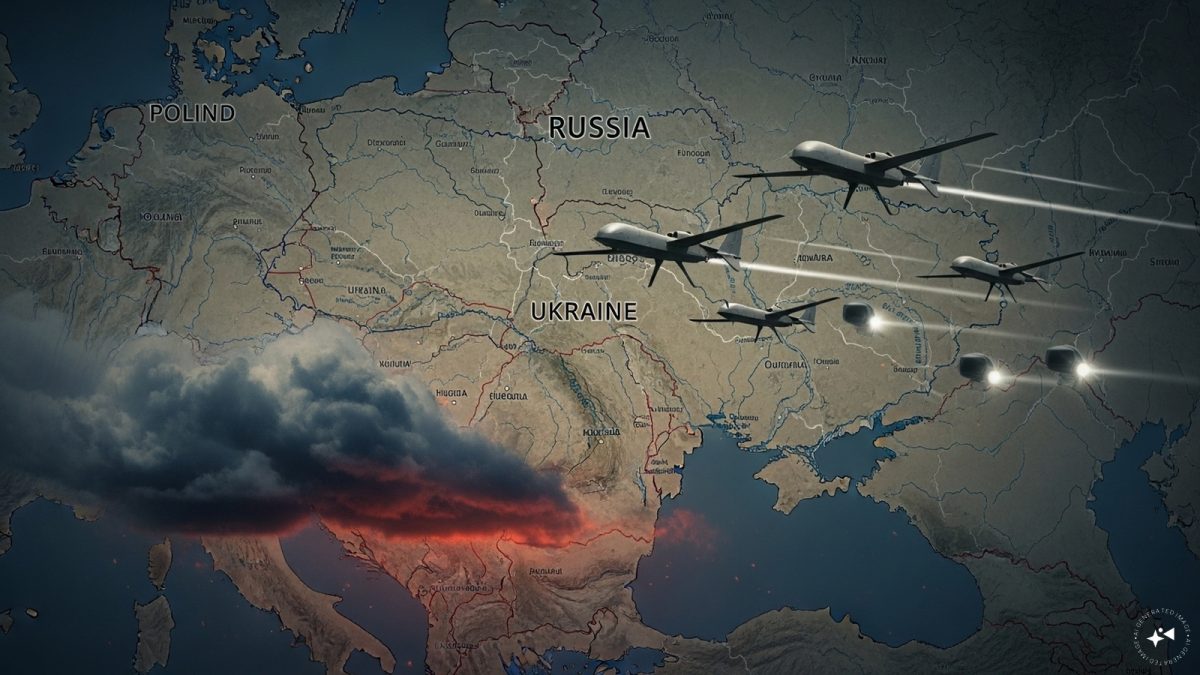 "Russian drones over Poland: Trump’s tepid reaction a wake-up call for Nato?")
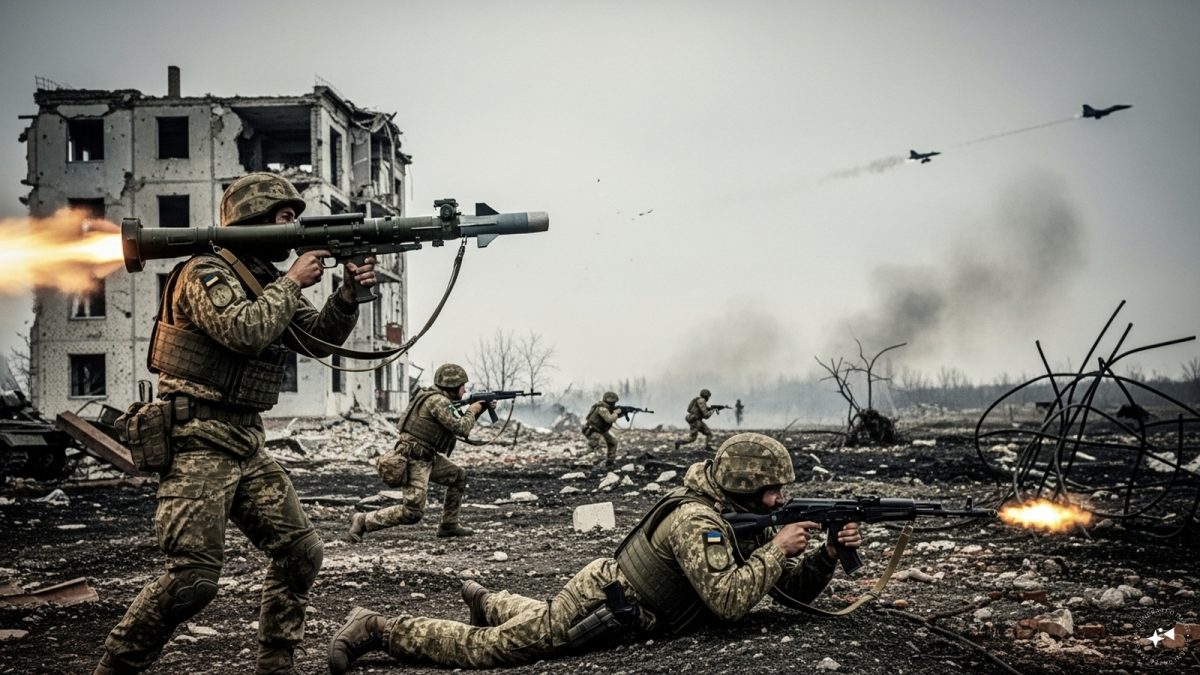 "As Russia pushes east, Ukraine faces mounting pressure to defend its heartland")
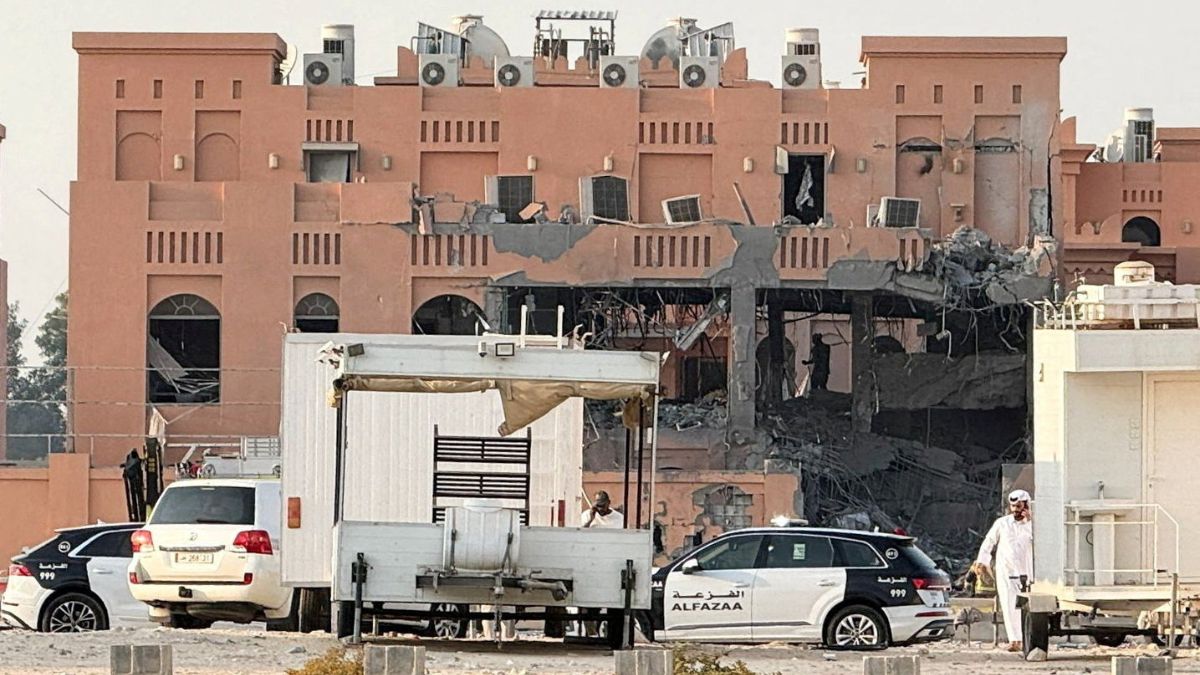 "Why Mossad was not on board with Israel’s strike on Hamas in Qatar")
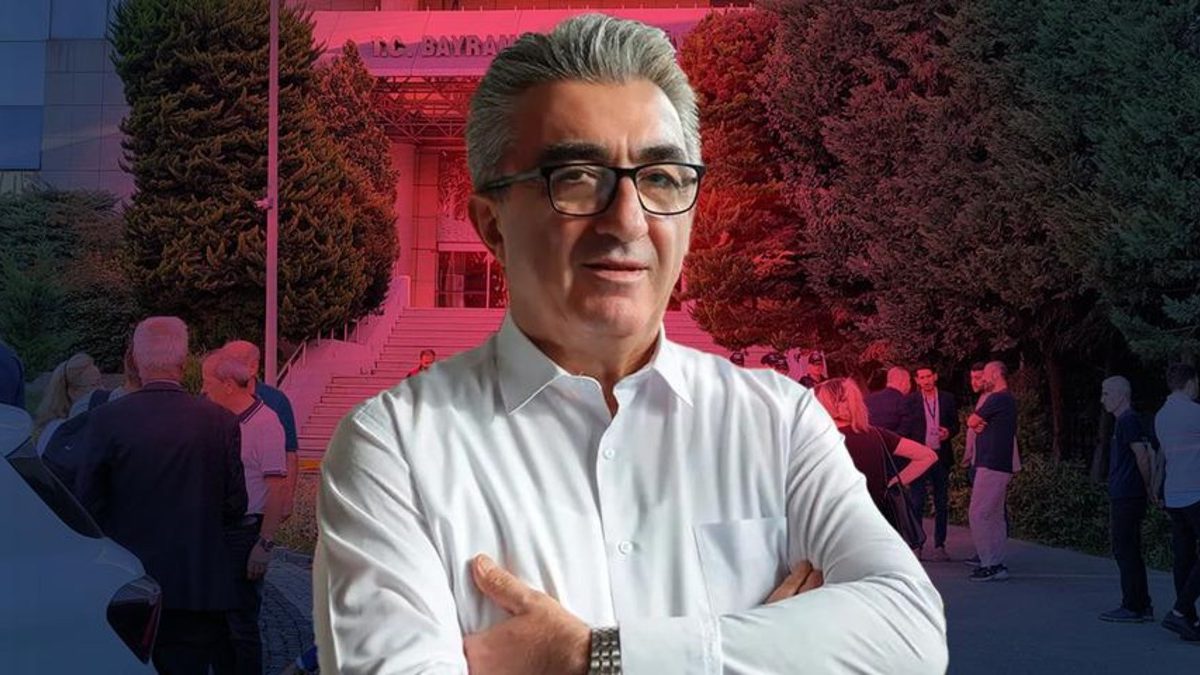 "Turkey: Erdogan's police arrest opposition mayor Hasan Mutlu, dozens officials in corruption probe")



